
 IN
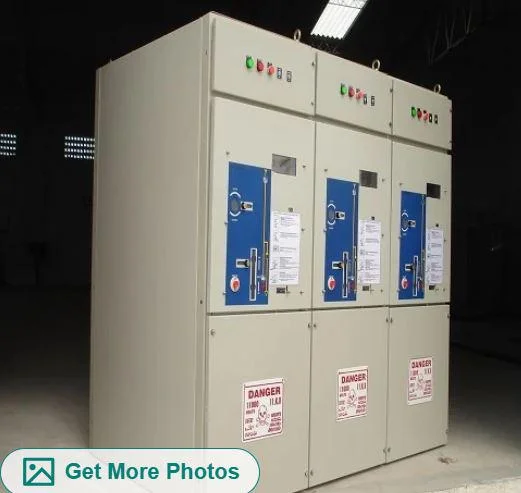
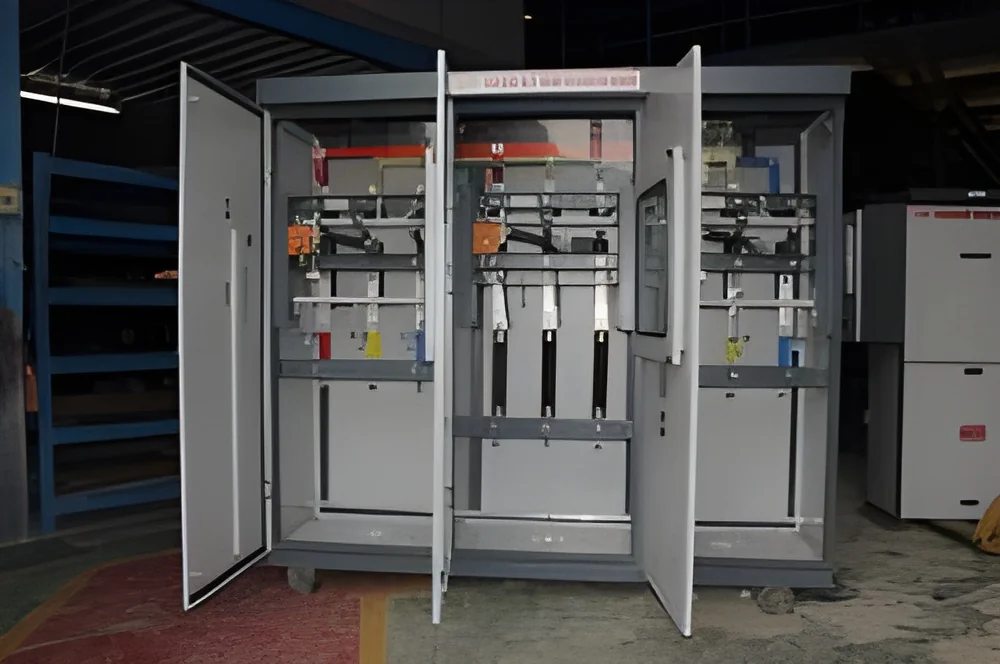
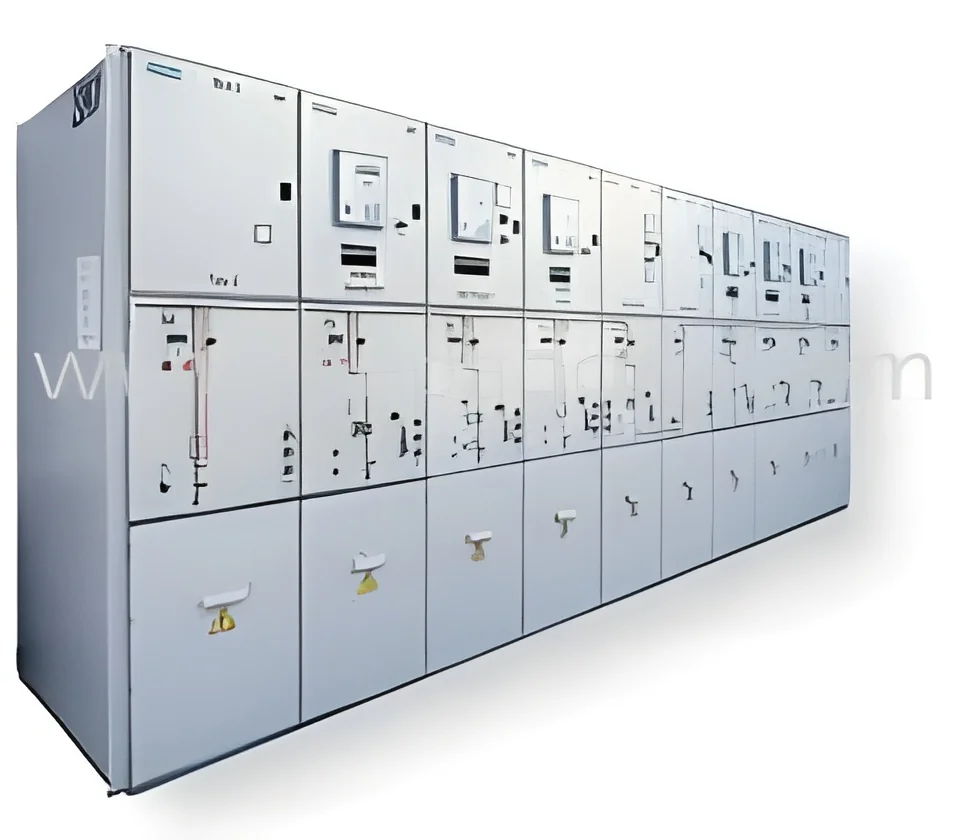
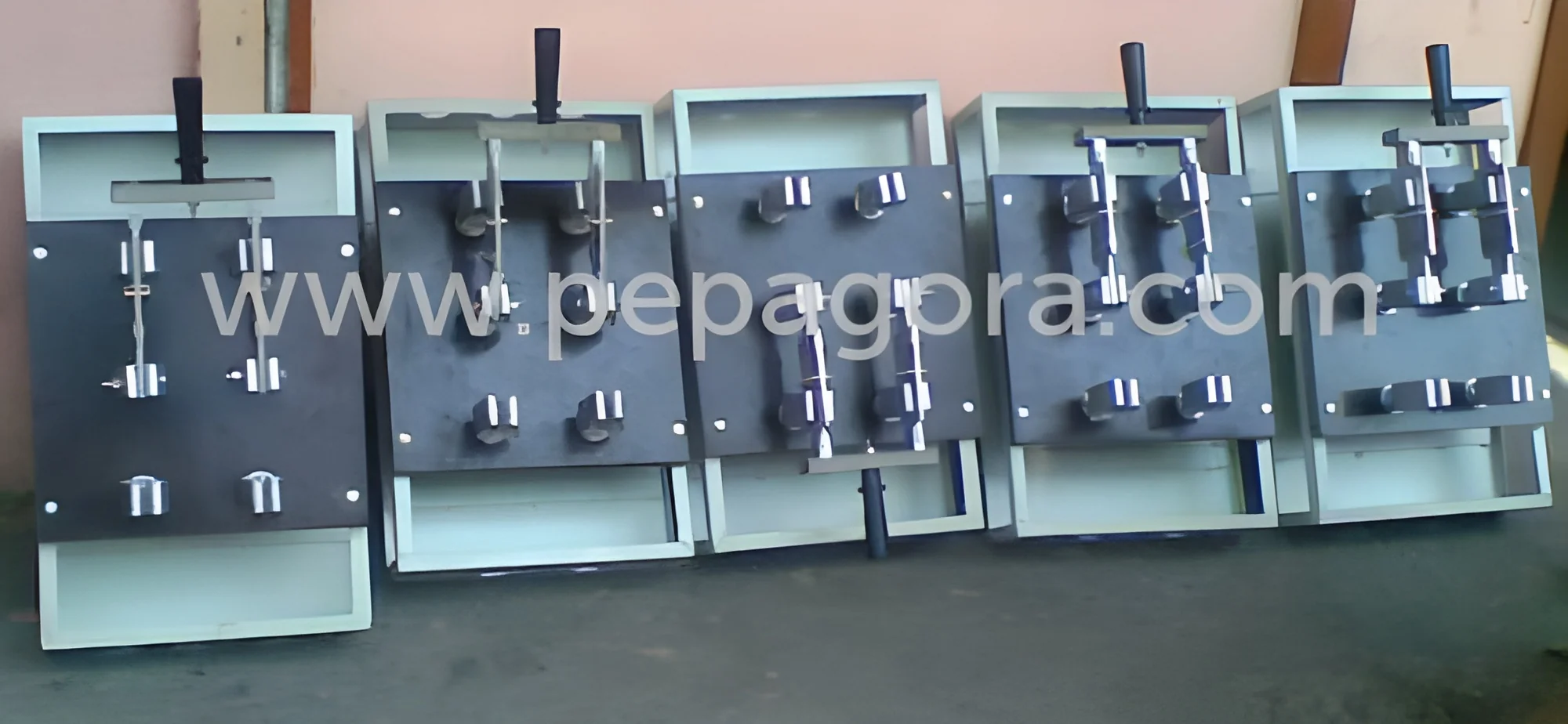
Load Break Switches
27 products available
What are Load Break Switches?
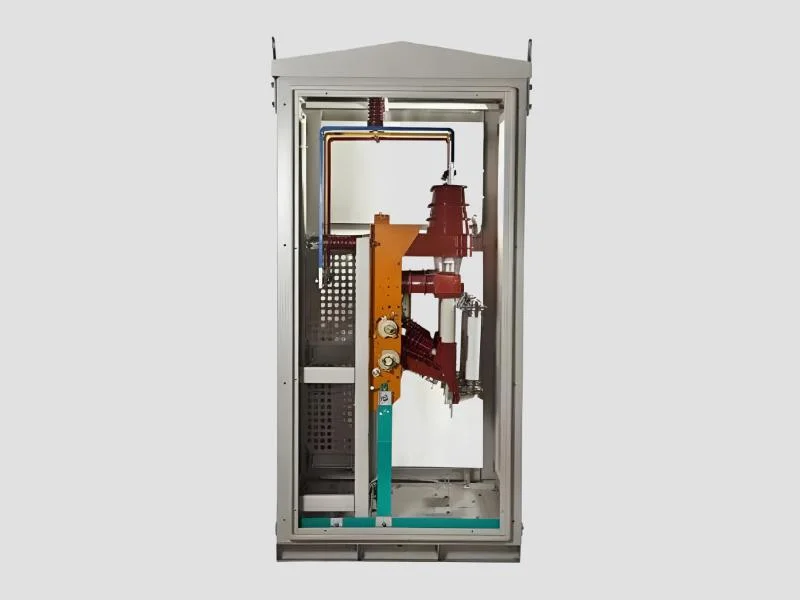
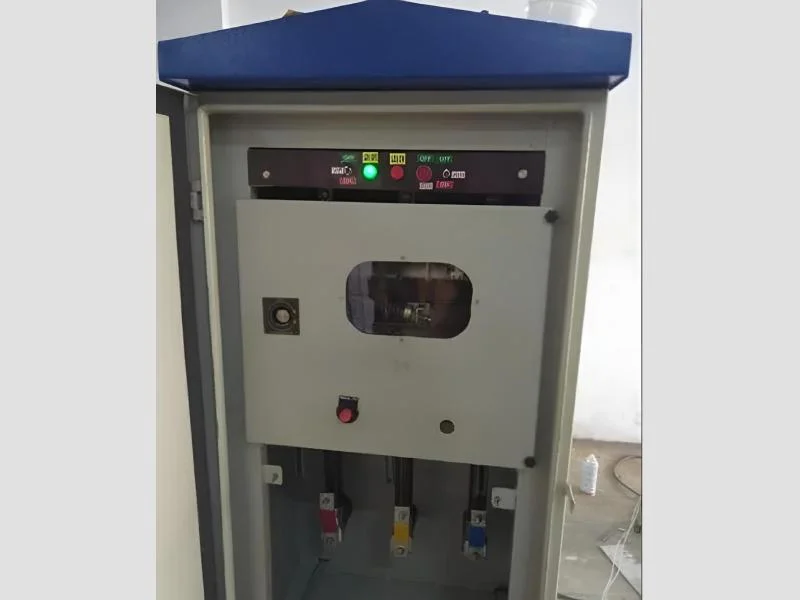
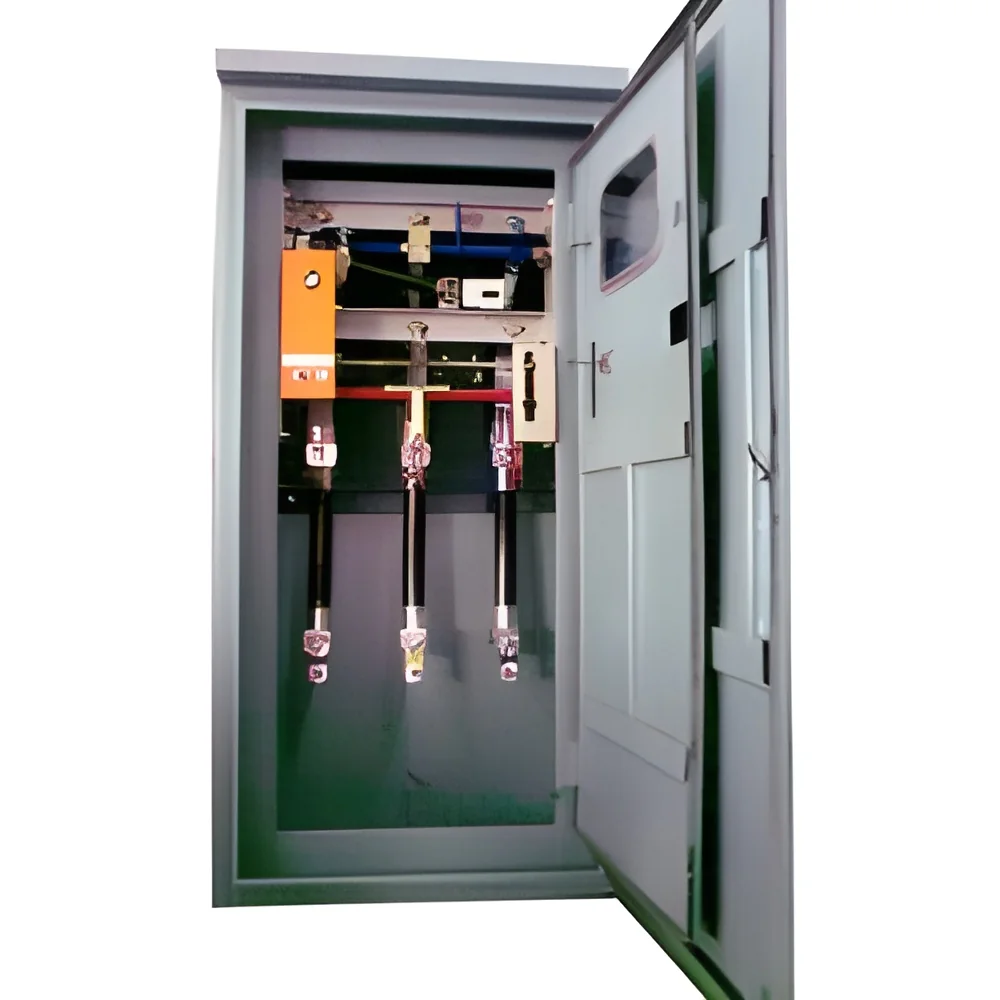
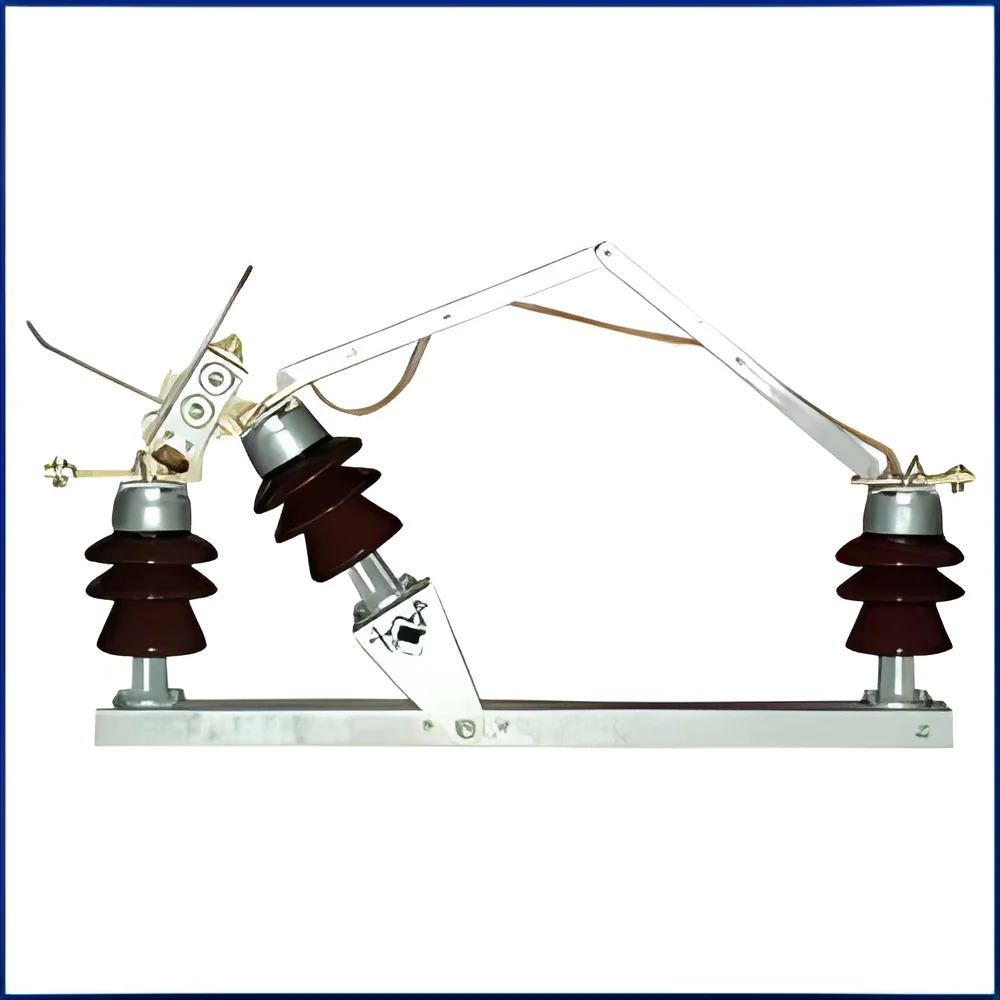
Load Break Switches are electrical devices designed to safely interrupt the flow of electricity in a circuit under load conditions. They are commonly used in power distribution systems to provide a means of isolating equipment for maintenance or emergencies. These switches are engineered to handle the electrical load while ensuring minimal risk of arcing or electrical hazards during the switching process.
Load Break Switches find their primary applications in various sectors, including utility companies, industrial plants, and commercial establishments. They are crucial for managing electrical systems, allowing operators to maintain and repair equipment without disrupting the power supply. Their reliability and safety features make them an essential component in high voltage and medium voltage distribution networks, enhancing operational efficiency and safety.
In the current market context, Load Break Switches are increasingly relevant due to the rising demand for efficient power management solutions. As industries move towards automation and require reliable electrical infrastructure, the market for these switches continues to grow. This trend emphasizes the importance of integrating advanced technology and safety standards into their design and application.
Key Features and Specifications
Load Break Switches are equipped with several key features that enhance their functionality and reliability. Understanding these specifications is critical for selecting the right switch for specific applications.
Key specifications include:
1. Voltage Rating
- Load Break Switches are available in various voltage ratings, typically ranging from 1 kV to 36 kV.
- This allows them to be suitable for different power distribution applications.
2. Current Rating
- The current rating of these switches can vary, commonly found in ranges of 200 A to 630 A.
- This specification determines the maximum current the switch can handle effectively.
3. Insulation Type
- Load Break Switches can be equipped with air or gas insulation.
- Gas-insulated switches offer superior protection in compact spaces.
4. Operating Mechanism
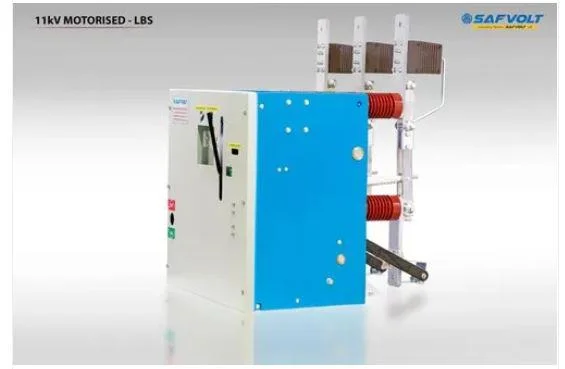
- They can be manually operated or motorized, depending on the application requirements.
- Motorized options provide remote operation capabilities.
5. Safety Features
- Many models include arc extinguishing capabilities to prevent electrical faults.
- These features enhance user safety during operation.
6. Compliance Standards
- Load Break Switches adhere to international standards such as IEC and ANSI.
- Compliance ensures they meet safety and performance requirements.
7. Installation Type
- These switches are available for both indoor and outdoor installations.
- Outdoor variants are designed to withstand environmental elements.
8. Maintenance Requirements
- Load Break Switches are designed for minimal maintenance to ensure reliability.
- Regular inspections are recommended to maintain optimal performance.
In summary, selecting Load Break Switches involves considering these specifications to ensure suitability for your specific electrical applications.
Common Applications and Use Cases
Load Break Switches are versatile components used across various industries to manage electrical distribution and enhance safety.
1. Utilities: In the utility sector, Load Break Switches are essential for managing electrical grids. They help isolate sections of the network for maintenance without interrupting service to customers.
2. Manufacturing: In manufacturing plants, these switches play a vital role in powering machinery and equipment. They allow for safe maintenance and repairs of production lines.
3. Commercial Buildings: Load Break Switches are used in commercial buildings to ensure the safety of electrical systems. They enable property managers to maintain power distribution systems effectively.
4. Renewable Energy: In renewable energy installations, such as solar farms, these switches help manage power output and protect equipment from electrical faults.
5. Transportation: In the transportation sector, Load Break Switches are utilized in rail systems to manage electrical power for trains and signaling equipment.
6. Mining: Mining operations use Load Break Switches to control power supply to heavy machinery, ensuring safe operation in hazardous environments.
7. Data Centers: In data centers, these switches provide reliable power management, crucial for maintaining server uptime and protecting sensitive equipment.
Product Variants and Subcategories
Load Break Switches come in a variety of designs and configurations to meet diverse operational needs.
Vacuum Load Break Switches
These switches utilize a vacuum to interrupt the electrical circuit. They are known for their long lifespan and low maintenance requirements, making them ideal for medium voltage applications.
Oil-Insulated Load Break Switches
These switches employ oil insulation for enhanced protection against electrical faults. They are commonly used in outdoor installations due to their robustness in harsh environments.
Sulfur Hexafluoride (SF6) Load Break Switches
Utilizing SF6 gas for insulation, these switches are highly efficient and compact. They are suitable for high voltage applications where space is limited.
Hybrid Load Break Switches
These switches combine traditional and modern technologies, offering flexibility and efficiency in power distribution systems. They are suitable for various industrial applications.
Benefits and Advantages
Choosing Load Break Switches offers several advantages that enhance operational efficiency and safety.
1. Improved Safety: Load Break Switches are designed to minimize electrical hazards, providing a safer working environment for operators.
2. Enhanced Reliability: With robust construction and advanced materials, these switches ensure consistent performance and long service life.
3. Easy Maintenance: Many Load Break Switches require minimal maintenance, reducing downtime and operational costs.
4. Versatility: They can be used in a variety of applications across multiple industries, making them a flexible solution for power management.
5. Compliance Assurance: Load Break Switches meet international safety and performance standards, ensuring regulatory compliance for businesses.
6. Remote Operation Options: Motorized variants allow for remote operation, providing greater convenience and safety in managing electrical systems.
Buying Guide for B2B Buyers
When sourcing Load Break Switches, it is essential for B2B buyers to consider several critical factors to ensure informed purchasing decisions.
1. Quality Assessment: Buyers should evaluate the quality of Load Break Switches based on material standards and manufacturer reputation. High-quality switches tend to have better performance and reliability.
2. Supplier Verification: It is crucial to vet suppliers for their credibility and track record in providing Load Break Switches. This includes checking references and reviewing past projects.
3. Pricing and MOQ: Understanding the pricing structure and minimum order quantities (MOQ) is vital for budget management. Buyers should compare quotes from multiple suppliers to ensure competitive pricing.
4. Delivery and Lead Times: Buyers should inquire about delivery schedules and lead times to ensure that their projects remain on track. Timely delivery is critical in maintaining workflow continuity.
5. Compliance Requirements: Ensure that the selected Load Break Switches comply with relevant industry regulations and standards. This reduces the risk of legal issues and enhances operational safety.
Compliance and Certifications
Load Break Switches are subject to various compliance and certification requirements to ensure safety and performance.
Relevant quality standards such as ISO 9001 are critical for manufacturing processes, ensuring consistent quality management. Companies that adhere to these standards demonstrate their commitment to quality and reliability.
Industry certifications like CE signify that Load Break Switches meet European safety, health, and environmental protection standards. This certification is crucial for accessing markets in Europe and other regions.
Safety and testing requirements involve rigorous evaluations to ensure that Load Break Switches can withstand operational demands and environmental conditions. Compliance with these requirements is essential to guarantee user safety and product effectiveness.
Regional compliance considerations vary by location, influencing the standards and certifications required for Load Break Switches. Buyers should be aware of local regulations to avoid non-compliance issues.
Why Source Load Break Switches from Pepagora?
Pepagora offers a trusted platform for sourcing Load Break Switches, ensuring a seamless purchasing experience for B2B buyers.
Verified Supplier Network: Pepagora collaborates with a network of verified suppliers, ensuring that buyers have access to high-quality Load Break Switches from reputable manufacturers. This verification process adds an extra layer of confidence in the sourcing process.
Streamlined RFQ Process: The request for quotation (RFQ) system on Pepagora simplifies the process of obtaining quotes from multiple suppliers. This efficiency allows buyers to compare options easily and make informed decisions.
Trade Assurance and Support: Pepagora provides trade assurance, protecting buyers against potential risks during transactions. Their dedicated support team is available to assist with any inquiries or issues that may arise.
Regional Coverage: With a strong presence in India, the GCC, and Southeast Asia, Pepagora ensures that buyers can source Load Break Switches from local suppliers, enhancing logistics and reducing lead times.
By choosing Pepagora, B2B buyers can confidently source Load Break Switches that meet their operational needs while benefiting from a robust support system and verified supplier network.


 India
 India

 India
 India
 India
 India
 India
 India

 India

 India
 India
 India
 India
Frequently Asked Questions
What are Load Break Switches?
Load Break Switches are electrical devices used to interrupt the flow of electricity in a circuit. They are designed to safely disconnect the load from the supply, making them essential for maintenance and safety operations in electrical systems.
What are the different types of Load Break Switches?
There are several types of Load Break Switches, including manual, motor-operated, and automatic switches. Each type serves different applications and comes with specific features tailored to meet operational requirements.
How do I choose the right Load Break Switches?
Selecting the right Load Break Switches involves considering factors such as voltage rating, current capacity, and application type. It is also essential to evaluate the environmental conditions where the switch will be installed to ensure optimal performance.
What are the standard specifications for Load Break Switches?
Standard specifications for Load Break Switches typically include voltage ratings, current ratings, insulation resistance, and short-circuit withstand strength. Manufacturers usually provide detailed specifications to help buyers make informed decisions.
What is the price range for Load Break Switches?
The price range for Load Break Switches can vary widely based on specifications, manufacturer, and type. Generally, prices can start from a few thousand Indian Rupees and can go up to several tens of thousands depending on the features and applications.
What quality standards apply to Load Break Switches?
Load Break Switches must comply with various quality standards, including IS, IEC, and ISO certifications. Adherence to these standards ensures reliability, safety, and performance in electrical applications.
Where can I find Load Break Switches suppliers in India?
You can find Load Break Switches suppliers in India through B2B marketplaces, trade shows, and industry directories. Websites like Pepagora.com list numerous manufacturers and suppliers, making it easier to source quality products.
Can Load Break Switches be customized?
Yes, many manufacturers offer customization options for Load Break Switches to meet specific requirements. Customization can include variations in size, materials, and additional features tailored to particular applications.
What is the typical minimum order quantity for Load Break Switches?
The typical minimum order quantity (MOQ) for Load Break Switches varies by supplier but often ranges from 10 to 50 units. It is advisable to check with individual suppliers for their specific MOQs.
What is the typical lead time for Load Break Switches?
The typical lead time for Load Break Switches can range from a few weeks to several months, depending on the supplier, order size, and customization requirements. It is recommended to confirm the lead time with the supplier at the time of order.
Why Businesses Trust Pepagora
Thousands of companies trust Pepagora to source smarter and sell faster
Expand Your Sales Globally

Source Smarter,Grow Faster
