What are Kaolin Clay?
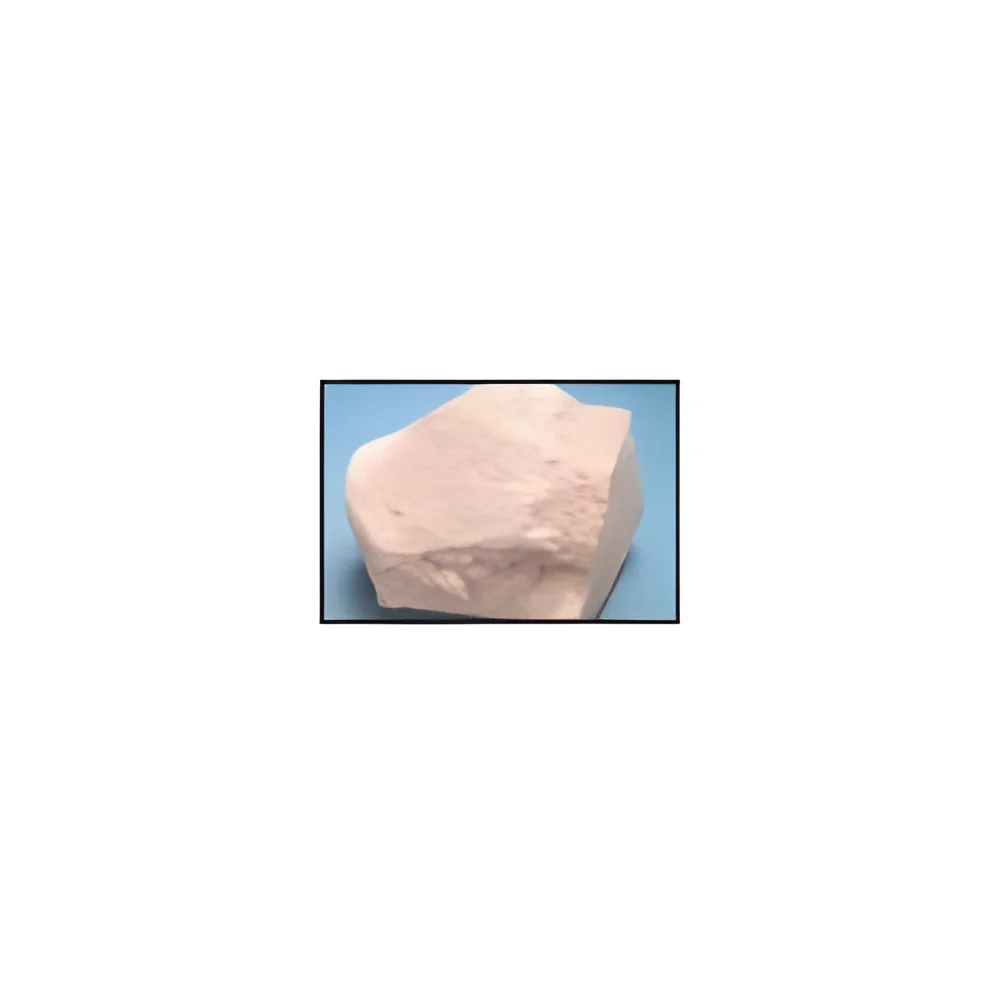
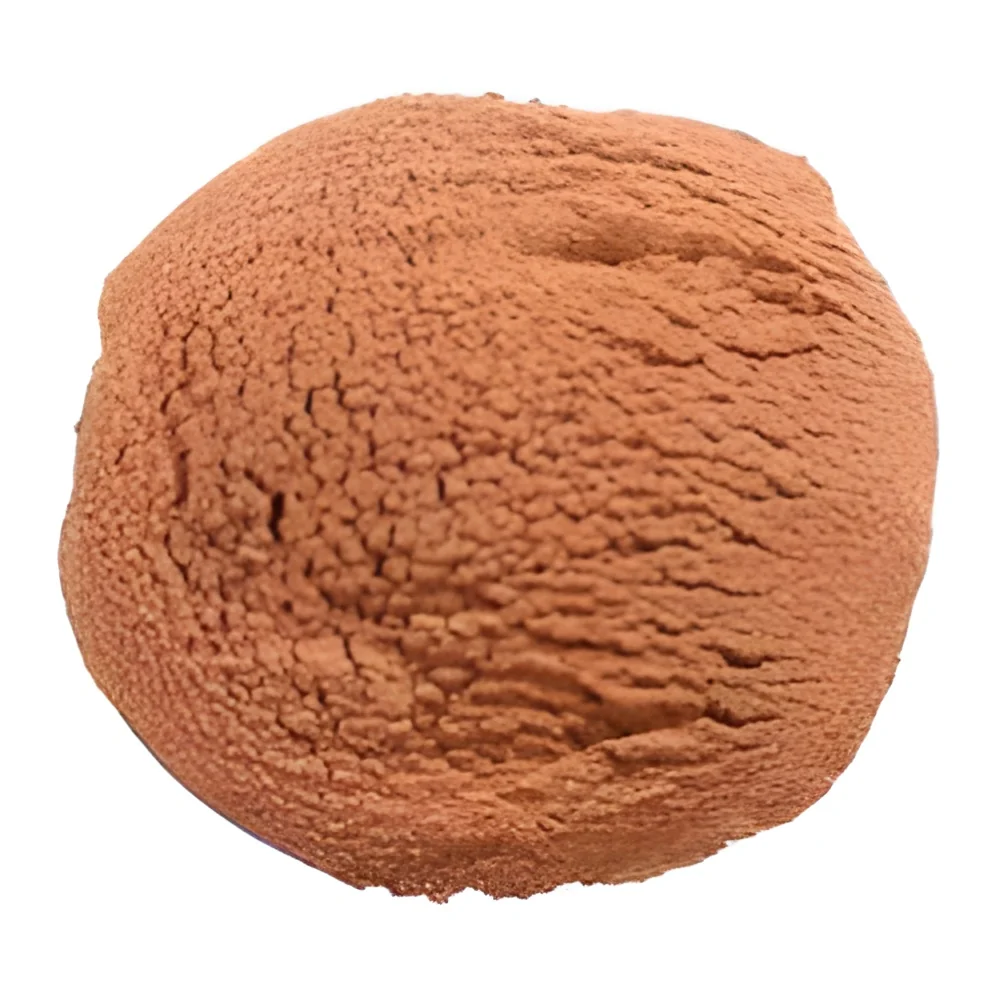
Kaolin clay, also known as china clay, is a fine white clay primarily composed of kaolinite, a layered silicate mineral. It is formed through the weathering of granite rocks and boasts a unique particle size and morphology, which contribute to its beneficial properties. Kaolin clay is renowned for its plasticity, whiteness, and low shrinkage upon drying, making it a versatile material used in various industrial applications.
The primary uses of kaolin clay span multiple sectors. It is widely employed in the manufacturing of ceramics, paper, rubber, plastics, and paints, serving as a filler or coating agent. In the ceramics industry, it enhances the strength and durability of products. The paper industry utilizes it to improve brightness and printability. With its absorbent qualities, kaolin clay also finds applications in personal care products and pharmaceuticals. The market for kaolin clay is robust, with increasing demand in developing economies driving growth in its production and consumption.
Key Features and Specifications
Kaolin clay offers several key features that make it suitable for various applications. Its properties are defined by specific technical specifications that cater to industry requirements.
Key specifications include:
1. Particle size distribution
- Generally ranges from 1 to 10 microns
- Affects the clay's reactivity and application performance
2. Whiteness
- High levels of whiteness, typically above 80%
- Essential for applications requiring aesthetic quality, such as ceramics and paper
3. Plasticity
- Moderate to high plasticity
- Provides workability in ceramic processes
4. Moisture content
- Usually maintained between 10% to 14%
- Important for storage and processing conditions
5. pH level
- Typically ranges from 4.5 to 7.5
- Impacts the clay's behavior in various formulations
6. Oil absorption
- Ranges from 30 to 50 g/100 g
- Indicates the clay's capacity to absorb oils, relevant in paint and coatings
7. Chemical composition
- Predominantly consists of SiO2 and Al2O3
- Determines the clay's suitability for specific applications
In summary, the specifications of kaolin clay ensure its functionality across a range of industries, making it a valuable material for manufacturers.
Common Applications and Use Cases
Kaolin clay serves various industries due to its unique properties and versatility.
1. Ceramics: In ceramics, kaolin clay is essential for producing porcelain and stoneware. It enhances the mechanical strength and finishes of ceramic products.
2. Paper: The paper industry utilizes kaolin clay as a filler and coating agent to improve opacity, brightness, and printability of paper products.
3. Paints and Coatings: Kaolin clay is used in paints and coatings to enhance viscosity and improve the gloss and brightness of the final product.
4. Plastics: In the plastics industry, kaolin clay acts as a reinforcing filler that improves dimensional stability and reduces production costs.
5. Rubber: Kaolin clay is employed in rubber manufacturing, providing reinforcement and improving processing properties.
6. Personal Care Products: The absorbent properties of kaolin clay make it suitable for use in cosmetics and skincare products, such as face masks and powders.
7. Pharmaceuticals: Kaolin clay is utilized as an excipient in pharmaceutical formulations, aiding in drug delivery and stability.
Product Variants and Subcategories
Kaolin clay is a diverse product with various forms that cater to specific applications.
Calcined Kaolin: This variant is produced by heating kaolin clay to high temperatures. It improves whiteness and reduces plasticity, making it ideal for applications in ceramics and paints.
Hydrous Kaolin: This form contains water and is used primarily in paper and rubber industries due to its excellent plasticity and fine particle size.
Delaminated Kaolin: This variant is processed to enhance brightness and reduce particle size. It is commonly used in high-end paper applications and coatings.
Benefits and Advantages
Kaolin clay offers numerous benefits that make it a preferred choice in various industrial applications.
1. Cost-effective: Kaolin clay is an affordable material that helps manufacturers reduce production costs without compromising quality.
2. Environmentally friendly: Being a natural mineral, kaolin clay is non-toxic and biodegradable, making it a sustainable choice.
3. Versatility: Its wide range of applications in different industries allows for diverse usage, making it a valuable material.
4. Improved product quality: Kaolin clay enhances the properties of end products, such as strength, opacity, and aesthetics.
5. Easy processing: The fine particle size and plasticity of kaolin clay facilitate easy handling and processing in manufacturing.
6. Consistency: Kaolin clay provides consistent quality and performance, ensuring reliability in various applications.
Buying Guide for B2B Buyers
When sourcing kaolin clay, several factors should be considered to ensure the best selection for your business needs.
1. Quality Assessment: Evaluate the quality of kaolin clay by examining its specifications, such as particle size, whiteness, and plasticity. Request samples to conduct tests before finalizing a purchase.
2. Supplier Verification: Vet suppliers to ensure they have a good reputation and experience in the industry. Check for customer reviews and request references if necessary.
3. Pricing and MOQ: Understand the pricing structure and minimum order quantities (MOQ) set by suppliers. This will help in budgeting and ensuring you obtain sufficient quantities for your needs.
4. Delivery and Lead Times: Discuss logistics and expected lead times with suppliers to ensure timely delivery of products. Consider any potential delays that could impact your operations.
5. Compliance Requirements: Ensure that the kaolin clay meets all regulatory and safety standards required in your industry. Familiarize yourself with necessary certifications and compliance documentation.
Compliance and Certifications
Kaolin clay is subject to various quality standards and regulations that ensure its suitability for industrial applications. Relevant quality standards such as ISO 9001 help in maintaining consistent manufacturing processes and product quality. Additionally, certifications like CE indicate compliance with European safety and environmental requirements.
Testing requirements for kaolin clay include assessments for purity, particle size distribution, and chemical composition. This ensures that the clay meets industry-specific standards for performance and safety. Regional compliance considerations may vary, and it is essential for suppliers to adhere to local regulations, particularly in industries like food and pharmaceuticals where stringent standards apply.
Why Source Kaolin Clay from Pepagora?
Pepagora provides a trusted platform for sourcing kaolin clay, offering several key advantages to buyers.
Verified Supplier Network: Pepagora connects buyers with a network of verified suppliers, ensuring quality and reliability in sourcing kaolin clay. Each supplier undergoes a rigorous vetting process to maintain high standards.
Streamlined RFQ Process: The platform simplifies the request for quotation (RFQ) process, allowing buyers to submit inquiries and receive competitive quotes from multiple suppliers quickly and efficiently.
Trade Assurance and Support: Pepagora offers trade assurance to protect buyers during transactions, providing support and mediation should any issues arise with suppliers.
Regional Coverage: With a focus on markets in India, the GCC, and Southeast Asia, Pepagora ensures wide geographic coverage, making it easier for businesses to source kaolin clay tailored to their regional needs.
Overall, Pepagora serves as a valuable resource for B2B buyers looking to procure kaolin clay efficiently and securely.

 IN
IN

 India
India