
 IN
Insulators & Bushings
106 products available
What are Insulators & Bushings?
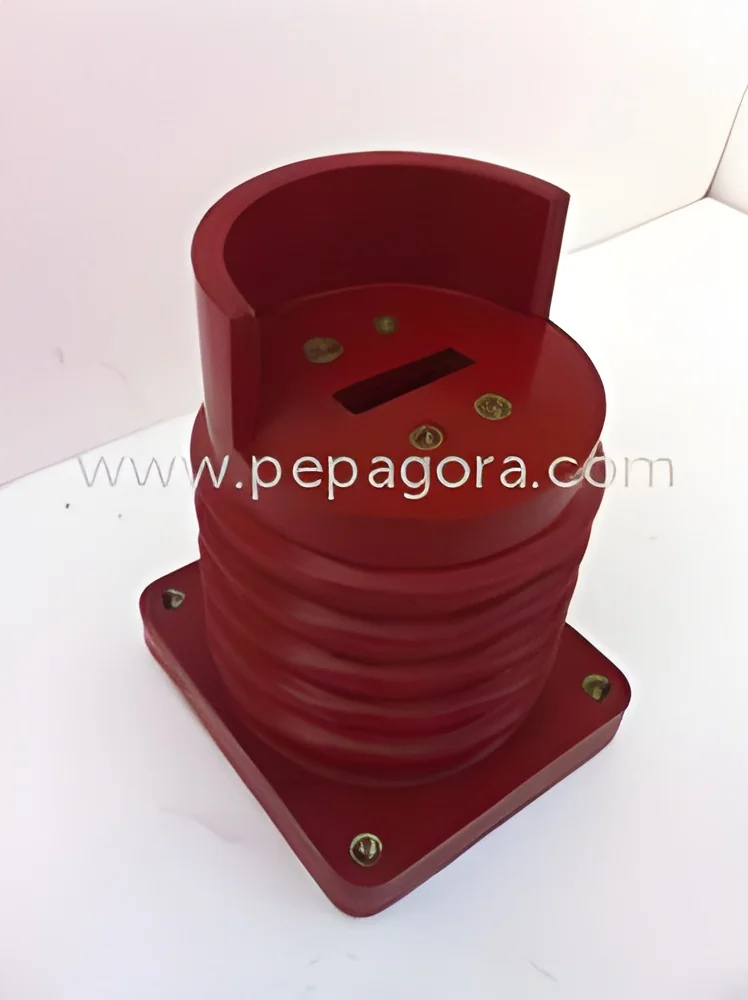
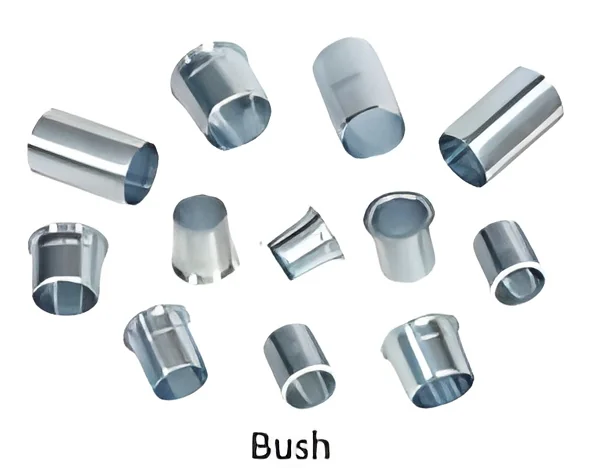
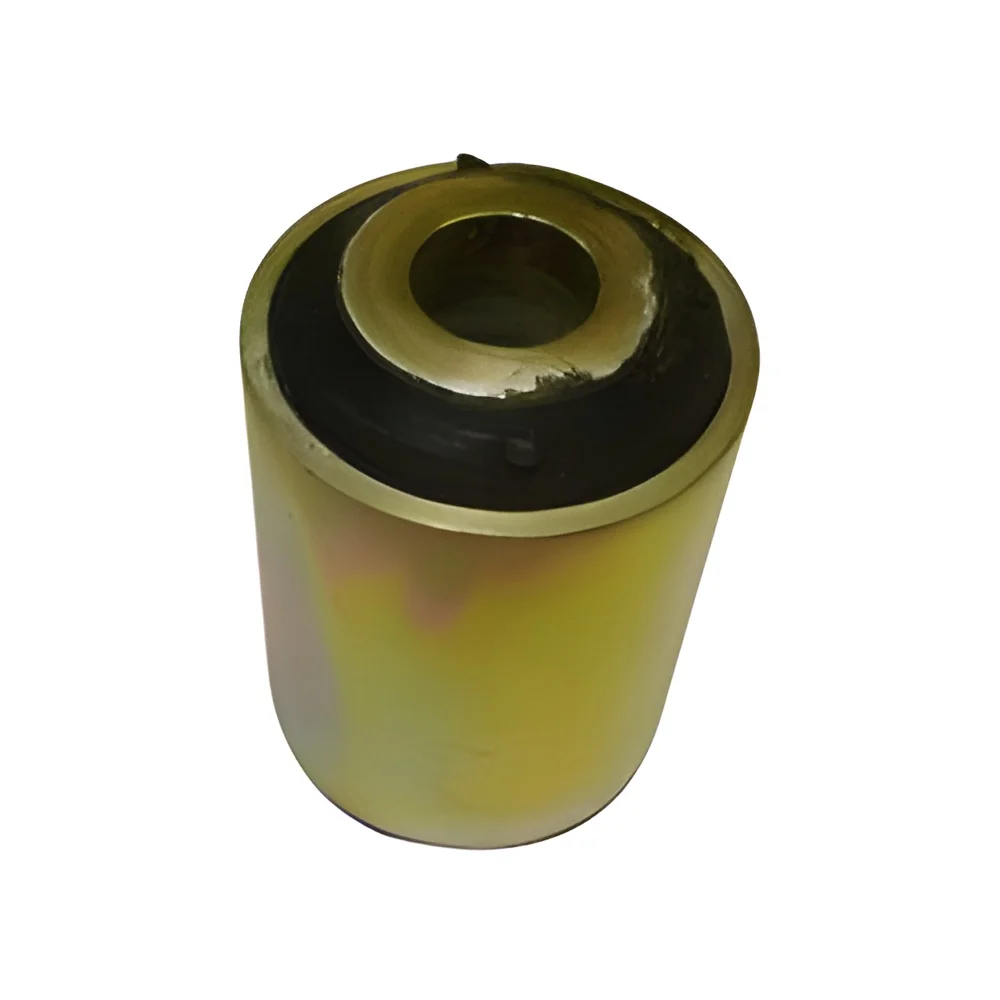
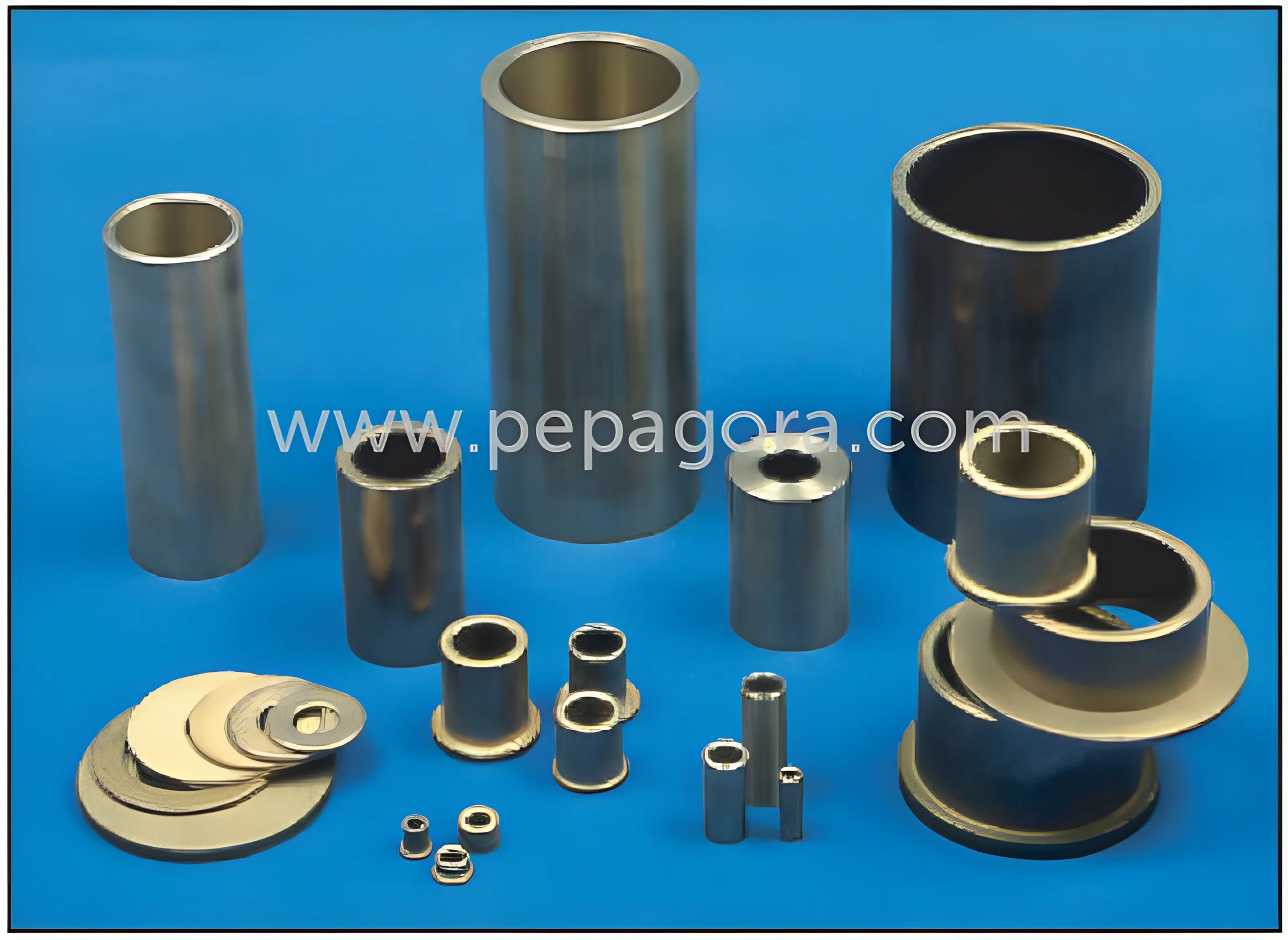
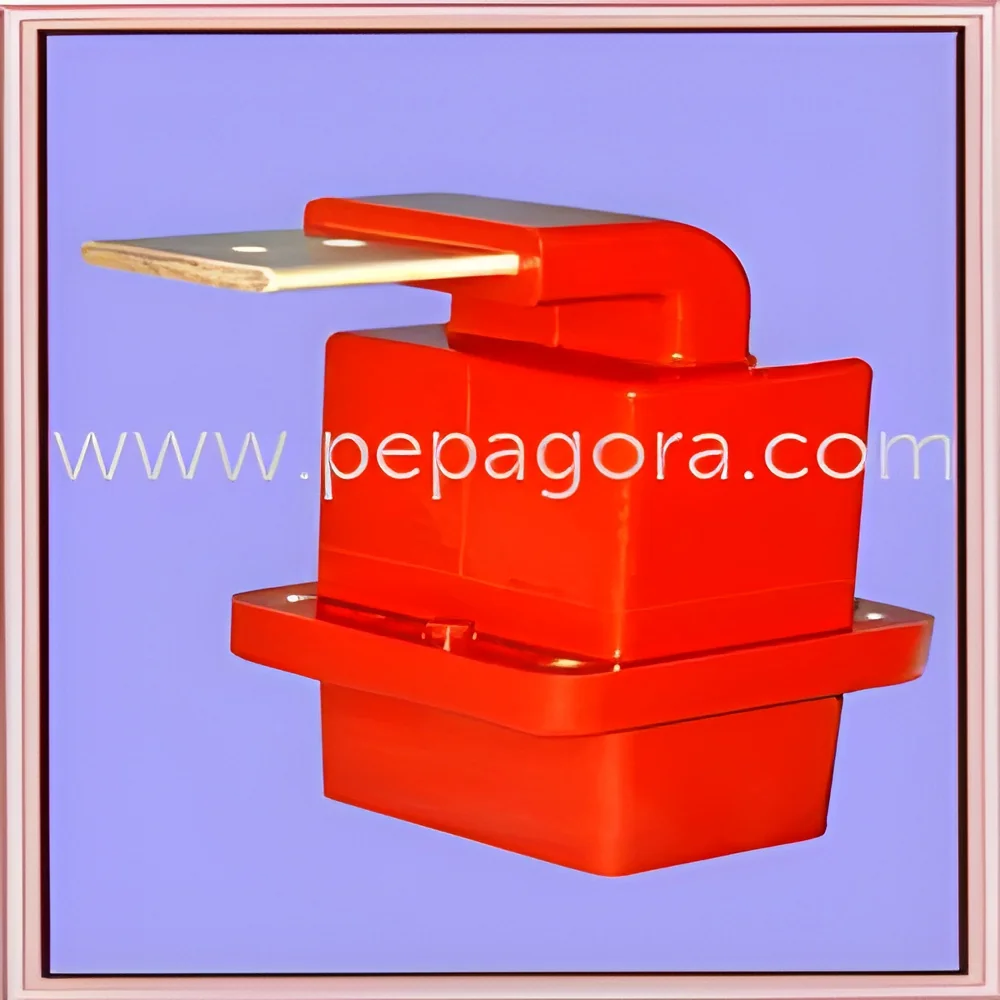
Insulators and bushings are critical components used in electrical and electronic systems to manage voltage levels and prevent electrical faults. Insulators are designed to support and separate electrical conductors, ensuring that energy is transmitted without loss or interference. Bushings, on the other hand, are specialized insulators that allow electrical conductors to pass through grounded barriers, such as transformer walls or switchgear, while maintaining electrical isolation.
These components are widely used in various sectors, including power generation, transmission, and distribution. Insulators and bushings are integral to substations, transformers, and other electrical equipment, where they help maintain operational efficiency and safety. The market for these products is expanding due to the growing demand for reliable power systems and the need to upgrade aging infrastructure.
Understanding the importance of insulators and bushings is essential in today’s energy landscape. Their role in ensuring the reliability and safety of electrical systems makes them indispensable in industrial and utility applications.
Key Features and Specifications
Insulators and bushings come with a variety of features that make them suitable for different applications. These features are tailored to meet industry standards and operational requirements. Below are some of the key specifications that define these products.
Key specifications include:
1. Material Composition
- Insulators and bushings are typically made from materials such as porcelain, glass, or polymer composites.
- These materials offer high dielectric strength and resistance to environmental factors.
2. Voltage Rating
- This specification indicates the maximum voltage the insulator or bushing can handle safely.
- Voltage ratings can vary significantly, depending on the application, ranging from low voltage to several hundred kilovolts.
3. Mechanical Strength
- Mechanical strength is crucial for ensuring that the insulator or bushing can withstand physical forces.
- Specifications often include tensile strength and impact resistance ratings.
4. Thermal Resistance
- Thermal resistance indicates how well the insulator or bushing can perform in high-temperature environments.
- This is critical in applications where heat generation is a concern.
5. Environmental Ratings
- Insulators and bushings are often rated for their performance in various environmental conditions, including humidity and temperature variations.
- Ratings can include classifications for UV exposure, moisture resistance, and pollution levels.
6. Compliance Standards
- Many insulators and bushings comply with international standards such as UL and CE.
- These certifications ensure product safety and reliability in electrical applications.
Insulators and bushings are engineered to meet rigorous standards, offering reliability and performance in diverse applications.
Common Applications and Use Cases
Insulators and bushings serve multiple industries, each with specific applications that highlight their importance.
1. Power Generation: Insulators are used in power plants to support high-voltage lines and maintain safe distances from conductive materials.
2. Transmission and Distribution: These components are essential in substations and distribution networks, helping to ensure the reliable transfer of electricity over long distances.
3. Renewable Energy: In wind and solar energy systems, insulators and bushings manage electrical connections and enhance system reliability.
4. Rail Transport: Insulators are used in overhead lines for electric trains, ensuring safe operation while preventing electrical faults.
5. Industrial Automation: In manufacturing plants, bushings are employed for electrical connections in machinery, facilitating smooth operations.
6. Telecommunications: Insulators are vital in supporting and protecting communication lines, ensuring signal integrity and minimizing interference.
7. Electric Vehicles: Insulators and bushings are increasingly used in the electrical systems of electric vehicles, enhancing their performance and safety.
The versatility of insulators and bushings makes them essential across various industries.
Product Variants and Subcategories
Insulators and bushings come in diverse variants to cater to specific needs. Each variant offers unique features suited for different applications.
Porcelain Insulators
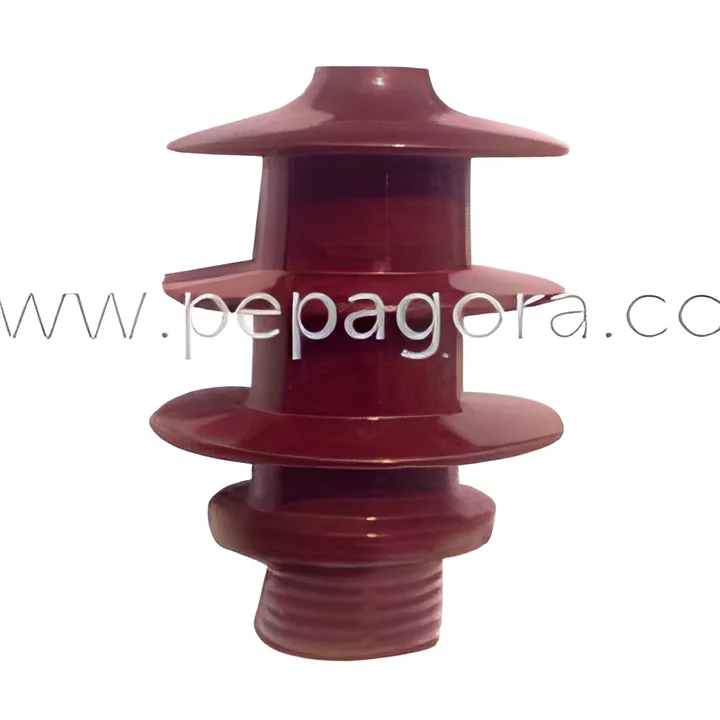
Porcelain insulators are widely recognized for their durability and high dielectric strength. They are commonly used in outdoor applications due to their resistance to environmental factors and mechanical stress.
Polymer Bushings
Polymer bushings are lightweight and resistant to moisture and pollution. They are ideal for applications where weight reduction is essential, such as in renewable energy systems.
Glass Insulators
Glass insulators provide excellent visibility of their condition and are less prone to damage from environmental factors. They are often used in high-voltage transmission lines.
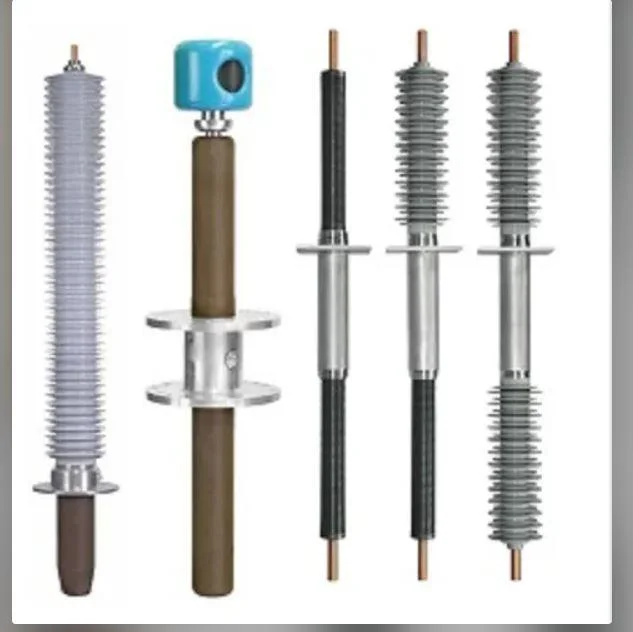
Composite Insulators
Composite insulators combine the benefits of different materials to enhance performance. They are particularly effective in areas with extreme weather conditions, offering both strength and flexibility.
Benefits and Advantages
Insulators and bushings provide numerous benefits that enhance operational efficiency and safety.
1. Enhanced Safety: These components prevent electrical faults, significantly reducing the risk of accidents in electrical systems.
2. Improved Reliability: Insulators and bushings ensure stable performance under high voltage, contributing to the overall reliability of power systems.
3. Longer Lifespan: Quality materials used in manufacturing these components enhance their durability and longevity, minimizing replacement costs.
4. Reduced Maintenance: With high resistance to environmental factors, insulators and bushings require less frequent maintenance, saving time and resources.
5. Versatile Applications: Their adaptability allows insulators and bushings to be used across various industries, fulfilling diverse operational needs.
6. Compliance with Standards: Many products come with certifications that ensure they meet industry standards, providing peace of mind to buyers.
The advantages of insulators and bushings make them a vital choice for businesses seeking reliability and safety in electrical applications.
Buying Guide for B2B Buyers
When sourcing insulators and bushings, buyers should consider several important factors to make informed decisions.
1. Quality Assessment: Ensure that the products meet industry standards and are made from high-quality materials. Look for certifications that guarantee their performance.
2. Supplier Verification: Vet suppliers to confirm their credibility and reliability. Check for reviews, past projects, and industry experience.
3. Pricing and MOQ: Understand the pricing structure and minimum order quantities. Compare quotes from multiple suppliers to get the best deal.
4. Delivery and Lead Times: Discuss logistics with suppliers to determine lead times and delivery options. Timely delivery is crucial for project planning.
5. Compliance Requirements: Be aware of any regulatory standards that the products must meet in your region. This may include safety and environmental regulations.
A thorough approach to sourcing insulators and bushings will help ensure optimal outcomes for your business needs.
Compliance and Certifications
Compliance and certification are critical when it comes to insulators and bushings. These products must adhere to various quality standards to ensure safety and performance.
Relevant quality standards include ISO 9001, which emphasizes quality management systems, and others that ensure consistent product quality throughout the manufacturing process. Certifications such as UL and CE indicate that the products meet recognized safety and performance benchmarks, which is crucial for buyer confidence.
Safety and testing requirements are also essential. Insulators and bushings undergo rigorous testing to ensure they can handle the specified electrical loads and environmental conditions. Regional compliance considerations may vary, so understanding local regulations is necessary for ensuring that products meet all legal requirements.
Overall, compliance and certifications play a vital role in the selection and application of insulators and bushings, ensuring they perform effectively and safely in their designated roles.
Why Source Insulators & Bushings from Pepagora?
Pepagora provides a trusted platform for sourcing insulators and bushings, offering several key advantages for buyers.
Verified Supplier Network: Pepagora connects buyers with a network of verified suppliers, ensuring that they receive high-quality products from reputable manufacturers. Each supplier undergoes a thorough vetting process to guarantee reliability.
Streamlined RFQ Process: The platform facilitates a straightforward request for quotation (RFQ) process, allowing buyers to easily compare prices and specifications from multiple suppliers. This efficiency helps in making informed purchasing decisions.
Trade Assurance and Support: Pepagora offers trade assurance, providing buyers with protection during transactions. The platform’s support team is available to assist with any questions or issues that may arise, ensuring a smooth purchasing experience.
Regional Coverage: With a strong presence in India, the GCC, and Southeast Asia, Pepagora provides extensive geographical coverage. This reach enables buyers to access a diverse range of suppliers and products, catering to regional market needs.
Sourcing insulators and bushings through Pepagora not only simplifies the buying process but also enhances the overall experience with added assurance and support.





Frequently Asked Questions
What are Insulators & Bushings?
Insulators & Bushings are electrical components used to support and insulate conductors in electrical systems. They prevent unwanted flow of current to the ground, ensuring safety and efficiency in electrical distribution.
What are the different types of Insulators & Bushings?
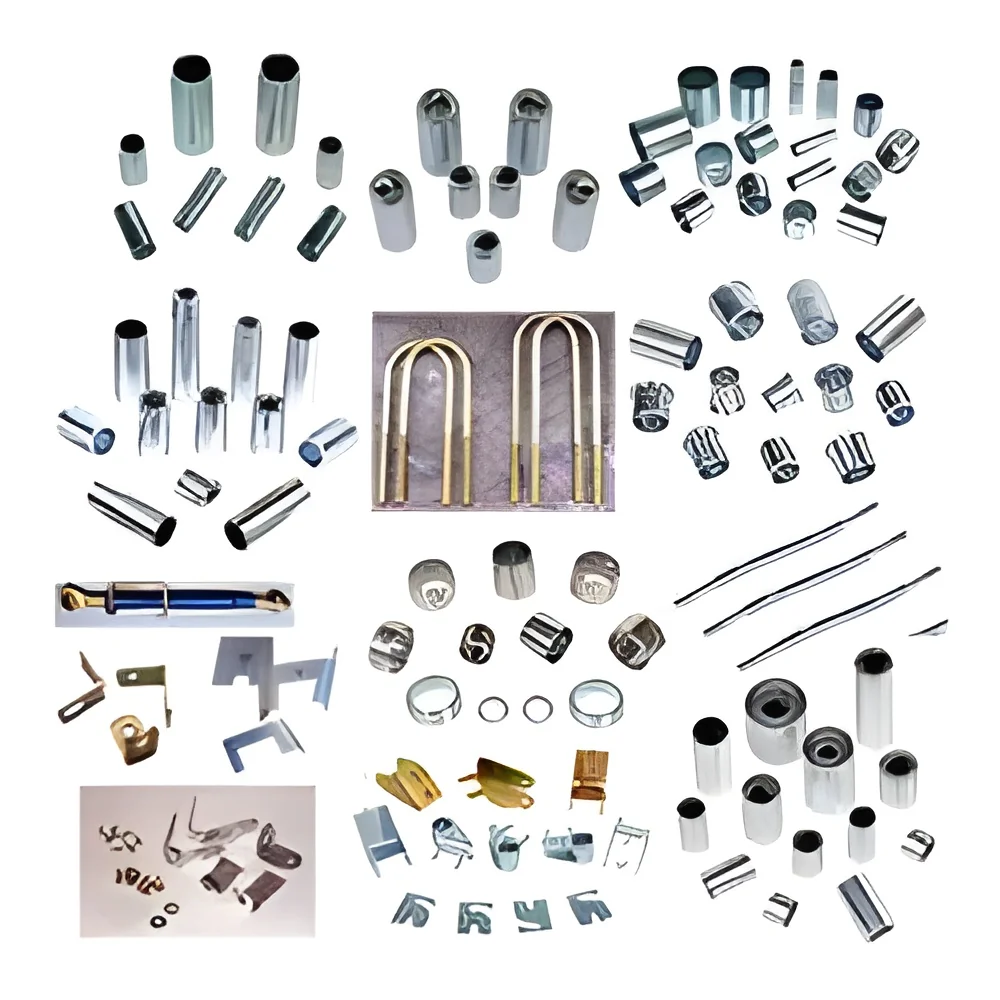
The main types of Insulators & Bushings include porcelain insulators, composite insulators, and rubber bushings. Each type serves specific applications depending on voltage levels, environmental conditions, and mechanical strength requirements.
How do I choose the right Insulators & Bushings?
Selecting the right Insulators & Bushings involves considering factors such as voltage rating, environmental conditions, mechanical load, and material compatibility. It's crucial to consult with manufacturers or suppliers to ensure that the chosen products meet your specific requirements.
What are the standard specifications for Insulators & Bushings?
Standard specifications for Insulators & Bushings typically include voltage ratings, insulator class, material type, and mechanical strength. These specifications ensure that the components can withstand operational stresses and environmental factors.
What is the price range for Insulators & Bushings?
The price range for Insulators & Bushings can vary widely based on material, type, and specifications, typically ranging from a few hundred to several thousand Indian Rupees. Bulk purchases often lead to discounts, so it's advisable to check with suppliers for exact pricing.
What quality standards apply to Insulators & Bushings?
Common quality standards for Insulators & Bushings include IS (Indian Standards), IEC (International Electrotechnical Commission), and ASTM (American Society for Testing and Materials). Compliance with these standards ensures reliability and safety in electrical applications.
Where can I find Insulators & Bushings suppliers in India?
You can find Insulators & Bushings suppliers in India through online B2B marketplaces, trade shows, or industry directories. Websites like Pepagora.com can help connect you with verified suppliers and manufacturers.
Can Insulators & Bushings be customized?
Yes, Insulators & Bushings can often be customized according to specific requirements, such as size, shape, and material. It's important to discuss your needs with manufacturers to ensure that custom solutions meet industry standards.
What is the typical minimum order quantity for Insulators & Bushings?
The typical minimum order quantity (MOQ) for Insulators & Bushings can vary by supplier, but it usually ranges from 10 to 100 units. Always confirm MOQs with suppliers to ensure they align with your purchasing needs.
What is the typical lead time for Insulators & Bushings?
The typical lead time for Insulators & Bushings can range from a few weeks to several months, depending on the supplier's inventory and production capabilities. It's advisable to inquire about lead times when placing an order to manage your project timelines effectively.
Why Businesses Trust Pepagora
Thousands of companies trust Pepagora to source smarter and sell faster
Expand Your Sales Globally

Source Smarter,Grow Faster
