IN
₹
Apparel & Fashion
Description
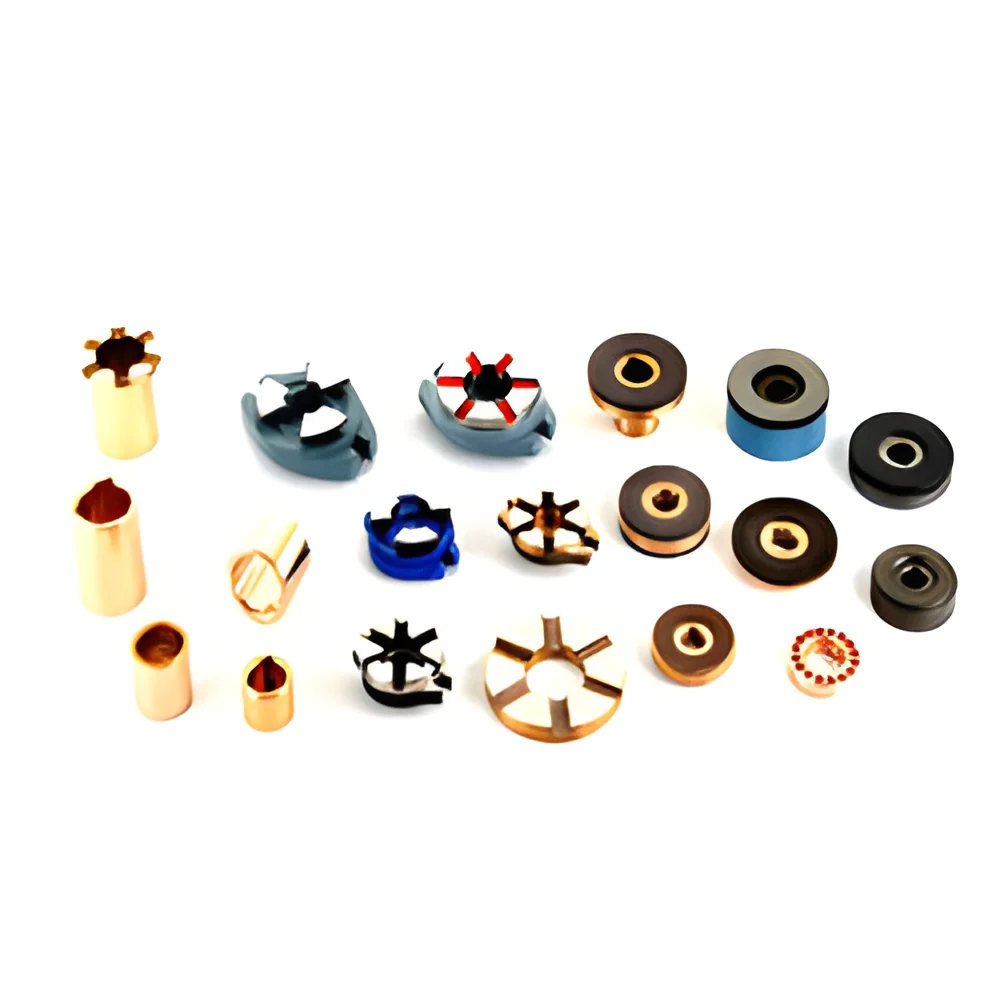
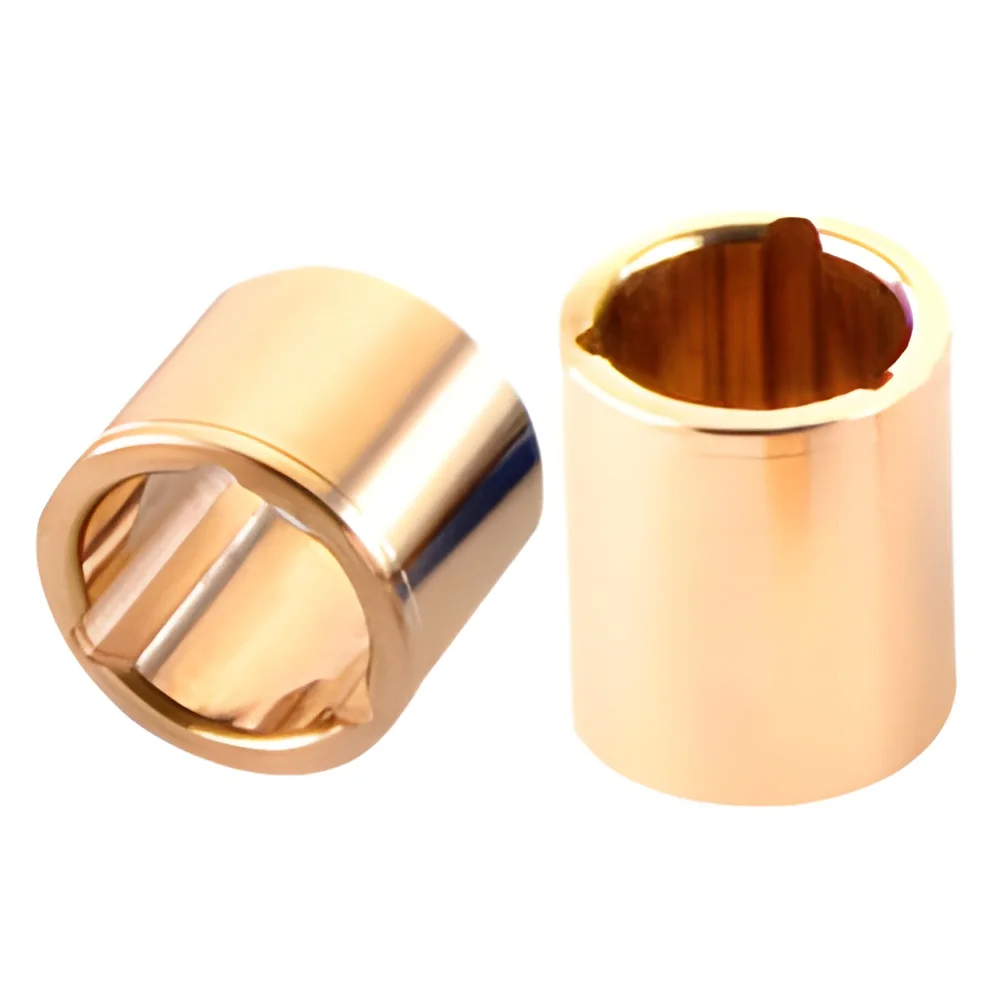
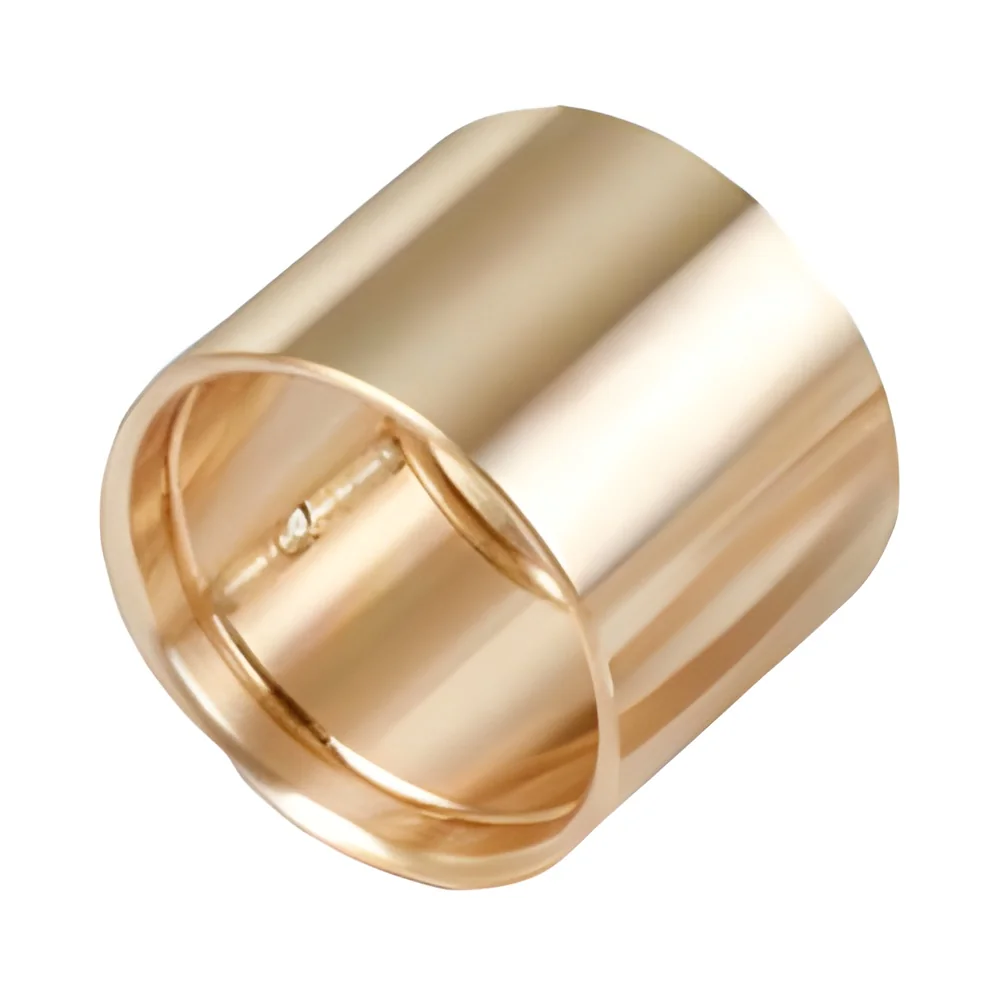
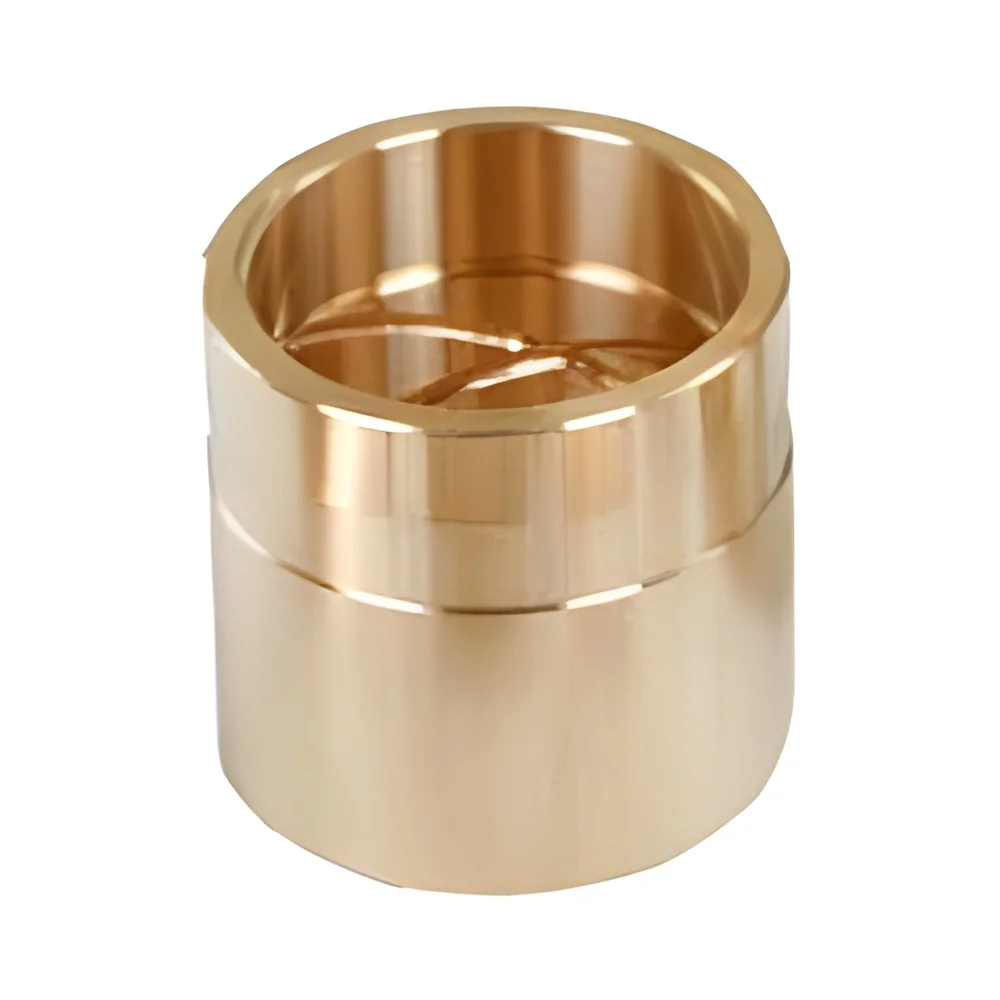
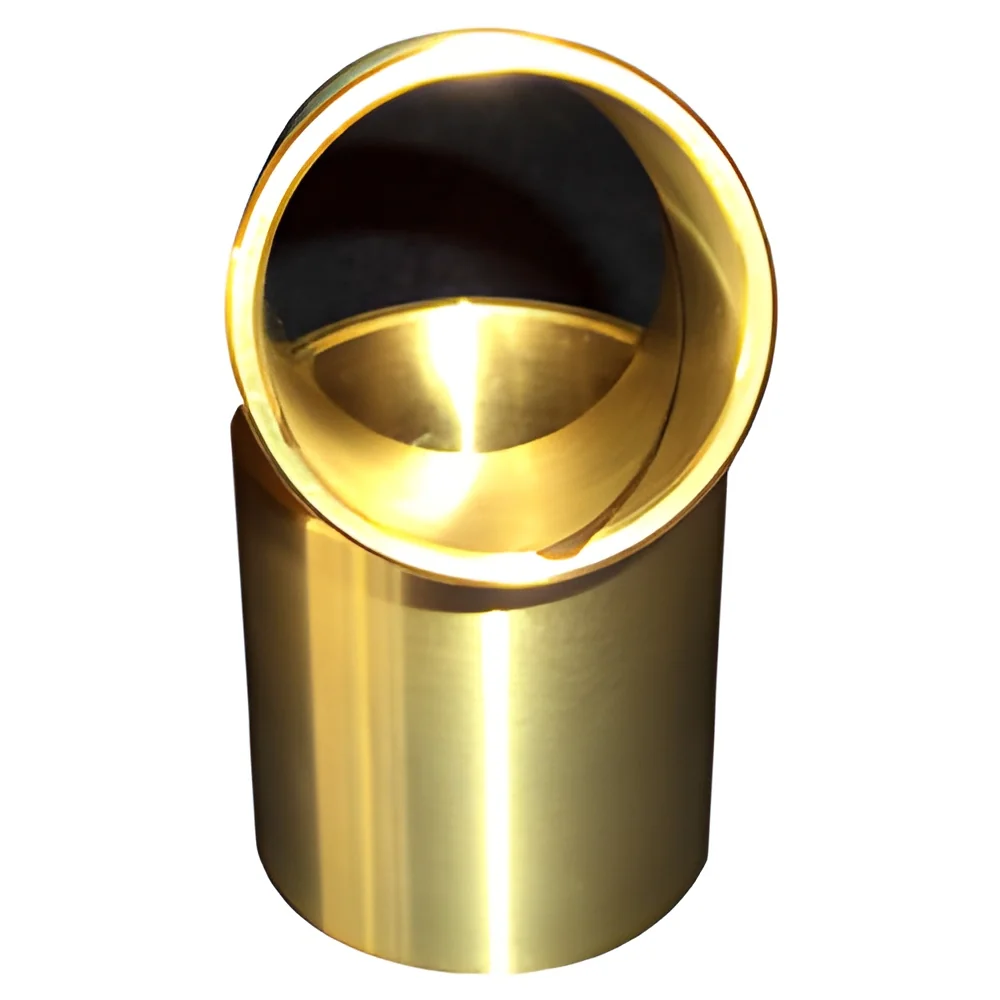
Industrial sleeve bushings, also known as plain bearings or journal bearings, are precision-engineered components designed to provide a reliable, low-friction interface between moving parts. Unlike rolling-element bearings, they offer a larger contact area, distributing loads more evenly and operating effectively in applications with oscillating or slow-rotating movements. Manufactured from high-grade materials like sintered bronze, steel-backed composites, or engineered polymers, each bushing is crafted to deliver consistent performance, reduce operational noise, and extend the service life of the machinery they are installed in. Their robust construction ensures they perform reliably under significant radial pressure, making them a preferred choice for engineers seeking durability and cost-effectiveness in demanding industrial settings.

These components are integral to the operational integrity of numerous sectors. In heavy manufacturing and processing plants, they are found in stam...
Industrial sleeve bushings, also known as plain bearings or journal bearings, are precision-engineered components designed to provide a reliable, low-friction interface between moving parts. Unlike rolling-element bearings, they offer a larger contact area, distributing loads more evenly and operating effectively in applications with oscillating or slow-rotating movements. Manufactured from high-grade materials like sintered bronze, steel-backed composites, or engineered polymers, each bushing is crafted to deliver consistent performance, reduce operational noise, and extend the service life of the machinery they are installed in. Their robust construction ensures they perform reliably under significant radial pressure, making them a preferred choice for engineers seeking durability and cost-effectiveness in demanding industrial settings.

These components are integral to the operational integrity of numerous sectors. In heavy manufacturing and processing plants, they are found in stamping presses, rolling mills, and extruders, where they withstand high loads and harsh conditions. The transportation sector relies on them for critical applications in rail bogies, marine propulsion systems, and truck suspensions. Furthermore, the renewable energy industry utilizes specialized bushings in wind turbine pitch and yaw systems, where failure is not an option. Their ability to be customized in size, material, and lubrication type allows for precise integration into OEM designs and aftermarket replacement parts, ensuring compatibility and optimal performance across diverse industrial landscapes.

The business value of sourcing high-quality industrial sleeve bushings is clear: they are a strategic investment in operational reliability and cost management. By significantly reducing friction, they lower energy consumption and heat generation, leading to direct savings on power costs. Their durability translates to fewer unplanned shutdowns, reduced spare part inventory, and lower labor costs for maintenance. For procurement specialists and plant managers, this means predictable operational budgets and enhanced asset longevity. Choosing a supplier that guarantees material consistency, dimensional accuracy, and reliable delivery schedules minimizes production risks and supports just-in-time manufacturing principles, ultimately protecting your bottom line and reputation for quality.

Key Features:
- Manufactured from premium materials including oil-impregnated bronze, steel alloys, and high-performance polymers for specific operational needs.
- Engineered to precise tolerances ensuring consistent fit, reduced vibration, and optimal load distribution in assembly.
- Designed with excellent wear resistance and low coefficient of friction to maximize component and machinery lifespan.
- Capable of handling significant static and dynamic radial loads in both rotational and oscillating applications.
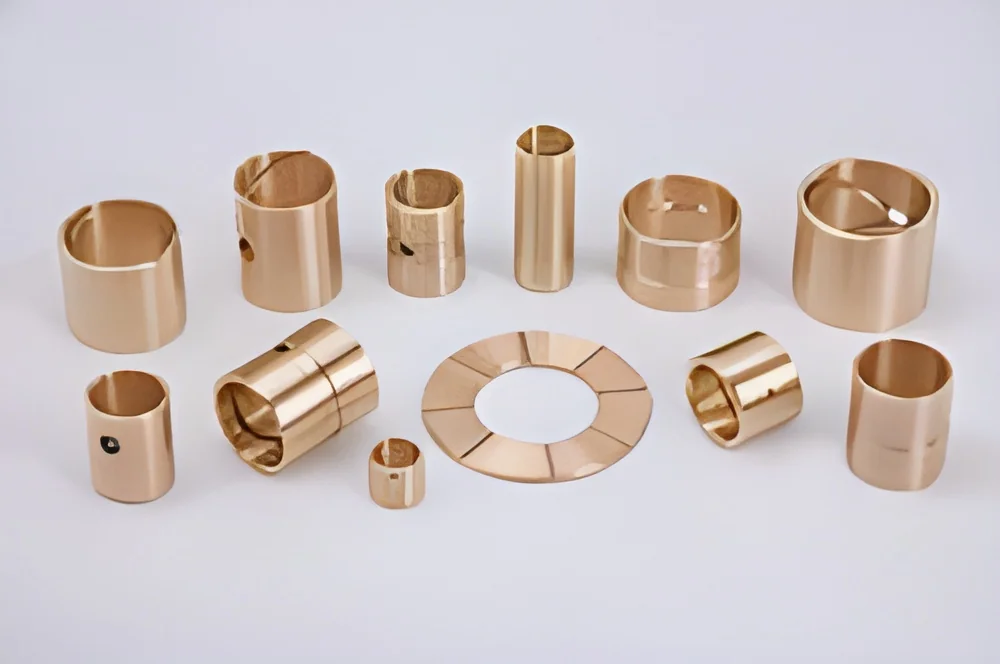
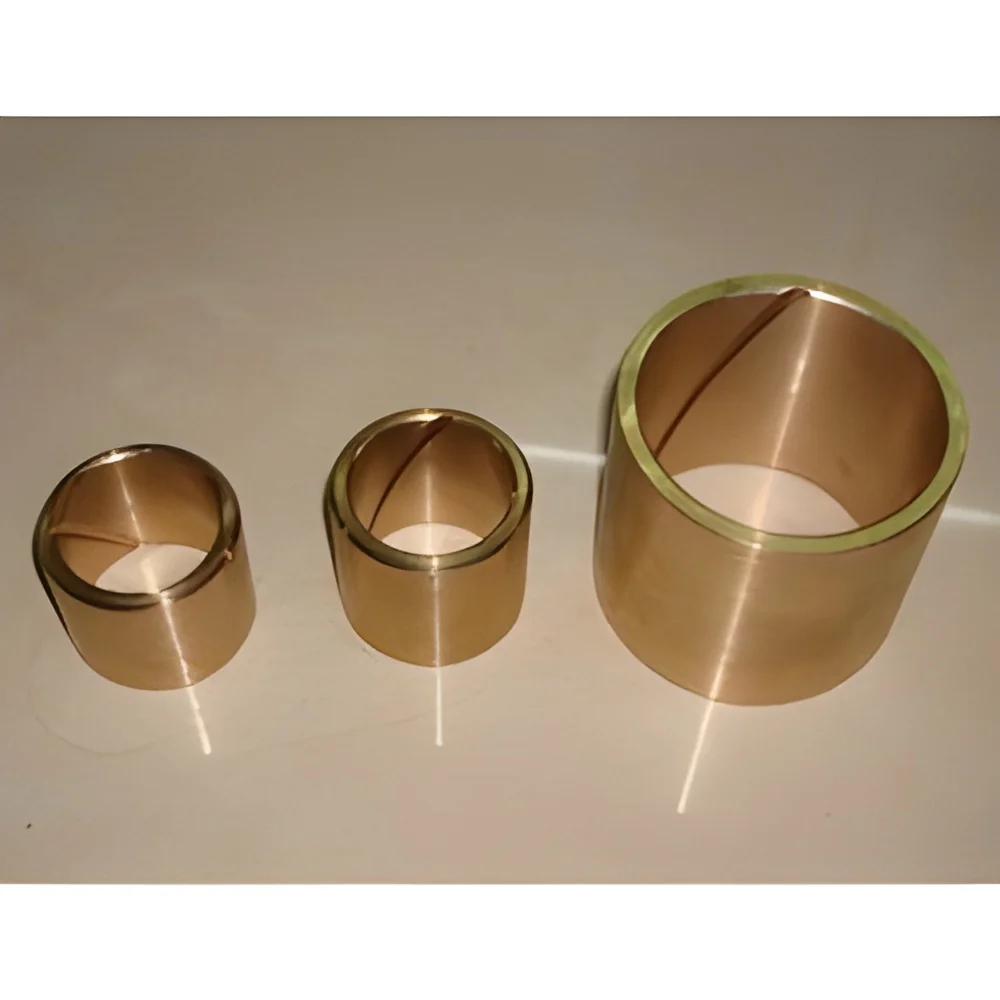
- Available in a wide range of standard and metric sizes to fit global equipment specifications and replacement part requirements.

Benefits:
- Reduces machinery downtime and maintenance frequency by providing a durable, long-lasting wear surface.
- Lowers overall operational costs through decreased energy consumption and reduced need for frequent part replacements.
- Enhances equipment performance and safety by ensuring smooth, controlled movement and reducing metal fatigue.
- Offers reliable performance in contaminated or lubricant-starved environments where other bearing types may fail.
- Provides a cost-effective solution for both original equipment manufacturing (OEM) and maintenance, repair, and operations (MRO) applications.
Specifications
| Additional Information | |
|---|---|
| Country of Origin | India |
Application
Industrial sleeve bushings are fundamental components engineered to minimize friction between rotating shafts and stationary housings. Their primary function is to absorb radial loads, reduce vibration, and prevent metal-to-metal contact, thereby protecting expensive machinery from premature wear and failure. This simple yet effective design principle is crucial for maintaining operational efficiency and reducing energy consumption across countless mechanical systems.
These versatile components are specified by engineers and maintenance teams in environments where reliability is non-negotiable. Their application is dictated by factors like load capacity, rotational speed, operating temperature, and environmental exposure. Selecting the correct bushing material and specification directly impacts machine uptime, maintenance schedules, and total operational costs, making them a critical consideration in system design and procurement.
- Automotive manufacturing for suspension linkages, steering columns, and transmission assemblies requiring smooth, quiet operation.
- Industrial machinery such as conveyor systems, pumps, compressors, and gearboxes where continuous operation demands low-maintenance components.
- Construction and agricultural equipment in pivot points, loader arms, and joint assemblies that endure heavy shock loads and contaminants.
- Material handling systems including forklifts, cranes, and automated guided vehicles (AGVs) for reliable movement under load.
- Power generation equipment in wind turbines, hydroelectric generators, and engine systems needing durable bearing surfaces.
Trade Details
| Available Stock | In Stock |
| Sample Availability | No |
Payment Terms
| Payment Terms |
|
Company Profile
Bajrang Engineering, Gujarat
 Gujarat, India
Electronics & Electrical•Manufacturer•Distributor / Wholesaler•Importer / Exporter
Factory Details
Factory SizeBelow 1000 sqm
Annual Production Capacity0
Industrial Sleeve Bushings For Friction Reduction And Durability
Industrial sleeve bushings from trusted manufacturers reduce friction and wear in machinery, offering durable components for automotive, manufacturing, and heavy equipment applications with reliable performance.
Min. Order Quantity: 1 unit
Shipping
Shipping fee and delivery date to be negotiated. Contact supplier now for more details.
Bajrang Engineering
 Gujarat, India
Electronics & ElectricalManufacturer