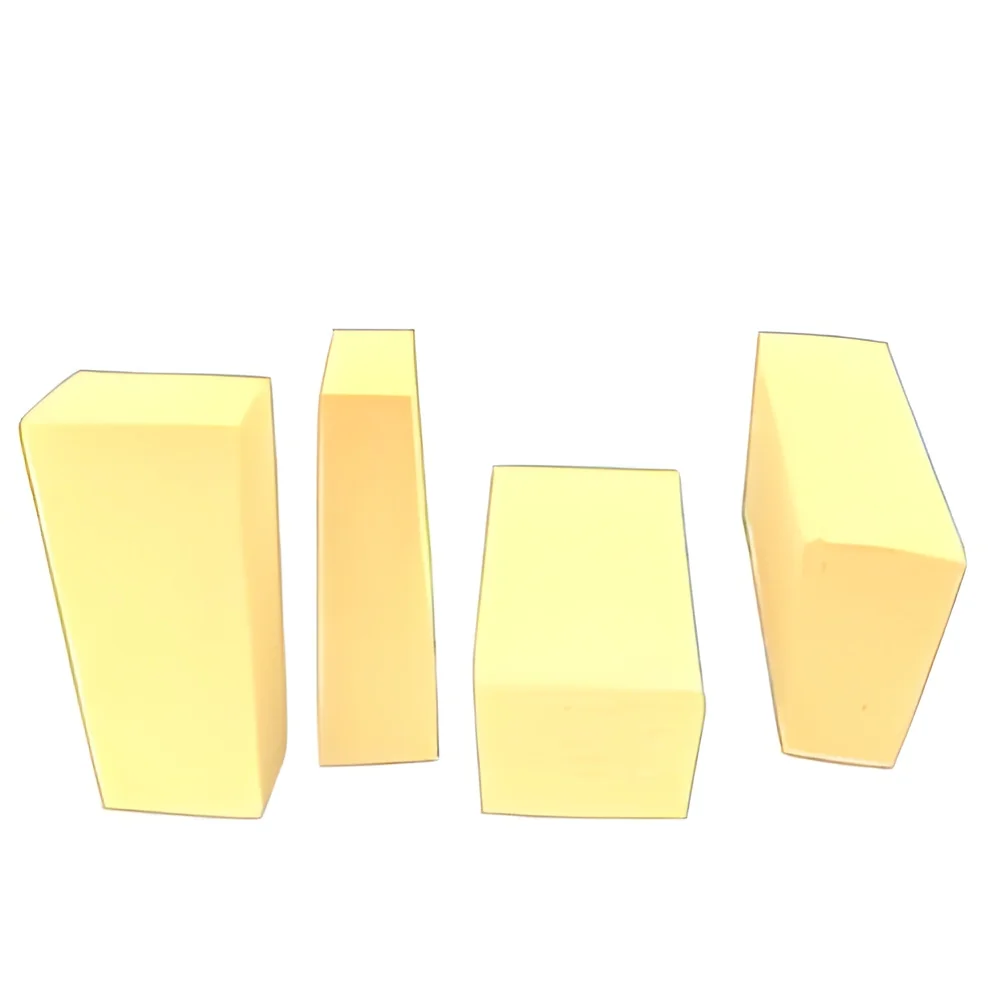
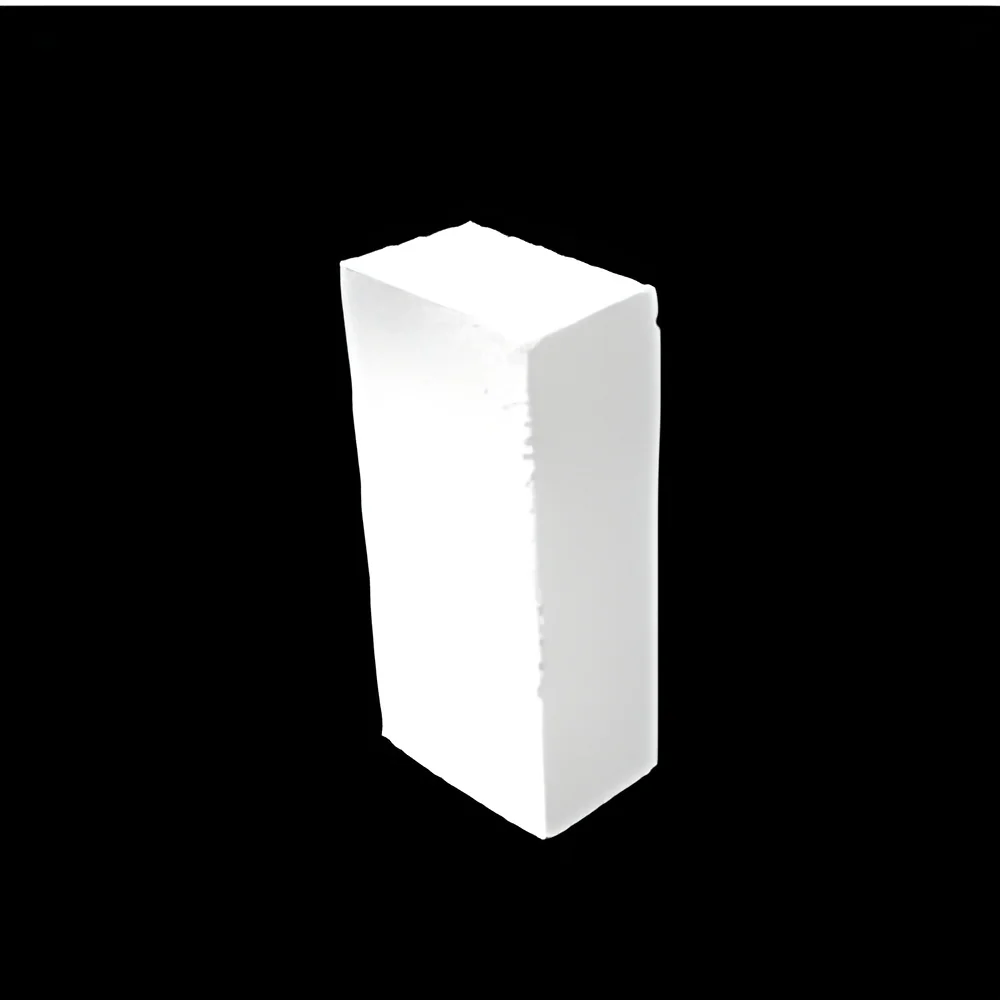
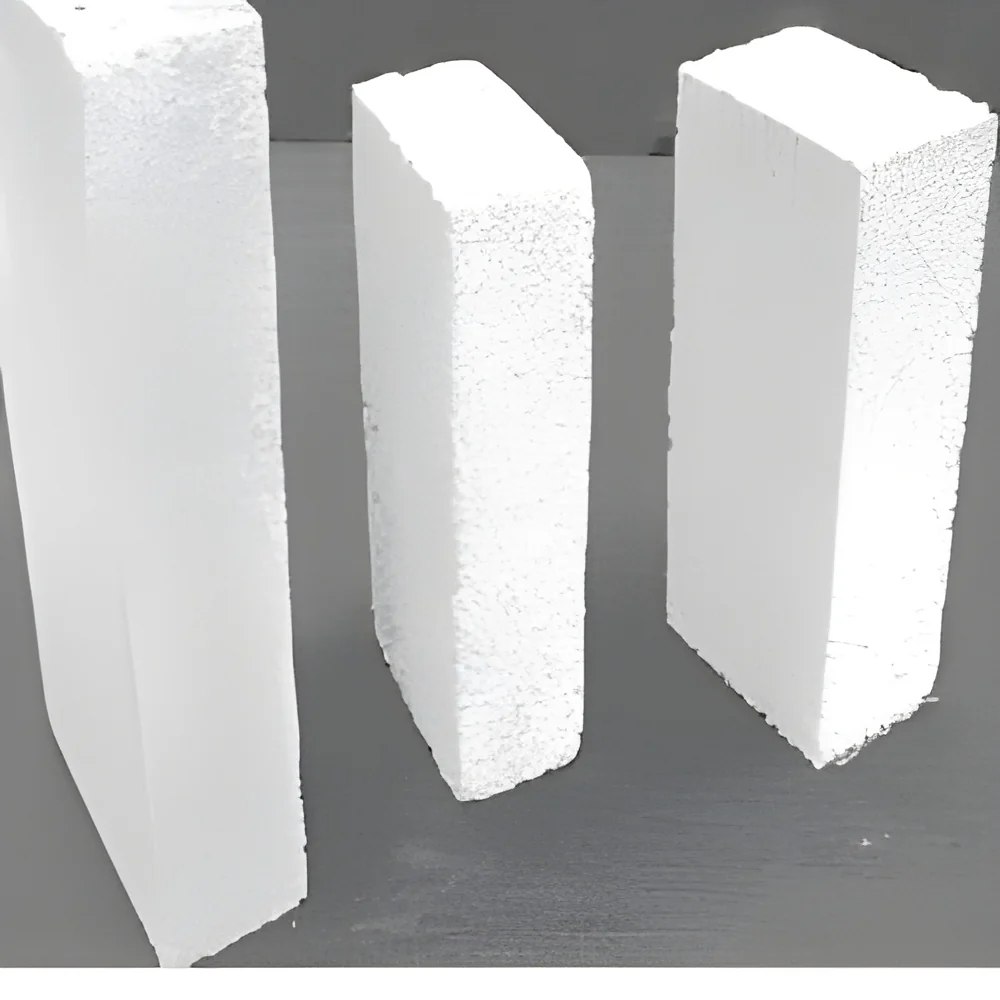
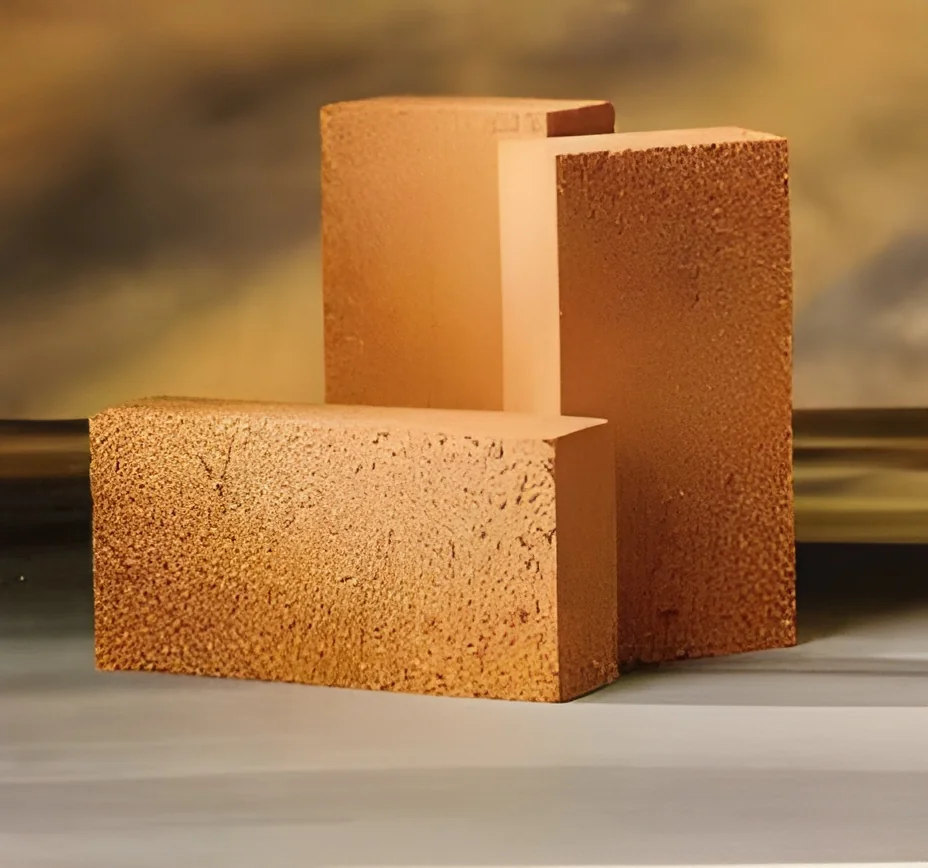
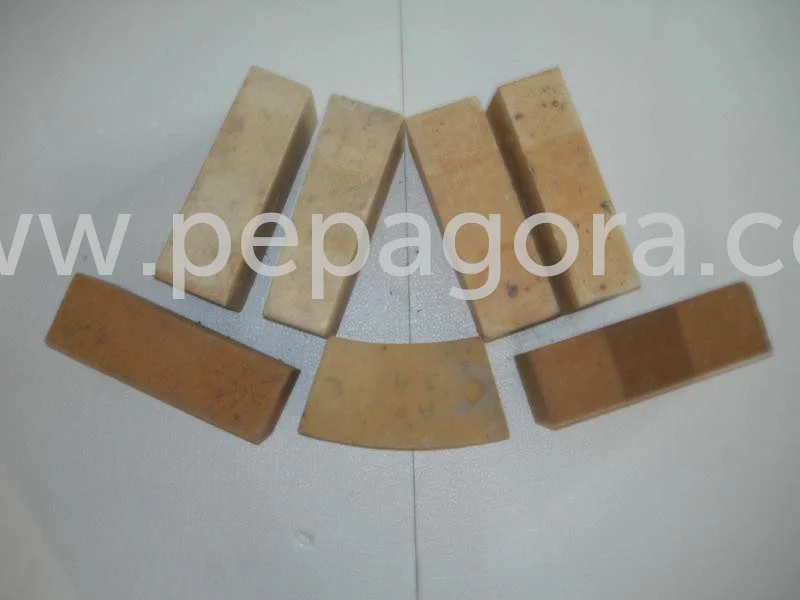
What are Insulating Bricks?
Insulating bricks are specialized building materials designed to provide thermal insulation in various industrial applications. These bricks are manufactured using lightweight materials that reduce heat transfer, making them an essential component in energy-efficient construction. Insulating bricks help maintain desired temperatures within facilities, thus optimizing energy usage and reducing operational costs.
Primarily, insulating bricks are used in the construction of kilns, furnaces, and other high-temperature environments. They play a vital role in industries such as metallurgy, ceramics, and petrochemicals, where temperature control is crucial for operational efficiency. With increasing energy costs and environmental concerns, the demand for insulating bricks has grown, driving innovation in material properties and applications.
The market for insulating bricks continues to expand as industries seek to enhance energy efficiency and sustainability. These products are relevant not only for new constructions but also for retrofitting existing structures to improve their thermal performance. The versatility and effectiveness of insulating bricks position them as a key material in modern industrial applications.
Key Features and Specifications
Insulating bricks come with several key features that make them suitable for a variety of applications. Their lightweight nature contributes to ease of handling and installation. Additionally, they exhibit excellent thermal resistance, which is crucial for maintaining temperature stability in industrial settings.
Key specifications include:
1. Thermal Conductivity
- Typically ranges from 0.1 to 0.3 W/m·K
- Indicates the brick's efficiency in insulating against heat transfer
2. Compressive Strength
- Generally falls between 5 to 15 MPa
- Essential for structural integrity in high-stress environments
3. Operating Temperature
- Can withstand temperatures up to 1200 degrees Celsius
- Suitable for high-temperature applications such as furnaces
4. Density
- Usually ranges from 600 to 1000 kg/m³
- Affects the overall weight and handling of the bricks
5. Water Absorption
- Typically less than 10%
- Important for moisture control in environments with variable humidity
6. Fire Resistance
- Rated as non-combustible
- Essential for safety in industrial applications
7. Chemical Resistance
- Resilient against various chemicals, making them suitable for harsh environments
- Protects structural integrity in chemical processing facilities
In summary, insulating bricks are engineered with specific features that cater to the demanding needs of industrial applications, ensuring they provide effective thermal insulation and durability.
Common Applications and Use Cases
Insulating bricks are widely utilized across different industries due to their unique properties. Their ability to withstand high temperatures while providing insulation makes them invaluable in various settings.
1. Metallurgy: Insulating bricks are used in foundries and steel production to line furnaces and kilns, enhancing energy efficiency and reducing heat loss.
2. Ceramics: In the ceramics industry, these bricks provide thermal insulation in kilns, ensuring uniform heat distribution for optimal firing processes.
3. Petrochemicals: Insulating bricks are employed in reactors and storage tanks to maintain thermal stability and improve energy consumption in chemical production.
4. Power Generation: Used in boiler systems and heat exchangers, insulating bricks help optimize efficiency in power plants.
5. Aerospace: In aerospace manufacturing, insulating bricks protect sensitive equipment from extreme temperatures during production processes.
6. Glass Manufacturing: Insulating bricks line glass melting furnaces, providing essential thermal protection and efficiency.
7. Food Processing: In food processing plants, these bricks help maintain temperature control in ovens and drying systems.
Product Variants and Subcategories
While specific subcategories of insulating bricks may not be available, there exist different types suited for various applications.
High-Temperature Insulating Bricks
These bricks are designed for applications requiring resistance to extreme temperatures. They are typically used in furnaces and kilns, providing excellent thermal insulation while withstanding high thermal stresses.
Lightweight Insulating Bricks
Lightweight variants are ideal for applications where weight reduction is necessary. They are easier to handle during installation and are used in structures where lower structural load is a priority.
Benefits and Advantages
Insulating bricks offer numerous benefits that make them a preferred choice in industrial applications.
1. Energy Efficiency: By minimizing heat loss, insulating bricks significantly reduce energy consumption, leading to lower operational costs.
2. Temperature Stability: They maintain consistent temperatures in high-heat environments, which is essential for process efficiency in manufacturing.
3. Lightweight: The reduced weight of insulating bricks facilitates easier handling and installation, resulting in lower labor costs.
4. Fire Safety: Non-combustible properties enhance safety in industrial settings, protecting personnel and equipment from fire hazards.
5. Durability: Insulating bricks exhibit resistance to wear and chemical exposure, extending their lifespan in harsh environments.
6. Versatility: Suitable for a wide range of industries, insulating bricks can be tailored to meet specific application requirements.
Buying Guide for B2B Buyers
When sourcing insulating bricks, it is essential for B2B buyers to consider several factors to ensure they select the right products for their needs.
1. Quality Assessment: Evaluate the quality of insulating bricks by reviewing supplier certifications and product specifications. Look for compliance with industry standards to ensure reliability.
2. Supplier Verification: Conduct due diligence on potential suppliers to verify their reputation and reliability. This may involve checking references and reviewing past projects.
3. Pricing and MOQ: Understand the pricing structure for insulating bricks, including any minimum order quantities. Compare different suppliers to find competitive pricing without compromising quality.
4. Delivery and Lead Times: Confirm delivery schedules and lead times with suppliers to ensure timely project completion. Assess logistics capabilities to avoid potential delays.
5. Compliance Requirements: Ensure that the insulating bricks adhere to relevant regulatory and compliance standards specific to your industry and region.
Compliance and Certifications
Insulating bricks must meet various compliance and certification standards to ensure their quality and safety. Common quality standards include ISO 9001, which focuses on quality management systems, ensuring consistent product quality.
Industry certifications such as UL and CE provide assurance that the bricks meet safety and performance standards. These certifications indicate that the products have been tested and validated for their intended use.
Safety and testing requirements are critical in the production of insulating bricks. Manufacturers must adhere to regional compliance considerations, which may vary depending on local regulations and industry practices.
Why Source Insulating Bricks from Pepagora?
Pepagora offers an efficient platform for sourcing insulating bricks, providing several key advantages for B2B buyers.
Verified Supplier Network: Pepagora collaborates with a network of verified suppliers who meet stringent quality and performance criteria. This ensures that buyers receive reliable products.
Streamlined RFQ Process: The platform facilitates a straightforward request for quotation process, allowing buyers to compare offers quickly and efficiently.
Trade Assurance and Support: Buyers can benefit from trade assurance policies that protect their purchases. Pepagora provides support throughout the transaction, ensuring a smooth ordering experience.
Regional Coverage: With a strong presence in India, the GCC, and Southeast Asia, Pepagora enables buyers to access insulating bricks tailored to their regional needs. This geographic reach helps facilitate timely deliveries and localized support.
In conclusion, Pepagora is a trusted resource for sourcing insulating bricks, offering quality products and support to meet the diverse needs of industrial buyers.

 IN
IN
 India
India