IN
IN₹
Apparel & Fashion
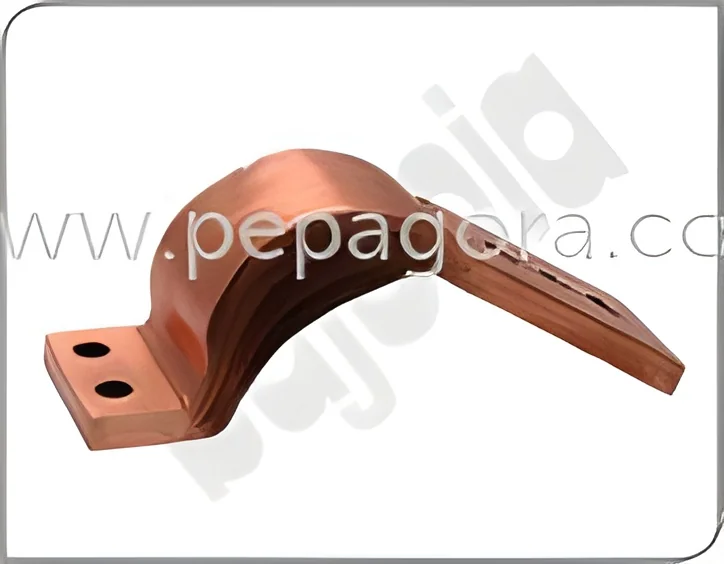
Description
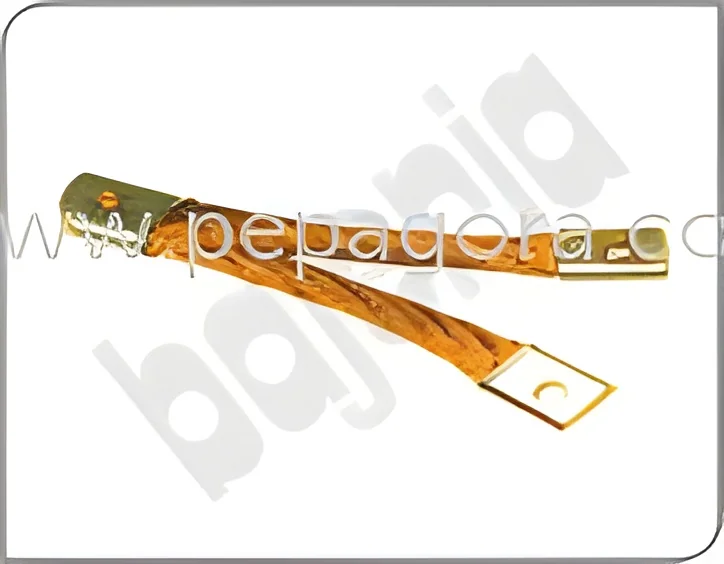
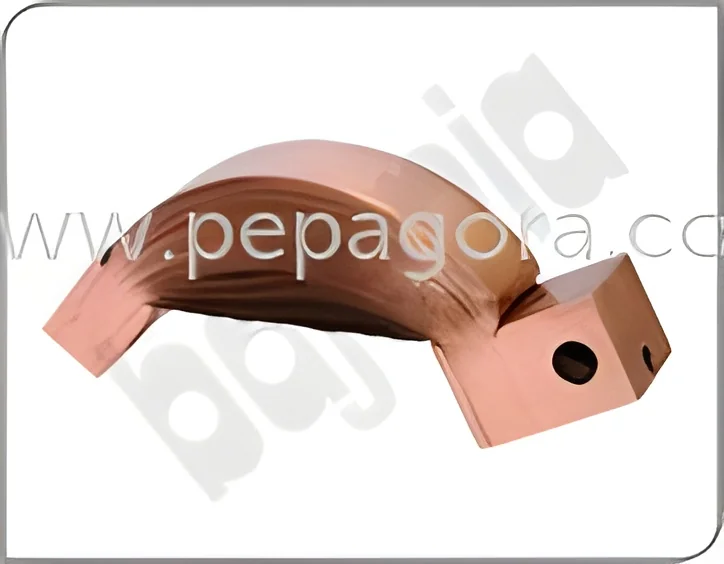
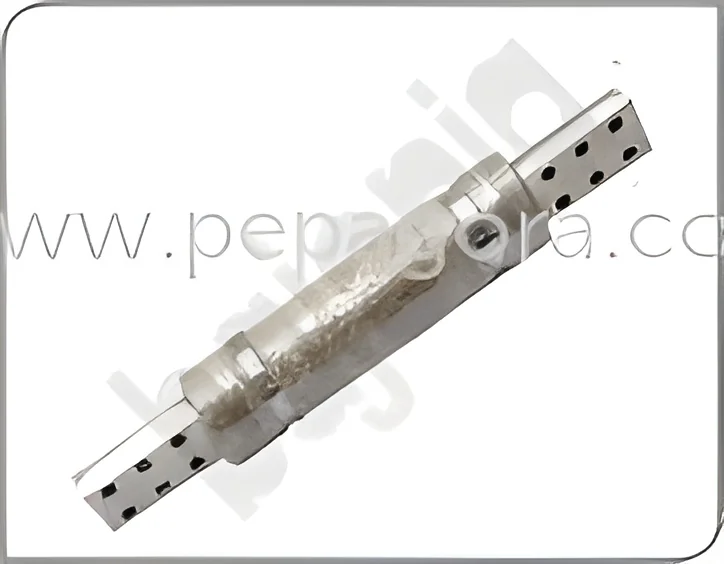
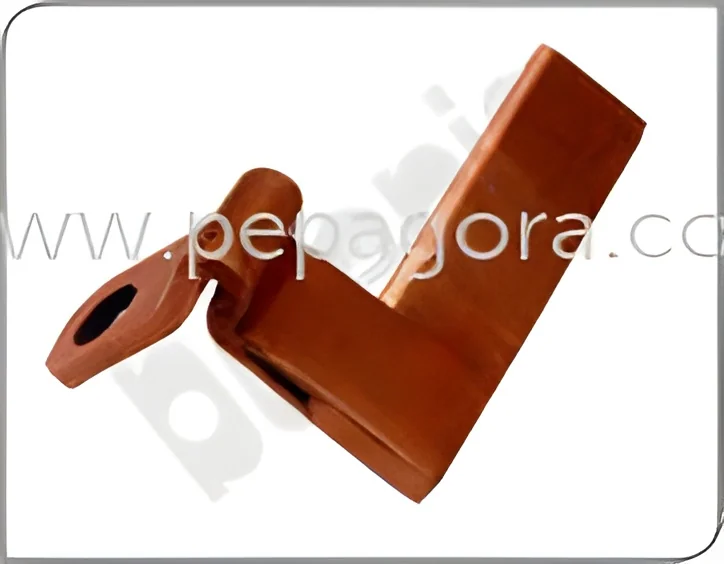
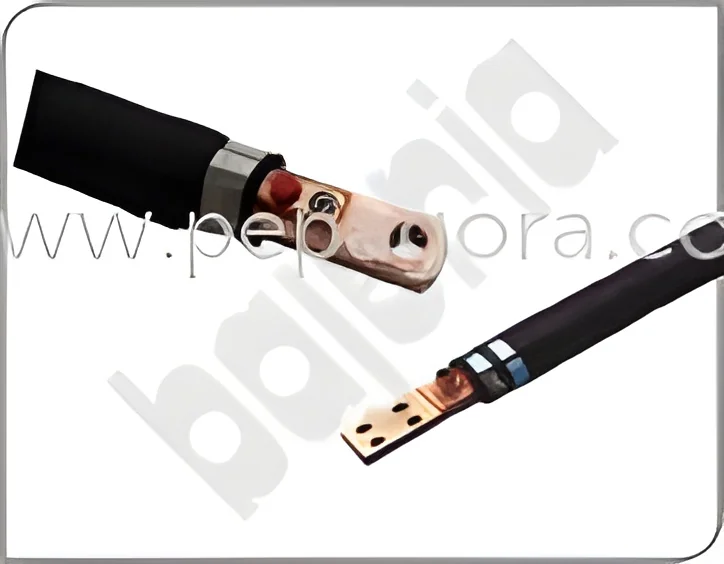
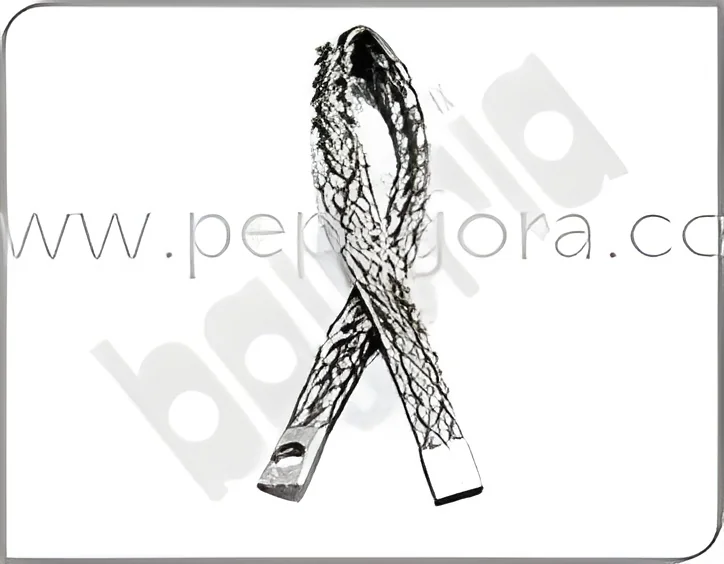
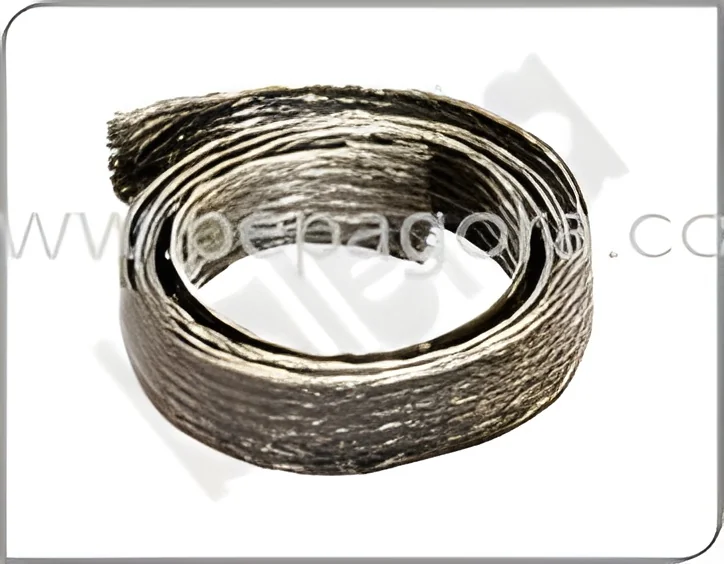
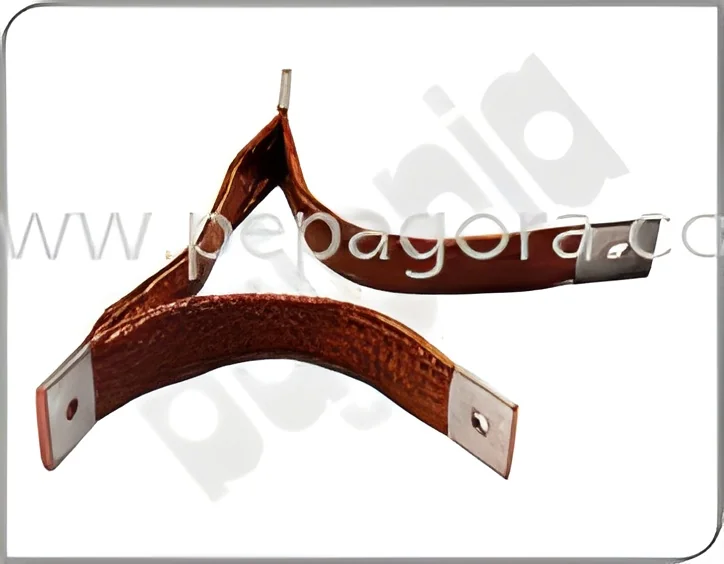
Our Industrial Electrical Aluminium Laminated Flexible Connectors are precision-engineered components designed for superior performance in critical power distribution networks. Utilizing advanced hot press welding technology, these connectors achieve metal diffusion bonding that eliminates traditional weaknesses associated with mechanical fasteners or soldering. This manufacturing process ensures exceptionally low electrical resistance, minimal power loss, and optimal energy efficiency. The laminated aluminium construction provides outstanding flexibility while maintaining structural integrity, allowing for absorption of thermal expansion and vibration without compromising electrical conductivity. These connectors deliver reliable, maintenance-free performance in the most challenging electrical environments where connection failure is not an option.

These flexible connectors serve indispensable roles across industries where electrical reliability directly impacts operational continuit...
Our Industrial Electrical Aluminium Laminated Flexible Connectors are precision-engineered components designed for superior performance in critical power distribution networks. Utilizing advanced hot press welding technology, these connectors achieve metal diffusion bonding that eliminates traditional weaknesses associated with mechanical fasteners or soldering. This manufacturing process ensures exceptionally low electrical resistance, minimal power loss, and optimal energy efficiency. The laminated aluminium construction provides outstanding flexibility while maintaining structural integrity, allowing for absorption of thermal expansion and vibration without compromising electrical conductivity. These connectors deliver reliable, maintenance-free performance in the most challenging electrical environments where connection failure is not an option.

These flexible connectors serve indispensable roles across industries where electrical reliability directly impacts operational continuity and safety. In power generation and transmission, they create secure connections between transformers, switchgear, and busbars within substations and power plants. Manufacturing facilities utilize them for distributing power to heavy machinery, CNC equipment, and production lines. The renewable energy sector depends on them for solar panel arrays and wind turbine connections, while transportation infrastructure relies on them for railway electrification systems and mass transit power distribution. Their corrosion-resistant aluminium construction ensures suitability for both indoor electrical rooms and outdoor installations exposed to environmental elements.

The business value of these aluminium laminated flexible connectors extends beyond technical specifications to deliver measurable operational advantages. Their reduced electrical resistance translates directly into energy cost savings through minimized power loss. The hot press welded construction ensures exceptional reliability, significantly reducing downtime risks in critical operations. Their maintenance-free design lowers total cost of ownership by eliminating periodic tightening or replacement needs. The robust construction withstands continuous thermal cycling and mechanical stress, while the flexible design prevents stress fractures in connected equipment. These connectors represent a strategic investment in electrical infrastructure that delivers returns through improved system efficiency, reduced maintenance costs, and enhanced operational reliability.

Key Features:
- Hot press welded construction using metal diffusion bonding technology
- Low electrical resistance design for minimal power loss and heat generation
- Flexible laminated aluminium structure accommodating movement and vibration
- Corrosion-resistant aluminium material suitable for various environments
- Maintenance-free operation with no required periodic tightening

Benefits:
- Reduced energy costs through minimized electrical resistance and power loss
- Enhanced system reliability with consistent performance in demanding conditions
- Lower maintenance requirements with no periodic tightening or adjustments
- Extended equipment lifespan by preventing stress on connected components
- Improved safety through reliable connections that reduce overheating risks
Specifications
| Additional Information | |
|---|---|
| Country of Origin | India |
Application
These aluminium laminated flexible connectors are engineered for electrical systems where reliable current flow and physical flexibility are essential. Their design handles high electrical loads while accommodating thermal expansion, vibration, and movement in demanding industrial environments, ensuring consistent connectivity where rigid connections would fail.
Specifically built for heavy-duty applications, these hot press welded connectors provide maintenance-free operation in critical power infrastructure. They are ideal for use in switchgear assemblies, transformer connections, busbar systems, and power distribution units where long-term reliability under thermal and mechanical stress is a primary requirement.
- Electrical substations for connecting transformers to busbars and circuit breakers
- Power generation plants for secure turbine and generator electrical connections
- Industrial manufacturing facilities for power distribution to heavy machinery
- Renewable energy installations in solar farms and wind power systems
- Railway and mass transit electrification for overhead lines and substations
Trade Details
| Available Stock | In Stock |
| Sample Availability | No |
Payment Terms
| Payment Terms |
|
Company Profile
Bajeria Industries, Maharashtra
 Maharashtra, India
Maharashtra, IndiaElectronics & Electrical•Manufacturer•Importer / Exporter
Factory Details
Factory SizeBelow 1000 sqm
Annual Production Capacity0
Industrial Electrical Aluminium Laminated Flexible Connectors Hot Press Welded
Industrial Electrical Aluminium Laminated Flexible Connectors feature hot press welded construction for low resistance and reliable performance in demanding power distribution systems, switchgear, and transformer applications.
Min. Order Quantity: 1 unit
Shipping
Shipping fee and delivery date to be negotiated. Contact supplier now for more details.
Bajeria Industries
 Maharashtra, India
Maharashtra, IndiaElectronics & ElectricalManufacturer