IN
IN₹
Apparel & Fashion
Description
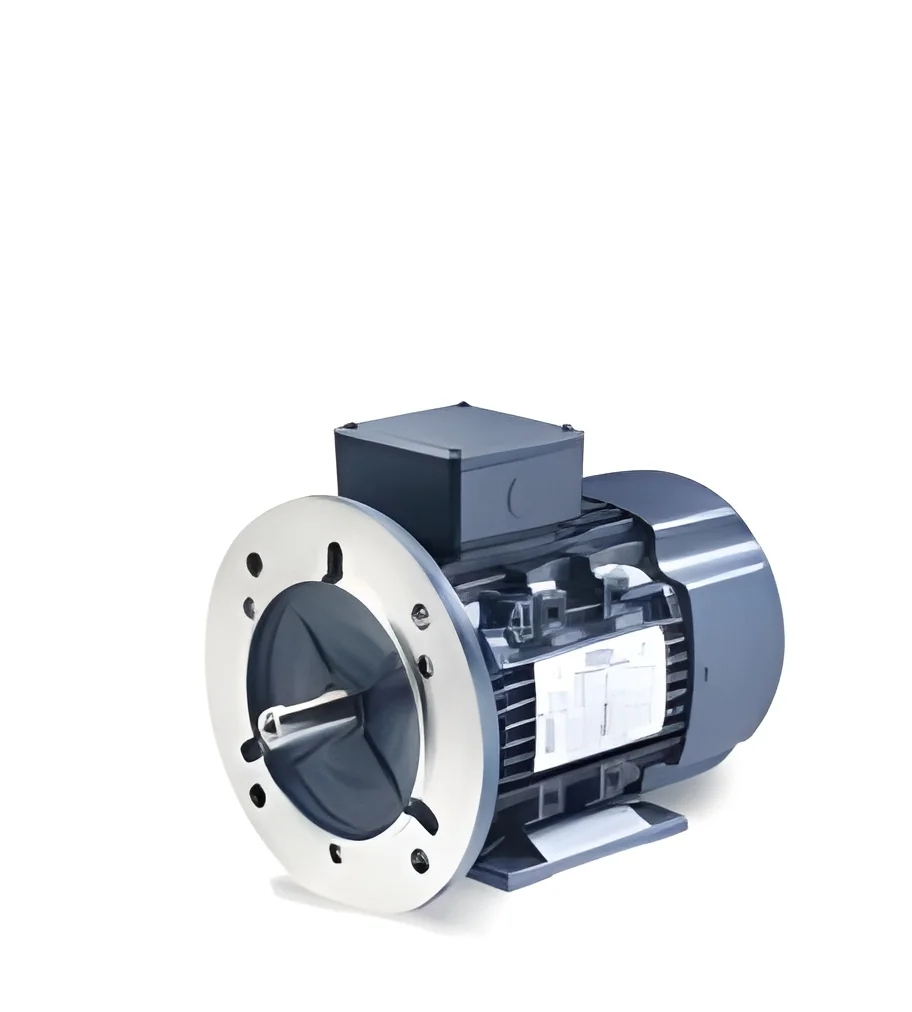
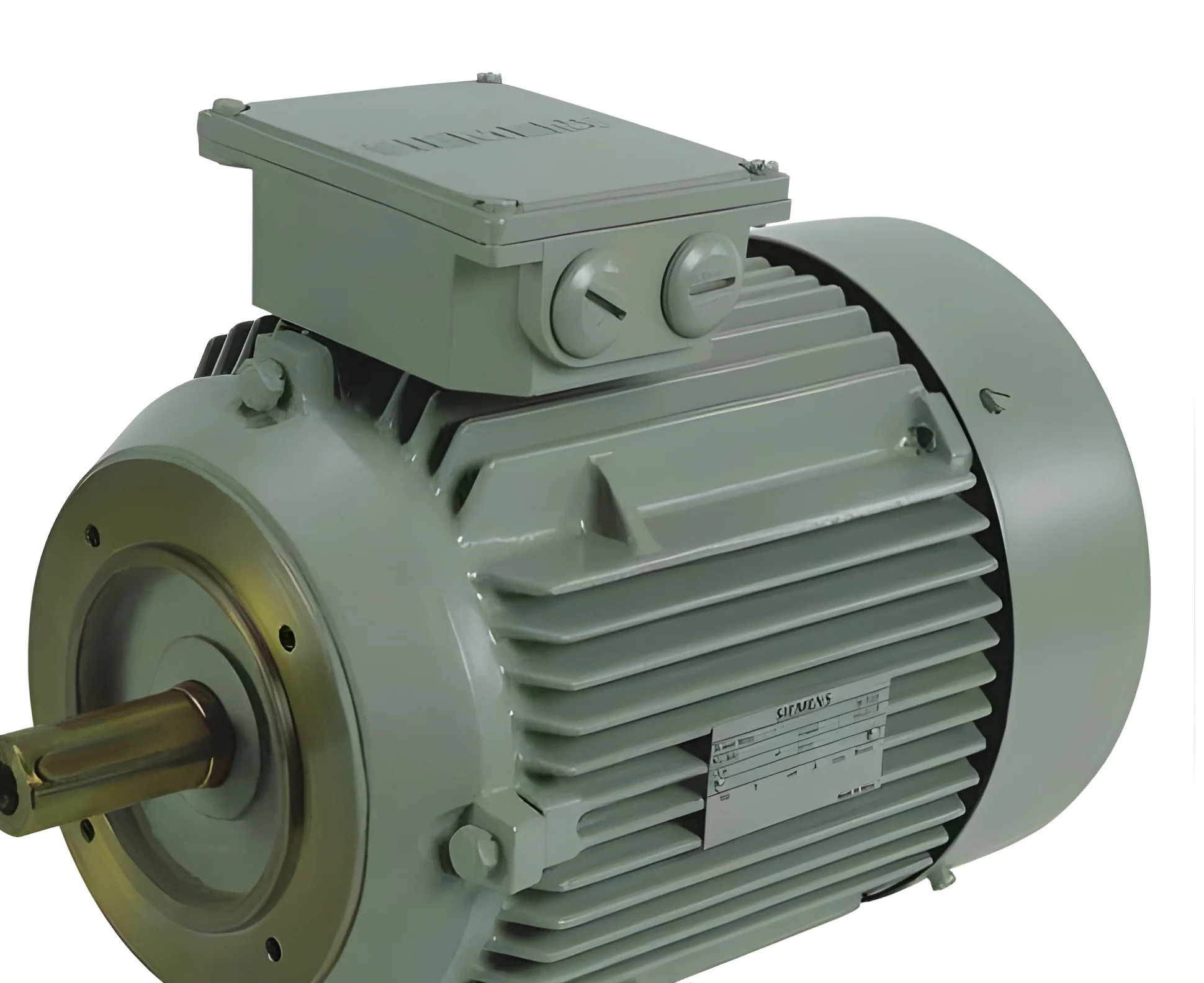
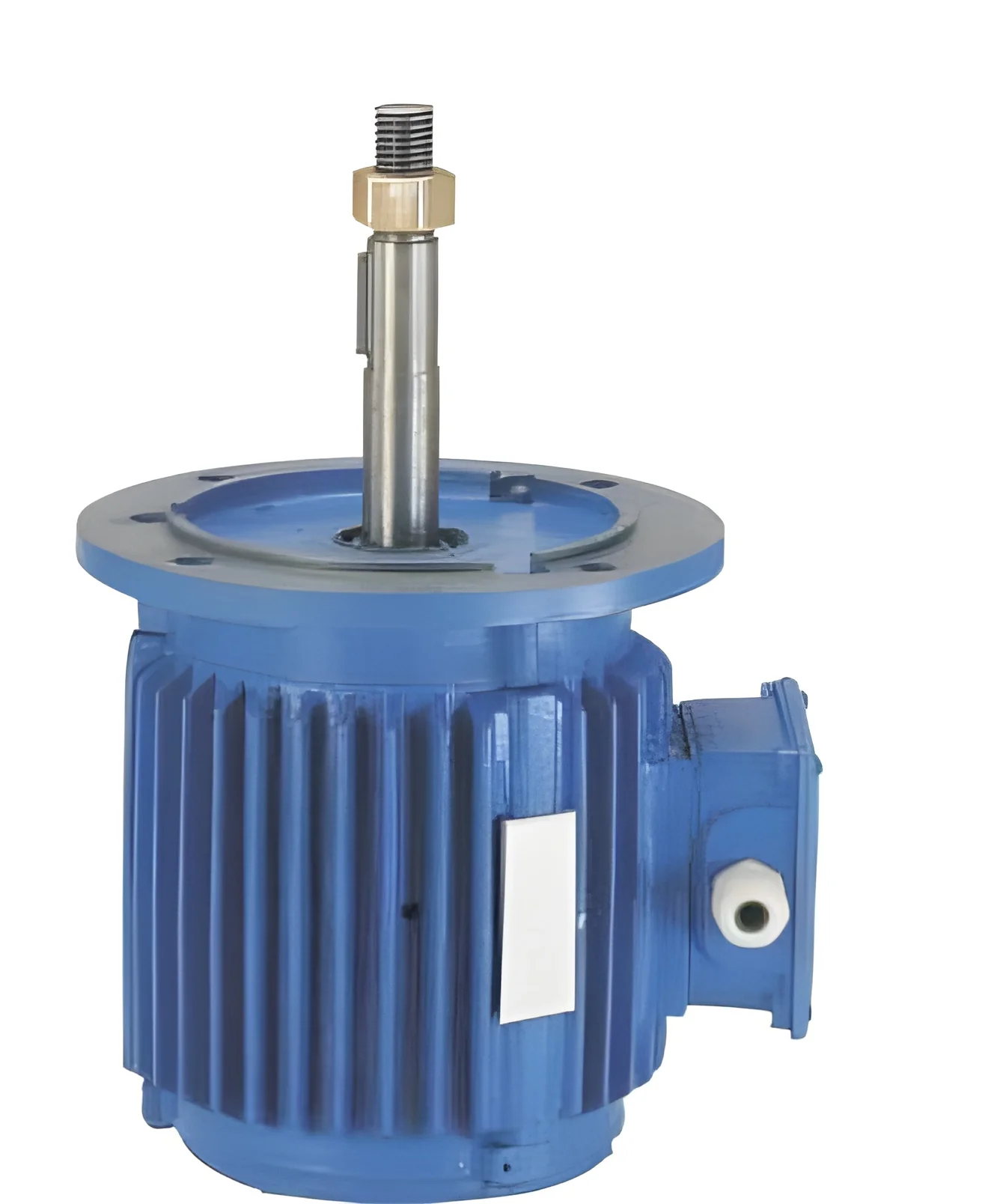
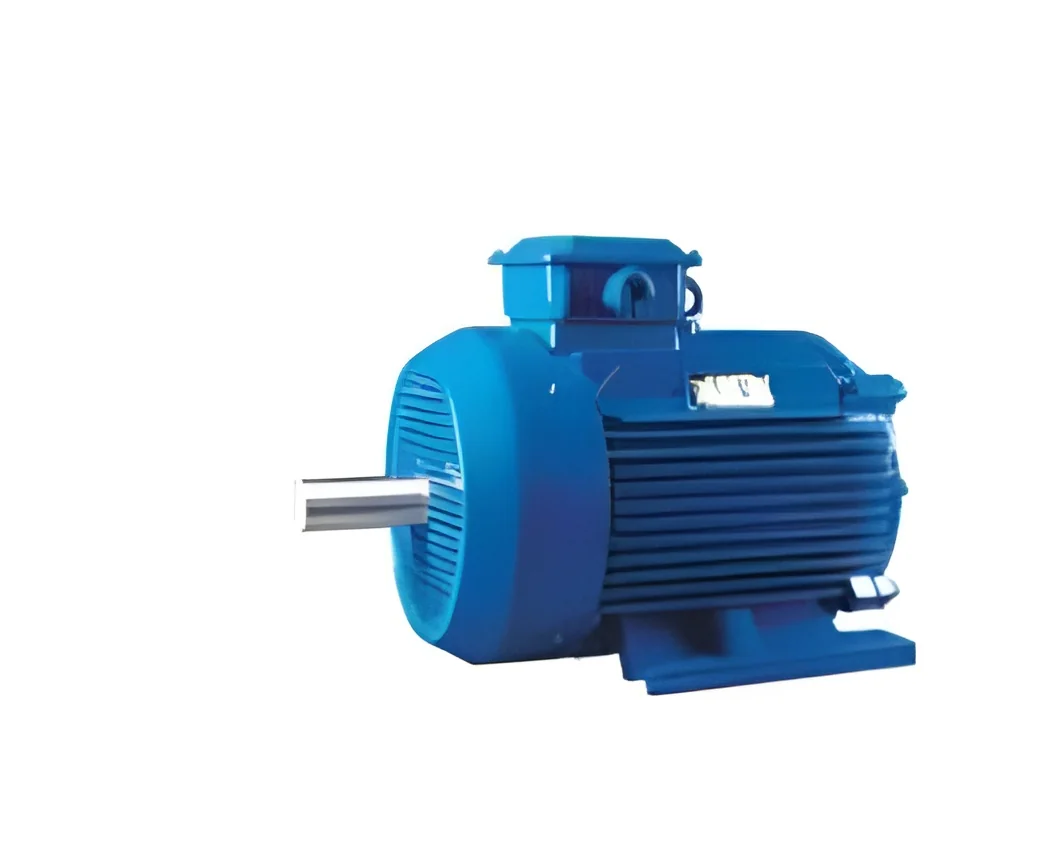
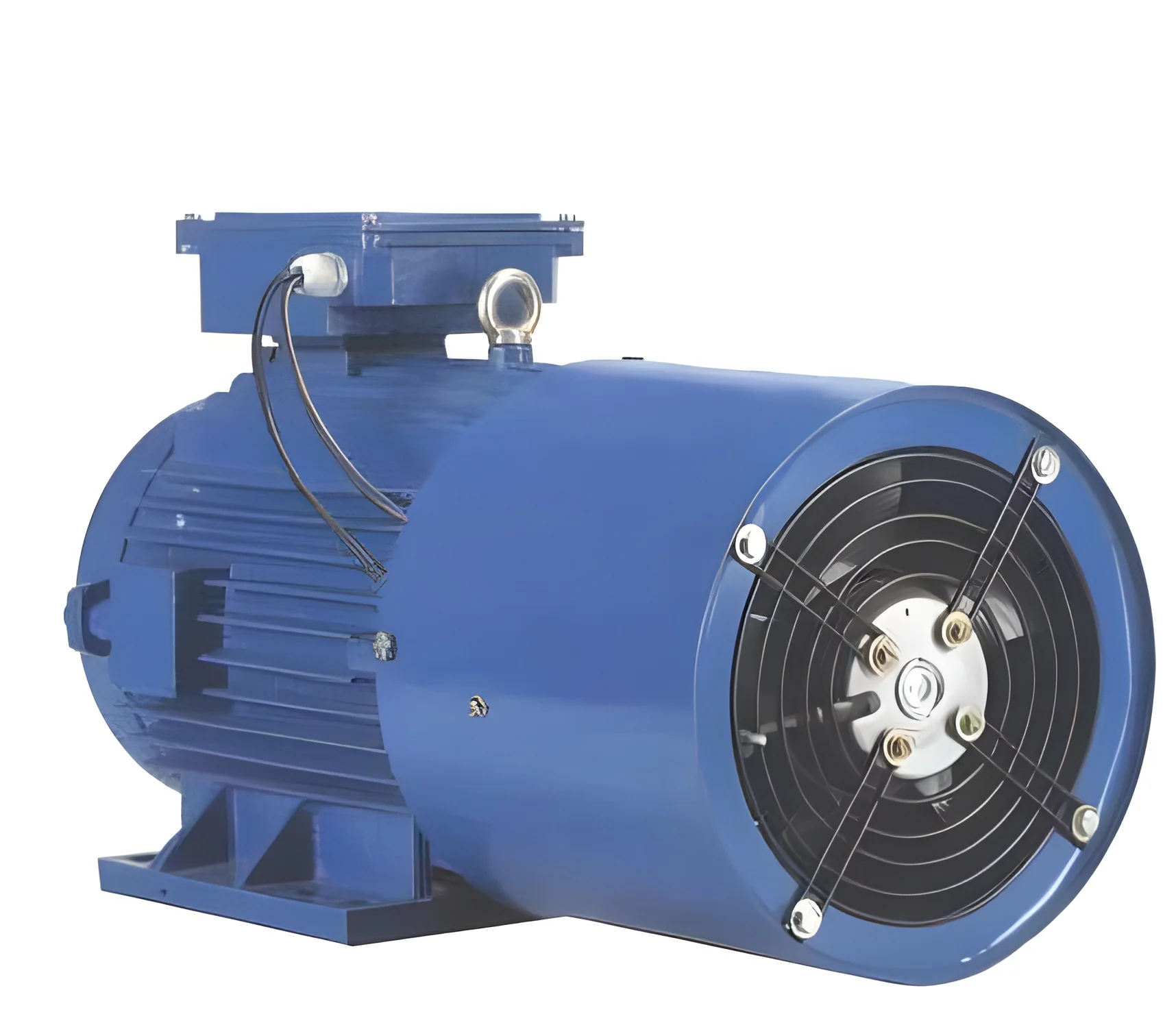
Inverter duty motors represent a specialized category of AC motors engineered specifically for operation with variable frequency drives (VFDs). Unlike standard motors that can suffer premature failure when connected to VFDs, these motors feature enhanced insulation systems, improved thermal management, and optimized electromagnetic designs to withstand the unique stresses of variable frequency operation. They deliver precise speed control, maintain efficiency across wide speed ranges, and provide reliable performance in demanding industrial settings. The motors are built to handle high switching frequencies, rapid acceleration/deceleration cycles, and continuous operation at low speeds without overheating or sustaining insulation damage.

These motors serve critical functions across multiple industrial sectors. In manufacturing, they power conveyor systems, machine tools, and automated assembly lines where variable speed control improves process flexibility. The HVAC industry relies on...
Inverter duty motors represent a specialized category of AC motors engineered specifically for operation with variable frequency drives (VFDs). Unlike standard motors that can suffer premature failure when connected to VFDs, these motors feature enhanced insulation systems, improved thermal management, and optimized electromagnetic designs to withstand the unique stresses of variable frequency operation. They deliver precise speed control, maintain efficiency across wide speed ranges, and provide reliable performance in demanding industrial settings. The motors are built to handle high switching frequencies, rapid acceleration/deceleration cycles, and continuous operation at low speeds without overheating or sustaining insulation damage.

These motors serve critical functions across multiple industrial sectors. In manufacturing, they power conveyor systems, machine tools, and automated assembly lines where variable speed control improves process flexibility. The HVAC industry relies on them for pumps and fans that adjust flow rates based on demand, significantly reducing energy consumption. Water treatment plants utilize them for pumping stations requiring variable flow control. In material handling, they drive cranes and hoists needing precise positioning. The food processing industry employs them for mixers and packaging equipment where different products require specific operational speeds. Their reliability makes them indispensable for applications where equipment failure would cause substantial production losses.

The business value of inverter duty motors stems from their operational reliability and long-term cost savings. Their enhanced construction reduces maintenance requirements and extends service life, minimizing unplanned downtime that disrupts production schedules. The precise speed control capability allows for process optimization, improving product quality and consistency. Energy efficiency translates to lower electricity costs, particularly in applications like pumps and fans where they can operate at reduced speeds during low-demand periods. Their ability to handle frequent start-stop cycles and varying loads makes them suitable for modern automated systems. The motors' robust design ensures consistent performance even in challenging environmental conditions, providing peace of mind for operations managers and maintenance teams.

Key Features:
- Enhanced insulation systems rated for high voltage spikes and rapid switching frequencies from VFDs
- Optimized cooling designs including external fans and improved airflow for continuous low-speed operation
- Low-loss magnetic steel laminations that reduce core losses and improve efficiency
- Specialized bearing protection systems to prevent electrical discharge damage
- Wide speed range capability maintaining torque and efficiency across operational spectrum

Benefits:
- Extended motor lifespan through protection against VFD-induced insulation and bearing failures
- Reduced energy consumption by maintaining high efficiency across variable speed operations
- Precise speed and torque control enabling optimized process parameters and improved product quality
- Lower maintenance costs due to robust construction and reduced thermal stress on components
- Operational flexibility supporting frequent speed changes and start-stop cycles without performance degradation
Specifications
| Additional Information | |
|---|---|
| Country of Origin | India |
Application
Inverter duty motors excel in applications requiring variable speed and torque control. Their robust construction allows them to handle the electrical stresses from variable frequency drives, making them essential for modern industrial automation where precise motor control directly impacts productivity and energy consumption.
These motors are specifically engineered to prevent common VFD-related failures like insulation breakdown and bearing currents. This reliability makes them suitable for continuous operation in harsh environments where equipment downtime is costly. Their ability to maintain efficiency across a wide speed range provides operational flexibility that standard motors cannot match.
- Powering conveyor systems in manufacturing plants where speed adjustments are needed for different production stages.
- Driving pumps and fans in HVAC systems that require variable flow rates for optimal climate control and energy savings.
- Operating machine tools and CNC equipment that demand precise spindle speed control for accurate machining.
- Running mixers and agitators in chemical processing where varying viscosity requires adjustable torque and speed.
- Controlling textile machinery where different fabrics and processes need specific motor speeds for quality production.
Trade Details
| Available Stock | In Stock |
| Sample Availability | No |
Payment Terms
| Payment Terms |
|
Company Profile

ELCEN MACHINES PVT. LTD., Gujarat
 Gujarat, India
Gujarat, IndiaManufacturer•Importer / Exporter
Factory Details
Factory SizeBelow 1000 sqm
Inverter Duty Motors
Inverter Duty Motors are specialized AC motors designed for VFD operation, featuring enhanced insulation and thermal protection for precise speed control in industrial machinery and automation systems.
Min. Order Quantity: 1
Shipping
Shipping fee and delivery date to be negotiated. Contact supplier now for more details.
ELCEN MACHINES PVT. LTD.
 Gujarat, India
Gujarat, IndiaManufacturer