IN
IN₹
Apparel & Fashion
Loading subcategories...
View More
Description
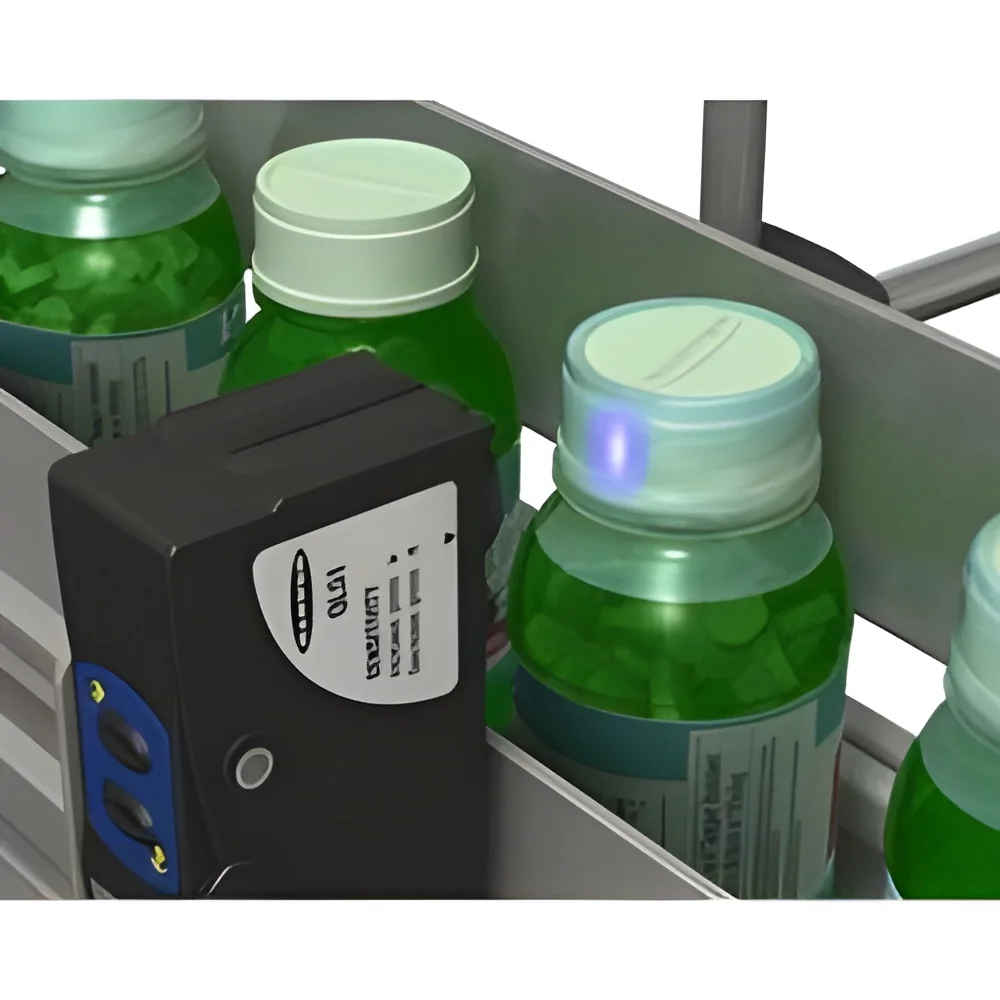
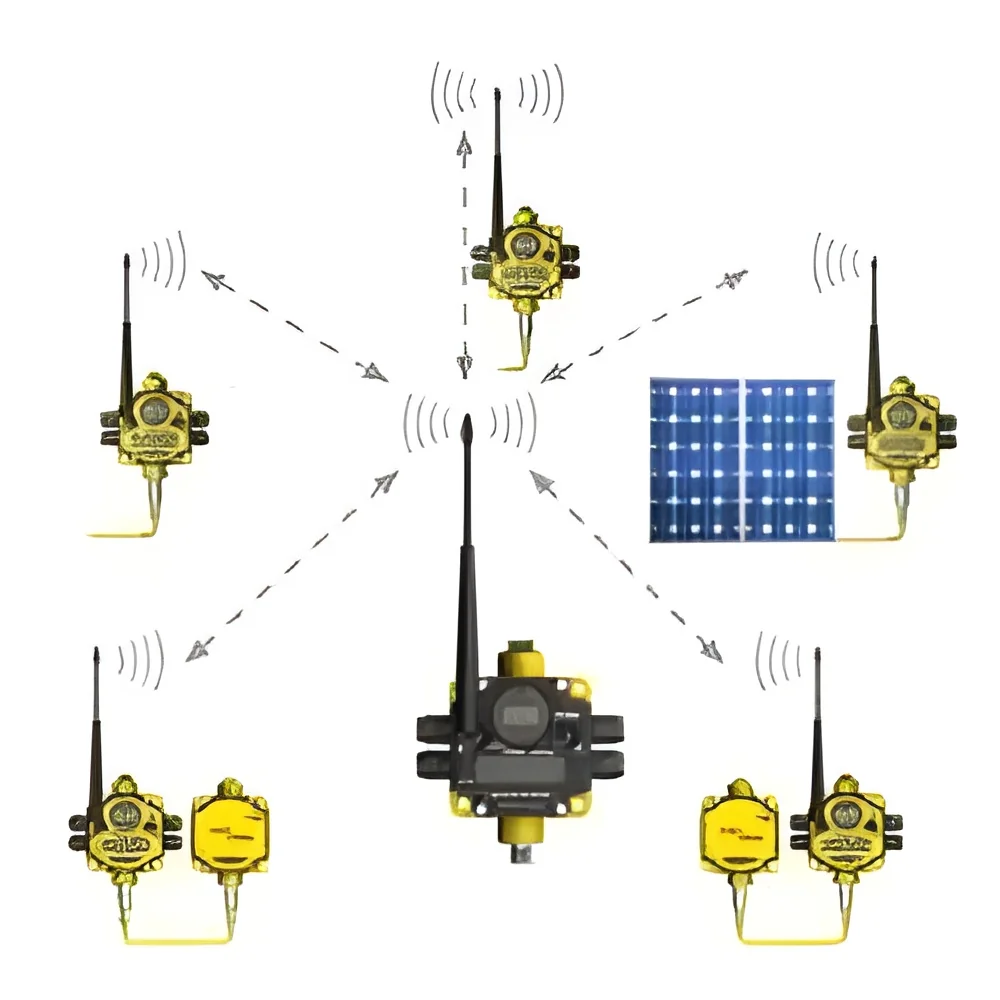
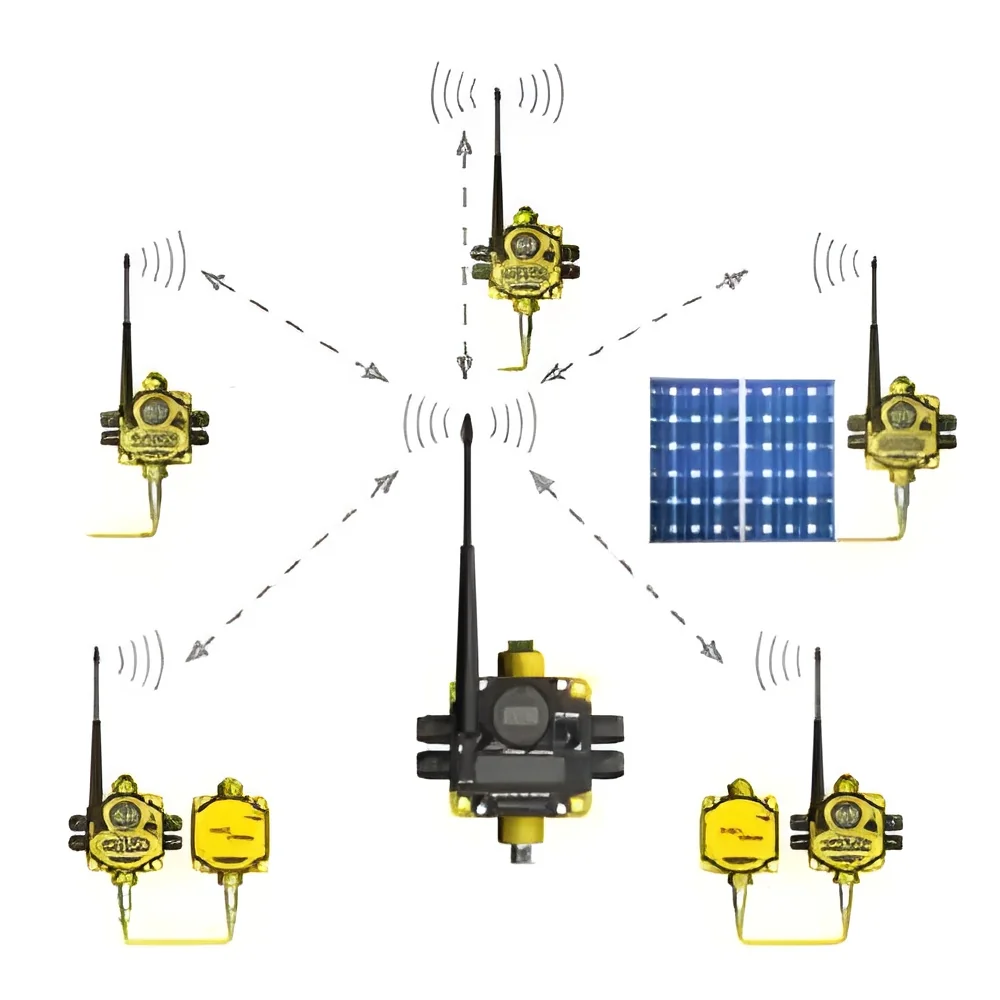
Industrial wireless systems represent a specialized communication solution engineered for environments where reliability and longevity are paramount. Unlike consumer-grade wireless products, these systems are built with industrial-grade components designed to operate continuously in challenging conditions, including temperature extremes, electromagnetic interference, and physical vibrations. They provide secure, stable connectivity for critical applications where data integrity cannot be compromised, serving as the communication backbone for automated processes, remote monitoring, and real-time control systems. The focus is on delivering consistent performance with minimal maintenance requirements, ensuring that operations continue uninterrupted over extended periods.

These systems find essential applications across heavy industries including manufacturing, where they connect PLCs, HMIs, and sensors on the factory floor; logistics and warehousing for real-time inventory and asset trac...
Industrial wireless systems represent a specialized communication solution engineered for environments where reliability and longevity are paramount. Unlike consumer-grade wireless products, these systems are built with industrial-grade components designed to operate continuously in challenging conditions, including temperature extremes, electromagnetic interference, and physical vibrations. They provide secure, stable connectivity for critical applications where data integrity cannot be compromised, serving as the communication backbone for automated processes, remote monitoring, and real-time control systems. The focus is on delivering consistent performance with minimal maintenance requirements, ensuring that operations continue uninterrupted over extended periods.

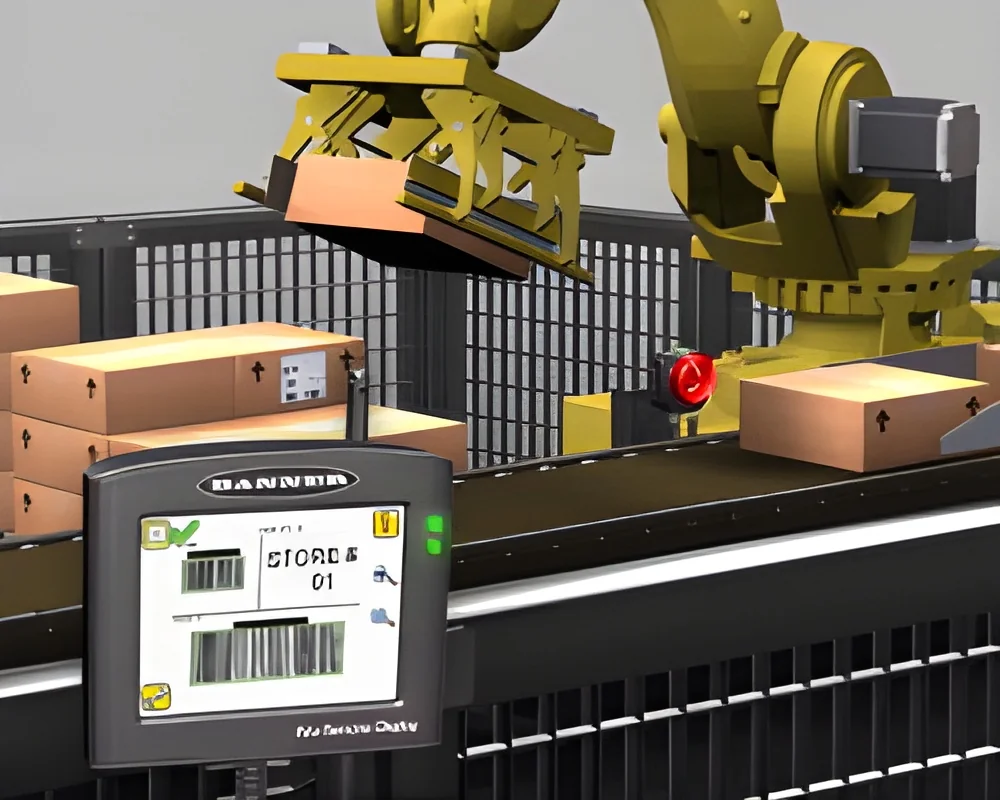
These systems find essential applications across heavy industries including manufacturing, where they connect PLCs, HMIs, and sensors on the factory floor; logistics and warehousing for real-time inventory and asset tracking; energy sectors including oil, gas, and utilities for remote monitoring of distributed assets; and infrastructure projects for environmental monitoring and distributed control. In manufacturing specifically, they enable flexible production layouts by eliminating wired constraints, while in logistics they support dynamic inventory management systems. Their ability to maintain connectivity in metal-rich environments and across large industrial campuses makes them indispensable for modern industrial operations seeking efficiency through automation and data collection.

The business value of these industrial wireless systems stems from their operational reliability and total cost of ownership advantages. By providing dependable connectivity, they prevent costly downtime associated with communication failures in automated processes. Their long service life reduces replacement frequency, while their industrial-grade construction minimizes maintenance interventions. This reliability translates directly to operational continuity, protecting revenue streams that depend on constant production or monitoring. For businesses, this means predictable performance, reduced risk of production stoppages, and a communication infrastructure that supports scalability as operations grow or change, without requiring complete system overhauls.

Key Features:
- Industrial-grade components designed for continuous operation in harsh environments with temperature extremes and interference.
- Long service life construction with durable materials and optimized power management for extended operational periods.
- Stable connectivity protocols ensuring reliable data transmission for critical control and monitoring applications.
- Easy maintenance design with modular components and accessible diagnostics to minimize service downtime.
- Secure communication with industrial-grade encryption and authentication protecting sensitive operational data.

Benefits:
- Reduced operational downtime through reliable connectivity that prevents communication-related production stoppages.
- Lower total cost of ownership from extended service life and reduced maintenance requirements compared to standard systems.
- Enhanced operational flexibility by enabling wireless connectivity where cabling is impractical or too expensive to install.
- Improved data collection capabilities through reliable connectivity for sensors and monitoring equipment across facilities.
- Future-proof infrastructure that supports scalability and adaptation as industrial processes evolve and expand.
Specifications
| Additional Information | |
|---|---|
| Country of Origin | India |
| Customisable | No |
Application
These industrial wireless systems deliver robust connectivity for critical data transmission and remote monitoring in demanding environments. Their design ensures stable performance for real-time communication between equipment, sensors, and control centers, maintaining operational continuity where wired solutions are impractical or too costly. The systems are engineered to withstand industrial interference and harsh conditions, providing a dependable communication backbone for automated processes and machine-to-machine communication.
Manufacturing plants utilize these systems for machinery control and production line monitoring, while logistics operations rely on them for warehouse asset tracking and fleet management. Energy sectors deploy them for remote equipment monitoring, and infrastructure projects use them for distributed sensor networks. Their long service life and easy maintenance make them suitable for permanent installations where reliability is non-negotiable and downtime must be minimized.
- Enabling real-time monitoring and control of automated production lines and industrial machinery in manufacturing facilities.
- Supporting remote data collection from sensors and equipment in oil and gas fields, utilities, and renewable energy installations.
- Facilitating warehouse management through reliable connectivity for inventory tracking systems and automated material handling equipment.
- Providing communication links for distributed control systems in water treatment plants and other critical infrastructure.
- Ensuring seamless data transmission for environmental monitoring networks and industrial IoT deployments across large sites.
Trade Details
| Available Stock | In Stock |
| Sample Availability | No |
Payment Terms
| Payment Terms |
|
Company Profile

Arcus Automation Private Limited, Tamil Nadu
 Tamil Nadu, India
Tamil Nadu, IndiaElectronics & Electrical•Manufacturer•Importer / Exporter
Factory Details
Factory SizeBelow 1000 sqm
Annual Production Capacity0
Industrial Wireless Systems For Reliable Connectivity And Long Life
Industrial wireless systems provide reliable connectivity with long service life for seamless data transmission, remote monitoring, and industrial automation applications across various sectors.
Min. Order Quantity: 1 unit
Shipping
Shipping fee and delivery date to be negotiated. Contact supplier now for more details.
Arcus Automation Private Limited
 Tamil Nadu, India
Tamil Nadu, IndiaElectronics & ElectricalManufacturer