IN
IN₹
Apparel & Fashion
Description
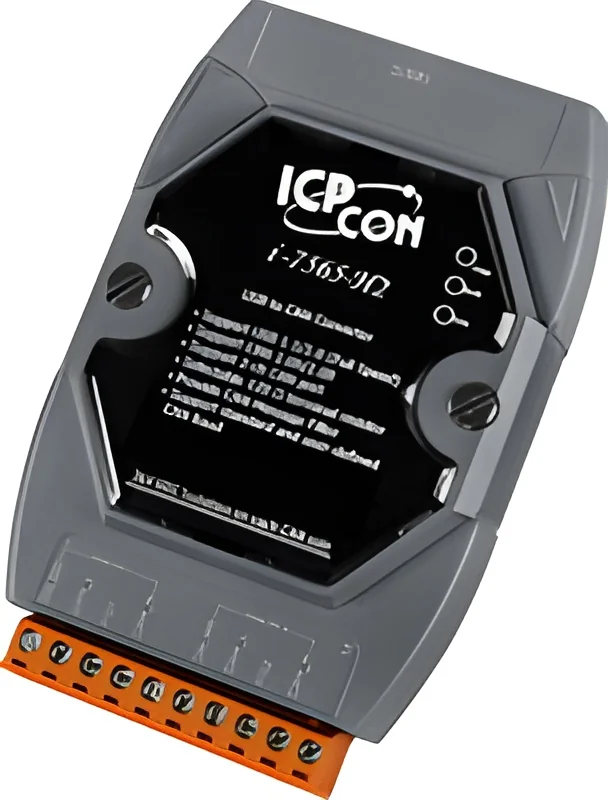
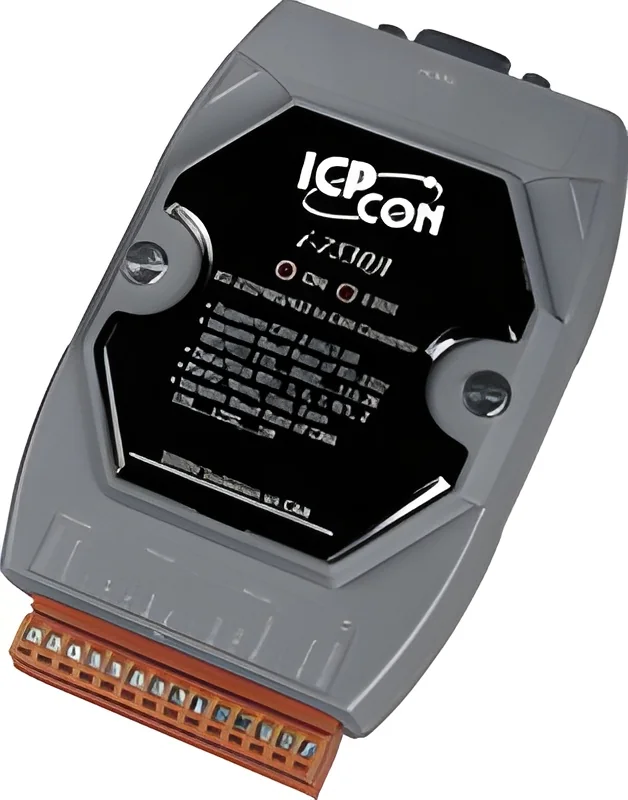
The Industrial RS-232/422/485 to CAN Converter serves as a critical communication bridge, enabling legacy serial devices to interface seamlessly with modern Controller Area Network systems. This robust converter fully supports CAN specifications 2.0A and 2.0B while maintaining compliance with the ISO 11898-2 standard, ensuring reliable data transmission across industrial environments. With software-configurable parameters for both CAN and serial communications, it offers exceptional flexibility, supporting baud rates from 10Kbps to 1Mbps to match diverse network requirements. The integrated 120-ohm termination jumper simplifies installation, while clear power, data flow, and error indicators provide immediate operational status. This device facilitates transparent communication between various serial protocols and CAN bus networks, making it an essential component for modernizing industrial infrastructure without costly equipment replacement.

This converter finds extensive application...
The Industrial RS-232/422/485 to CAN Converter serves as a critical communication bridge, enabling legacy serial devices to interface seamlessly with modern Controller Area Network systems. This robust converter fully supports CAN specifications 2.0A and 2.0B while maintaining compliance with the ISO 11898-2 standard, ensuring reliable data transmission across industrial environments. With software-configurable parameters for both CAN and serial communications, it offers exceptional flexibility, supporting baud rates from 10Kbps to 1Mbps to match diverse network requirements. The integrated 120-ohm termination jumper simplifies installation, while clear power, data flow, and error indicators provide immediate operational status. This device facilitates transparent communication between various serial protocols and CAN bus networks, making it an essential component for modernizing industrial infrastructure without costly equipment replacement.

This converter finds extensive application across multiple industries requiring reliable integration between serial devices and CAN-based control systems. In industrial automation, it connects legacy programmable logic controllers, human-machine interfaces, and sensors to centralized CAN networks for enhanced monitoring and control. Automotive professionals utilize it for diagnostic equipment and vehicle communication systems, enabling efficient troubleshooting and data collection. Manufacturing facilities employ the converter for machinery monitoring and real-time data acquisition, while building automation systems rely on it to bridge serial environmental controls with modern management networks. The energy sector benefits from its ability to integrate serial meters and monitoring devices into comprehensive CAN infrastructure, ensuring efficient data exchange across complex operational environments.

The business value of this converter lies in its proven reliability, operational flexibility, and cost-saving potential. By enabling legacy serial devices to communicate with modern CAN networks, it significantly reduces the need for expensive equipment replacements, extending the lifespan of existing investments. The internal watchdog mechanism and clear error indicators enhance system stability, minimizing operational downtime in critical applications. Its software-configurable nature allows for straightforward adaptation to evolving network requirements, providing a future-proof solution for growing industrial needs. The converter's ability to support transparent communication and group multiple serial devices on a single CAN bus offers scalability and operational efficiency, making it a trusted choice for businesses seeking robust and adaptable communication solutions.

Key Features:
- Full compatibility with CAN specifications 2.0A and 2.0B, compliant with ISO 11898-2 standard.
- Configurable baud rates from 10Kbps to 1Mbps for flexible network integration.
- Integrated 120-ohm termination jumper for simplified network setup and configuration.
- Software-configurable parameters for both CAN and serial communication protocols.
- Clear power, data flow, and error indicators for real-time operational monitoring.

Benefits:
- Extends equipment lifespan by enabling legacy serial devices to connect with modern CAN networks.
- Reduces capital expenditure by eliminating the need for complete system replacements.
- Enhances operational reliability with internal watchdog and error monitoring features.
- Provides installation flexibility through software-configurable parameters and termination options.
- Supports scalable network expansion by grouping multiple serial devices on CAN infrastructure.
Specifications
| Additional Information | |
|---|---|
| Country of Origin | India |
Application
This converter provides a seamless bridge between legacy serial equipment and modern CAN bus systems, enabling cost-effective upgrades without replacing entire infrastructures. It supports transparent communication between RS-232, RS-485, and RS-422 devices over robust CAN networks, with software-configurable parameters and error indicators ensuring reliable data exchange in demanding industrial environments. The device excels in half-duplex communication scenarios, offering compatibility with various industrial protocols while maintaining network stability through its internal watchdog and termination jumper options.
Industries benefit from this converter's ability to integrate older serial devices with contemporary control systems, extending equipment lifespan and reducing capital expenditure. It facilitates real-time monitoring and control across diverse applications, from factory automation to vehicle diagnostics, by grouping multiple serial devices on a single CAN network. The converter's reliability makes it suitable for critical operations where consistent data transmission is essential, supporting baud rates from 10Kbps to 1Mbps to match specific network requirements.
- Industrial automation systems connecting legacy PLCs and HMIs to CAN-based controllers for centralized monitoring.
- Automotive diagnostic tools interfacing serial test equipment with vehicle CAN networks for troubleshooting.
- Manufacturing machinery integrating serial sensors and actuators with CAN infrastructure for data acquisition.
- Building management systems bridging serial environmental controls to CAN networks for efficient operation.
- Energy monitoring solutions enabling communication between serial meters and CAN-enabled supervisory systems.
Trade Details
| Available Stock | In Stock |
| Sample Availability | No |
Payment Terms
| Payment Terms |
|
Company Profile
Adaptek Automation Technology, Tamil Nadu
 Tamil Nadu, India
Tamil Nadu, India26 yrs
Trading Company•Distributor•Wholesaler•Retailer•Manufacturer•Importer•Exporter•Service Provider
Factory Details
Factory SizeBelow 1000 sqm
Annual Production Capacity0
Main Markets
Domestic
Industrial RS 232/422/485 to CAN Converter for Automation and Automotive
Industrial RS-232/422/485 to CAN converter for automation and automotive systems. This reliable communication bridge supports CAN 2.0A/B, ISO 11898-2, and configurable baud rates from 10Kbps to 1Mbps, ideal for integrating legacy serial devices with modern CAN networks.
Min. Order Quantity: 1 unit
Shipping
Shipping fee and delivery date to be negotiated. Contact supplier now for more details.
Adaptek Automation Technology Tamil Nadu, India
Tamil Nadu, IndiaTrading Company