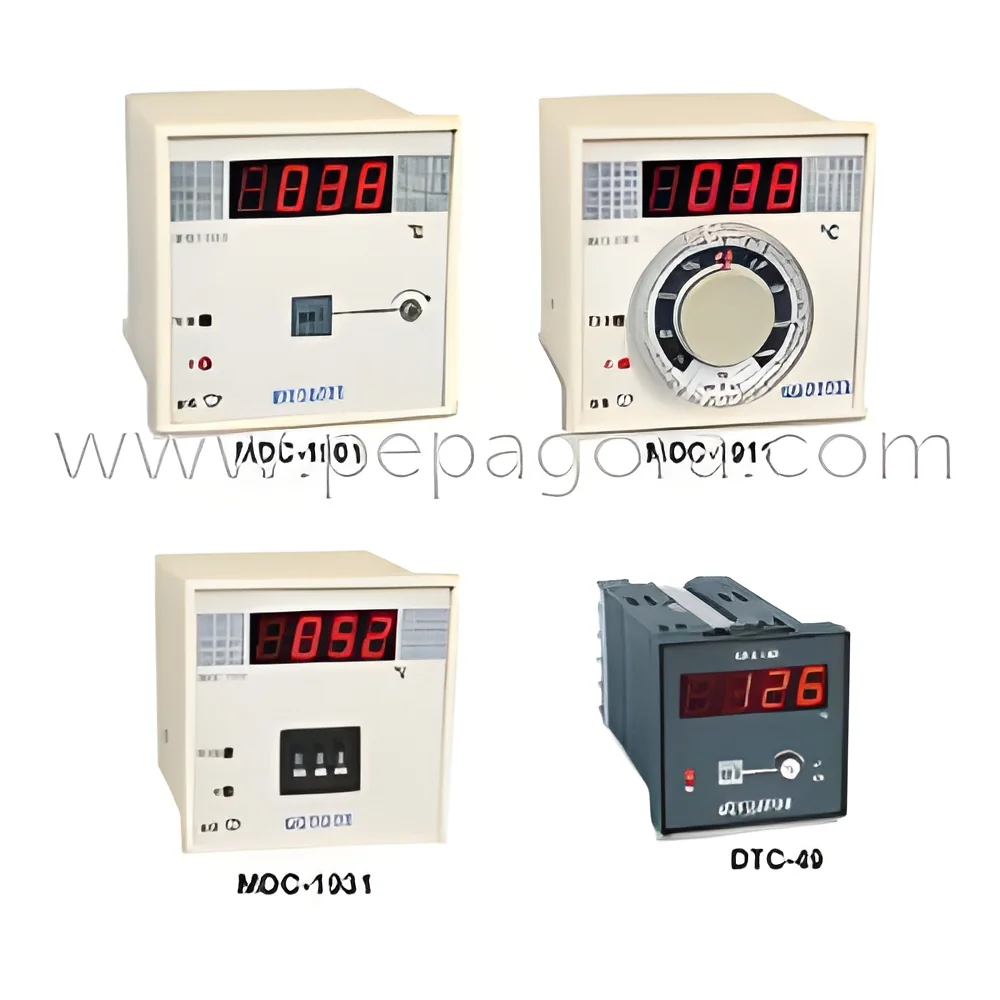
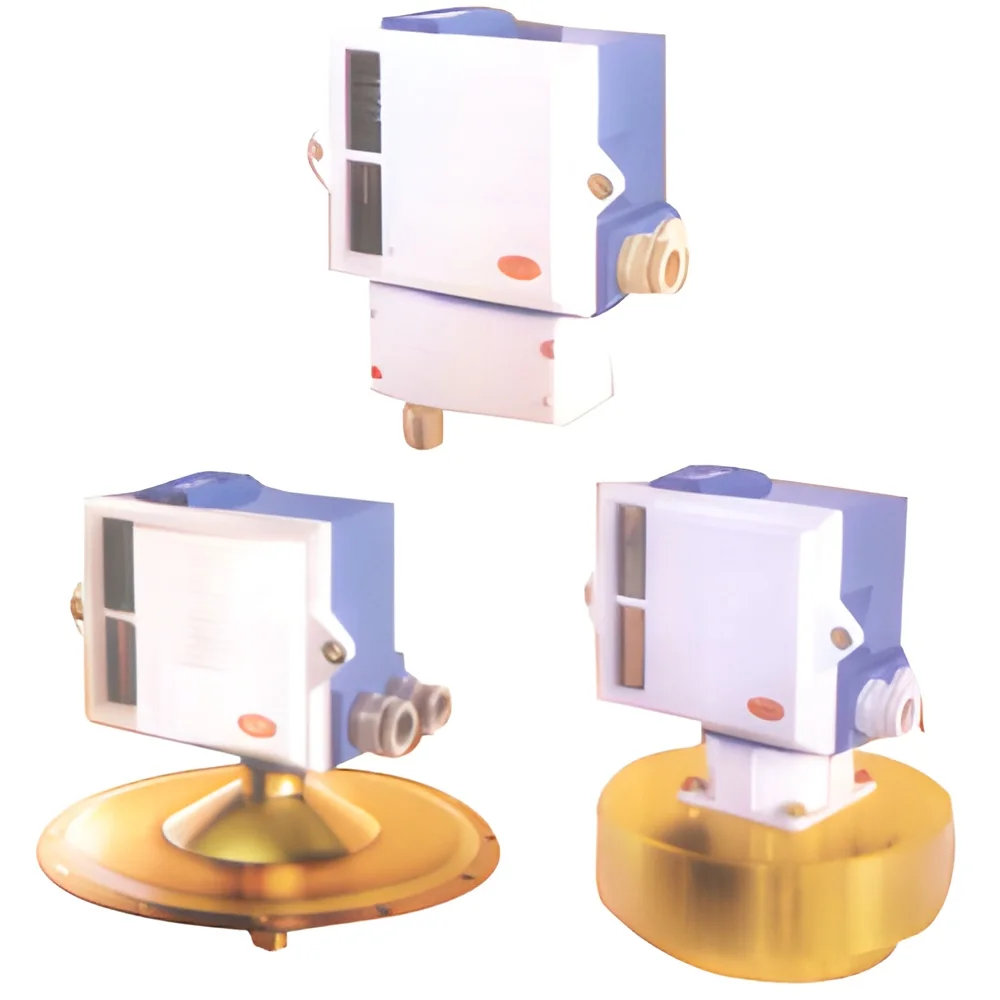
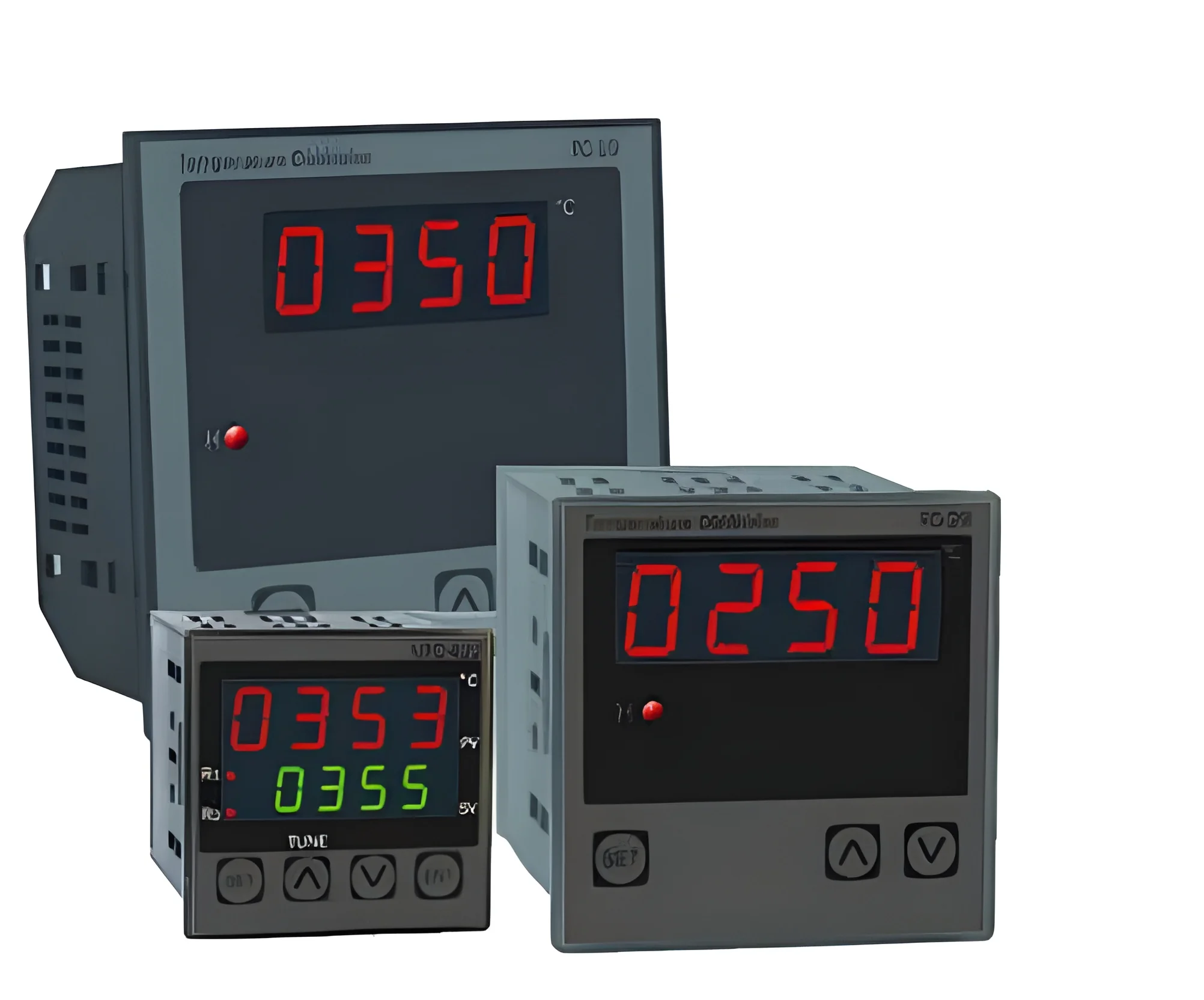
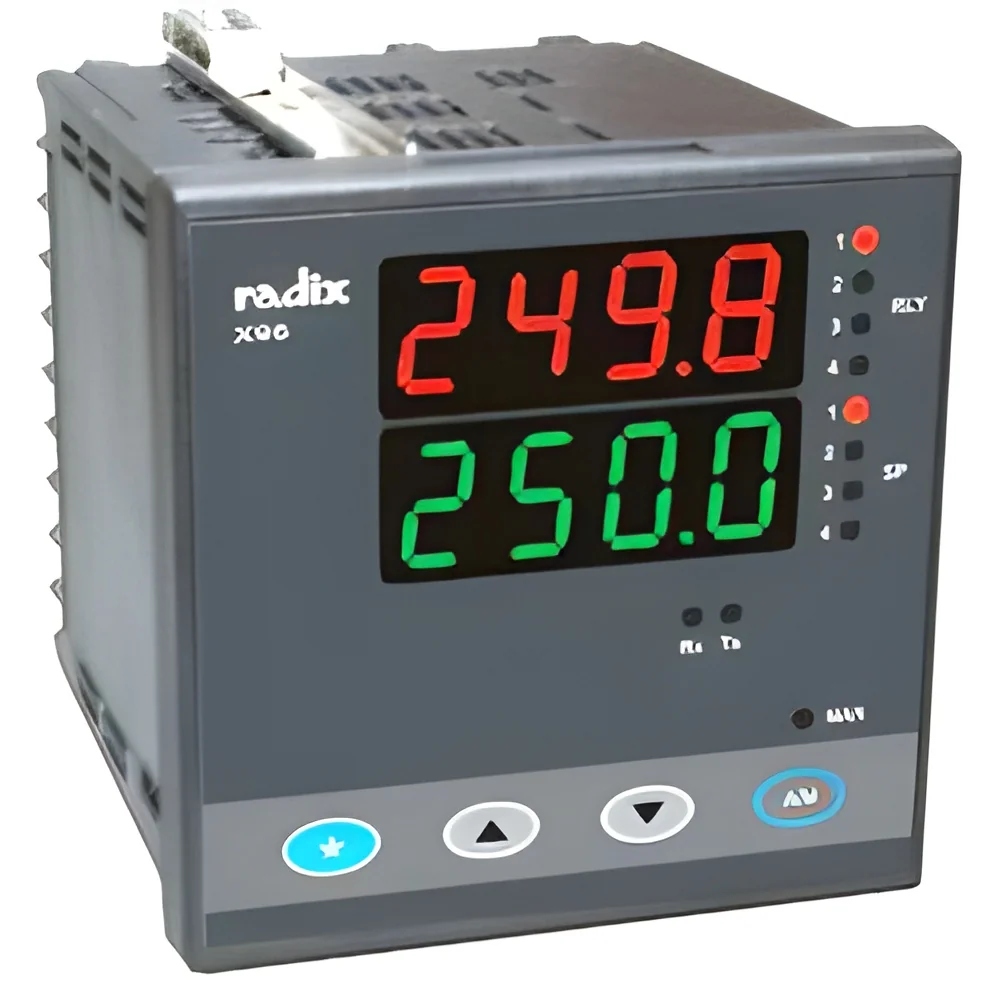
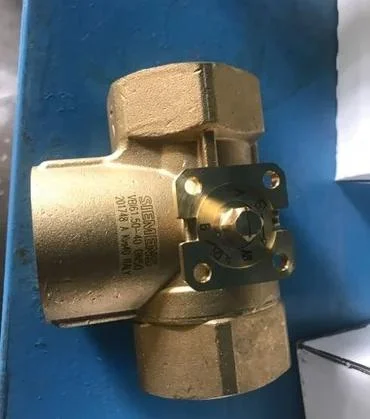
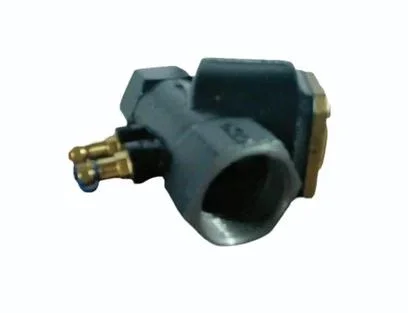
What are HVAC Automation Controls?
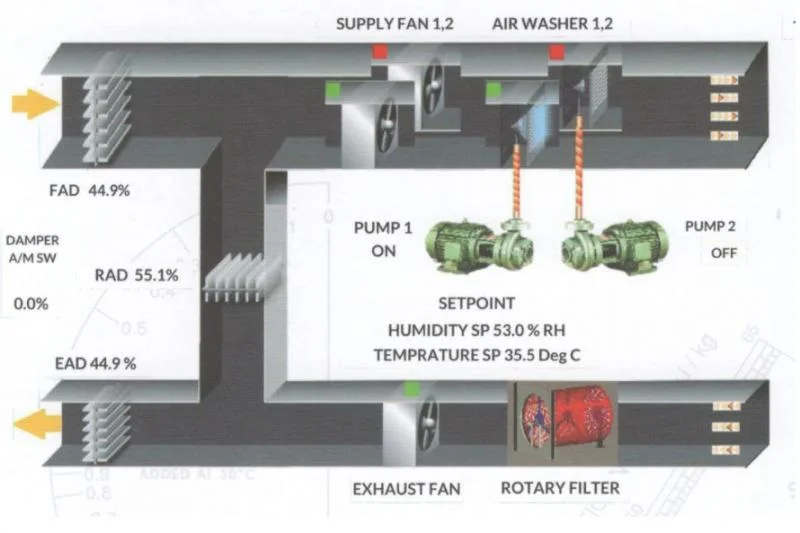
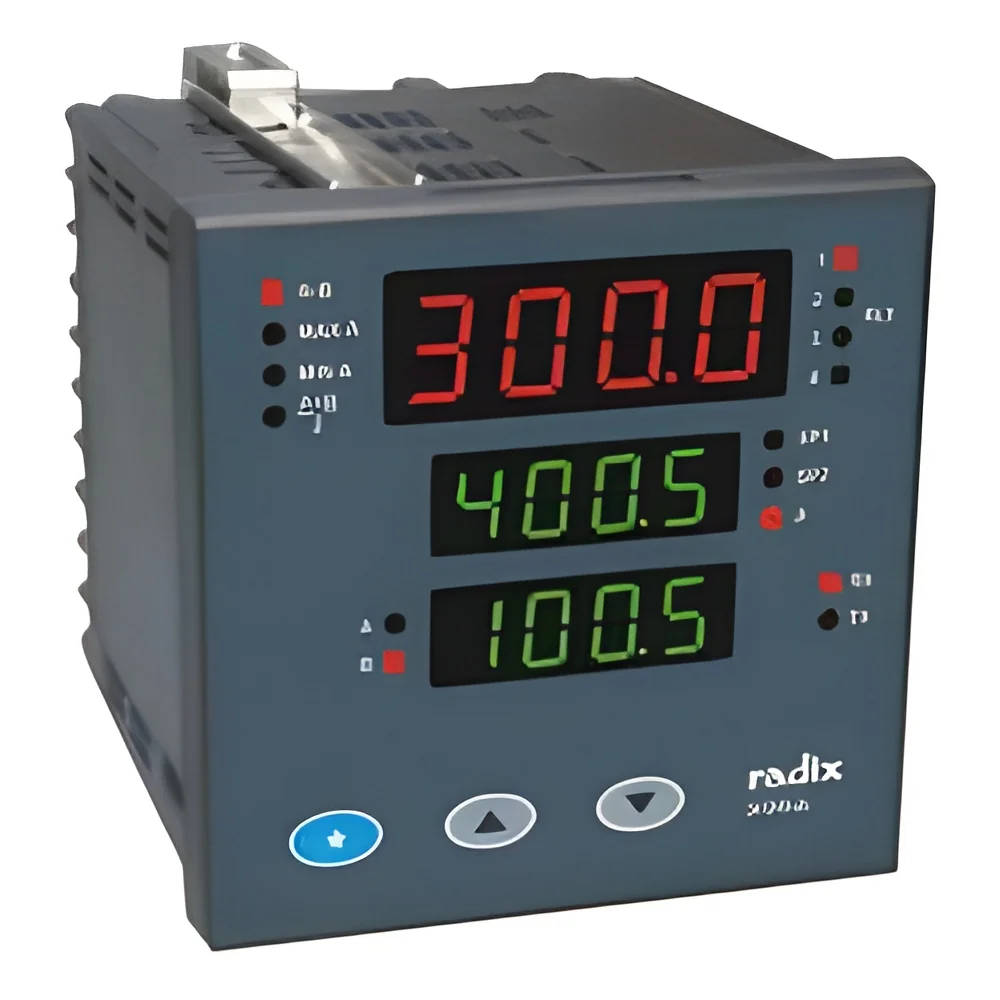
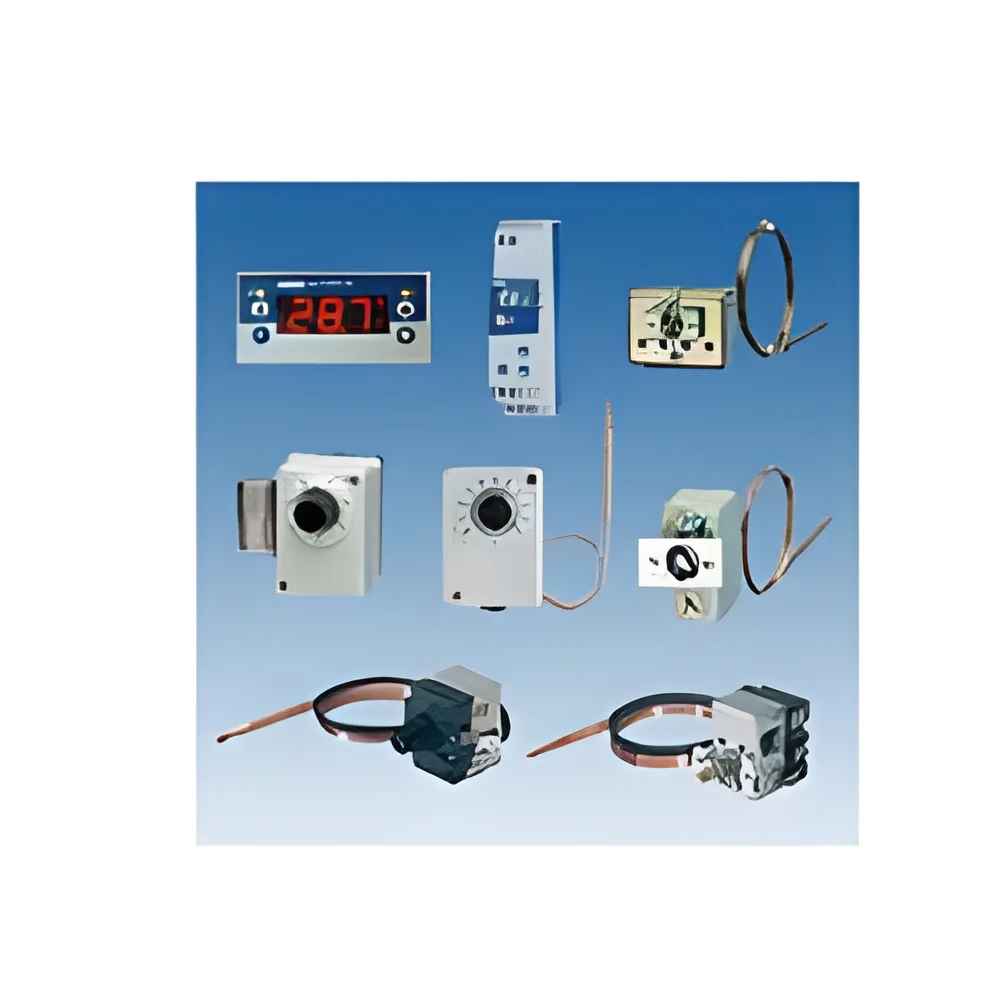
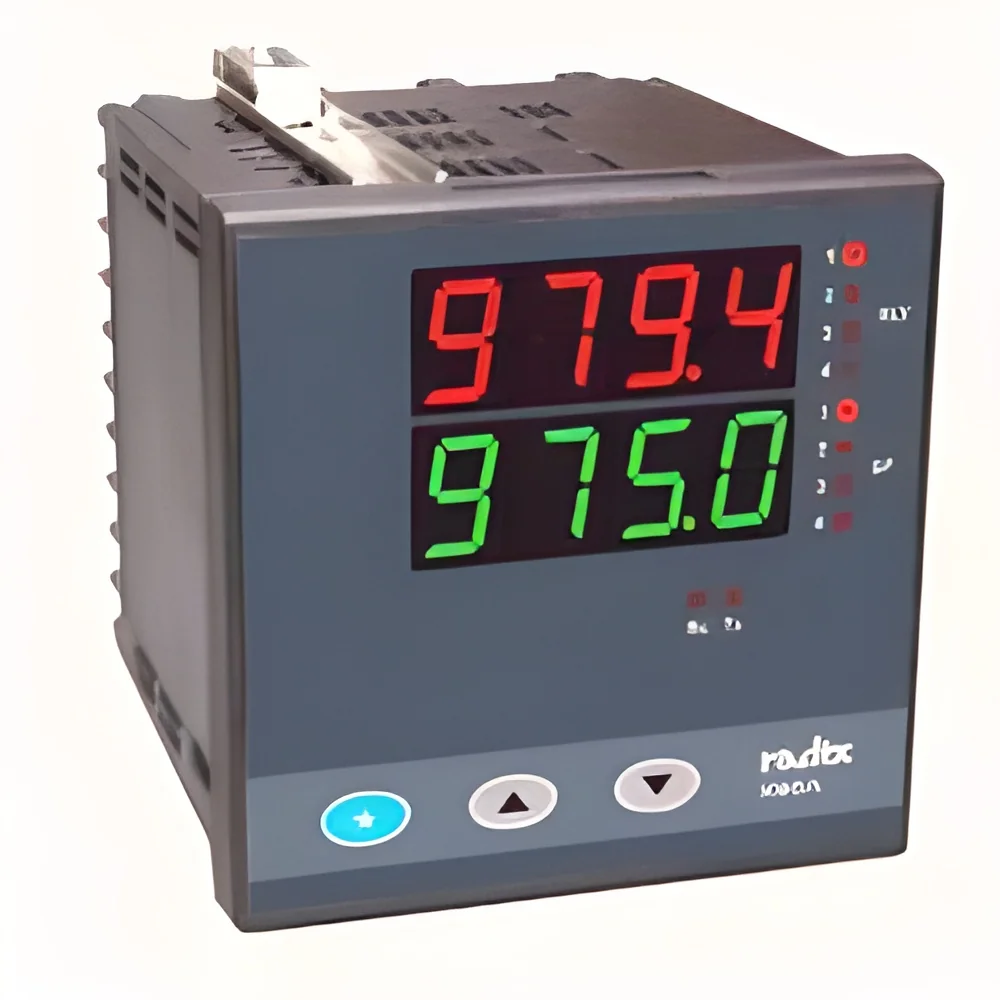
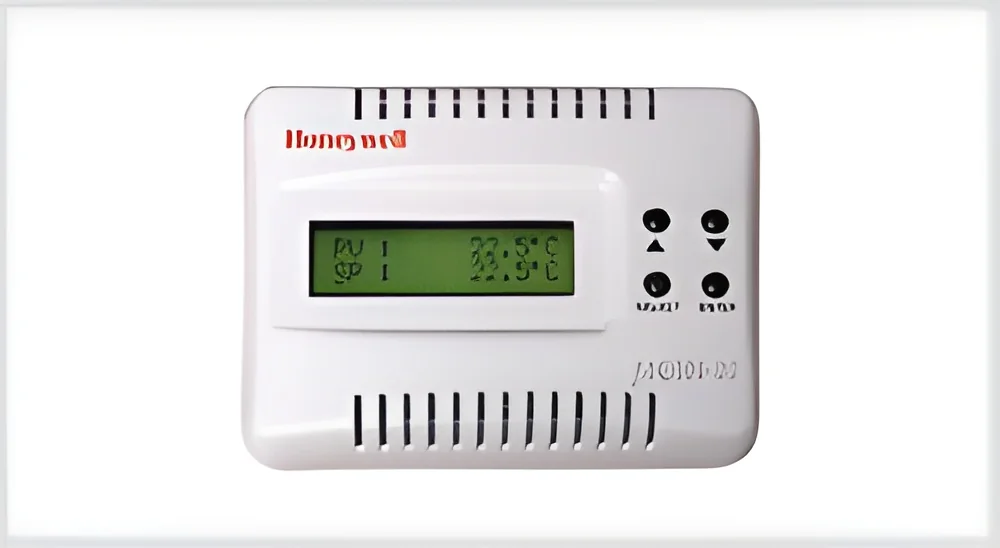
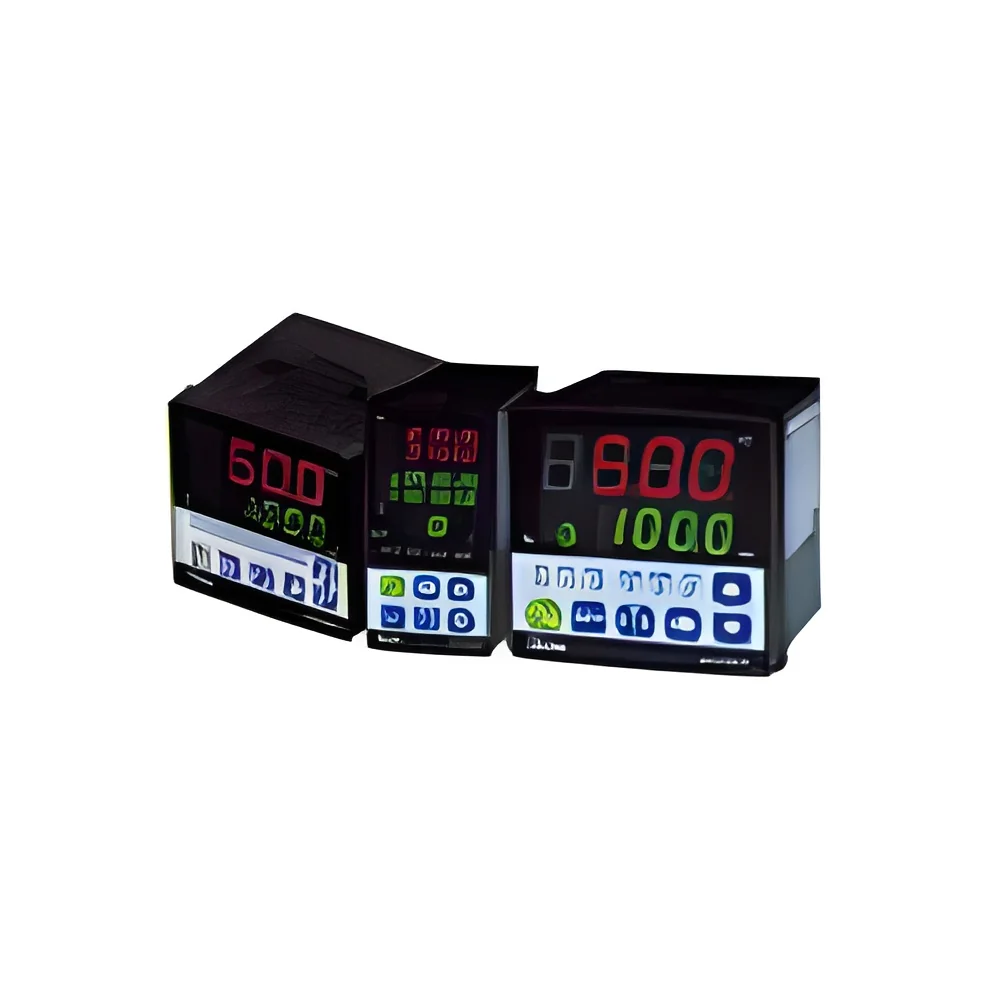
HVAC Automation Controls are advanced systems designed to manage and optimize heating, ventilation, and air conditioning processes within buildings. These controls enable automated adjustments to HVAC operations, ensuring that environments are comfortable, energy-efficient, and compliant with regulatory standards. By integrating sensors, controllers, and software, HVAC Automation Controls facilitate real-time monitoring and adjustments based on environmental conditions.
These controls are widely used in commercial and industrial settings, providing significant benefits in energy management and operational efficiency. Businesses leverage HVAC Automation Controls to enhance indoor air quality, manage energy consumption, and reduce operational costs. They are critical in applications such as smart buildings, manufacturing facilities, and healthcare environments, where precise climate control is crucial for both comfort and compliance.
As the demand for energy-efficient solutions grows, the HVAC market has increasingly focused on automation technologies. This shift is driven by regulatory pressures and a greater emphasis on sustainability. HVAC Automation Controls are now more relevant than ever, as industries seek to implement intelligent systems that not only meet immediate climate control needs but also align with long-term energy-saving goals.
Key Features and Specifications
HVAC Automation Controls come equipped with several key features that enhance their usability and effectiveness. These specifications are designed to meet the diverse needs of different applications and industries.
Key specifications include:
1. Control Methodology
- Advanced control algorithms for optimal energy management
- Capable of both centralized and decentralized control systems
2. User Interface
- Intuitive touchscreen interfaces for easy operation
- Remote monitoring capabilities through mobile applications
3. Communication Protocols
- Compatibility with major building management systems
- Supports protocols such as BACnet, Modbus, and LonWorks
4. Sensor Integration
- Includes temperature, humidity, and CO2 sensors for comprehensive monitoring
- Allows for real-time data collection and analysis
5. Energy Reporting
- Provides detailed reports on energy consumption and efficiency
- Enables users to identify trends and make informed decisions
6. System Compatibility
- Designed to integrate seamlessly with existing HVAC systems
- Supports a wide range of HVAC equipment types
7. Safety Features
- Alarm systems for equipment malfunctions and safety hazards
- Compliance with industry safety standards
In summary, these features and specifications make HVAC Automation Controls an essential component for modern building management, promoting energy efficiency and operational effectiveness.
Common Applications and Use Cases
HVAC Automation Controls are utilized across various industries, providing tailored solutions for specific needs.
1. Commercial Real Estate: These systems manage HVAC operations in office buildings, ensuring comfort and energy efficiency for tenants while optimizing operational costs.
2. Manufacturing: In industrial settings, HVAC Automation Controls regulate temperature and humidity, which are critical for maintaining product quality and compliance with safety regulations.
3. Healthcare: Hospitals and laboratories rely on precise climate control to ensure patient comfort and to maintain sterile environments, making automation controls vital for operational integrity.
4. Retail: HVAC systems in retail environments are automated to create a pleasant shopping experience while minimizing energy expenditures.
5. Education: Schools and universities use HVAC Automation Controls to manage large facilities effectively, ensuring optimal learning environments for students.
6. Hospitality: Hotels utilize these controls to maintain guest comfort while optimizing energy use throughout the property.
7. Data Centers: In technology-driven environments, precise climate control is essential for equipment protection, making HVAC Automation Controls indispensable.
Product Variants and Subcategories
HVAC Automation Controls come in various forms, catering to different industry needs and preferences.
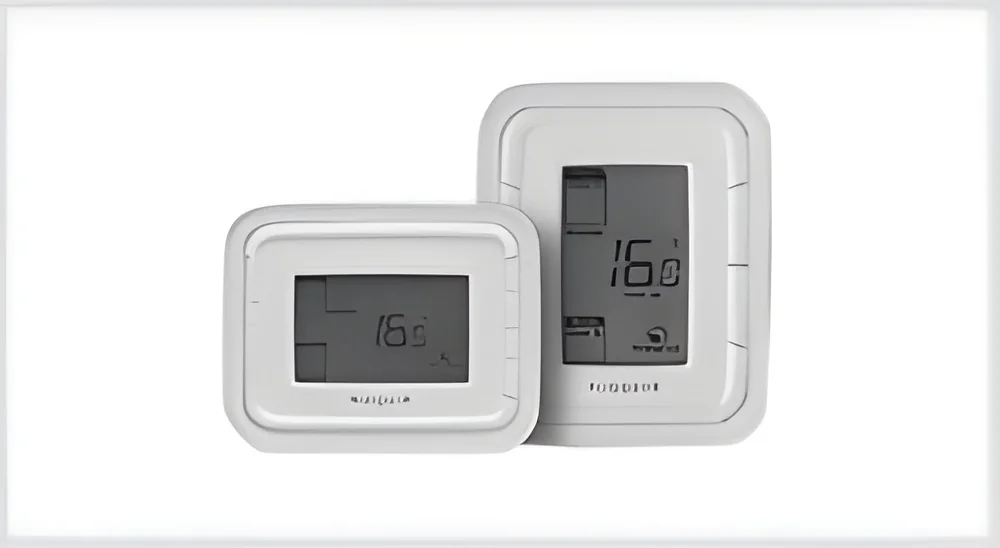
Smart Thermostats
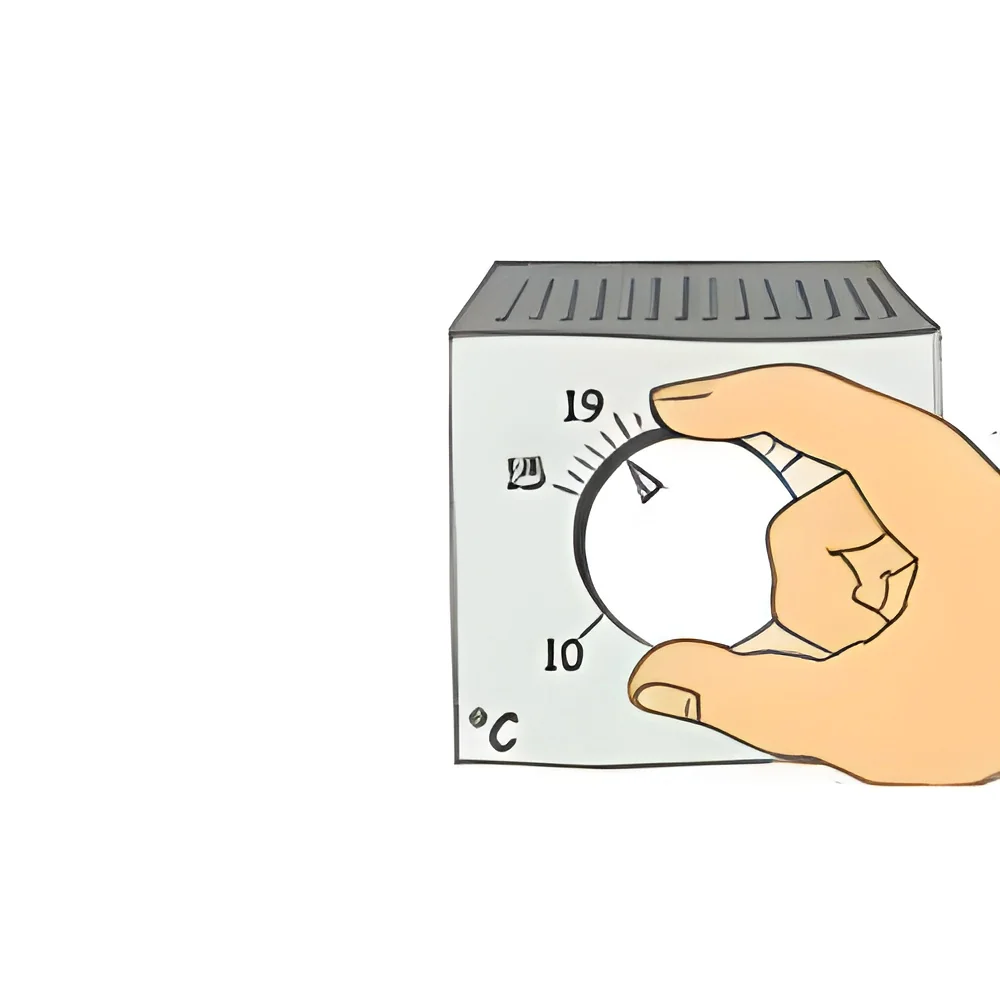
These devices allow users to program heating and cooling schedules, optimizing energy usage based on occupancy patterns. They often feature Wi-Fi connectivity for remote access and control.
Building Management Systems (BMS)
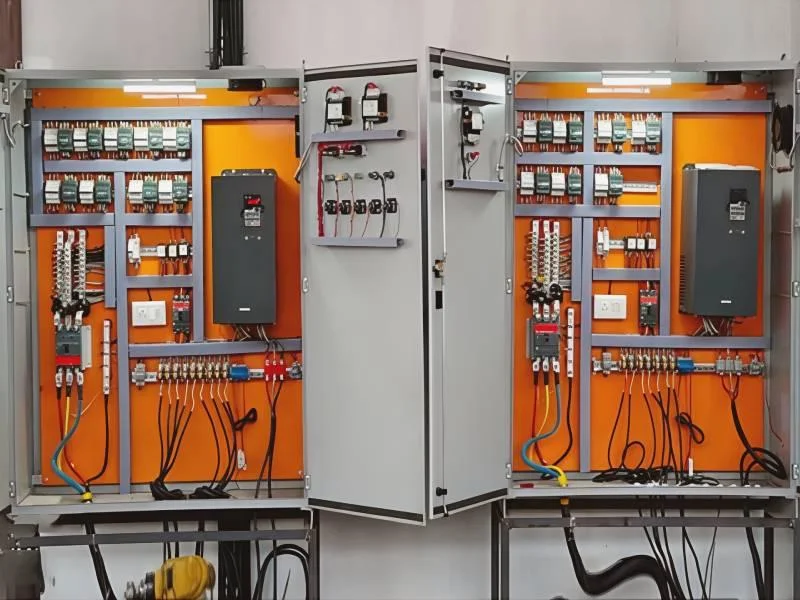
Comprehensive solutions that integrate HVAC controls with other building systems, such as lighting and security. BMS provides centralized management for improved efficiency and operational oversight.
Variable Air Volume (VAV) Systems
Designed for large facilities, these systems adjust airflow dynamically based on real-time environmental data. VAV systems enhance comfort while reducing energy consumption.
Energy Recovery Ventilators (ERV)
These units optimize indoor air quality while minimizing energy loss. They recover energy from exhausted air to pre-condition incoming fresh air, contributing to overall energy efficiency.
Benefits and Advantages
The implementation of HVAC Automation Controls brings numerous benefits to businesses across industries.
Key benefits include:
1. Energy Efficiency: HVAC Automation Controls significantly reduce energy consumption by optimizing system performance based on real-time data.
2. Cost Savings: By improving energy management, businesses can lower utility bills and reduce operational costs.
3. Enhanced Comfort: These controls ensure consistent indoor temperatures and air quality, improving occupant comfort and satisfaction.
4. Regulatory Compliance: Automated systems help businesses meet industry regulations related to energy use and air quality, minimizing compliance risks.
5. Data-Driven Insights: Advanced monitoring and reporting tools provide valuable insights into system performance, enabling informed decision-making.
6. Increased Equipment Lifespan: By optimizing HVAC operations, these controls help reduce wear and tear on equipment, extending its lifespan and reducing maintenance costs.
Buying Guide for B2B Buyers
When sourcing HVAC Automation Controls, it is essential to consider several key factors to ensure successful procurement.
1. Quality Assessment: Evaluate the quality of the controls by reviewing manufacturer reputations, product reviews, and compliance with industry standards.
2. Supplier Verification: Vet suppliers through background checks, certifications, and reviews to ensure reliability and product quality.
3. Pricing and MOQ: Understand the pricing structures and minimum order quantities (MOQ) required by suppliers to align with your budget and purchasing needs.
4. Delivery and Lead Times: Assess logistics capabilities and delivery timelines to ensure timely installation and operation of HVAC systems.
5. Compliance Requirements: Verify that products meet relevant regulations and standards, including safety and environmental compliance, to avoid potential legal issues.
Compliance and Certifications
HVAC Automation Controls must adhere to various quality standards and certifications to ensure safety and effectiveness.
ISO 9001 is a quality management standard that ensures manufacturers maintain consistent quality in their products and processes. Compliance with ISO standards demonstrates a commitment to high-quality products.
CE certification indicates that HVAC Automation Controls meet European safety, health, and environmental protection standards. This certification is crucial for products marketed within the European Union.
Safety and testing requirements include thorough evaluations of the products to ensure they function correctly and safely in various environments. This can include electrical safety tests and performance evaluations.
Regional compliance considerations may vary based on local regulations, so it is important for buyers to be aware of specific requirements in their operating regions to ensure full compliance.
Why Source HVAC Automation Controls from Pepagora?
Pepagora provides a trusted platform for sourcing HVAC Automation Controls, offering several key advantages to B2B buyers.
Verified Supplier Network: Pepagora ensures that only reliable suppliers are part of its network. This verification process helps businesses find reputable manufacturers and distributors, reducing the risk of procurement errors.
Streamlined RFQ Process: The platform simplifies the request-for-quotation process, allowing buyers to quickly receive competitive quotes from multiple suppliers. This efficiency helps in making informed purchasing decisions.
Trade Assurance and Support: Pepagora offers buyer protection through trade assurance, ensuring that transactions are secure and that buyers receive the products as described. This support builds trust between buyers and suppliers.
Regional Coverage: With a focus on markets in India, the GCC, and Southeast Asia, Pepagora provides extensive geographic reach, making it easier for businesses to find the HVAC Automation Controls they need, regardless of location.

 IN
IN