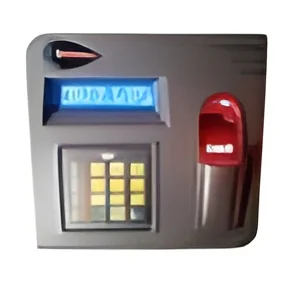
What are Biometric Attendance Systems?
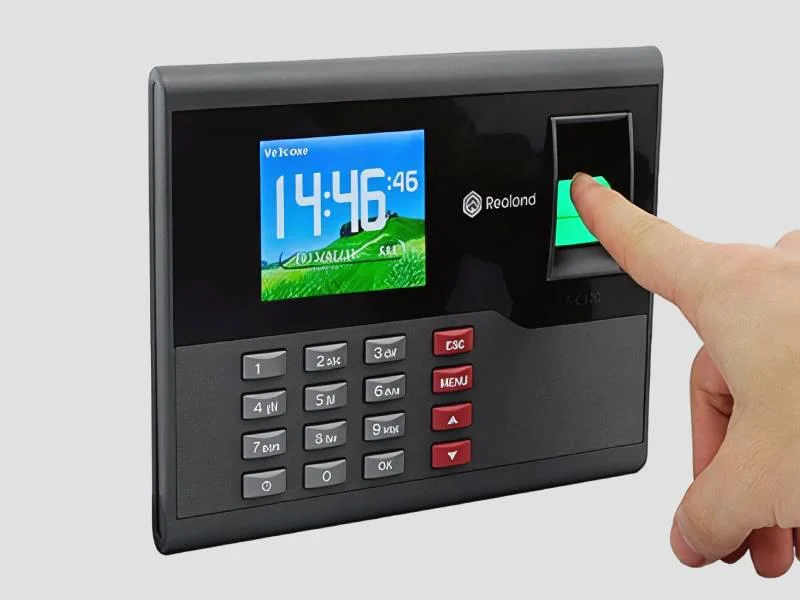
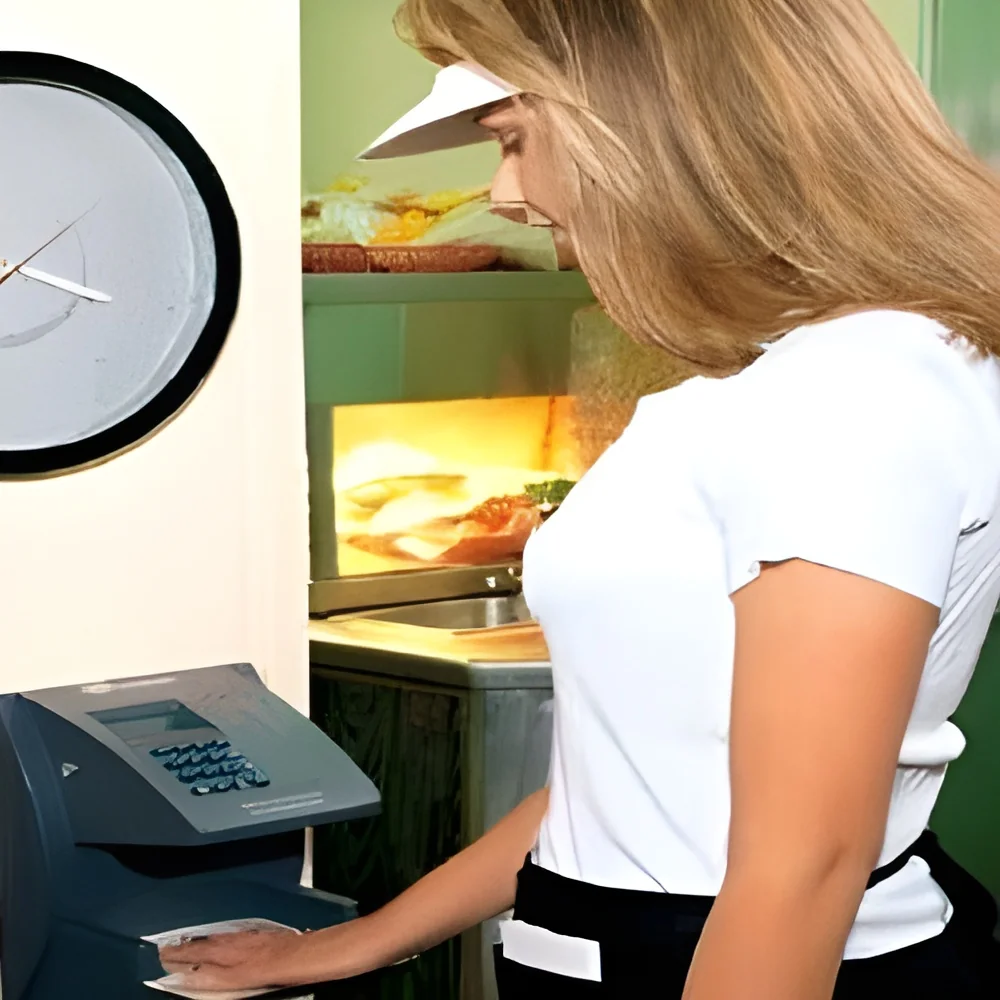
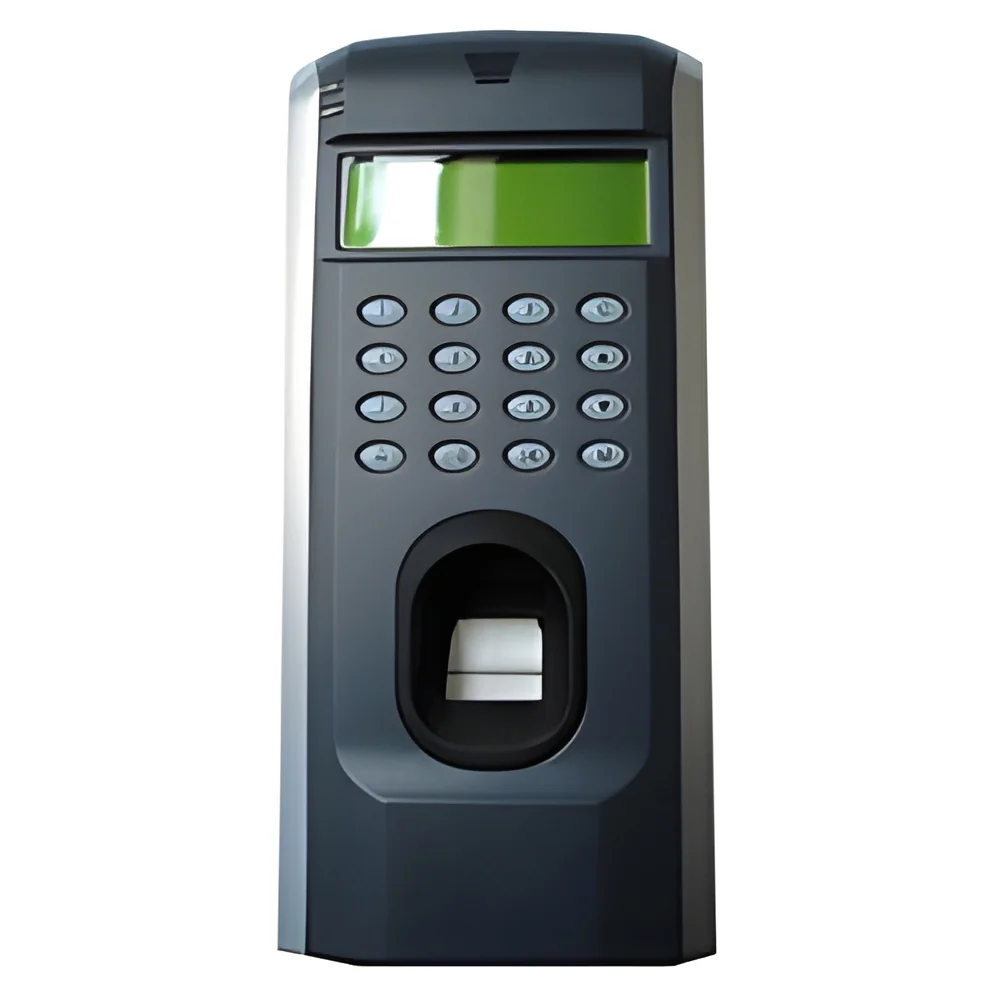
Biometric attendance systems are advanced devices that use unique biological traits to verify and record the presence of employees or individuals. These systems typically utilize fingerprints, facial recognition, or iris scans to ensure accurate identification. By relying on physical attributes, biometric systems eliminate the potential for buddy punching and unauthorized access, providing a more secure and reliable method for tracking attendance.
The primary applications of biometric attendance systems are found in workplaces, educational institutions, and government facilities. Businesses utilize these systems to streamline attendance tracking, payroll processing, and employee management. In educational settings, they help monitor student attendance and enhance security. The increasing need for accurate and efficient attendance solutions has led to a growing market for biometric technologies across various industries.
As the demand for secure access control and accurate attendance tracking continues to rise, biometric attendance systems are becoming increasingly relevant in today’s market. With advancements in technology, these systems are more accessible and affordable, allowing businesses of all sizes to benefit from their capabilities. The integration of biometric systems into organizational processes not only improves operational efficiency but also enhances security protocols in workplaces.
Key Features and Specifications
Biometric attendance systems come equipped with a range of features designed to enhance functionality and user experience. These systems are characterized by their accuracy, speed, and ease of use.
Key specifications include:
1. Identification Method
- Types of identification include fingerprint recognition, facial recognition, and iris scanning.
- Each method has varying accuracy rates, typically above 98%.
2. Data Storage Capacity
- Systems can store data for hundreds to thousands of users.
- Some devices allow for cloud storage options for easy access and management.
3. Connectivity Options
- Options include USB, Wi-Fi, and Ethernet connections for data transfer.
- Wireless connectivity enables remote access and monitoring.
4. User Interface
- Many systems feature touch screens or LED displays for ease of use.
- User-friendly interfaces facilitate quick navigation and operation.
5. Power Supply
- Biometric systems may operate on battery or direct power supply.
- Battery-operated models often have backup options to ensure reliability.
6. Security Features
- Encryption protocols protect sensitive data during transmission.
- Some systems offer tamper alerts and logs for security breaches.
7. Software Compatibility
- Many biometric systems integrate with existing HR and payroll software.
- Compatibility ensures seamless data synchronization and reporting.
8. Compliance Standards
- Devices comply with international standards, such as CE certification.
- Compliance ensures quality and safety in operation.
In summary, biometric attendance systems offer a variety of features that enhance their functionality and integration into existing systems. These specifications are crucial for businesses looking to implement reliable attendance tracking solutions.
Common Applications and Use Cases
Biometric attendance systems serve diverse industries, providing tailored solutions for attendance tracking and security.
1. Education: Schools and universities use biometric systems to monitor student attendance, ensuring accurate records and enhancing campus security.
2. Healthcare: Hospitals and clinics employ these systems to track staff attendance and manage access to sensitive areas, improving overall security and operational efficiency.
3. Manufacturing: Factories utilize biometric attendance systems to monitor worker hours, reducing time theft and improving payroll accuracy.
4. Corporate Offices: Businesses implement biometric systems for employee attendance tracking and to secure sensitive areas, safeguarding company assets and information.
5. Government Facilities: Biometric attendance systems are used in various government sectors to control access and maintain secure environments for personnel and sensitive data.
6. Retail: Retailers use these systems to monitor employee attendance and manage shift schedules, enhancing workforce management and efficiency.
7. Hospitality: Hotels and resorts implement biometric systems to streamline check-in processes and manage staff attendance, improving guest experiences and operational efficiency.
Product Variants and Subcategories
Biometric attendance systems come in various models to meet different business needs.
Fingerprint Attendance System: This variant utilizes fingerprint recognition technology for accurate identification. It is ideal for businesses seeking a cost-effective solution for attendance tracking and is known for its speed and reliability.
Facial Recognition Attendance System: This advanced system employs facial recognition technology to identify individuals. It is particularly useful in high-security environments where contactless solutions are preferred.
Iris Recognition Attendance System: This variant uses iris scanning for identification. It offers a high level of accuracy and security, making it suitable for facilities that require stringent access control.
Benefits and Advantages
Biometric attendance systems provide numerous benefits that enhance operational efficiency and security in organizations.
1. Increased Accuracy: Biometric systems minimize errors associated with traditional attendance methods, ensuring precise tracking of employee attendance.
2. Enhanced Security: By relying on unique biological traits, these systems significantly reduce the risk of unauthorized access and time theft.
3. Cost Efficiency: Implementing biometric attendance systems can lead to savings on payroll costs by eliminating buddy punching and reducing administrative overhead.
4. User-Friendly Operation: Most biometric systems are designed for ease of use, allowing quick and simple check-in procedures for users.
5. Integration Capabilities: Biometric attendance systems can easily integrate with existing HR and payroll systems, streamlining data management.
6. Improved Accountability: The use of biometric technology fosters a culture of accountability among employees, as attendance records are securely logged and monitored.
Buying Guide for B2B Buyers
When sourcing biometric attendance systems, there are several critical factors to consider to ensure a successful purchase.
1. Quality Assessment: Evaluate the quality of the biometric devices by reviewing specifications, user reviews, and manufacturer certifications. Ensure that the systems meet industry standards for performance and reliability.
2. Supplier Verification: Vet potential suppliers by checking their reputation, customer feedback, and history in the market. Reliable suppliers will provide warranties and support services.
3. Pricing and MOQ: Consider the pricing structures and minimum order quantities (MOQ) that suppliers offer. Compare options to find a cost-effective solution that meets your business requirements.
4. Delivery and Lead Times: Clarify delivery schedules and lead times with suppliers. Timely delivery is essential for implementing attendance systems without disrupting business operations.
5. Compliance Requirements: Ensure that the biometric systems meet relevant regulatory requirements and industry standards. This may include certifications such as CE, which indicate compliance with safety and quality standards.
Compliance and Certifications
Biometric attendance systems must adhere to various compliance and certification standards to guarantee quality and safety. Relevant quality standards include ISO 9001, which outlines criteria for a quality management system. This certification ensures that manufacturers maintain consistent quality in their products.
In addition to ISO standards, biometric systems often require compliance with industry-specific certifications, such as CE marking. CE certification indicates that the products meet European health, safety, and environmental protection standards. This is crucial for gaining market access in Europe and other regions.
Safety and testing requirements are also vital, as biometric systems must undergo rigorous testing to ensure they function correctly and safely in various environments. Additionally, regional compliance considerations may be necessary, as different countries have specific regulations regarding data protection and biometric data usage.
Why Source Biometric Attendance Systems from Pepagora?
Pepagora provides a trusted platform for sourcing biometric attendance systems, offering a range of advantages that benefit B2B buyers.
Verified Supplier Network: Pepagora connects buyers with a network of verified suppliers. This ensures that businesses can find reputable manufacturers who meet quality standards and provide reliable products.
Streamlined RFQ Process: The platform facilitates a streamlined Request for Quotation (RFQ) process, allowing buyers to receive competitive quotes from multiple suppliers quickly. This efficiency helps businesses make informed purchasing decisions.
Trade Assurance and Support: Buyers benefit from trade assurance measures offered by Pepagora. This includes buyer protection and support throughout the purchasing process, ensuring a secure transaction.
Regional Coverage: Pepagora has a strong presence in regions such as India, the GCC, and Southeast Asia, providing businesses with access to a variety of suppliers and products. This regional coverage enables companies to source biometric attendance systems tailored to their specific needs.

 IN
IN