
 IN
IoT Gateways & Controllers
1 products available
What are IoT Gateways & Controllers?
IoT Gateways and Controllers are essential components in the Internet of Things ecosystem. They act as intermediaries between IoT devices and cloud services or local networks. By facilitating communication, these devices collect, process, and transmit data from various sensors and actuators. This allows for real-time monitoring and control of connected devices, which is crucial for efficient operations.
These products find applications across various business sectors, such as manufacturing, logistics, and smart cities. Businesses utilize IoT Gateways and Controllers to enhance operational efficiency, improve data analytics, and enable automation. They are particularly relevant in environments where large amounts of data need to be processed quickly and securely, ensuring that organizations can respond to changes and optimize performance effectively.
In the current market landscape, the demand for IoT Gateways and Controllers is growing rapidly. With the increasing adoption of smart technologies, industries are looking for reliable solutions to manage their IoT networks. This trend is driven by the need for enhanced connectivity, data security, and real-time insights, making these products vital for companies seeking to stay competitive.
Key Features and Specifications
IoT Gateways and Controllers come equipped with various features designed to optimize performance and compatibility with different devices. These specifications help organizations choose the right solution that meets their operational needs.
Key specifications include:
1. Connectivity Options
- Supports multiple connectivity protocols such as Wi-Fi, Bluetooth, Zigbee, and cellular.
- Enables integration with a wide range of IoT devices.
2. Data Processing Capabilities
- Offers edge computing functionalities to process data locally.
- Reduces latency and bandwidth usage by filtering data before transmission.
3. Security Features
- Includes encryption protocols to ensure data integrity and confidentiality.
- Provides secure authentication methods to prevent unauthorized access.
4. Scalability
- Designed to accommodate an increasing number of connected devices.
- Supports firmware updates to enhance functionality over time.
5. Environmental Resilience
- Built to withstand harsh conditions, including temperature variations and humidity.
- Often rated for industrial-grade durability.
6. User Interface
- Features intuitive dashboards for easy monitoring and management.
- Allows for remote access and control through mobile applications.
7. Power Consumption
- Optimized for low power usage to extend device lifespan.
- Supports power-over-Ethernet (PoE) options for flexible installations.
8. Compliance Standards
- Adheres to industry standards and certifications, ensuring reliability and safety.
In summary, understanding the key features and specifications of IoT Gateways and Controllers helps businesses make informed decisions about their IoT infrastructure.
Common Applications and Use Cases
IoT Gateways and Controllers serve a variety of industries, enhancing their operational capabilities.
1. Manufacturing: In manufacturing, these devices facilitate real-time monitoring of machinery and equipment, enabling predictive maintenance and reducing downtime.
2. Logistics: IoT Gateways help track shipments and inventory through connected sensors, improving supply chain transparency and efficiency.
3. Smart Cities: They support smart street lighting and traffic management systems, optimizing energy use and improving urban mobility.
4. Agriculture: In agriculture, these devices enable precision farming by connecting sensors that monitor soil moisture and crop health.
5. Healthcare: IoT Gateways in healthcare facilitate remote patient monitoring, allowing for timely interventions and improved patient outcomes.
6. Energy Management: They are used in energy management systems to monitor and control energy consumption in buildings, promoting sustainability.
7. Retail: In the retail sector, these devices help manage inventory levels and customer engagement through connected systems.
Product Variants and Subcategories
IoT Gateways and Controllers are diverse, catering to different operational needs and environments.
Industrial IoT Gateway
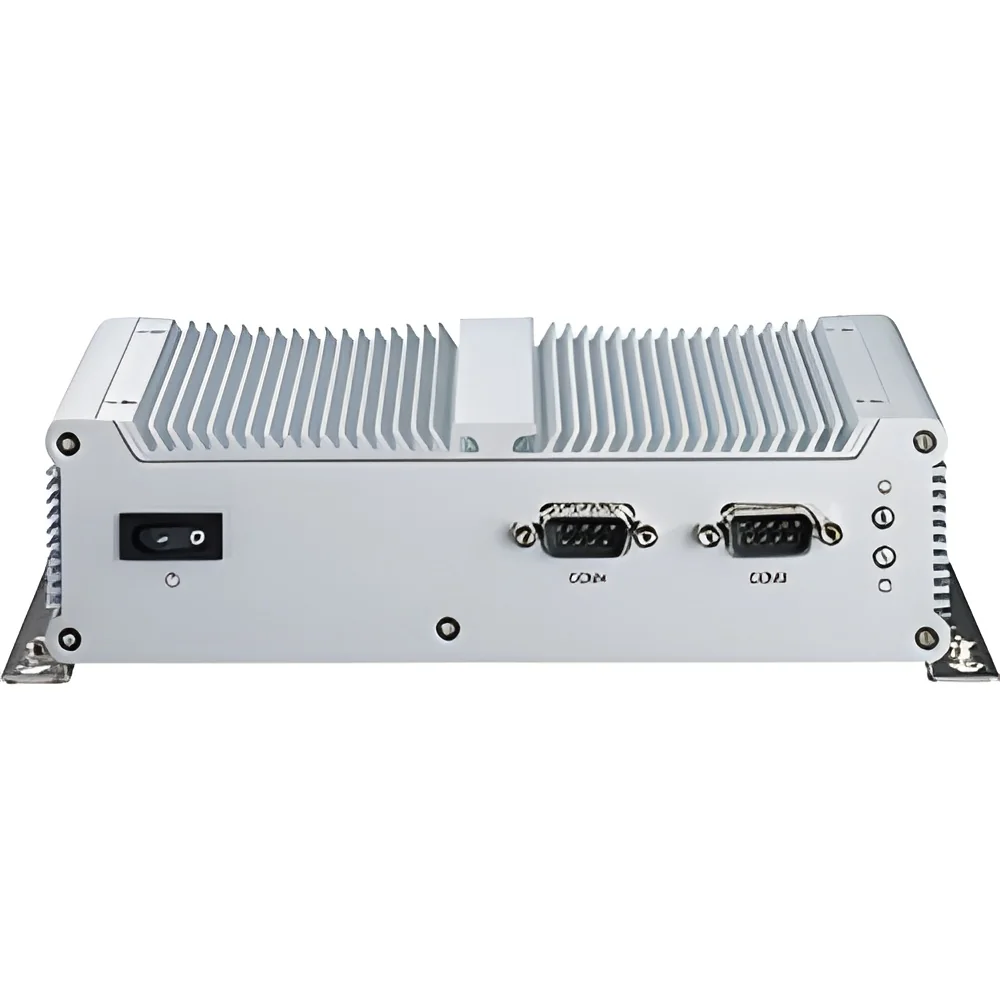
This variant is designed for rugged environments, featuring enhanced durability and support for multiple industrial protocols. It is ideal for manufacturing applications where reliability is crucial.
Smart Home Controller
Focused on residential applications, this controller connects various smart home devices, enabling automation and remote control through user-friendly interfaces.
Telematics Gateway
This variant specializes in vehicle tracking and fleet management. It gathers data from vehicles and relays it to cloud applications for analysis and optimization.
Benefits and Advantages
Investing in IoT Gateways and Controllers offers numerous advantages for businesses.
1. Enhanced Efficiency: By enabling real-time data processing and communication, these devices streamline operations and reduce response times.
2. Improved Data Security: Advanced security features protect sensitive data, ensuring compliance with industry regulations.
3. Cost Savings: Efficient data management reduces operational costs associated with bandwidth and data processing.
4. Scalability: Organizations can easily expand their IoT networks as needs grow, without significant infrastructure changes.
5. Better Decision Making: Access to real-time data insights enables more informed business decisions and strategic planning.
6. Increased Automation: These devices facilitate automation of routine tasks, freeing up resources for more critical activities.
Buying Guide for B2B Buyers
When sourcing IoT Gateways and Controllers, buyers should consider several key factors to ensure they select the appropriate product.
1. Quality Assessment: Evaluate the quality of products based on specifications, performance reviews, and compliance with industry standards.
2. Supplier Verification: Conduct thorough vetting of suppliers to ensure they are reputable and provide reliable products. Check references and past customer feedback.
3. Pricing and MOQ: Understand the price range for different models and the minimum order quantities, as this can impact budget and inventory management.
4. Delivery and Lead Times: Consider logistics challenges and lead times for delivery to meet project timelines and avoid disruptions.
5. Compliance Requirements: Ensure that products meet relevant regulatory standards and certifications necessary for your industry.
Compliance and Certifications
Compliance and certifications are vital for ensuring the quality and safety of IoT Gateways and Controllers. These products often adhere to relevant quality standards such as ISO 9001, which focuses on quality management systems. Compliance with HACCP and GDP ensures that products meet safety and quality requirements in their respective industries.
Additionally, many IoT devices carry industry certifications such as CE, indicating compliance with European safety standards. Safety and testing requirements are crucial, particularly in industries like healthcare and manufacturing, where failures can have significant consequences.
It is also important to consider regional compliance needs, as regulations may vary across different markets. Buyers should verify that their chosen products meet local standards to ensure successful deployment and operation.
Why Source IoT Gateways & Controllers from Pepagora?
Pepagora provides a trusted platform for sourcing IoT Gateways and Controllers with several key advantages.
Verified Supplier Network: Pepagora has established a network of verified suppliers, ensuring that buyers can trust the quality and reliability of the products they purchase.
Streamlined RFQ Process: The platform offers a user-friendly request for quotation (RFQ) system, making it easy for buyers to obtain competitive pricing and terms from multiple suppliers.
Trade Assurance and Support: Pepagora prioritizes buyer protection through trade assurance, providing support throughout the purchasing process to address any concerns.
Regional Coverage: With a strong presence in India, the GCC, and Southeast Asia, Pepagora connects buyers with suppliers across these regions, facilitating efficient sourcing and logistics.
By choosing Pepagora, businesses can confidently navigate the procurement of IoT Gateways and Controllers, ensuring they find the best solutions for their needs.

Frequently Asked Questions
What are IoT Gateways & Controllers?
IoT Gateways & Controllers are devices that facilitate communication between IoT devices and the cloud or other networks. They serve as intermediaries that collect, process, and transmit data, ensuring seamless connectivity and data management.
What are the different types of IoT Gateways & Controllers?
There are several types of IoT Gateways & Controllers, including edge gateways, cloud gateways, and protocol gateways. Each type serves specific functions such as data processing at the edge, remote management, or protocol translation between different IoT devices.
How do I choose the right IoT Gateways & Controllers?
To choose the right IoT Gateways & Controllers, consider factors such as compatibility with existing devices, required data processing capabilities, and network protocols. Assess your specific use case and scalability needs to find the most suitable option.
What are the standard specifications for IoT Gateways & Controllers?
Standard specifications for IoT Gateways & Controllers typically include processing power, memory capacity, supported communication protocols, and security features. It's important to ensure that the specifications align with your IoT application requirements.
What is the price range for IoT Gateways & Controllers?
The price range for IoT Gateways & Controllers can vary significantly based on features and capabilities, typically ranging from a few thousand to several tens of thousands of Indian Rupees. Pricing may also depend on the manufacturer and any additional services offered.
What quality standards apply to IoT Gateways & Controllers?
Quality standards for IoT Gateways & Controllers often include compliance with international certifications such as ISO, IEC, and CE. Manufacturers may also adhere to specific industry standards to ensure reliability and performance in various applications.
Where can I find IoT Gateways & Controllers suppliers in India?
You can find IoT Gateways & Controllers suppliers in India through online B2B marketplaces like Pepagora, industry trade shows, and business directories. Networking within industry-specific forums and associations can also help identify reputable suppliers.
Can IoT Gateways & Controllers be customized?
Yes, many manufacturers offer customization options for IoT Gateways & Controllers to meet specific customer requirements. Customization may include hardware modifications, software configurations, and integration with existing systems.
What is the typical minimum order quantity for IoT Gateways & Controllers?
The typical minimum order quantity (MOQ) for IoT Gateways & Controllers varies by manufacturer, but it often ranges from 10 to 100 units. It's advisable to check with individual suppliers for their specific MOQ policies.
What is the typical lead time for IoT Gateways & Controllers?
The typical lead time for IoT Gateways & Controllers can range from a few weeks to several months, depending on the complexity of the order and the manufacturer's production schedule. Always confirm lead times with suppliers before placing an order.
Why Businesses Trust Pepagora
Thousands of companies trust Pepagora to source smarter and sell faster
Expand Your Sales Globally

Source Smarter,Grow Faster
