
 IN
Visitor Management Systems
2 products available
What are Visitor Management Systems?
Visitor Management Systems are technology solutions designed to streamline and enhance the process of managing visitors in various types of organizations. These systems typically facilitate the registration, tracking, and monitoring of individuals entering and exiting a facility. By utilizing digital tools, organizations can ensure a more secure and efficient visitor experience, reducing the administrative burden traditionally associated with visitor management.
These systems are widely used across a range of industries including corporate offices, educational institutions, healthcare facilities, and government buildings. They serve various purposes, such as improving security protocols, enhancing visitor experience, and maintaining compliance with safety regulations. In today's fast-paced business environment, Visitor Management Systems have become essential for organizations aiming to improve operational efficiency and provide a positive first impression to guests.
As businesses increasingly prioritize security and efficiency, the market for Visitor Management Systems continues to grow. Organizations are recognizing the need for solutions that not only streamline processes but also integrate with existing security systems. This trend reflects a broader shift towards digitization in organizational operations, making Visitor Management Systems a relevant and necessary tool in various industry sectors.
Key Features and Specifications
Visitor Management Systems offer a range of features designed to meet the diverse needs of organizations. These systems typically include functionalities that enhance security, improve efficiency, and provide valuable data insights.
Key specifications include:
1. User Registration
- Allows visitors to register online or on-site.
- May include pre-registration options for returning visitors.
2. Badge Printing
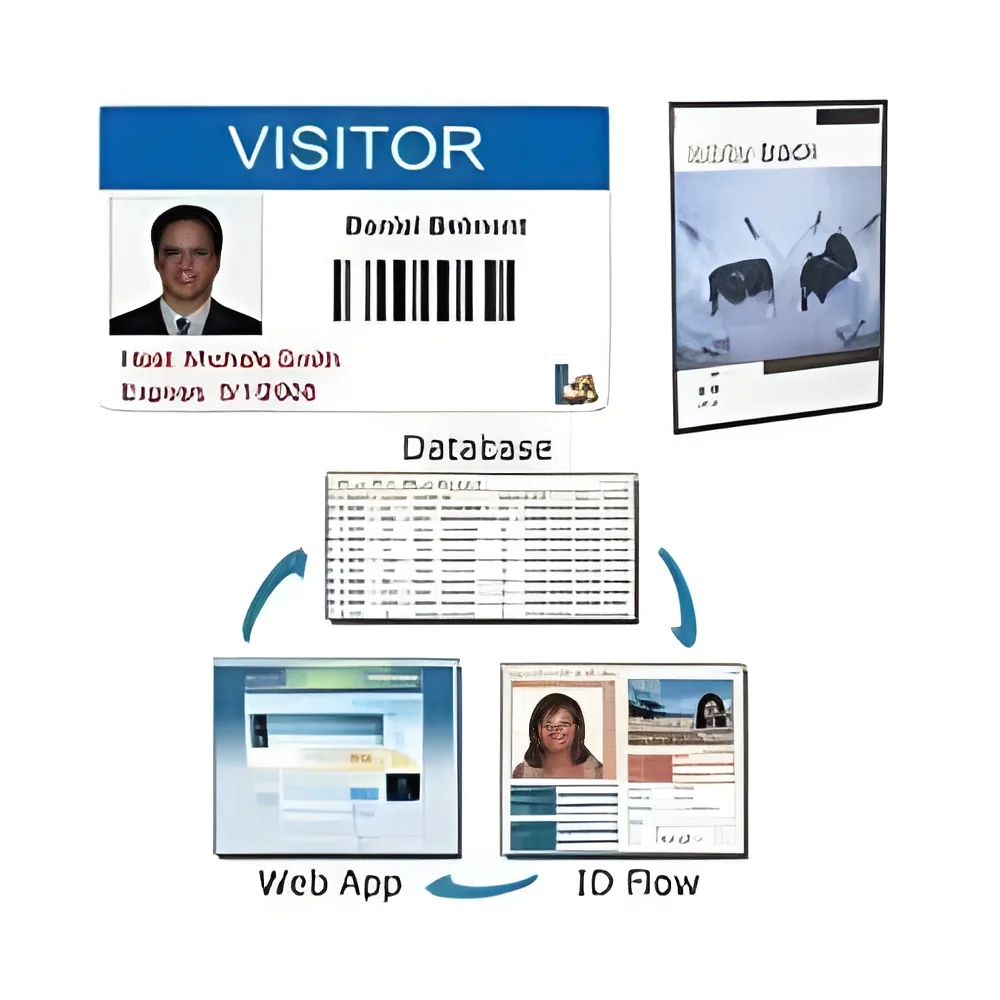
- Enables instant printing of visitor badges with identification and access levels.
- Supports various badge sizes and formats.
3. Real-time Alerts
- Sends notifications to hosts about visitor arrivals.
- Can alert security personnel in case of emergencies.
4. Digital Logs
- Maintains a digital record of all visitors for security audits.
- Enables easy retrieval of visitor history.
5. Integration Capabilities
- Integrates with existing security systems and access control.
- Compatible with other software, such as calendar and email systems.
6. Analytics and Reporting
- Provides insights into visitor trends and patterns.
- Generates reports for compliance and security assessments.
7. Customization Options
- Offers customizable features to meet specific organizational needs.
- Allows branding with company logos and colors.
8. Multi-language Support
- Accommodates diverse visitor demographics by offering multiple language options.
- Enhances accessibility for international visitors.
In summary, the key features of Visitor Management Systems focus on improving security, operational efficiency, and visitor experience, making them indispensable for modern organizations.
Common Applications and Use Cases
Visitor Management Systems find applications across multiple industries, each benefiting from tailored functionalities.
1. Corporate Offices: In corporate environments, these systems streamline visitor check-ins and enhance security, ensuring that only authorized individuals gain access to sensitive areas.
2. Educational Institutions: Schools and universities use these systems to monitor visitors, ensuring student safety while providing a welcoming environment for guests attending events.
3. Healthcare Facilities: Hospitals and clinics utilize Visitor Management Systems to manage patient visitors, maintain compliance with health regulations, and provide a secure environment for patients and staff.
4. Government Buildings: Government entities employ these systems to control access to secure areas, track visitors for security purposes, and manage appointments efficiently.
5. Event Venues: Event organizers use Visitor Management Systems to manage guest lists, streamline registration processes, and enhance the overall attendee experience.
6. Manufacturing Plants: In industrial settings, these systems help monitor access to sensitive areas, ensuring compliance with safety and security standards.
7. Hotels and Resorts: Hospitality businesses leverage these systems to enhance guest experience through quick check-ins and personalized service.
Product Variants and Subcategories
Visitor Management Systems come in various forms to cater to the unique needs of different organizations.
Cloud-based Systems: These systems offer flexibility by allowing access from any location with internet connectivity. They are easy to set up and require minimal IT resources.
On-premise Systems: These solutions are installed on local servers, offering organizations complete control over their data and security measures. They are suitable for businesses with strict data privacy requirements.
Mobile Apps: Many Visitor Management Systems feature mobile applications that enable visitors to check-in using their smartphones. This enhances convenience and speeds up the registration process.
Kiosk Systems: Kiosks placed at entry points allow visitors to self-check-in, reducing wait times and administrative efforts. They can be equipped with touchscreen interfaces for ease of use.
Benefits and Advantages
Implementing a Visitor Management System provides numerous advantages for organizations looking to improve their visitor management processes.
Key benefits include:
1. Enhanced Security: These systems help monitor and control access, ensuring that only authorized individuals can enter the premises.
2. Improved Efficiency: Streamlining check-in processes reduces wait times and administrative workload, allowing staff to focus on core activities.
3. Better Visitor Experience: A professional visitor management process creates a positive impression and enhances guest satisfaction.
4. Compliance Assurance: Visitor Management Systems help organizations meet regulatory requirements by maintaining accurate visitor logs and reporting capabilities.
5. Real-time Data Access: Organizations gain valuable insights into visitor traffic and patterns, which can inform security measures and operational improvements.
6. Customization: Many systems offer customizable features, allowing organizations to tailor the solution to their specific needs.
Buying Guide for B2B Buyers
When sourcing Visitor Management Systems, it is crucial for B2B buyers to consider several important factors.
1. Quality Assessment: Evaluate the quality of the system by checking for user reviews, case studies, and performance metrics to ensure it meets your organization's needs.
2. Supplier Verification: Vet suppliers by checking their credentials, customer feedback, and support services to ensure reliability and trustworthiness.
3. Pricing and MOQ: Understand the pricing structure and minimum order quantities to ensure that the chosen system aligns with your budget and operational scale.
4. Delivery and Lead Times: Inquire about delivery schedules and lead times to ensure timely implementation and avoid disruptions in operations.
5. Compliance Requirements: Ensure that the system meets industry-specific compliance standards and regulations to avoid potential legal issues.
Compliance and Certifications
Visitor Management Systems must adhere to various quality standards and certifications to ensure reliability and effectiveness. Compliance with ISO 9001 is crucial as it sets the framework for quality management systems, ensuring consistent quality in products and services.
Additionally, many systems carry CE certification, indicating conformity with health, safety, and environmental protection standards within the European Economic Area. This certification is essential for businesses operating internationally or within regulated industries.
Organizations must also consider safety and testing requirements to ensure that the systems they choose are reliable and meet industry standards. Regional compliance may vary, so it is essential to stay informed about local regulations that may impact the deployment of Visitor Management Systems.
Why Source Visitor Management Systems from Pepagora?
Pepagora provides a trusted platform for sourcing Visitor Management Systems with several key advantages.
Verified Supplier Network: Pepagora has established a network of verified suppliers, ensuring that buyers receive quality products from reputable sources. This network simplifies the process of finding reliable vendors.
Streamlined RFQ Process: The platform offers a straightforward request for quotation (RFQ) process, allowing buyers to easily obtain quotes from multiple suppliers and compare offerings effectively.
Trade Assurance and Support: Pepagora offers trade assurance features that protect buyers throughout the purchasing process, providing peace of mind and support if any issues arise.
Regional Coverage: With a strong presence in India, the GCC, and Southeast Asia, Pepagora ensures that buyers can access a wide range of Visitor Management Systems tailored to regional requirements and preferences.

Frequently Asked Questions
What are Visitor Management Systems?
Visitor Management Systems are software solutions designed to streamline the process of managing visitors in a facility. They typically include features for visitor registration, tracking, check-in/check-out processes, and reporting to enhance security and operational efficiency.
What are the different types of Visitor Management Systems?
There are several types of Visitor Management Systems, including cloud-based solutions, on-premise software, and mobile applications. Each type offers various functionalities, such as remote access, integration with existing security systems, and customizable visitor protocols.
How do I choose the right Visitor Management Systems?
When selecting a Visitor Management System, consider factors such as the size of your organization, the volume of visitors, required features, and budget. It's also important to evaluate the system's scalability, ease of use, and integration capabilities with other tools.
What are the standard specifications for Visitor Management Systems?
Standard specifications for Visitor Management Systems may include user-friendly interfaces, real-time visitor tracking, secure data storage, and compliance with data protection regulations. Additionally, systems should support various check-in methods, such as self-service kiosks and mobile apps.
What is the price range for Visitor Management Systems?
The price range for Visitor Management Systems can vary widely depending on features and deployment models. Basic systems may start from a few thousand rupees, while more advanced solutions with extensive functionalities may cost significantly more, sometimes reaching lakhs.
What quality standards apply to Visitor Management Systems?
Quality standards for Visitor Management Systems often include compliance with ISO certifications, data security standards, and industry-specific regulations. Ensuring that the system meets these standards is crucial for maintaining security and operational integrity.
Where can I find Visitor Management Systems suppliers in India?
You can find Visitor Management Systems suppliers in India through B2B marketplaces like Pepagora.com, industry trade shows, and online directories. It's advisable to review supplier credentials and customer feedback to ensure reliability.
Can Visitor Management Systems be customized?
Yes, many Visitor Management Systems offer customization options to meet the specific needs of an organization. Customization may include tailored workflows, branding elements, and integration with existing software systems.
What is the typical minimum order quantity for Visitor Management Systems?
The typical minimum order quantity (MOQ) for Visitor Management Systems varies by supplier and product type. Some suppliers may offer systems with no MOQ, while others may require a minimum number of licenses or units to be purchased.
What is the typical lead time for Visitor Management Systems?
The typical lead time for Visitor Management Systems can range from a few days to several weeks, depending on factors such as customization, installation, and training requirements. It's important to discuss lead times with your supplier to ensure timely deployment.
Why Businesses Trust Pepagora
Thousands of companies trust Pepagora to source smarter and sell faster
Expand Your Sales Globally

Source Smarter,Grow Faster
