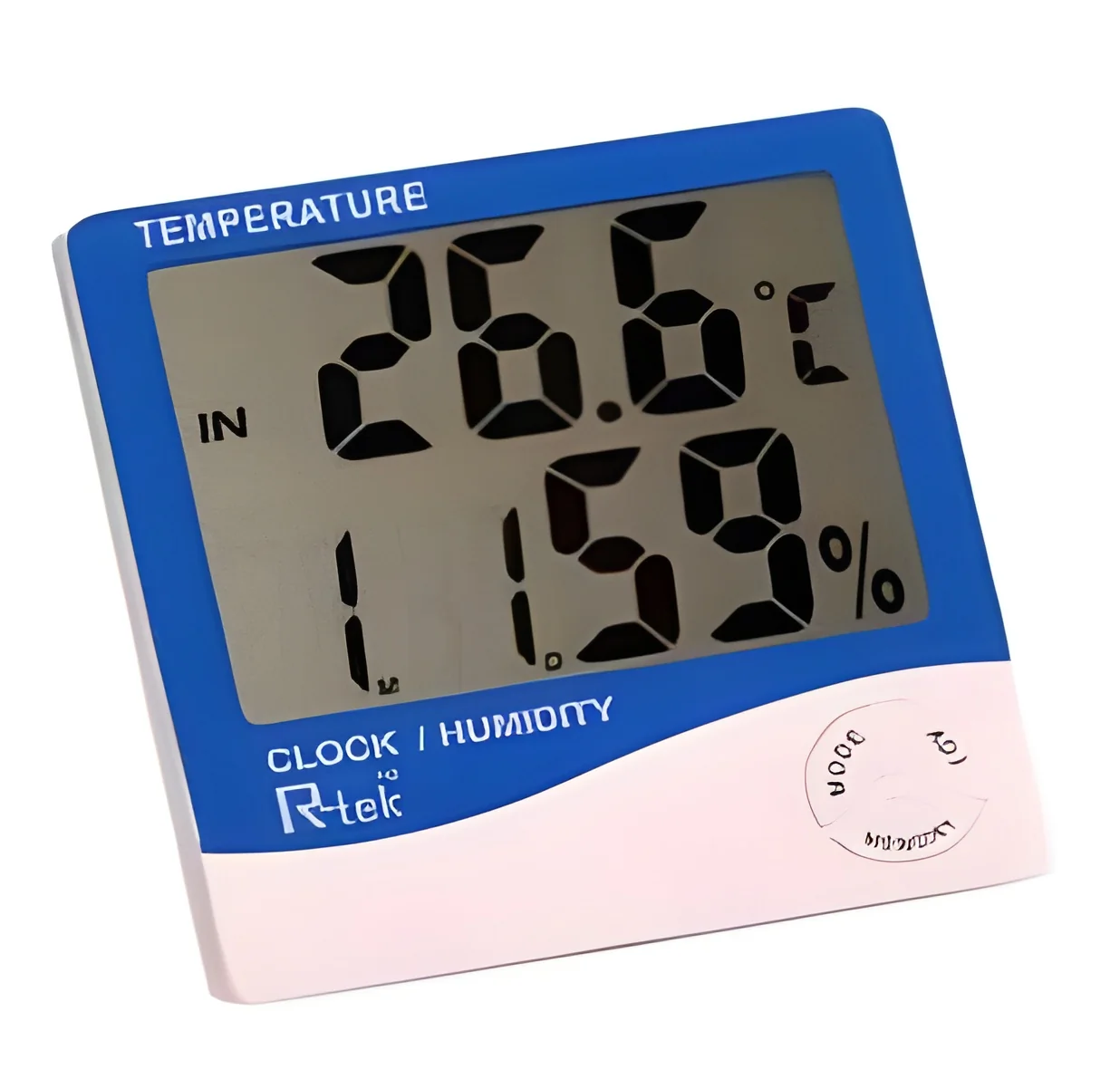
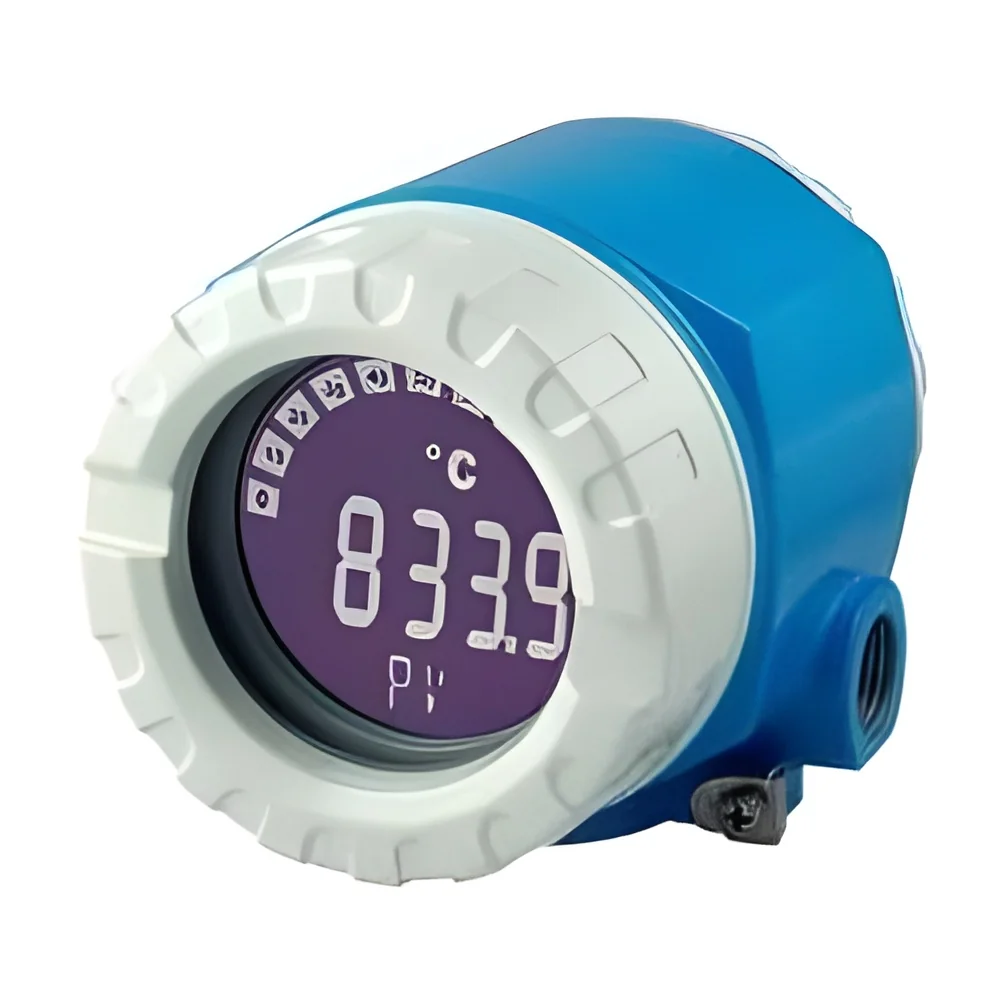
What are Temperature & Humidity Sensors?
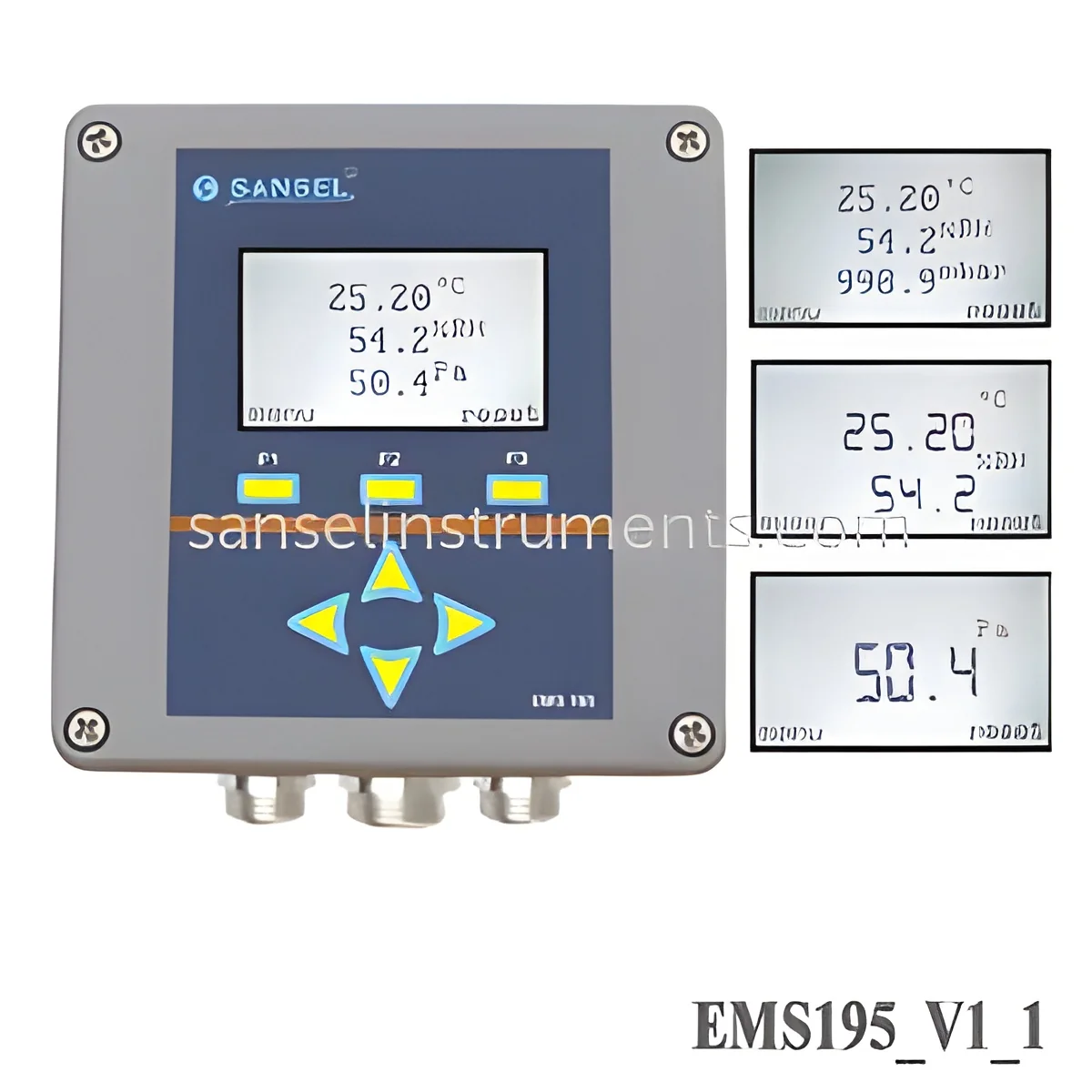
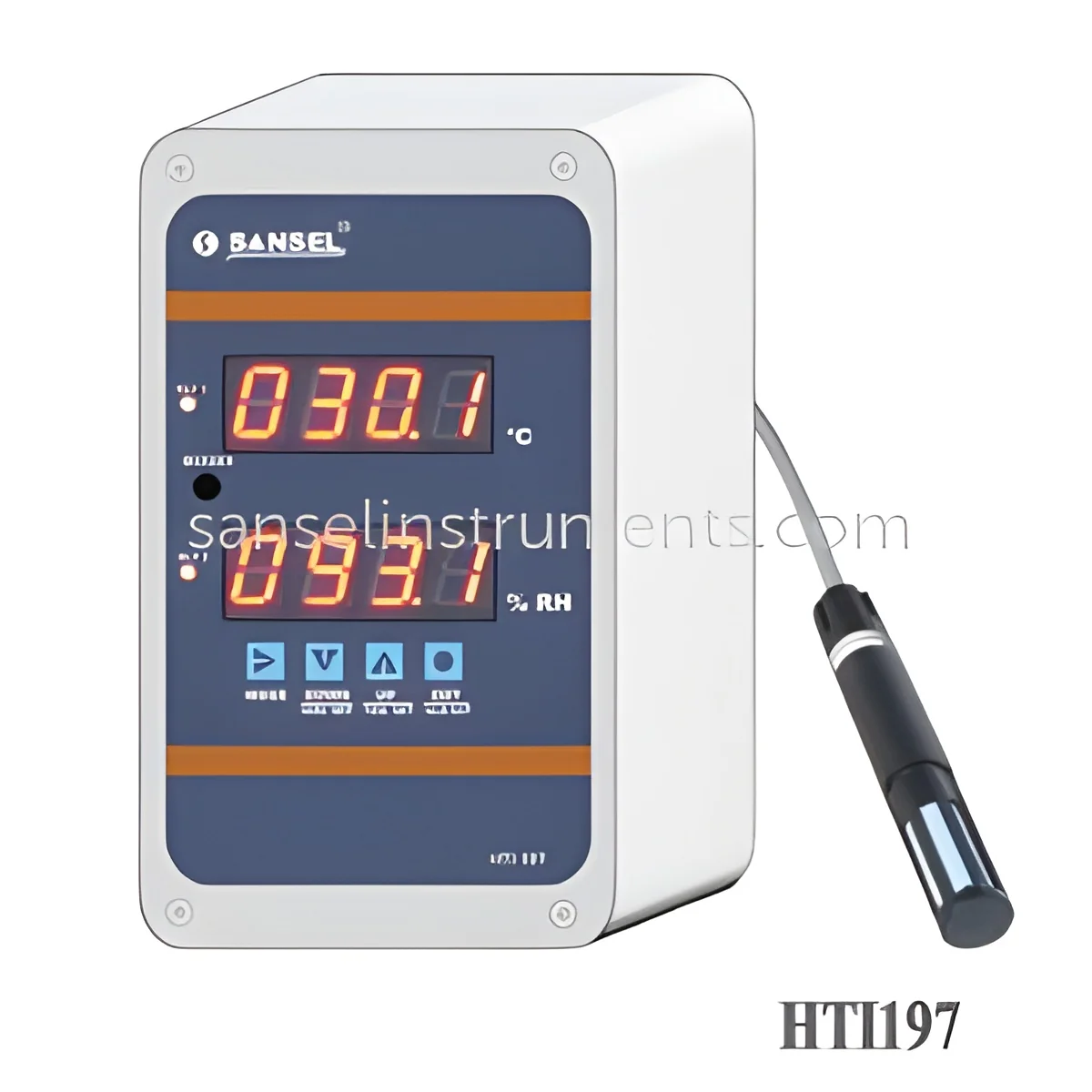
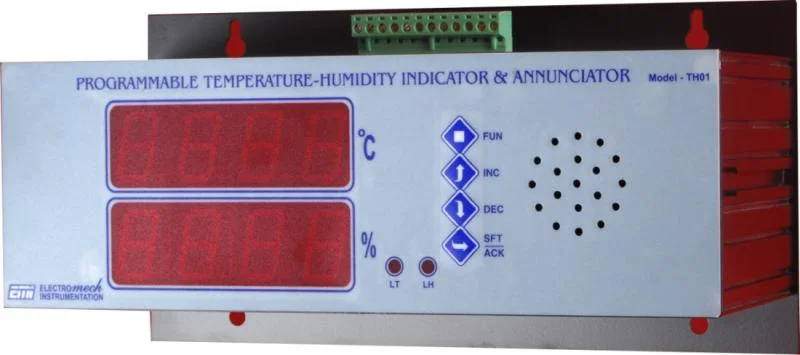
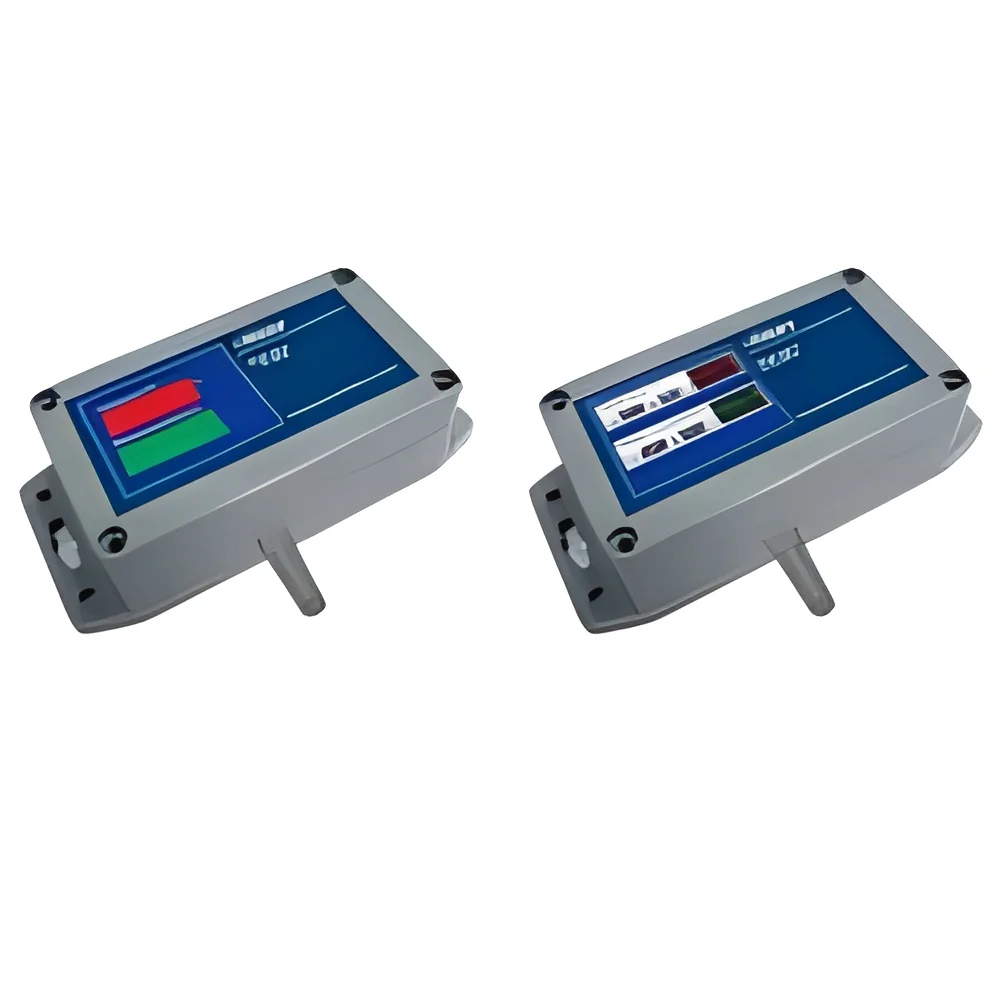
Temperature and humidity sensors are devices designed to monitor and measure environmental conditions, specifically temperature and humidity levels. These sensors operate by utilizing various technologies to provide accurate readings of the ambient air, which is essential for maintaining optimal conditions in various applications. They can detect changes in the environment and relay this information to a central system for analysis or action.
These sensors find extensive use in several business applications, including HVAC systems, industrial processes, and storage facilities. Proper temperature and humidity control is crucial in sectors such as food and beverage, pharmaceuticals, and manufacturing. By ensuring that products are stored and processed in ideal conditions, businesses can enhance product quality, increase efficiency, and reduce waste. The growing awareness of environmental monitoring and regulation compliance further reinforces the relevance of these sensors in today's market.
Key Features and Specifications
Temperature and humidity sensors come equipped with several features that enhance their usability across different industries. They are designed to provide precise measurements over a range of conditions, ensuring reliability and performance.
Key specifications include:
1. Measurement Range
- Temperature range typically from -40°C to +125°C
- Humidity range from 0% to 100% RH
2. Accuracy
- Temperature accuracy within ±0.5°C
- Humidity accuracy within ±2% RH
3. Response Time
- Quick response time, generally under 10 seconds
4. Output Signal
- Common output types include analog (4-20 mA) and digital (Modbus, RS-485)
5. Power Supply
- Operating voltage options typically between 5V to 24V DC
6. Operating Temperature
- Designed for operation in environments ranging from -20°C to +60°C
7. Connectivity Options
- Options for wired and wireless connectivity for data transmission
8. Housing Material
- Durable construction with IP ratings for moisture and dust resistance
These features make temperature and humidity sensors suitable for diverse applications, providing critical data that enables businesses to manage their environments effectively.
Common Applications and Use Cases
Temperature and humidity sensors are widely used across various industries to ensure optimal conditions for products and processes.
1. Food and Beverage: In this industry, sensors monitor temperatures in storage and transportation to prevent spoilage and maintain freshness.
2. Pharmaceuticals: Sensors ensure that sensitive medications are stored at required temperature and humidity levels, adhering to strict regulatory standards.
3. Warehousing: In logistics, accurate monitoring helps maintain ideal conditions for stored goods, preventing damage caused by fluctuating environmental factors.
4. Greenhouses: These sensors assist in creating optimal growing conditions for plants by monitoring and controlling environmental factors.
5. Data Centers: In IT environments, sensors help regulate temperature and humidity to protect sensitive equipment from overheating and moisture.
6. HVAC Systems: Sensors play a crucial role in controlling heating, ventilation, and air conditioning systems, ensuring energy efficiency and comfort.
7. Museums and Archives: In cultural preservation, sensors maintain controlled environments to protect artifacts from damage due to humidity and temperature fluctuations.
Product Variants and Subcategories
Temperature and humidity sensors come in several variants to cater to specific needs across different applications.
Wired Temperature and Humidity Sensors: These sensors connect directly to monitoring systems, providing continuous data for critical applications. They are often used in industrial settings where reliable, real-time data transmission is essential.
Wireless Temperature and Humidity Sensors: These offer flexibility in installation and can transmit data over long distances without the need for extensive cabling. Ideal for large facilities and remote monitoring, they provide convenience without compromising accuracy.
Portable Temperature and Humidity Sensors: Designed for field use, these handheld devices allow for quick temperature and humidity checks in various environments. They are particularly useful for spot-checking conditions in transit or during inspections.
Benefits and Advantages
Using temperature and humidity sensors offers numerous benefits for businesses looking to optimize their processes and product quality.
1. Enhanced Product Quality: Maintaining proper temperature and humidity levels safeguards product integrity, particularly for sensitive items like food and pharmaceuticals.
2. Cost Efficiency: By monitoring environmental conditions, companies can reduce energy consumption and waste, leading to significant savings.
3. Regulatory Compliance: Sensors help businesses comply with industry regulations regarding environmental conditions, avoiding penalties and ensuring product safety.
4. Increased Operational Efficiency: Real-time monitoring allows for quick responses to changing conditions, reducing downtime and improving process efficiency.
5. Data-Driven Decisions: The data collected by these sensors aids in making informed decisions regarding operational adjustments and improvements.
6. Improved Customer Satisfaction: By ensuring high standards in product quality, businesses can enhance customer trust and satisfaction.
Buying Guide for B2B Buyers
When sourcing temperature and humidity sensors, it is essential to consider a few critical factors to ensure you select the right product for your needs.
1. Quality Assessment: Evaluate the quality standards and certifications of the sensors. Look for products that comply with relevant industry standards to ensure reliability and performance.
2. Supplier Verification: Conduct thorough research on suppliers to confirm their credibility and track record. Check for reviews, ratings, and their history in the industry.
3. Pricing and MOQ: Understand the pricing structure and minimum order quantities (MOQ) required by suppliers. This helps in budgeting and ensuring you can meet your operational needs.
4. Delivery and Lead Times: Inquire about logistics and delivery times. Timely delivery is crucial to avoid disruptions in your operations.
5. Compliance Requirements: Ensure that the sensors meet any specific regulatory requirements relevant to your industry. This is vital for avoiding compliance issues down the line.
Compliance and Certifications
Temperature and humidity sensors must adhere to various quality standards and certifications to ensure their reliability and safety in applications.
Many sensors comply with ISO 9001 standards, which relate to quality management systems. This ensures that the manufacturing processes maintain consistent quality.
Additionally, industry certifications such as CE (Conformité Européenne) indicate that the products meet EU safety, health, and environmental protection standards.
Safety and testing requirements are also critical for these sensors, ensuring that they operate effectively under specified conditions without posing risks to users or the environment.
Regional compliance considerations may vary, so it is essential to understand local regulations that could affect sensor usage and specifications.
Why Source Temperature & Humidity Sensors from Pepagora?
Pepagora provides a trusted platform for sourcing temperature and humidity sensors, offering several key advantages that benefit B2B buyers.
Verified Supplier Network: Pepagora features a robust network of verified suppliers, ensuring buyers have access to quality products. Each supplier undergoes a thorough vetting process to confirm their reliability and reputation in the industry.
Streamlined RFQ Process: The platform simplifies the request for quotation (RFQ) process, allowing buyers to receive multiple quotes efficiently. This expedites the decision-making process and helps buyers compare options easily.
Trade Assurance and Support: Pepagora offers trade assurance, providing buyers with protection throughout the purchasing process. This includes support and assistance in resolving any issues that may arise.
Regional Coverage: With a wide geographic reach, including India, GCC, and Southeast Asia, Pepagora connects buyers with suppliers in various regions. This ensures that buyers can find suitable solutions regardless of their location, enhancing accessibility to quality temperature and humidity sensors.

 IN
IN