What are Smart Lighting Control Systems?
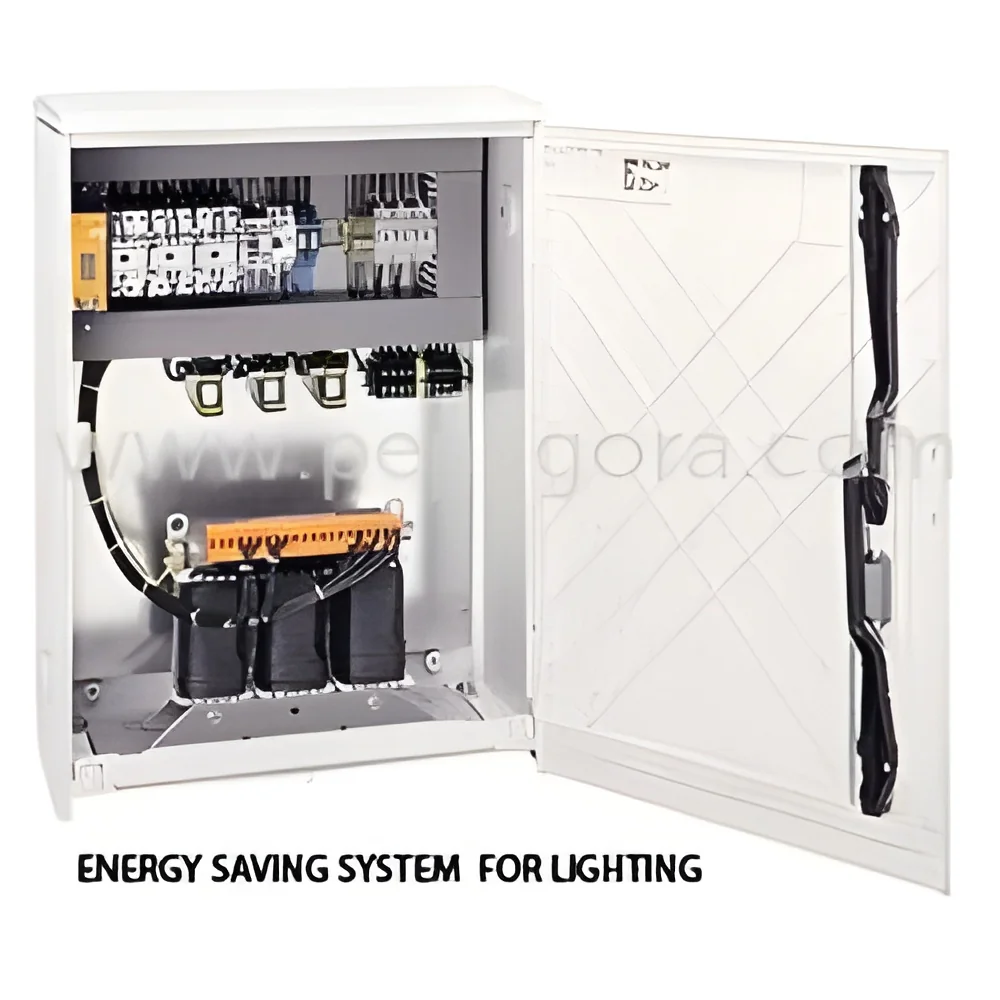
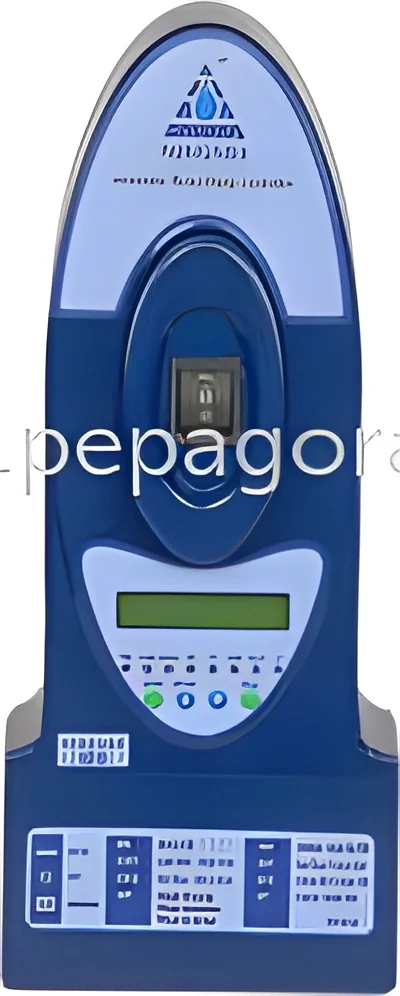
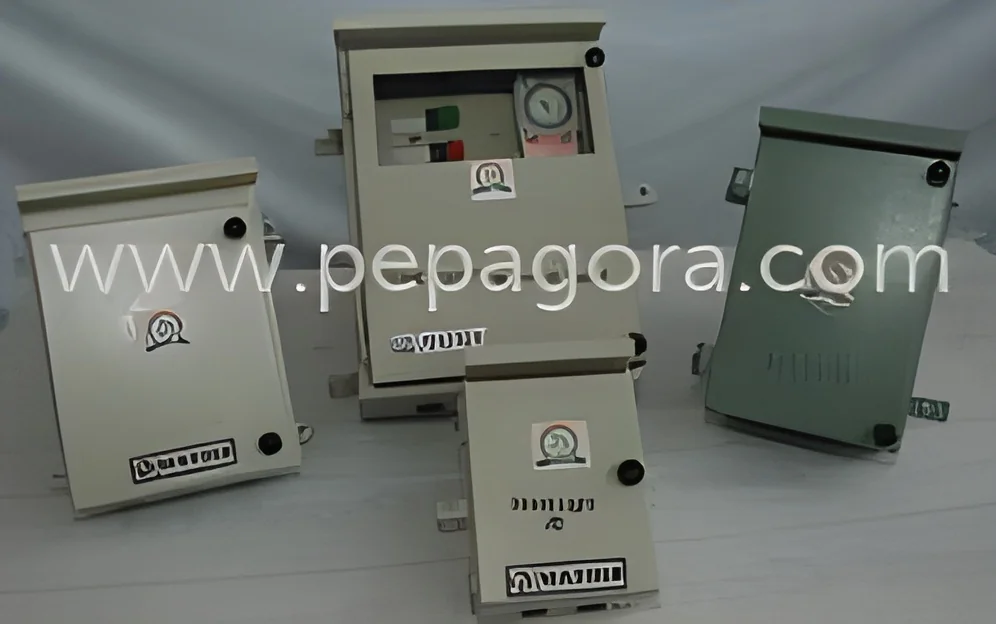
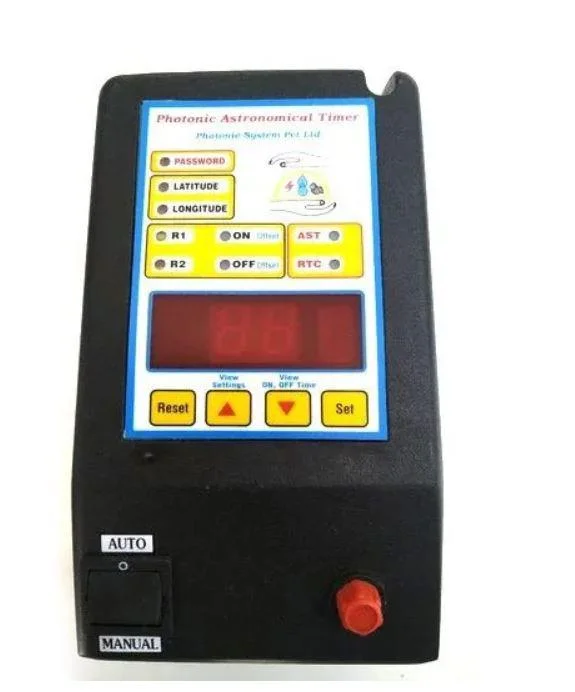
Smart Lighting Control Systems are advanced technologies designed to manage and optimize lighting in various environments. These systems enable users to control the intensity, color, and timing of lights through automation and smart devices. By incorporating sensors, timers, and remote controls, smart lighting solutions enhance energy efficiency, improve user comfort, and provide flexibility in lighting management.
Smart Lighting Control Systems find extensive applications in commercial, industrial, and residential settings. In commercial spaces, they can adjust lighting based on occupancy or natural light levels, leading to significant energy savings. In industrial environments, these systems can monitor and control lighting in large areas, ensuring safety and improving productivity. The relevance of smart lighting is growing as businesses seek sustainable solutions that align with modern technological advancements and energy regulations.
The market for Smart Lighting Control Systems is expanding as businesses increasingly prioritize energy efficiency and smart technology integration. With a focus on sustainability, these systems support the global shift towards greener operations. The continuous advancements in IoT and smart technology further enhance their appeal, making them essential components in modern building management systems.
Key Features and Specifications
Smart Lighting Control Systems come equipped with a variety of features that cater to different user needs. These features enhance usability, efficiency, and integration capabilities.
Key specifications include:
1. Control Methods
- This refers to how users can manage lighting, including mobile apps, voice commands, or wall switches.
- Many systems allow for remote access and scheduling.
2. Energy Monitoring
- Systems often feature energy consumption tracking to help users understand and manage their usage.
- This can include real-time data and analytics.
3. Sensor Integration
- Smart lighting can be integrated with motion and ambient light sensors.
- These sensors automatically adjust lighting based on occupancy and natural light.
4. Compatibility
- Systems should be compatible with various smart home and building automation platforms.
- This ensures seamless integration with existing infrastructure.
5. Dimming Capabilities
- Many systems offer dimming options to create customized lighting atmospheres.
- This can range from simple on/off to full-range dimming.
6. Customization Options
- Users can often customize settings for different areas or functions.
- This includes pre-set lighting scenes for specific activities.
7. Installation Flexibility
- Smart lighting systems can be installed in both new and existing buildings.
- They can be retrofitted to older lighting systems for upgrades.
8. User Interface
- An intuitive user interface is crucial for ease of use.
- Many systems feature touch screens or mobile apps for straightforward interaction.
In summary, the features and specifications of Smart Lighting Control Systems are designed to enhance user experience while maximizing energy efficiency and adapting to various applications.
Common Applications and Use Cases
Smart Lighting Control Systems are versatile solutions applicable across several industries.
1. Commercial Offices: These systems manage office lighting based on occupancy, ensuring lights are only on when needed, which enhances energy efficiency and comfort.
2. Retail Stores: In retail environments, smart lighting can create appealing displays and adjust based on customer traffic, improving the shopping experience.
3. Warehouses and Logistics: In large warehouses, smart lighting systems provide adequate illumination while minimizing energy consumption, especially in unoccupied areas.
4. Healthcare Facilities: Smart lighting helps in creating calming environments for patients and can adjust to different needs during various times of day.
5. Educational Institutions: Classrooms and lecture halls can benefit from automated lighting that adapts to the time of day and activities, promoting better learning environments.
6. Hospitality: Hotels and restaurants utilize smart lighting for ambiance control, enhancing guest experiences while managing energy usage efficiently.
7. Residential: Homeowners use smart lighting systems for convenience and security, allowing them to control lights remotely or through automation.
Product Variants and Subcategories
Smart Lighting Control Systems offer diversity to meet varying customer needs and environments.
Variant 1: Wireless Control Systems
These systems allow for easy installation without extensive wiring. They typically use Wi-Fi or Zigbee technology for connectivity, making them ideal for retrofitting in existing buildings.
Variant 2: Wired Control Systems
These systems are integrated into the building’s electrical infrastructure. They offer enhanced reliability and are suitable for new constructions where wiring can be planned efficiently.
Variant 3: Sensor-Based Systems
These systems automatically adjust lighting based on real-time data from occupancy or ambient light sensors. They are particularly beneficial in environments where lighting needs frequently change.
Benefits and Advantages
Smart Lighting Control Systems provide numerous benefits that can significantly impact energy use and user satisfaction.
1. Energy Efficiency: These systems reduce electricity consumption by optimizing lighting based on actual needs, leading to cost savings.
2. Enhanced Comfort: Users can customize lighting to suit their preferences, improving the overall environment in workplaces or homes.
3. Improved Productivity: In commercial settings, appropriate lighting levels can enhance employee focus and performance.
4. Increased Safety: Automated lighting systems ensure that areas are well-lit when needed, reducing the risk of accidents.
5. Scalability: Smart lighting solutions can easily scale with business growth, accommodating new areas or additional features without extensive upgrades.
6. Remote Access: Users can control lighting from anywhere, providing convenience and flexibility in management.
Buying Guide for B2B Buyers
When sourcing Smart Lighting Control Systems, it is essential to consider several factors to ensure the best fit for your needs.
1. Quality Assessment: Evaluate the quality of components and technology used in the systems. Look for reputable brands with positive reviews and case studies.
2. Supplier Verification: Vet suppliers to ensure they have a history of reliability and customer service. Research their warranty and support options.
3. Pricing and MOQ: Consider your budget and the minimum order quantity. Compare pricing across different suppliers to ensure competitive rates.
4. Delivery and Lead Times: Understand the expected lead times for delivery and installation. Ensure that suppliers can meet your project timelines.
5. Compliance Requirements: Check for compliance with local regulations and industry standards. Ensure that the systems meet safety and performance requirements.
Compliance and Certifications
Smart Lighting Control Systems need to adhere to various quality standards and certifications to ensure safety and reliability.
ISO 9001 is a widely recognized quality management standard that ensures consistent quality in manufacturing processes. Compliance with this standard indicates that the manufacturer follows best practices in production.
CE certification is essential for products sold in European markets, ensuring they meet safety and environmental protection requirements.
Safety and testing requirements are critical for ensuring that smart lighting systems operate effectively without posing safety hazards. This may include electrical safety testing and electromagnetic compatibility assessments.
Regional compliance considerations may vary, and it is essential to ensure that the products comply with local regulations in the regions where they will be used.
Why Source Smart Lighting Control Systems from Pepagora?
Pepagora provides a trusted platform for sourcing Smart Lighting Control Systems with several key advantages.
Verified Supplier Network: Pepagora connects buyers with a network of verified suppliers, ensuring that you can find high-quality products from reputable manufacturers. This network helps mitigate risks associated with sourcing.
Streamlined RFQ Process: The request for quotation process on Pepagora is designed to be efficient and user-friendly. Buyers can easily submit their requirements and receive competitive quotes from multiple suppliers.
Trade Assurance and Support: Pepagora offers trade assurance, providing buyers with protection during transactions. Their dedicated support team is available to assist with any concerns or queries throughout the sourcing process.
Regional Coverage: With a strong presence in India, the GCC, and Southeast Asia, Pepagora offers extensive regional coverage. This allows businesses to access a wide range of Smart Lighting Control Systems tailored to their specific market needs.

 IN
IN