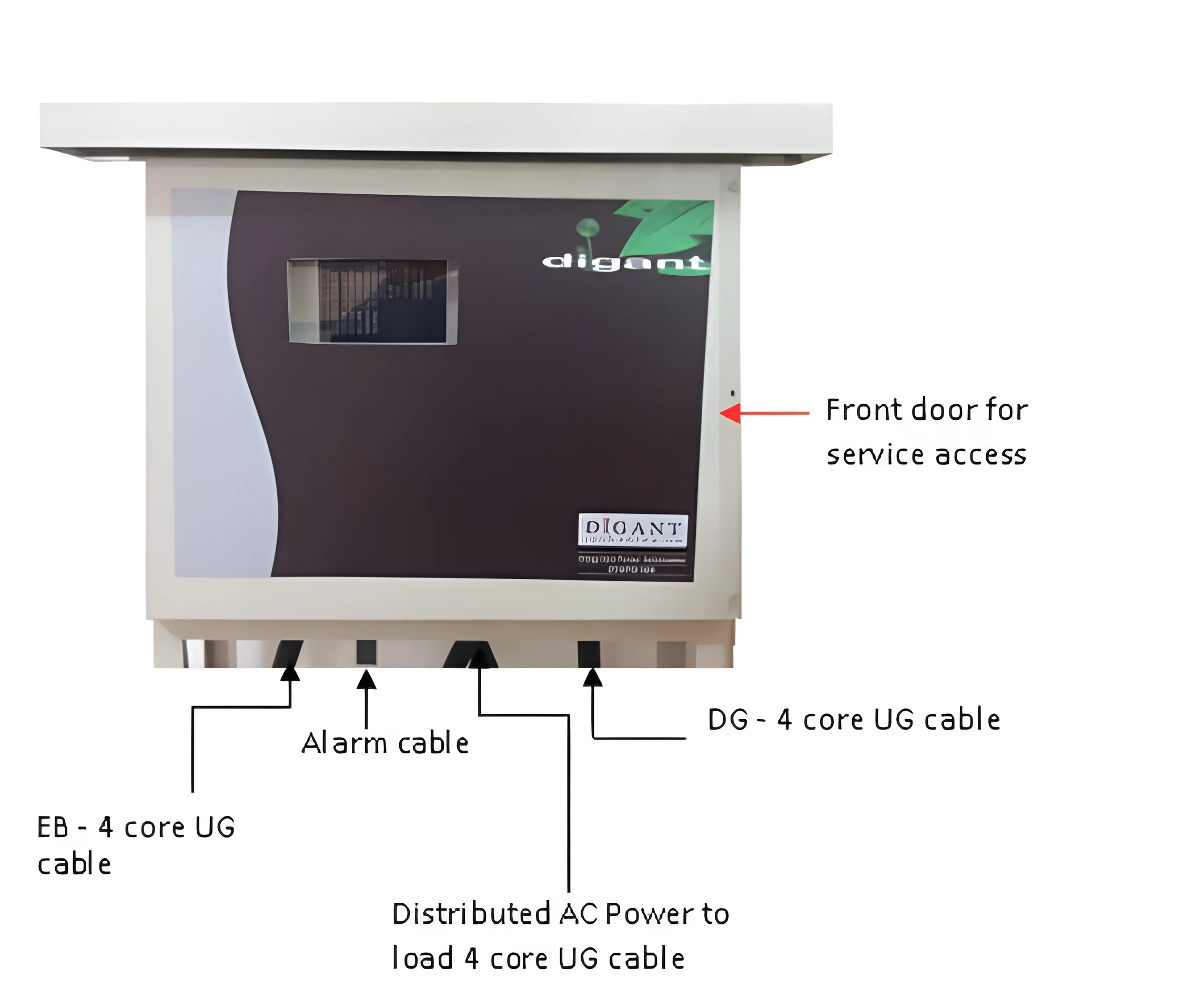
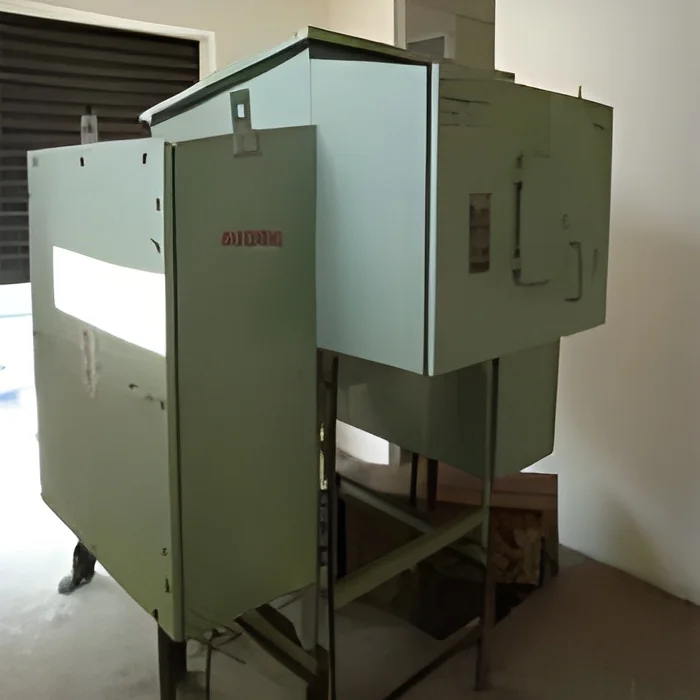
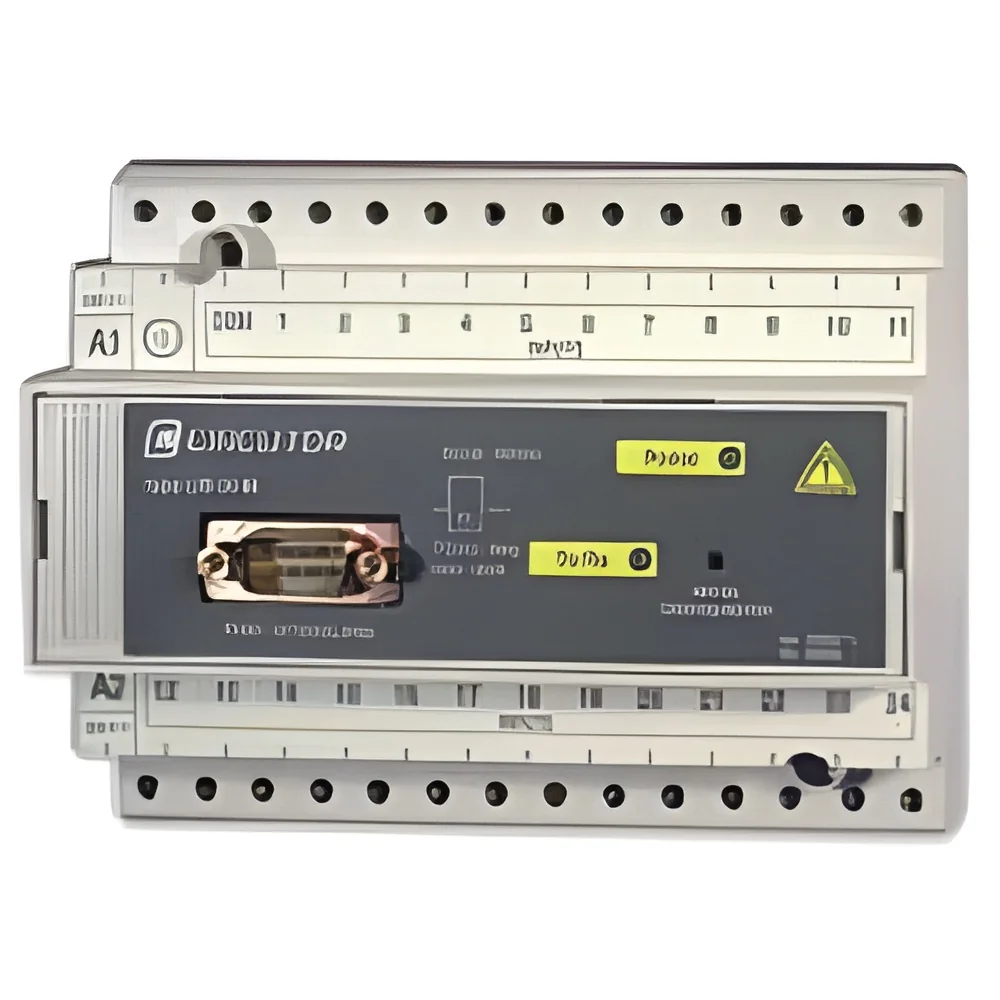
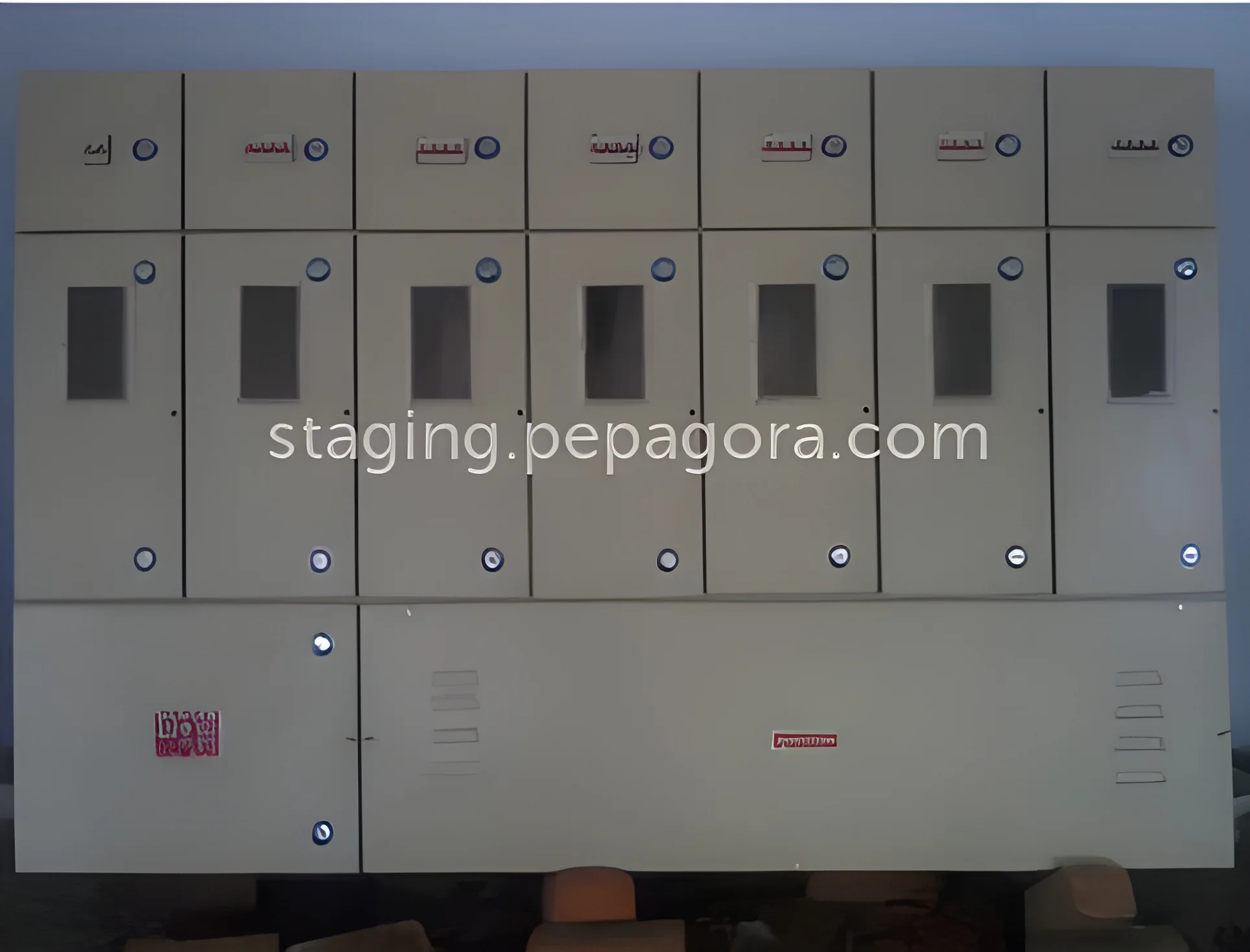
What are Energy Management Systems?
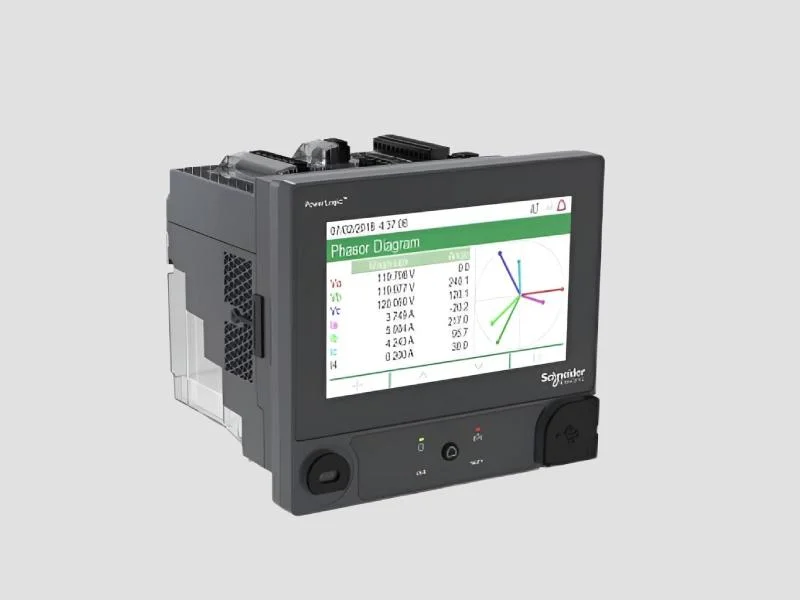
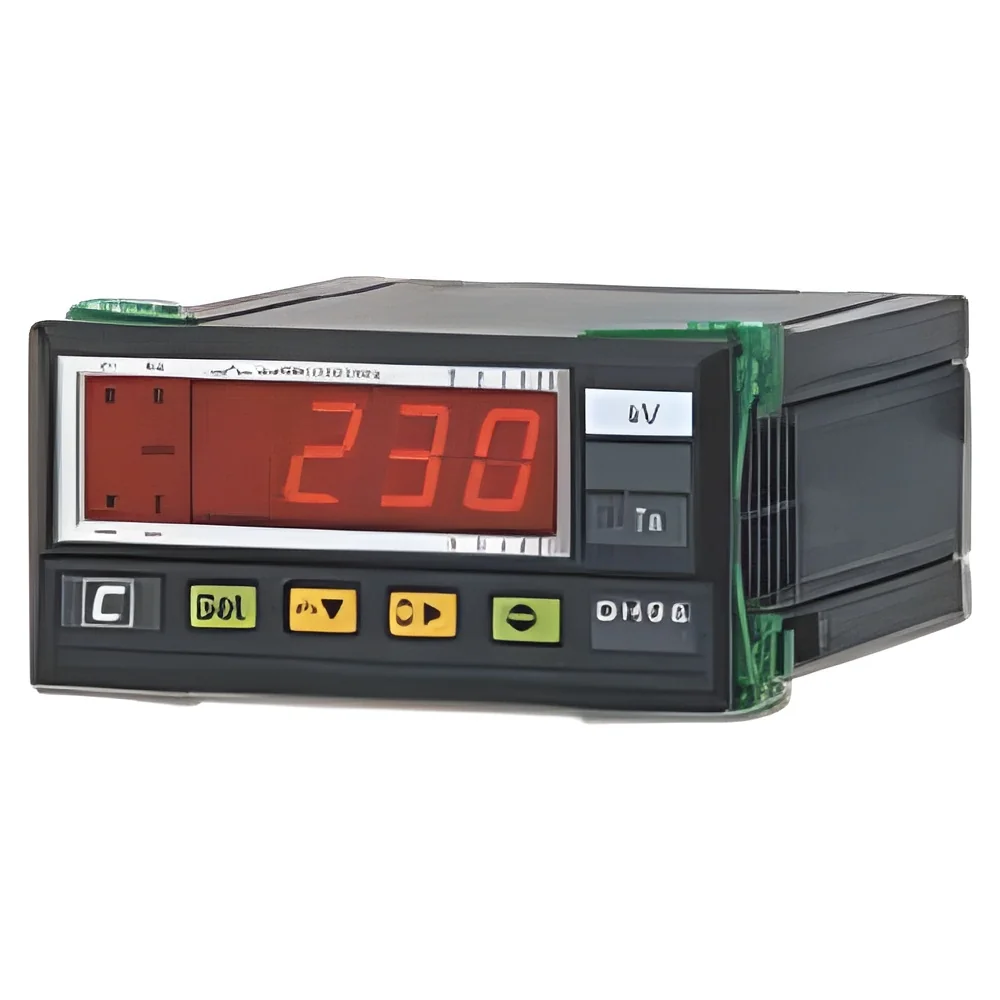
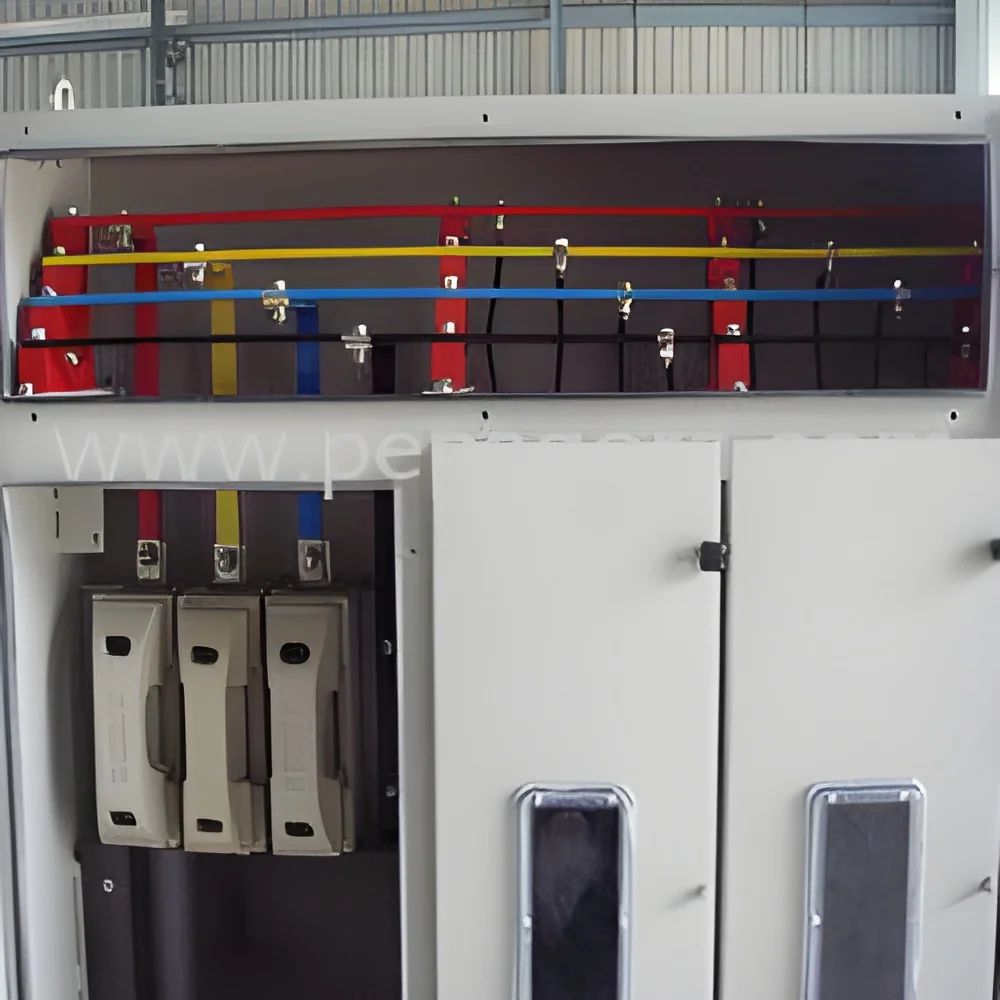
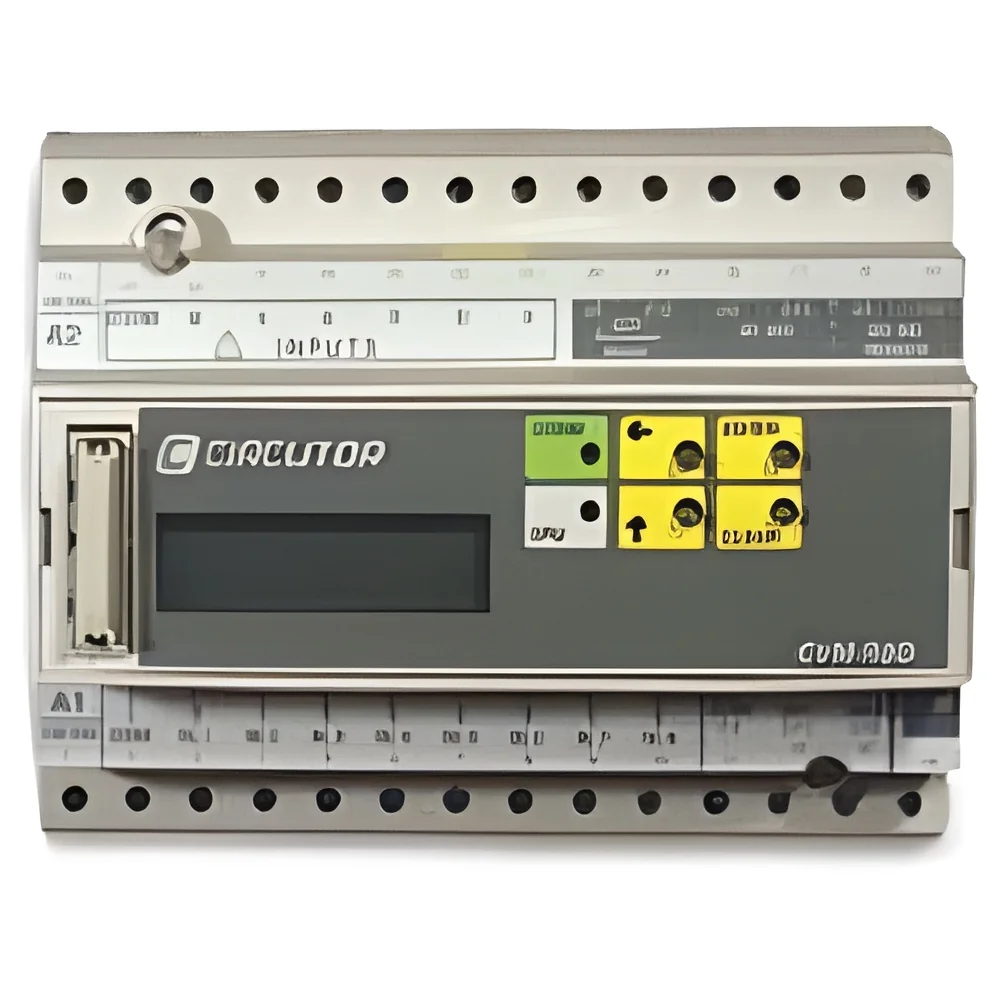
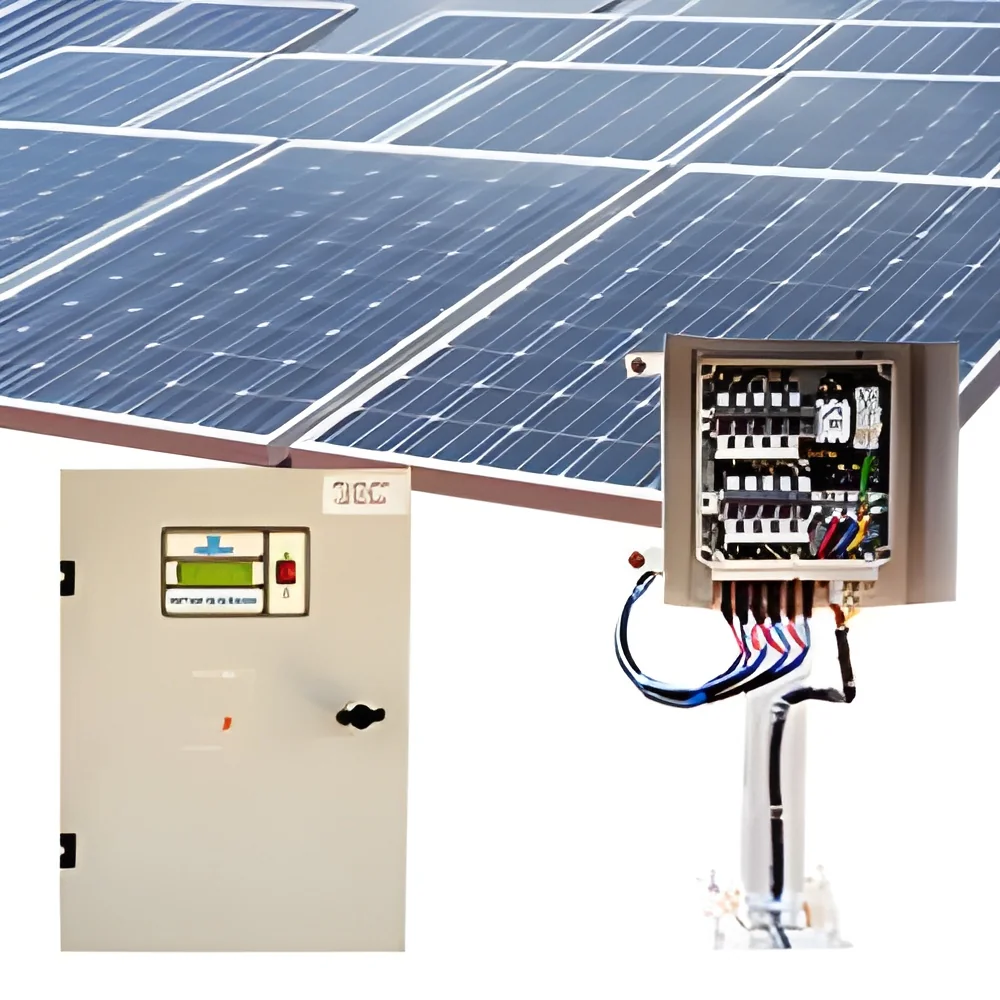
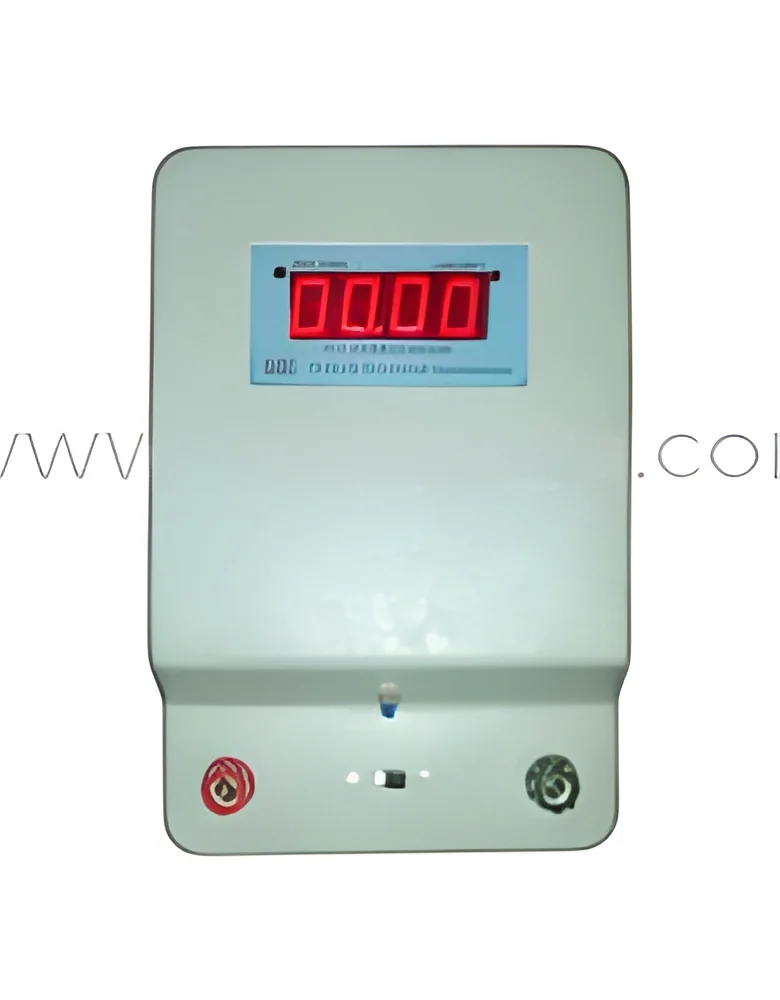
Energy Management Systems (EMS) are integrated technologies designed to monitor, control, and optimize energy usage in various industrial and commercial settings. These systems collect data from multiple sources within a facility, including energy consumption, production processes, and environmental variables. By analyzing this data, EMS can help organizations make informed decisions to improve energy efficiency, reduce costs, and minimize their environmental impact.
The primary uses of Energy Management Systems include identifying energy-saving opportunities, tracking energy consumption patterns, and generating reports for compliance and performance management. Businesses across various sectors utilize these systems to enhance operational efficiency, manage energy costs, and meet sustainability goals. Industries such as manufacturing, healthcare, and retail have recognized the importance of EMS in optimizing resource utilization and adhering to regulatory standards.
In today's market, the relevance of Energy Management Systems is growing rapidly as organizations strive to adopt more sustainable practices amid rising energy costs and stricter regulations. The increasing emphasis on renewable energy and carbon reduction targets further highlights the need for effective energy management solutions. The EMS market is expected to expand significantly, driven by technological advancements and the growing awareness of energy efficiency benefits.
Key Features and Specifications
Energy Management Systems come equipped with several key features that enhance their functionality and effectiveness. Understanding these specifications is crucial for businesses looking to implement an EMS tailored to their needs.
Key specifications include:
1. Data Acquisition
- Collects real-time data from various energy sources
- Supports multiple communication protocols
2. Energy Monitoring
- Provides detailed insights into energy consumption patterns
- Enables benchmarking against industry standards
3. Reporting Capabilities
- Generates customizable reports for analysis and compliance
- Supports historical data analysis for trend identification
4. User Interface
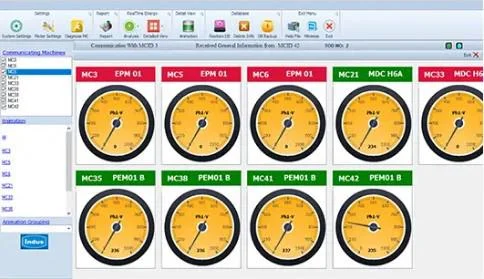
- Features intuitive dashboards for easy navigation
- Offers mobile access for remote monitoring
5. Integration Options
- Compatible with existing building management systems
- Supports third-party applications for enhanced functionality
6. Alerts and Notifications
- Sends alerts for unusual energy consumption
- Enables proactive management of energy usage
7. Scalability
- Designed to accommodate facilities of varying sizes
- Allows for future expansion as needs grow
8. Compliance Tracking
- Assists in meeting regulatory requirements
- Offers tools for sustainability reporting
In summary, the key features and specifications of Energy Management Systems enable organizations to effectively monitor and manage their energy usage, leading to improved efficiency and cost savings.
Common Applications and Use Cases
Energy Management Systems find application across various industries, helping organizations optimize their energy consumption and enhance operational efficiency.
1. Manufacturing: In manufacturing, EMS helps monitor energy usage across machinery and production lines, identifying inefficiencies and enabling process optimization.
2. Healthcare: Hospitals utilize EMS to track energy consumption in real-time, ensuring efficient operation of critical systems while maintaining patient comfort and safety.
3. Retail: Retail spaces implement EMS to monitor lighting and HVAC systems, optimizing energy usage while enhancing customer experience.
4. Education: Educational institutions leverage EMS to manage energy use in classrooms and facilities, promoting sustainability and reducing operational costs.
5. Hospitality: Hotels use EMS to control energy consumption in guest rooms and common areas, optimizing comfort and minimizing waste.
6. Data Centers: Data centers rely on EMS for monitoring power usage effectiveness (PUE), ensuring optimal performance of IT equipment while managing energy costs.
7. Transportation: Transportation hubs employ EMS to manage energy consumption in facilities, streamlining operations and reducing environmental impact.
Product Variants and Subcategories
Energy Management Systems offer a diverse range of solutions to meet the specific needs of different organizations. Each variant may cater to unique operational requirements and industry standards.
Energy Monitoring Software: This variant focuses on software solutions that provide real-time monitoring and analysis of energy consumption, helping organizations identify trends and opportunities for savings.
Automated Demand Response Systems: These systems enable organizations to automatically adjust energy usage during peak demand periods, optimizing costs and enhancing grid reliability.
Building Energy Management Systems (BEMS): Designed specifically for building applications, BEMS integrate various building systems, such as HVAC and lighting, to provide a comprehensive energy management solution.
Cloud-Based Energy Management Solutions: These systems leverage cloud technology to offer scalable energy management capabilities, allowing users to access data and insights from anywhere.
Benefits and Advantages
Implementing Energy Management Systems offers numerous advantages for organizations seeking to optimize their energy usage and improve operational efficiency.
Key benefits include:
1. Cost Savings: Reducing energy consumption leads to significant cost savings on utility bills.
2. Enhanced Efficiency: EMS provides insights that help organizations optimize processes, reducing waste and improving overall productivity.
3. Regulatory Compliance: EMS assists businesses in meeting regulatory requirements and sustainability goals, minimizing the risk of penalties.
4. Improved Sustainability: By effectively managing energy use, organizations can reduce their carbon footprint and promote environmentally friendly practices.
5. Real-Time Monitoring: Continuous monitoring allows for immediate adjustments, helping to identify and address energy inefficiencies promptly.
6. Data-Driven Decision Making: Access to detailed energy data empowers organizations to make informed decisions regarding their energy strategies.
Buying Guide for B2B Buyers
When sourcing Energy Management Systems, it is essential for B2B buyers to consider several key factors to ensure they select the right solution for their needs.
1. Quality Assessment: Evaluate the quality of the EMS by examining user reviews, case studies, and overall performance metrics. Ensure the system meets industry standards for reliability and accuracy.
2. Supplier Verification: Vet potential suppliers through background checks, references, and certifications. A verified supplier network can provide confidence in the quality and support of the EMS.
3. Pricing and MOQ: Analyze pricing structures and minimum order quantities to understand the financial commitments involved. Compare offers from different suppliers to find the best value.
4. Delivery and Lead Times: Consider the logistics of delivery schedules and lead times. Ensure that the supplier can meet your timeline for implementation.
5. Compliance Requirements: Verify that the EMS complies with relevant industry regulations and standards. This can help avoid complications and ensure smooth operations.
Compliance and Certifications
Energy Management Systems must adhere to various compliance standards and certifications to ensure quality and safety.
Relevant quality standards such as ISO 9001 focus on maintaining effective quality management systems. These standards help organizations demonstrate their commitment to quality assurance.
Industry certifications like CE indicate that the EMS meets European safety, health, and environmental protection standards. This certification is crucial for gaining market access in the European Union.
Safety and testing requirements are essential to ensure that EMS operates reliably under various conditions. Compliance with these requirements helps mitigate risks associated with energy management operations.
Regional compliance considerations may vary based on local regulations. Organizations must stay informed about applicable laws and standards in their region to ensure compliance.
Why Source Energy Management Systems from Pepagora?
Pepagora provides a trusted platform for sourcing Energy Management Systems, offering several key advantages to B2B buyers.
Verified Supplier Network: Pepagora features a network of verified suppliers, ensuring that buyers can trust the quality and reliability of the products they purchase. This verification process helps mitigate risks associated with supplier selection.
Streamlined RFQ Process: The platform simplifies the request for quotation (RFQ) process, allowing buyers to easily compare offers from different suppliers. This efficiency saves time and enhances decision-making.
Trade Assurance and Support: Pepagora offers trade assurance programs that protect buyers throughout the purchasing process. This support includes assistance with negotiations, delivery, and after-sales service.
Regional Coverage: With a strong presence in India, the GCC, and Southeast Asia, Pepagora provides regional coverage that enables buyers to access local suppliers and solutions that cater to specific market needs.
By leveraging the resources and advantages offered by Pepagora, businesses can confidently source Energy Management Systems that align with their operational goals and sustainability objectives.

 IN
IN