IN
IN₹
Description
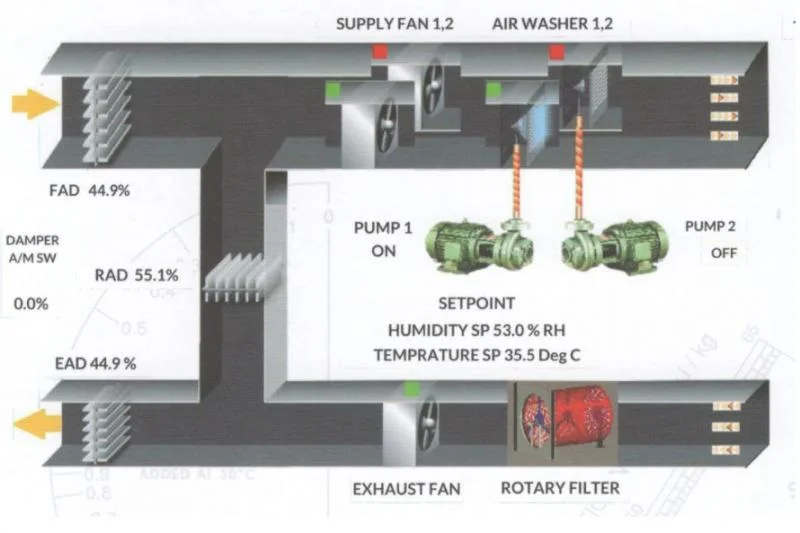
The Auto Controls system represents a high-performance solution for industrial environmental management, built around a robust Siemens Distributed Control System (DCS) foundation. It is designed to deliver exceptional precision in monitoring and controlling critical parameters like temperature, humidity, and airflow. At its heart are high-accuracy sensors that provide real-time data, coupled with engineered I/O modules for reliable communication. The system's rotary electronic damper actuators are directly mounted to provide immediate and smooth regulation of air movement. This integration ensures not just data acquisition but actionable control, offering stability and fast response times essential for continuous industrial operations where even minor fluctuations can impact entire processes.

This control system finds its primary application in industries where environmental stability is directly tied to operational success and product quality. It is extensively used in textile manufa...
The Auto Controls system represents a high-performance solution for industrial environmental management, built around a robust Siemens Distributed Control System (DCS) foundation. It is designed to deliver exceptional precision in monitoring and controlling critical parameters like temperature, humidity, and airflow. At its heart are high-accuracy sensors that provide real-time data, coupled with engineered I/O modules for reliable communication. The system's rotary electronic damper actuators are directly mounted to provide immediate and smooth regulation of air movement. This integration ensures not just data acquisition but actionable control, offering stability and fast response times essential for continuous industrial operations where even minor fluctuations can impact entire processes.

This control system finds its primary application in industries where environmental stability is directly tied to operational success and product quality. It is extensively used in textile manufacturing plants to maintain optimal humidity for fiber processing and to prevent quality defects. In large-scale industrial HVAC and ventilation networks for warehouses, factories, and commercial complexes, it ensures efficient and balanced air distribution. The system is also critical in process industries such as pharmaceuticals and food production, where specific temperature and humidity levels are mandated for safety, compliance, and preservation. Furthermore, it supports operations in electronics manufacturing cleanrooms and other precision environments that demand ultra-stable atmospheric conditions.

For businesses, the value of this auto control system lies in its proven reliability and its direct contribution to operational excellence. Its Siemens DCS backbone is synonymous with industrial-grade durability and long-term performance, minimizing downtime and maintenance costs. The system's high-precision monitoring prevents waste and spoilage by maintaining perfect environmental conditions, directly protecting your bottom line. Its fast response capability ensures processes remain within specified parameters, enhancing overall efficiency and product consistency. By providing accurate, reliable control, it empowers facility managers and process engineers with the confidence that their critical climate needs are being met automatically and dependably, shift after shift.

Key Features:
- Built on a reliable Siemens Distributed Control System (DCS) platform for industrial-grade performance.
- Integrates high-precision temperature and humidity sensors for accurate real-time environmental monitoring.
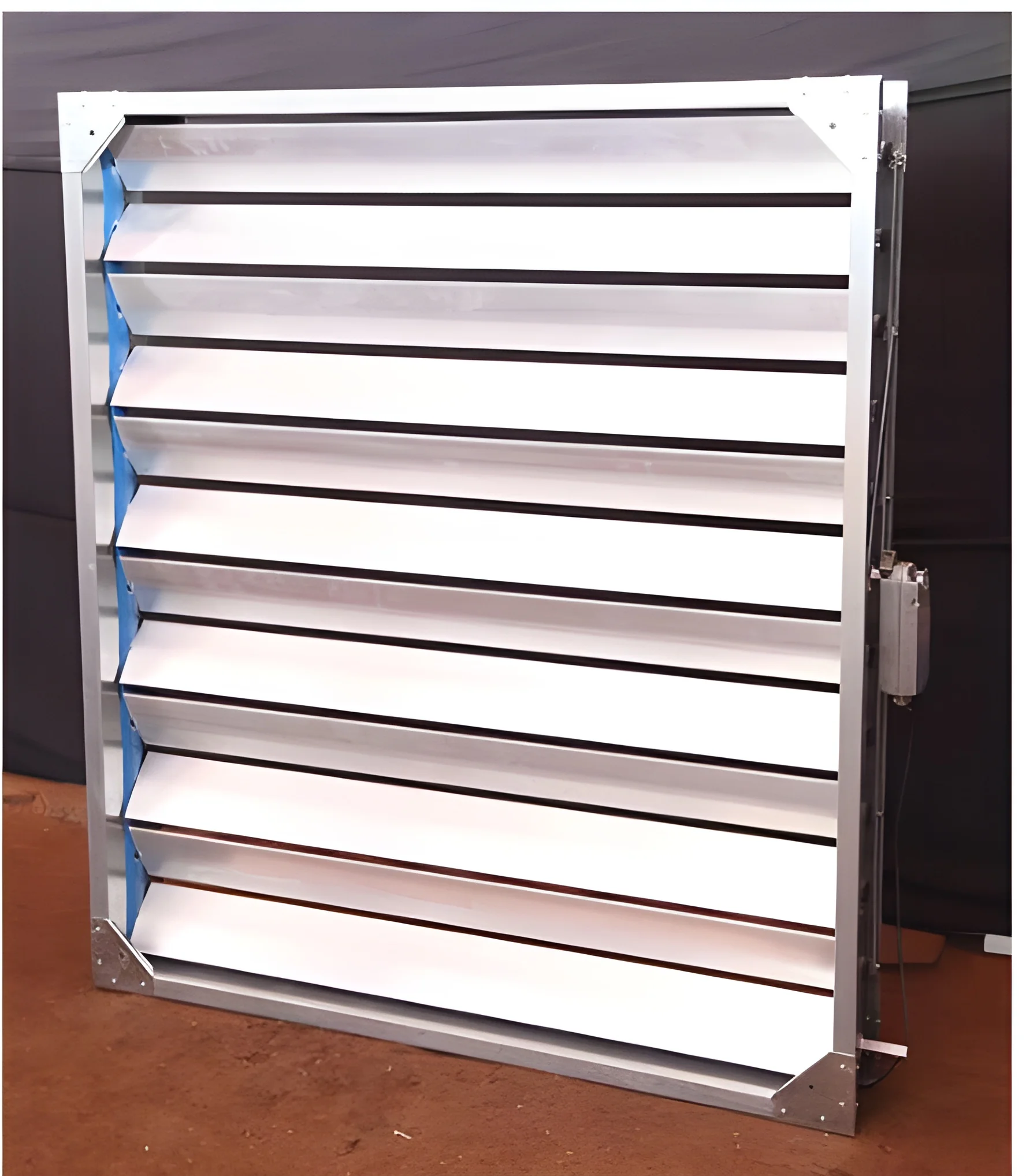
- Features direct-mounted rotary electronic damper actuators for smooth and responsive airflow regulation.
- Includes engineered I/O modules ensuring stable data acquisition and system communication.
- Designed for fast response times and continuous operation in demanding industrial settings.

Benefits:
- Ensures precise control of environmental conditions to maintain product quality and process integrity.
- Enhances operational efficiency through reliable, automated monitoring and regulation.
- Reduces risk of product spoilage and equipment damage by preventing environmental deviations.
- Provides long-term durability and stability, minimizing system downtime and maintenance needs.
- Delivers trustworthy performance for critical applications where accuracy is paramount.
Specifications
| Additional Information | |
|---|---|
| Country of Origin | 106 |
Application
The Siemens DCS-based Auto Control system is engineered for demanding industrial settings where precise environmental parameters are non-negotiable. Its core function is to deliver unwavering accuracy in monitoring and regulating temperature and humidity, ensuring process integrity and product quality. This makes it an indispensable component for operations that depend on stable atmospheric conditions to maintain efficiency and prevent costly deviations.
By integrating high-response sensors with robust rotary electronic damper actuators, the system provides smooth, reliable airflow control. This seamless operation is critical for managing ventilation, conditioning air, and maintaining specific climate zones within large facilities. It is the trusted choice for industries that cannot afford interruptions or inaccuracies in their environmental control processes, safeguarding both equipment and output.
- Ensuring consistent humidity and temperature levels in textile manufacturing to preserve material quality and prevent static.
- Regulating airflow and climate in large-scale industrial HVAC systems for warehouses and production halls.
- Providing precise environmental control in pharmaceutical storage areas to comply with strict regulatory standards.
- Managing process air conditions in food and beverage production facilities to ensure hygiene and product consistency.
- Monitoring and adjusting atmospheric parameters in electronics assembly cleanrooms to protect sensitive components.
Trade Details
| Available Stock | In Stock |
| Sample Availability | No |
Payment Terms
| Payment Terms |
|
Company Profile
Coimbatore Air Control Systems Pvt Ltd, Tamil Nadu
 Tamil Nadu, India
Tamil Nadu, IndiaIndustrial Equipment & Machinery•Manufacturer
Factory Details
Factory SizeBelow 1000 sqm
Industrial HVAC Siemens DCS Auto Control System With Sensors And Actuators
Siemens DCS-based Auto Controls system with high-precision sensors and rotary damper actuators for accurate industrial temperature and humidity monitoring and airflow regulation.
Min. Order Quantity: 1 Unit
Shipping
Shipping fee and delivery date to be negotiated. Contact supplier now for more details.
Coimbatore Air Control Systems Pvt Ltd
 Tamil Nadu, India
Tamil Nadu, IndiaIndustrial Equipment & MachineryManufacturer