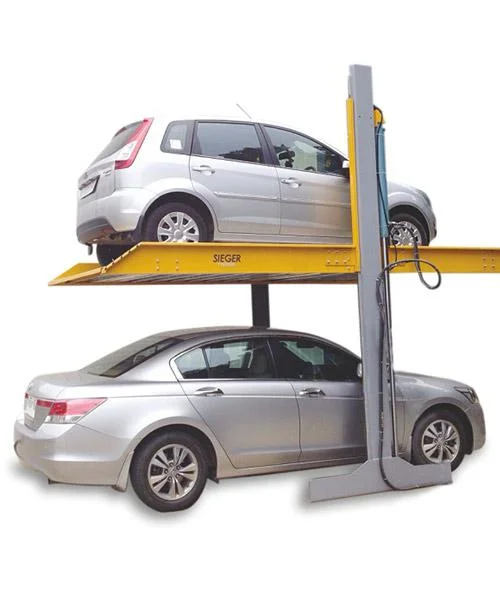
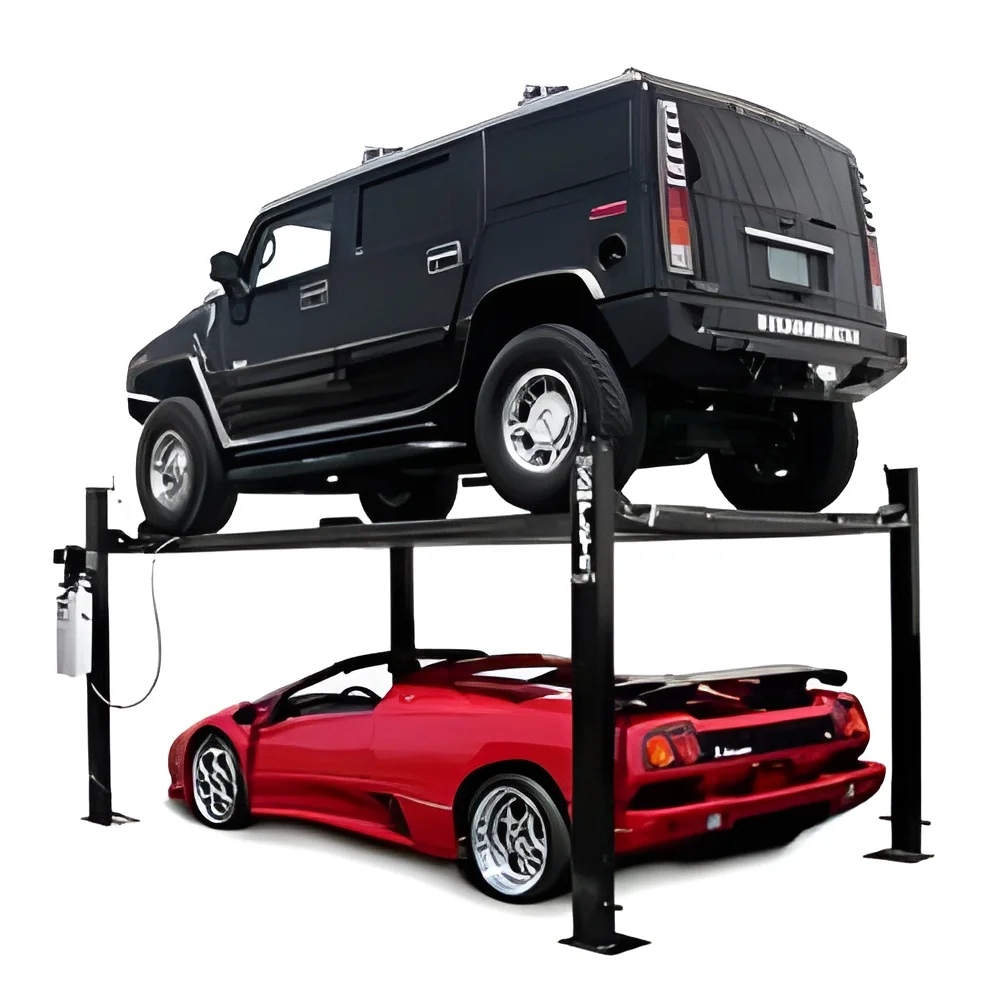
What are Automated Parking Systems?
Automated Parking Systems (APS) are advanced technological solutions designed to optimize the process of parking vehicles. These systems utilize a combination of mechanical and electronic systems to park and retrieve vehicles without the need for human intervention. By automating the parking process, APS minimizes the space required for parking and enhances the efficiency of parking operations.
These systems are primarily used in urban environments, commercial properties, and high-density residential areas where parking space is limited. Businesses such as shopping centers, airports, and office buildings find significant value in implementing APS to improve space utilization and reduce congestion. With increasing urbanization and vehicle ownership, these systems have gained traction in the market, providing innovative solutions for modern parking challenges.
The relevance of Automated Parking Systems in today's market cannot be overstated. As cities become more congested, the demand for efficient parking solutions continues to rise. Companies are increasingly investing in APS to stay competitive, enhance customer experiences, and contribute to sustainable urban development.
Key Features and Specifications
Automated Parking Systems come equipped with a range of features and specifications that enhance their functionality and efficiency. These systems are designed to improve the overall parking experience while ensuring safety and reliability.
Key specifications include:
1. Capacity
- The number of vehicles that can be accommodated simultaneously.
- Ranges typically from 20 to over 200 vehicles, depending on the system design.
2. Space Efficiency
- The amount of space required for operation.
- Systems can reduce space usage by up to 60% compared to traditional parking methods.
3. Retrieval Time
- The average time taken to retrieve a parked vehicle.
- Generally ranges from 1 to 3 minutes, depending on system design and operational efficiency.
4. Safety Features
- Incorporation of sensors and monitoring systems to ensure safe vehicle handling.
- Systems often include emergency stop functions and anti-collision technology.
5. Control Systems
- User interfaces for both operators and customers.
- Can include mobile app integration for easy access and monitoring.
6. Environmental Impact
- Many APS are designed with energy-efficient mechanisms.
- Reduced emissions by minimizing engine idling during parking.
7. Maintenance Requirements
- Regular maintenance schedules to ensure operational efficiency.
- Typically requires less maintenance than traditional parking solutions.
8. Customization Options
- Ability to tailor systems based on specific needs or space constraints.
- Options for different designs and sizes to fit various environments.
In summary, the features and specifications of Automated Parking Systems make them a valuable investment for businesses looking to improve parking efficiency and safety.
Common Applications and Use Cases
Automated Parking Systems serve a variety of industries and applications, making them versatile solutions for modern parking needs.
1. Commercial Real Estate: Property developers and managers use APS to maximize available space in office buildings and commercial centers, enhancing the value of the property.
2. Airports: Airports implement APS to streamline vehicle parking for passengers, reducing congestion and improving the travel experience.
3. Shopping Malls: Retail operators utilize APS to provide convenient parking for customers, encouraging longer shopping visits and increased consumer satisfaction.
4. Residential Complexes: High-density residential areas use APS to manage parking effectively, ensuring all residents have access to secure parking.
5. Hospitals: Healthcare facilities employ APS to facilitate quick and efficient parking for patients and visitors, improving overall service delivery.
6. Municipalities: Cities looking to optimize public parking resources implement APS to alleviate street congestion and enhance urban mobility.
7. Event Venues: Large venues use APS to manage parking for events, ensuring a smooth flow of traffic and a better experience for attendees.
Product Variants and Subcategories
Automated Parking Systems come in various configurations to meet different needs and site specifications.
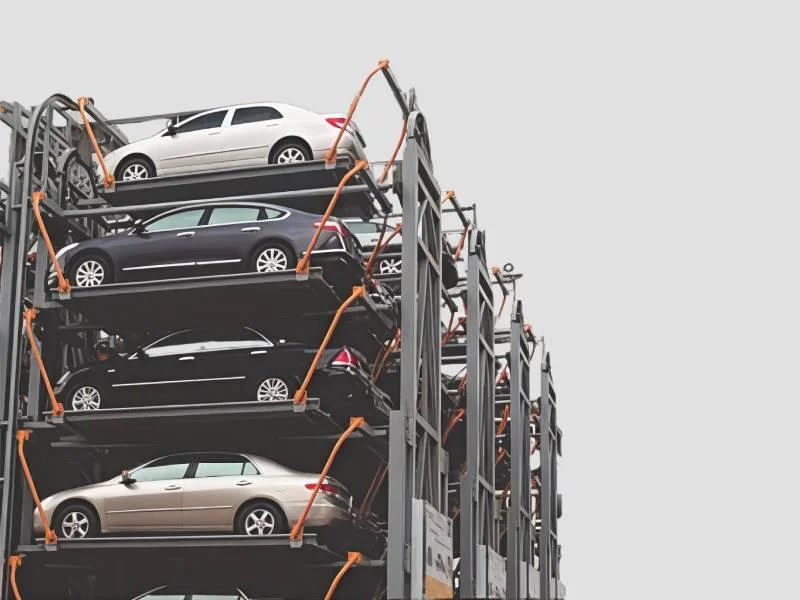
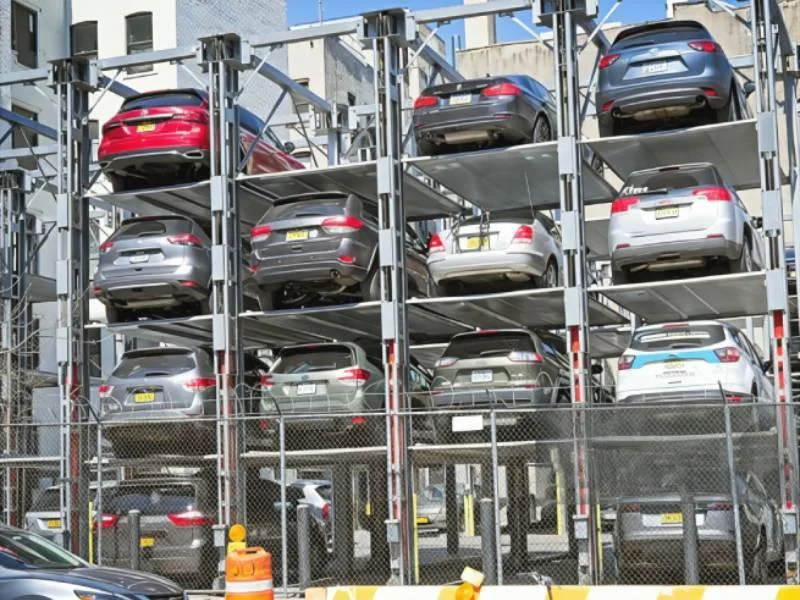
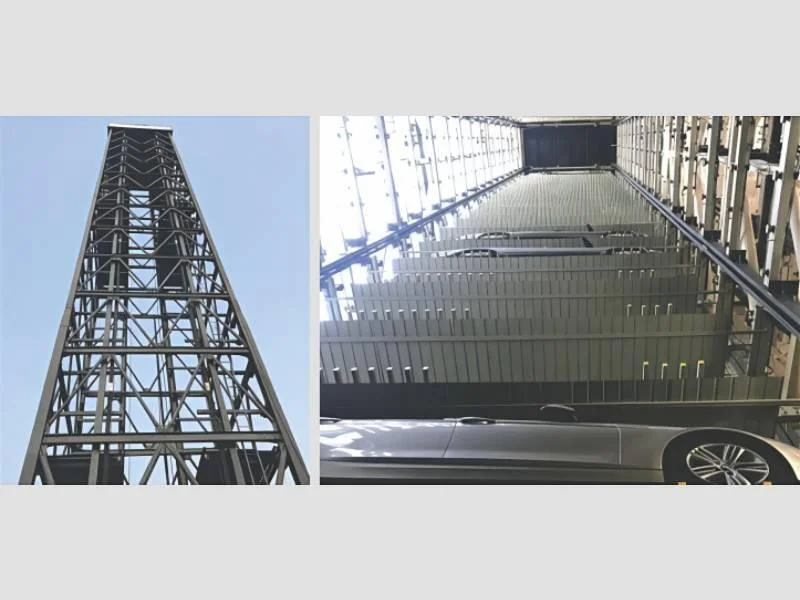
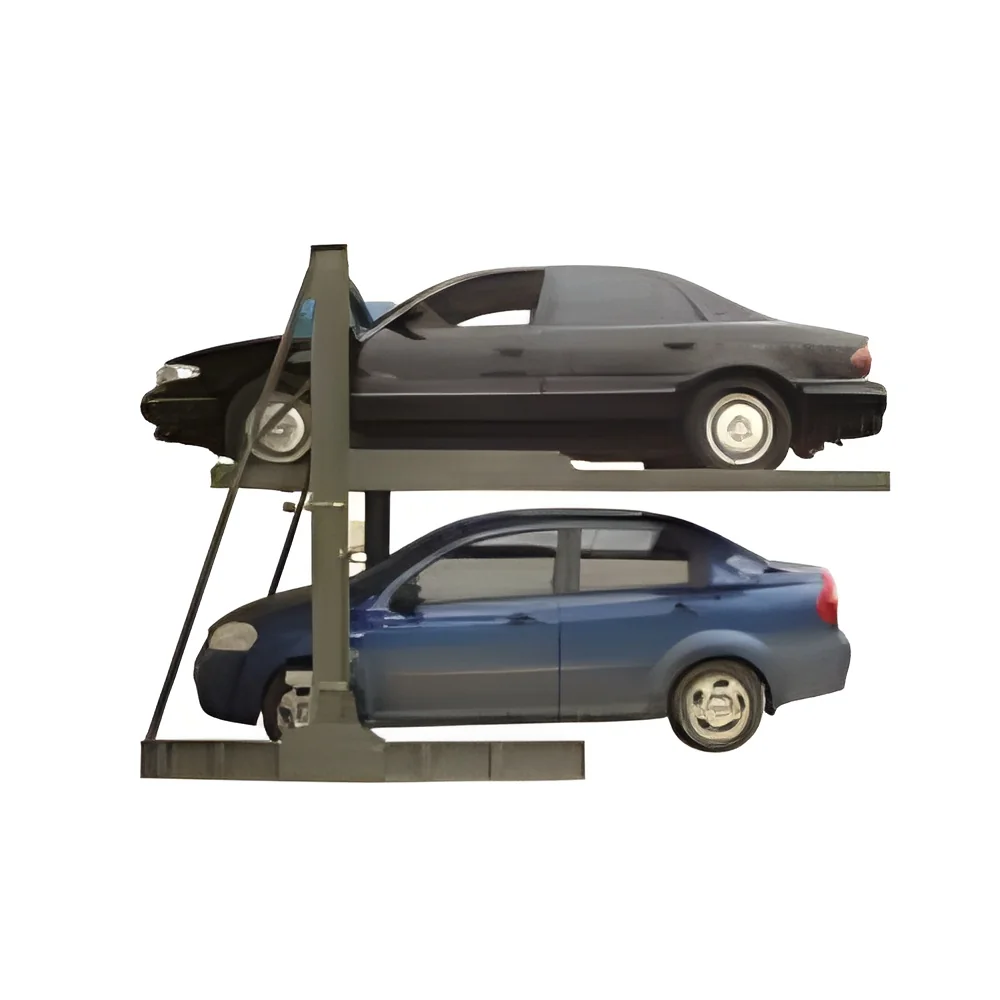
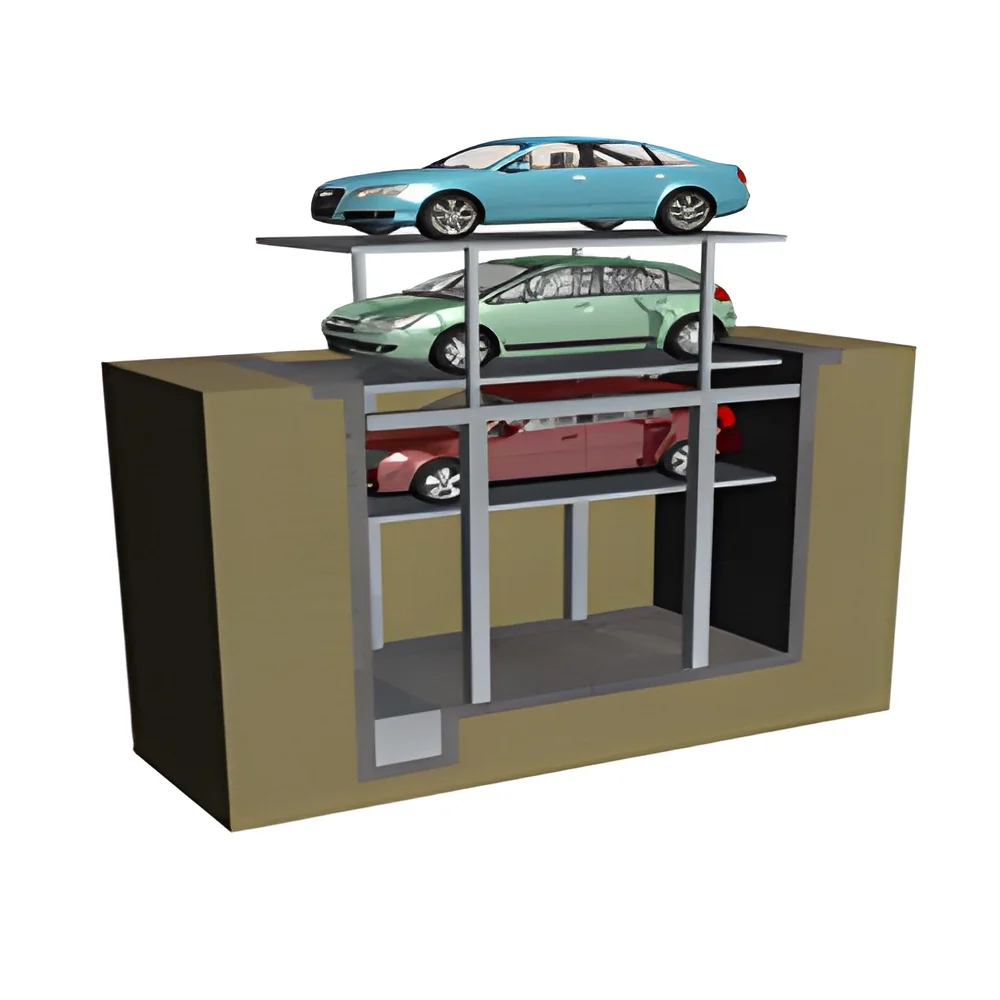
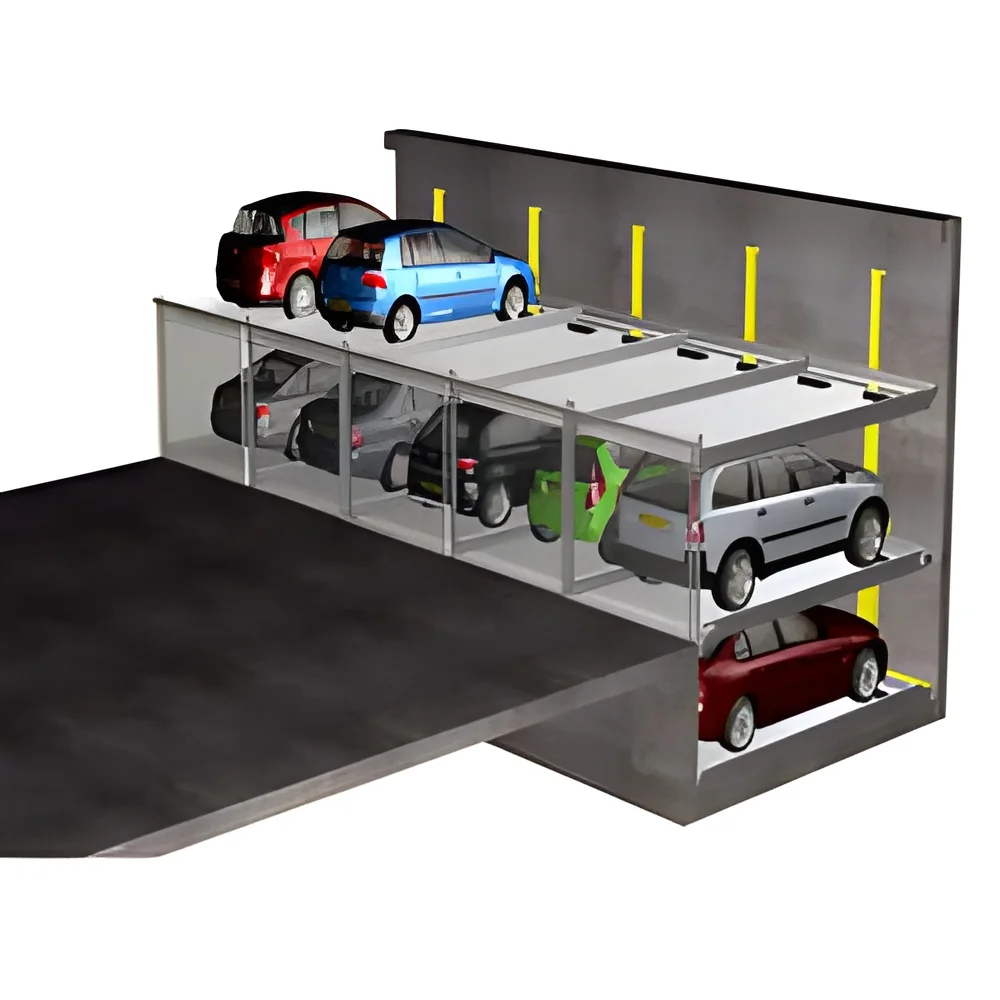
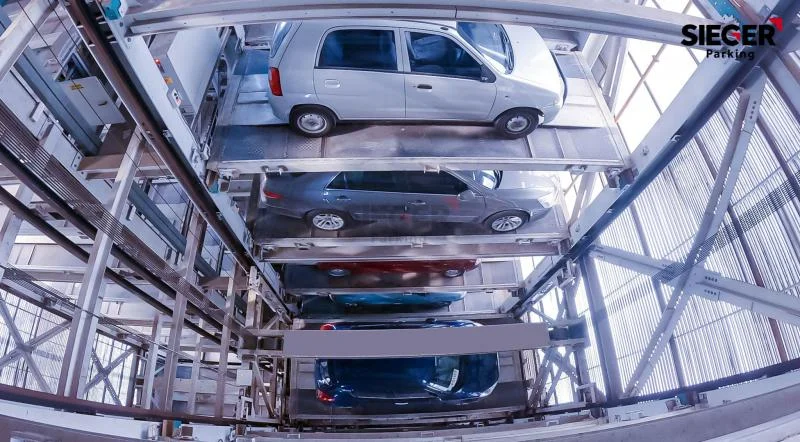
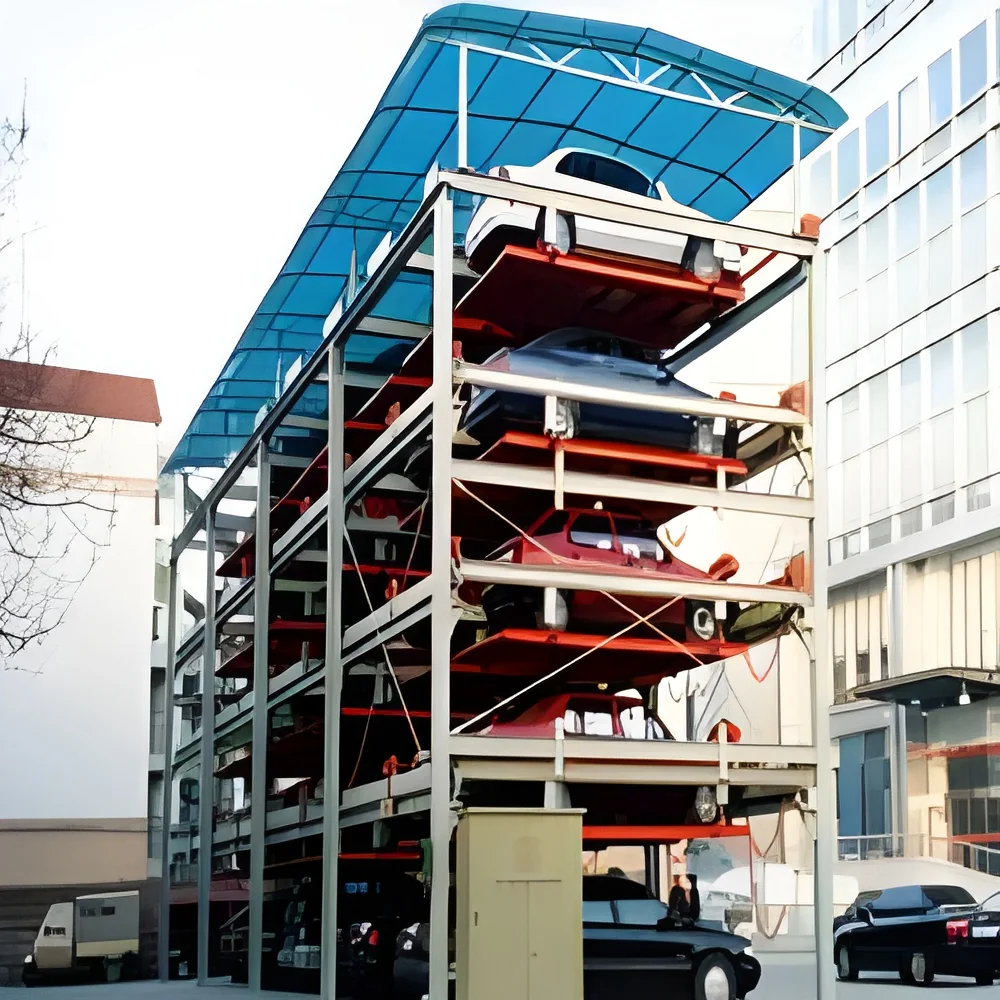
Vertical Parking Systems: These systems utilize vertical space through stacking mechanisms, enabling efficient use of limited ground area. Ideal for urban settings, they can accommodate a high number of vehicles in a compact footprint.
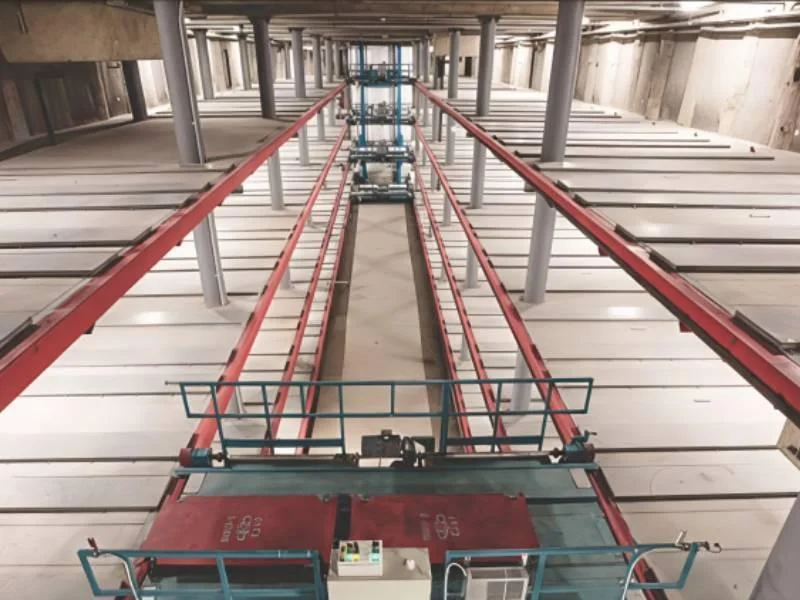
Shuttle Systems: Shuttle-based systems transport vehicles to designated parking spaces using automated shuttles. This variant is particularly useful in larger facilities where direct access to parking spots may be limited.
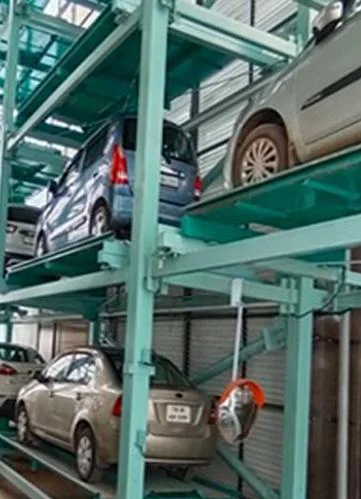
Puzzle Parking Systems: A puzzle system offers a matrix of parking spaces that can rearrange to fit vehicles in various orientations. This design maximizes space and is suitable for sites with complex layouts.
Rotary Parking Systems: These systems use a rotating platform to park vehicles in tight spaces. They are particularly effective in areas where space is at a premium and can handle various vehicle sizes.
Benefits and Advantages
Automated Parking Systems offer numerous benefits that enhance their appeal to businesses and property owners.
Key benefits include:
1. Space Optimization: APS significantly reduces the physical space needed for parking, allowing for more usable area in urban environments.
2. Increased Efficiency: Automated systems minimize the time spent parking and retrieving vehicles, improving overall traffic flow and reducing congestion.
3. Enhanced Security: With reduced human interaction, the risk of theft or damage to vehicles is lowered, providing peace of mind to users.
4. Cost Savings: By reducing the need for parking attendants and minimizing land usage, businesses can lower operational costs.
5. Environmental Sustainability: APS contribute to greener cities by reducing vehicle emissions and promoting energy-efficient operations.
6. Improved User Experience: With quicker retrieval times and reduced wait periods, customers enjoy a more convenient parking experience.
Buying Guide for B2B Buyers
When sourcing Automated Parking Systems, it's essential for B2B buyers to consider several critical factors to ensure a successful purchase.
1. Quality Assessment: Evaluate the quality of the systems, focusing on factors such as durability, reliability, and technology. Seek systems that meet established industry standards.
2. Supplier Verification: Conduct thorough background checks on suppliers to ensure they are reputable and have a history of delivering quality products and services.
3. Pricing and MOQ: Understand the pricing structure and minimum order quantities. This information helps in budgeting and aligning with business needs.
4. Delivery and Lead Times: Inquire about the expected delivery times and logistics involved to ensure timely installation and operation.
5. Compliance Requirements: Ensure that potential systems meet necessary regulatory standards and certifications, such as CE, to comply with local laws and market requirements.
Compliance and Certifications
Automated Parking Systems must adhere to various compliance and certification standards to ensure safety and quality. Key standards include ISO 9001, which focuses on quality management systems, ensuring that manufacturers maintain high-quality production processes.
Additionally, industry certifications such as CE signify that products meet European safety and health requirements, which is crucial for systems used in public spaces.
Safety and testing requirements are paramount, particularly in systems that handle significant vehicle traffic. Manufacturers should conduct thorough testing to guarantee that systems operate safely under different conditions.
Finally, regional compliance considerations may vary, requiring buyers to research local regulations and standards pertinent to Automated Parking Systems to ensure compliance in their specific areas.
Why Source Automated Parking Systems from Pepagora?
Pepagora serves as a trusted platform for sourcing Automated Parking Systems, offering several key advantages to B2B buyers.
Verified Supplier Network: Pepagora connects buyers with a network of verified suppliers, ensuring that businesses can find reliable partners for their parking system needs. This verification process helps mitigate risks associated with sourcing.
Streamlined RFQ Process: The platform features a streamlined request for quotation (RFQ) process, allowing buyers to compare multiple offers efficiently. This feature simplifies decision-making and enhances the purchasing experience.
Trade Assurance and Support: Pepagora offers trade assurance, providing buyers with protection throughout the purchasing process. This support allows businesses to proceed with confidence, knowing they have recourse in case of issues.
Regional Coverage: With a focus on regions like India, the GCC, and Southeast Asia, Pepagora provides access to a broad geographic market, making it easier for businesses to find suitable solutions that fit their specific needs.
By leveraging Pepagora's platform, businesses can effectively source Automated Parking Systems that align with their operational requirements and contribute to their overall success.

 IN
IN