IN
IN₹
Apparel & Fashion
Description
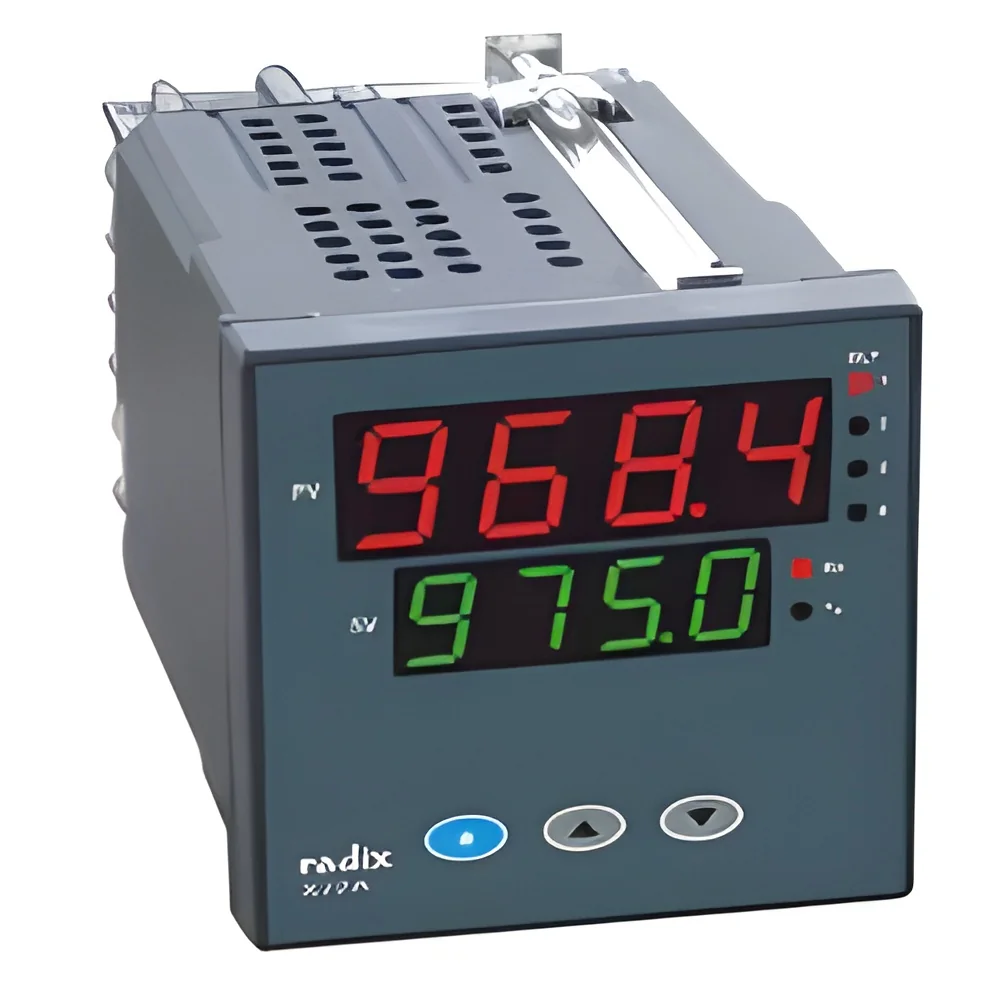
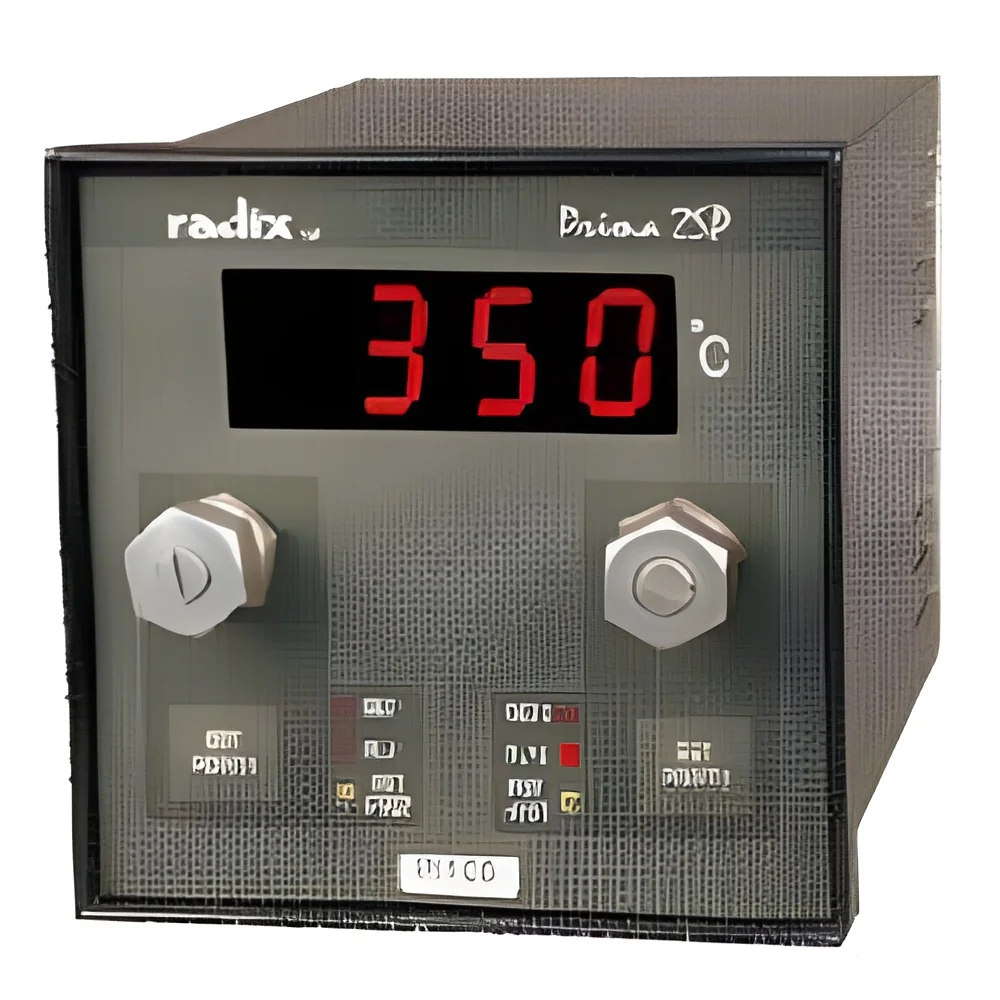
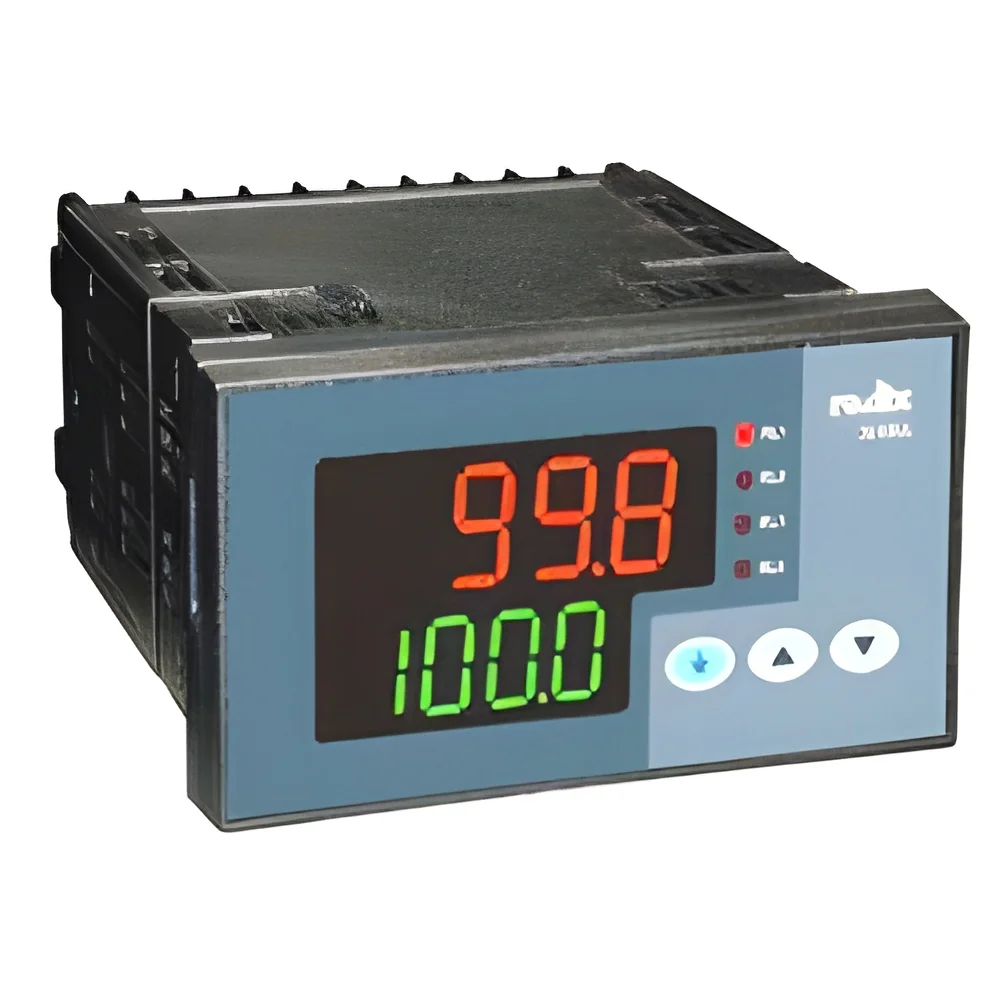
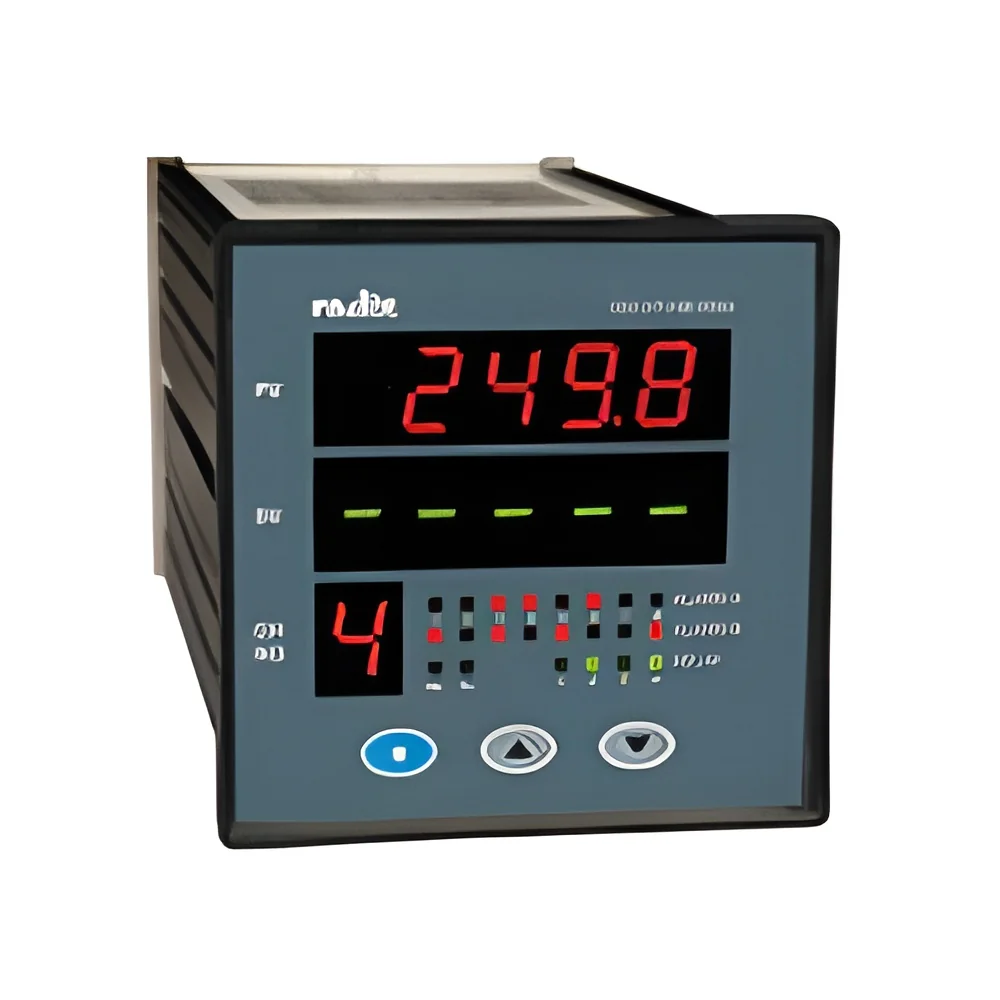
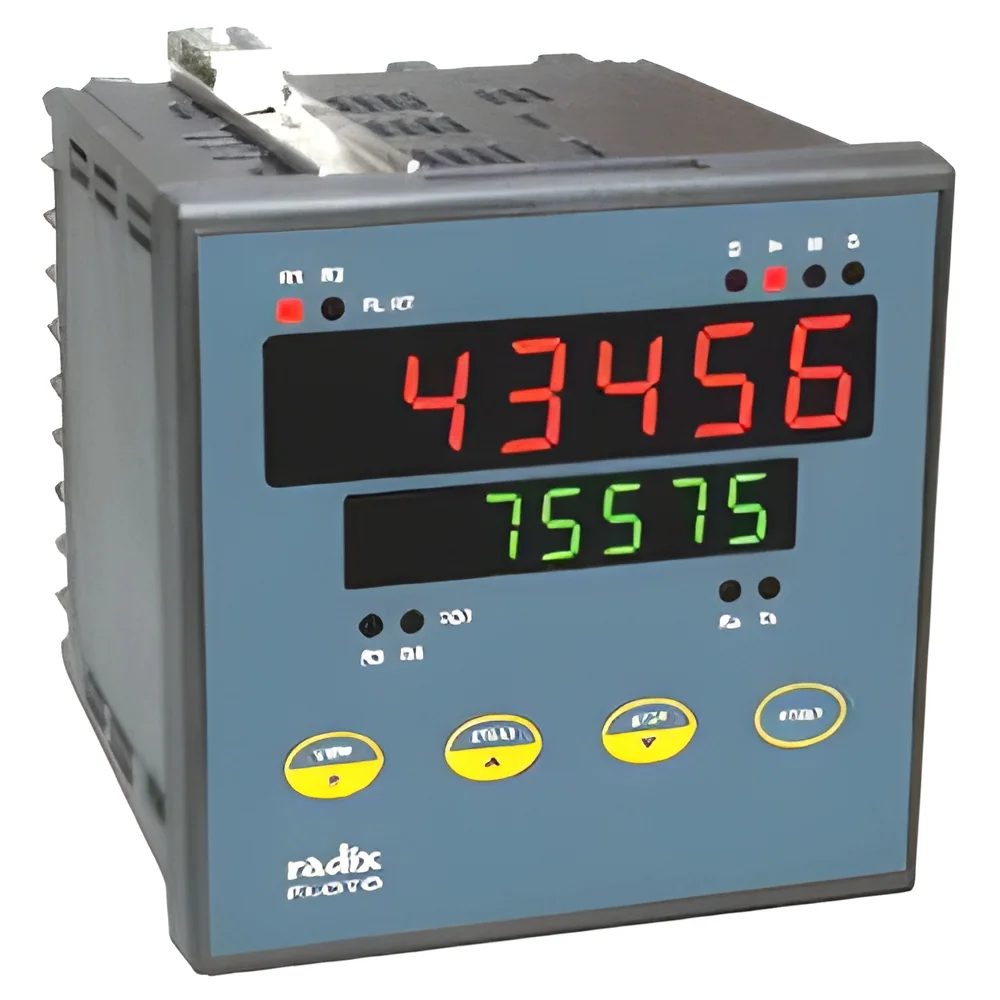
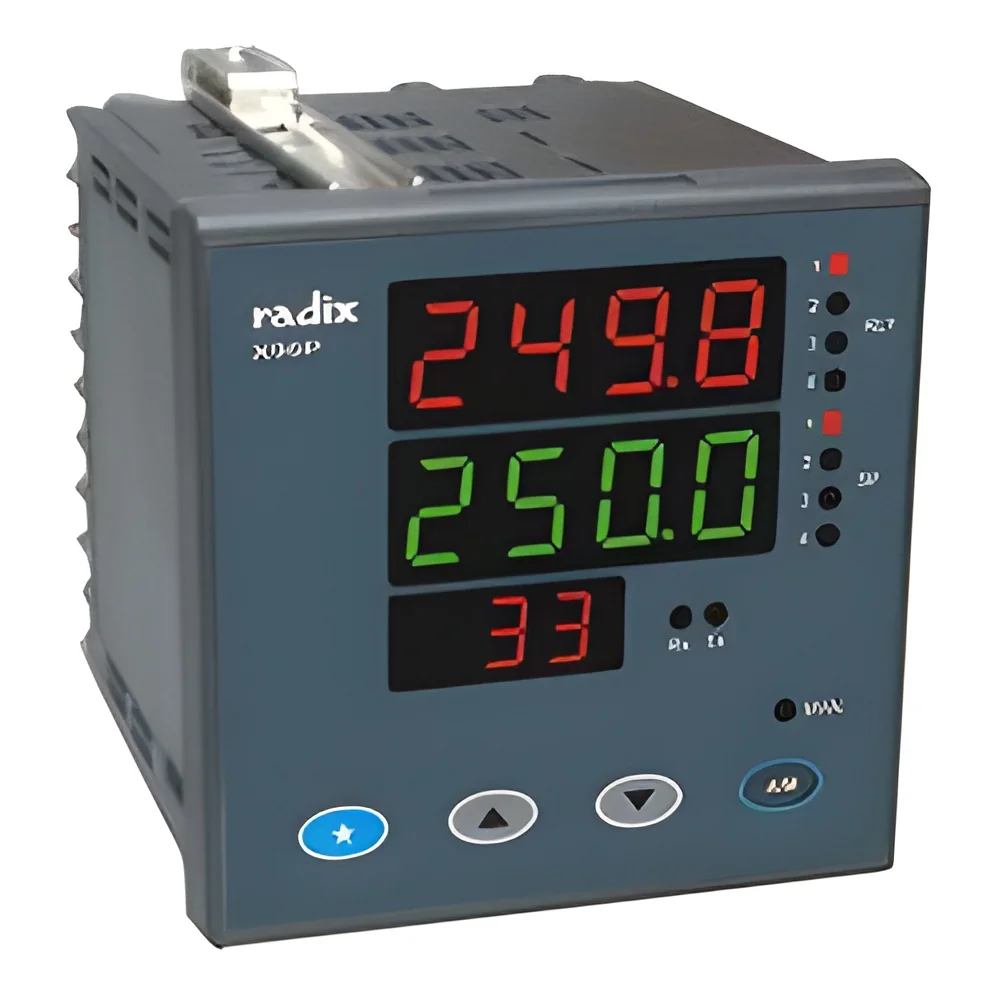
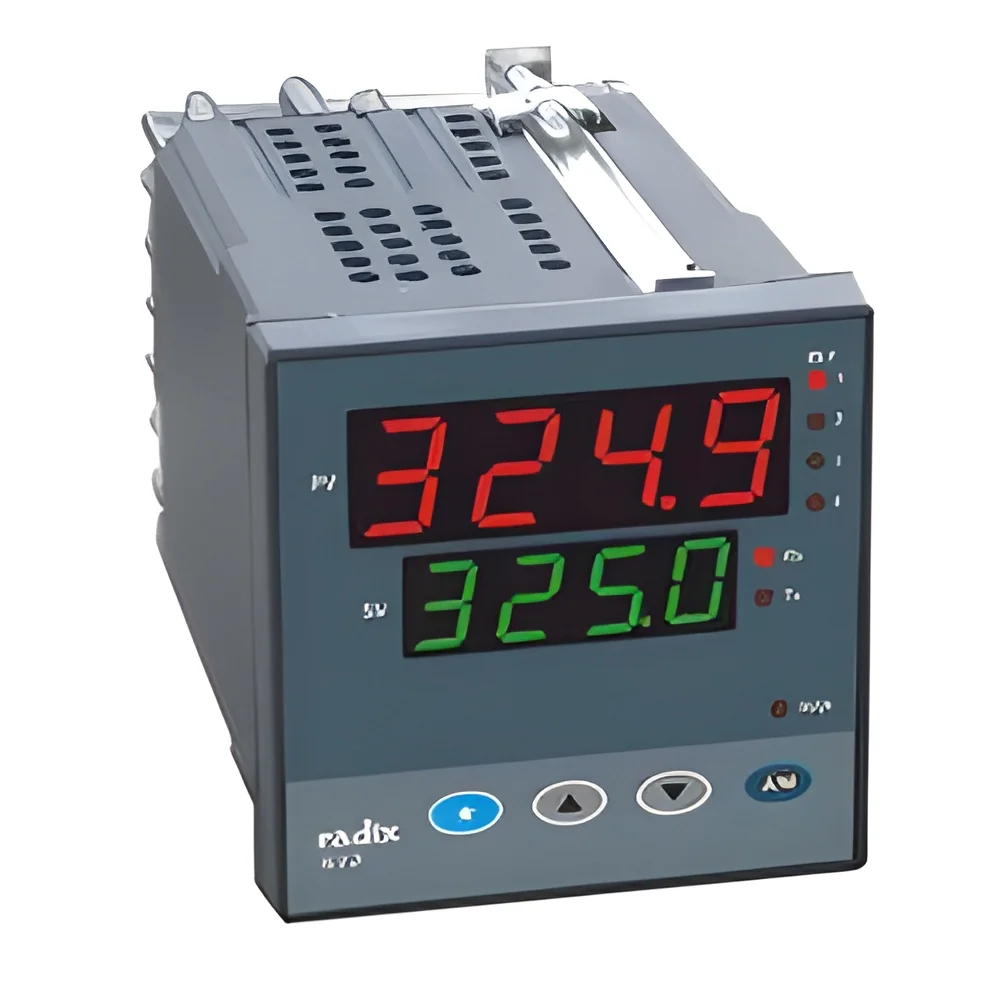
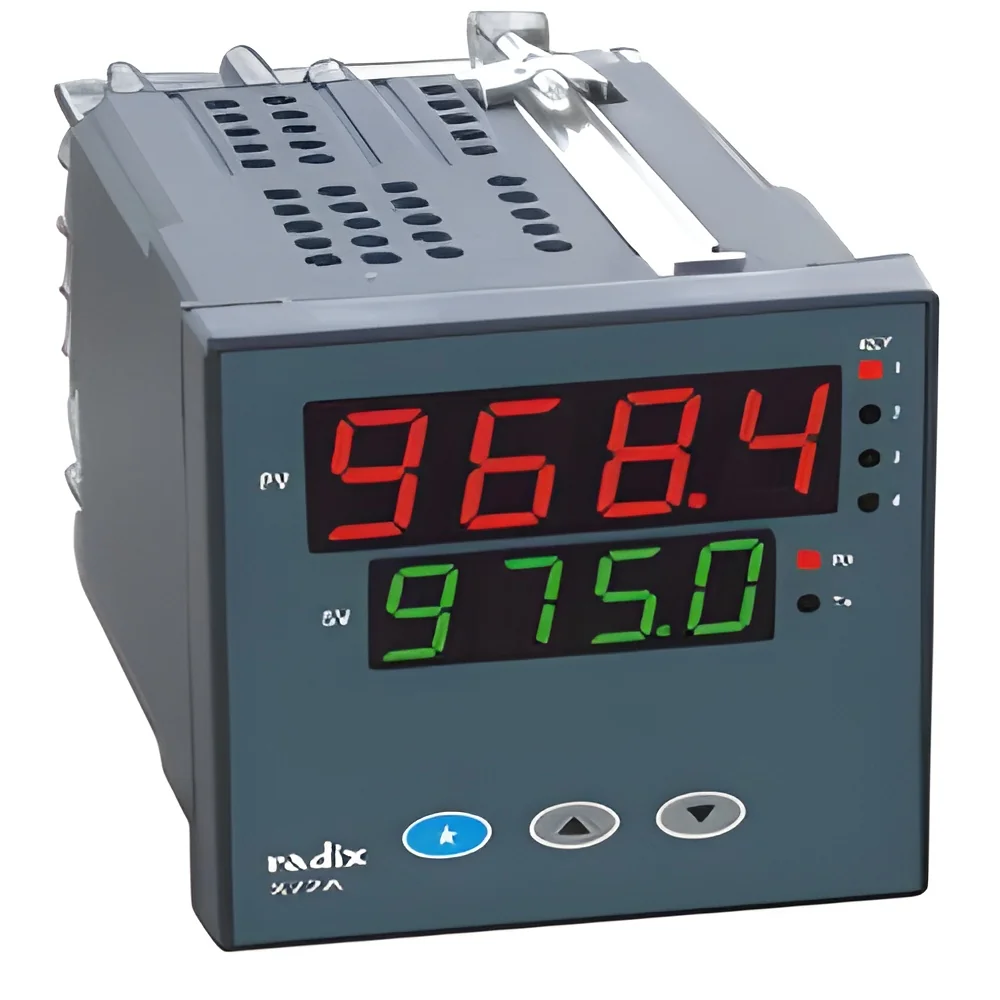
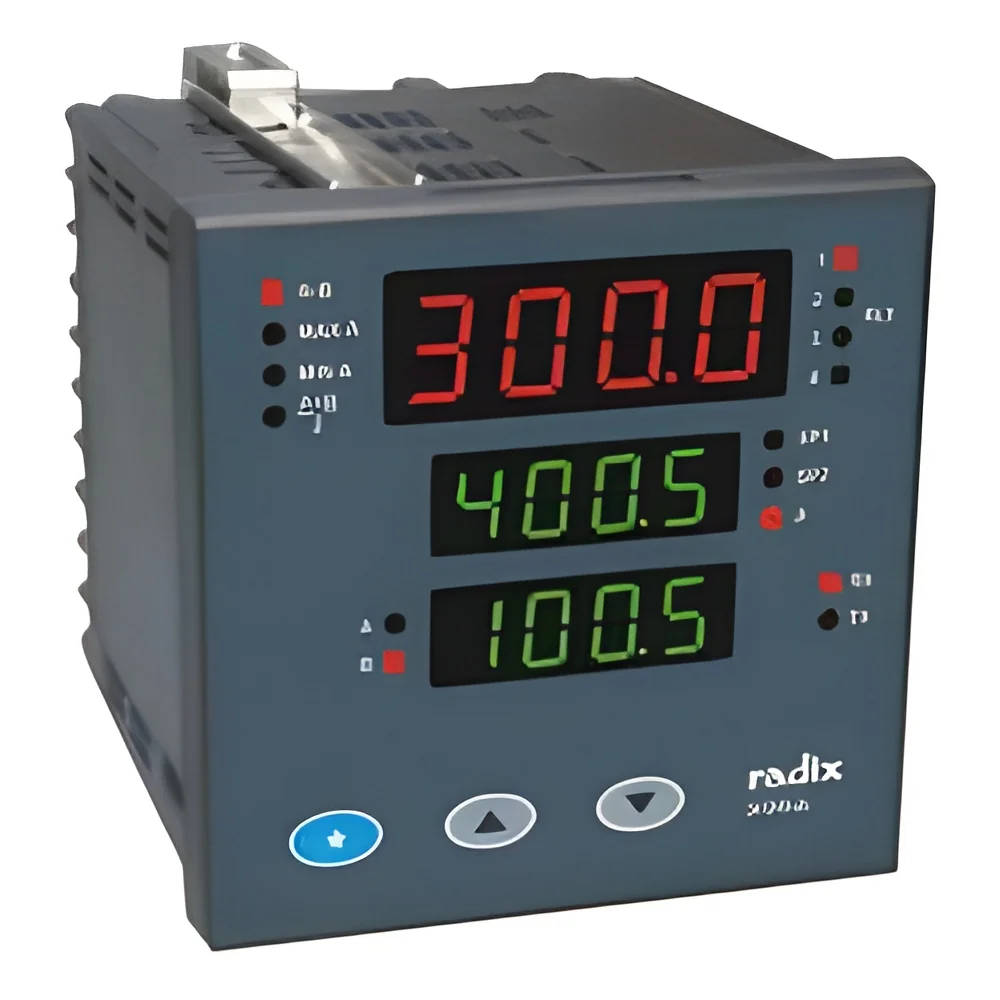
The Industrial Differential Temperature Controller represents advanced monitoring technology engineered for applications requiring precise temperature management. Featuring two universal input units (A and B), this controller performs multiple calculation functions including difference, average, maximum, and minimum values between the two inputs. It offers configurable setpoints (0-4) that can be assigned to either input A, input B, or the selected function output. The device operates with isolated transmission outputs (0/4-20 mA or 0-10 V DC) corresponding to the selected input or function, ensuring accurate signal integrity in challenging industrial environments. With RS485 MODBUS RTU communication protocol and wide power supply range (85-265 V AC or 20-35 V DC), this controller provides reliable performance across diverse operational conditions and integration capabilities.

This temperature controller finds extensive application across multiple industries including manufacturing, H...
The Industrial Differential Temperature Controller represents advanced monitoring technology engineered for applications requiring precise temperature management. Featuring two universal input units (A and B), this controller performs multiple calculation functions including difference, average, maximum, and minimum values between the two inputs. It offers configurable setpoints (0-4) that can be assigned to either input A, input B, or the selected function output. The device operates with isolated transmission outputs (0/4-20 mA or 0-10 V DC) corresponding to the selected input or function, ensuring accurate signal integrity in challenging industrial environments. With RS485 MODBUS RTU communication protocol and wide power supply range (85-265 V AC or 20-35 V DC), this controller provides reliable performance across diverse operational conditions and integration capabilities.

This temperature controller finds extensive application across multiple industries including manufacturing, HVAC, energy management, and process automation. In industrial settings, it monitors temperature differentials in heat exchangers, reactors, and processing equipment to maintain optimal operating conditions and prevent thermal variations. The HVAC industry utilizes it for building automation systems, chiller plants, and air handling units where temperature differences indicate system performance and operational efficiency. Energy management applications include monitoring thermal efficiency in boilers, heat recovery systems, and renewable energy installations where precise temperature control impacts overall system performance. The device's robust design and communication capabilities make it suitable for integration into larger control systems and monitoring platforms across these diverse industrial environments.

The business value of this differential temperature controller lies in its reliability, accuracy, and operational flexibility that differentiate it from standard temperature controllers. Its unique quality ensures consistent performance in critical applications where temperature differentials directly impact product quality, energy consumption, and equipment safety. The device reduces operational risks by providing precise monitoring and control capabilities, preventing costly downtime and equipment damage in industrial processes. With multiple alarm types and configurable setpoints, it offers adaptability to meet specific application requirements while maintaining operational integrity across various industrial scenarios. The wide voltage supply range and communication capabilities ensure compatibility with existing infrastructure, providing long-term value and return on investment for operational efficiency.

Key Features:
- Dual universal input units (A and B) for flexible temperature monitoring
- Multiple calculation functions: difference, average, maximum, and minimum
- Configurable setpoints (0-4) assignable to inputs or function outputs
- Isolated transmission outputs (0/4-20 mA or 0-10 V DC)
- RS485 MODBUS RTU communication and wide voltage supply (85-265 V AC/20-35 V DC)

Benefits:
- Enhanced process control through precise temperature differential monitoring
- Reduced equipment downtime with reliable performance in industrial environments
- Improved energy efficiency by optimizing thermal management systems
- Flexible integration with existing control systems via MODBUS communication
- Operational safety through accurate monitoring and alarm capabilities
Specifications
| Additional Information | |
|---|---|
| Country of Origin | India |
Application
This differential temperature controller provides precise monitoring for industrial environments where temperature differentials directly impact process efficiency and safety. It supports multiple calculation modes including difference, average, maximum, and minimum functions, making it ideal for complex thermal management applications across various sectors. The configurable setpoints and universal inputs offer flexibility for diverse operational requirements and challenging industrial conditions.
The controller delivers reliable performance in demanding applications with isolated transmission outputs, MODBUS RTU communication, and wide voltage supply range. It serves critical functions in HVAC systems, manufacturing processes, energy management, and equipment protection scenarios where accurate temperature control prevents downtime and ensures operational continuity across multiple industrial settings.
- HVAC system optimization by monitoring temperature differences across heat exchangers and air handling units
- Industrial process control in manufacturing plants maintaining precise thermal conditions for production
- Energy management systems monitoring temperature differentials for efficiency optimization in facilities
- Equipment protection in machinery requiring temperature differential monitoring for safety
- Environmental control systems in commercial and industrial buildings for climate management
Trade Details
| Available Stock | In Stock |
| Sample Availability | No |
Payment Terms
| Payment Terms |
|
Company Profile
BPL Enterprises, Maharashtra
 Maharashtra, India
Maharashtra, IndiaElectronics & Electrical•Manufacturer•Distributor / Wholesaler•Importer / Exporter
Factory Details
Factory SizeBelow 1000 sqm
Annual Production Capacity0
Industrial Differential Temperature Controller with Universal Inputs and MODBUS
Industrial differential temperature controller with dual universal inputs, MODBUS communication, and configurable setpoints for precise monitoring in HVAC, process control, and industrial automation applications requiring reliable temperature management.
Min. Order Quantity: 1 unit
Shipping
Shipping fee and delivery date to be negotiated. Contact supplier now for more details.
BPL Enterprises
 Maharashtra, India
Maharashtra, IndiaElectronics & ElectricalManufacturer