
 IN
Solar Energy Monitoring Systems
2 products available
What are Solar Energy Monitoring Systems?
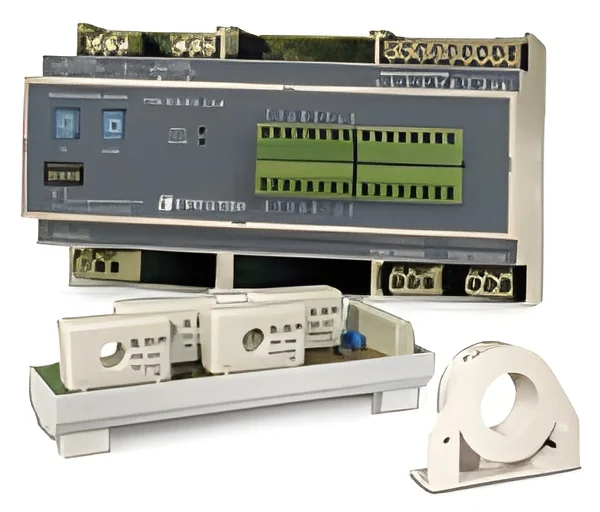
Solar Energy Monitoring Systems are advanced tools designed to track and analyze the performance of solar energy systems. These systems provide real-time data on energy production, system efficiency, and overall performance metrics. By integrating various sensors and communication technologies, they allow businesses to monitor the effectiveness of their solar installations, ensuring optimal energy generation and management.
In business applications, Solar Energy Monitoring Systems are essential for commercial solar projects, residential installations, and utility-scale solar farms. They help organizations maximize their return on investment by identifying performance issues, enabling timely maintenance, and ensuring compliance with energy production regulations. The relevance of these systems in today’s market is significant, as the global push for renewable energy sources continues to grow, making efficient energy monitoring a key component of sustainable energy management.
Key Features and Specifications
Solar Energy Monitoring Systems come equipped with various features that enhance their functionality and usability. These features allow users to gain comprehensive insights into their solar energy systems and optimize performance accordingly.
Key specifications include:
1. Real-time Monitoring
- Provides live data on energy production
- Enables quick identification of performance issues
2. Data Logging
- Stores historical performance data for analysis
- Assists in trend analysis and reporting
3. User-Friendly Interface
- Intuitive dashboards for easy navigation
- Accessible via web or mobile applications
4. Communication Protocols
- Supports various communication methods such as Wi-Fi, Ethernet, and cellular
- Ensures reliable data transmission
5. Alerts and Notifications
- Sends alerts for system failures or underperformance
- Enables prompt troubleshooting
6. Compatibility
- Integrates with different inverter brands and models
- Allows for flexible system designs
7. Energy Consumption Monitoring
- Tracks energy usage in real-time
- Helps in reducing operational costs
8. Remote Access
- Enables monitoring from any location
- Facilitates remote troubleshooting and maintenance
These specifications highlight the advanced capabilities of Solar Energy Monitoring Systems, making them an essential investment for businesses aiming to optimize solar energy production.
Common Applications and Use Cases
Solar Energy Monitoring Systems can be utilized across various industries, each benefiting from the efficiency and data insights provided.
1. Agriculture: Farms use these systems to monitor solar installations powering irrigation systems, ensuring efficient water usage and energy savings.
2. Commercial Buildings: Businesses implement monitoring systems to track energy consumption and optimize solar energy usage, reducing operational costs.
3. Solar Farms: Utility-scale solar projects rely on these systems for real-time data, optimizing power generation and ensuring compliance with energy regulations.
4. Residential Homes: Homeowners use monitoring systems to track solar panel performance, helping them maximize savings on energy bills.
5. Educational Institutions: Schools and universities implement monitoring systems to educate students about renewable energy while managing their energy consumption.
6. Government Facilities: Public sector buildings use these systems to monitor energy production and consumption, contributing to sustainability goals.
Product Variants and Subcategories
Solar Energy Monitoring Systems come in a variety of configurations to meet the diverse needs of different users. Each variant offers unique features tailored for specific applications.
Residential Monitoring System
This variant is designed for homeowners with solar panel installations. It features a user-friendly interface, real-time monitoring, and energy consumption tracking, allowing homeowners to maximize their energy savings.
Commercial Monitoring System
This system is tailored for businesses with larger solar installations. It offers advanced features such as data logging, alerts, and remote access, enabling businesses to monitor performance and manage energy consumption effectively.
Utility-Scale Monitoring System
Designed for large solar farms, this variant supports extensive data analysis and monitoring capabilities. It provides comprehensive reports and trends, ensuring optimal energy production while meeting regulatory compliance.
Benefits and Advantages
Investing in Solar Energy Monitoring Systems presents numerous advantages for businesses looking to enhance their energy management.
Key benefits include:
1. Increased Efficiency: By continuously monitoring performance, businesses can quickly address issues and optimize energy production.
2. Cost Savings: Identifying inefficiencies leads to reduced operational costs and improved return on investment.
3. Data-Driven Decisions: Access to real-time data enables informed decision-making regarding energy management and system maintenance.
4. Enhanced Reliability: Early detection of performance issues minimizes downtime and ensures consistent energy generation.
5. Sustainability Goals: Monitoring systems support businesses in achieving their sustainability objectives by maximizing renewable energy use.
6. Compliance Assurance: These systems help organizations meet regulatory requirements regarding energy production and reporting.
Buying Guide for B2B Buyers
When sourcing Solar Energy Monitoring Systems, businesses should consider several critical factors to ensure they make informed decisions.
1. Quality Assessment: Look for systems that adhere to high-quality standards. Evaluate manufacturers based on their reputation and product reviews to ensure reliability.
2. Supplier Verification: Vet suppliers through background checks and reviews to confirm their credibility and experience in the industry.
3. Pricing and MOQ: Consider the cost of the monitoring systems and the minimum order quantity (MOQ) that suppliers may require. Balance pricing with the quality of the product.
4. Delivery and Lead Times: Discuss logistics with suppliers to understand delivery timelines and ensure products arrive when needed.
5. Compliance Requirements: Ensure that the monitoring systems comply with relevant regulatory standards and certifications, which may vary by region.
Compliance and Certifications
Solar Energy Monitoring Systems must adhere to specific quality standards and certifications to ensure their reliability and performance. Common quality standards include ISO 9001, which focuses on quality management systems, and CE certification, confirming compliance with European health and safety regulations.
Safety and testing requirements are essential to guarantee that the systems operate correctly and safely. Manufacturers should undertake rigorous testing to ensure that their products meet industry standards.
Additionally, it is crucial to consider regional compliance factors, as different markets may have unique regulations regarding solar energy systems. Buyers should be aware of these requirements to ensure that their systems are compliant and effective.
Why Source Solar Energy Monitoring Systems from Pepagora?
Pepagora provides a trusted platform for sourcing Solar Energy Monitoring Systems, bringing several key advantages to B2B buyers.
Verified Supplier Network: Pepagora has established a robust network of verified suppliers, ensuring that buyers can source high-quality products from reputable manufacturers. Each supplier undergoes thorough vetting to guarantee reliability.
Streamlined RFQ Process: The Request for Quotation (RFQ) process on Pepagora is designed to be efficient and user-friendly. Buyers can easily compare quotes from multiple suppliers, making it easier to find the best deals.
Trade Assurance and Support: Pepagora offers trade assurance to protect buyers throughout the purchasing process. This includes support for any disputes and guidance on making informed purchasing decisions.
Regional Coverage: With a focus on markets in India, the GCC, and Southeast Asia, Pepagora ensures that buyers have access to a wide range of products tailored to their specific regional needs. This geographic reach helps businesses find the right solutions for their solar monitoring requirements.

Frequently Asked Questions
What are Solar Energy Monitoring Systems?
Solar Energy Monitoring Systems are tools that track and analyze the performance of solar energy systems. They provide real-time data on energy production, consumption, and system efficiency, helping users optimize their solar energy usage.
What are the different types of Solar Energy Monitoring Systems?
There are several types of Solar Energy Monitoring Systems, including standalone monitoring devices, integrated monitoring solutions with inverters, and cloud-based monitoring platforms. Each type varies in features, data reporting capabilities, and user interface.
How do I choose the right Solar Energy Monitoring Systems?
To choose the right Solar Energy Monitoring System, consider factors such as system compatibility, data reporting needs, user interface, and additional features like alerts and remote access. It's also important to evaluate the manufacturer's reputation and customer support.
What are the standard specifications for Solar Energy Monitoring Systems?
Standard specifications for Solar Energy Monitoring Systems often include measurement accuracy, data logging intervals, supported communication protocols, and compatibility with various solar panels and inverters. Additionally, features like user interfaces and mobile app support may also be specified.
What is the price range for Solar Energy Monitoring Systems?
The price range for Solar Energy Monitoring Systems can vary widely based on features and manufacturer. Generally, prices can start from a few thousand rupees for basic models and can go up to several tens of thousands for advanced systems with extensive monitoring capabilities.
What quality standards apply to Solar Energy Monitoring Systems?
Solar Energy Monitoring Systems typically adhere to quality standards such as ISO certifications and local regulatory standards. These standards ensure reliability, safety, and performance efficiency of the systems in various environments.
Where can I find Solar Energy Monitoring Systems suppliers in India?
You can find Solar Energy Monitoring Systems suppliers in India through B2B marketplaces like Pepagora, industry trade shows, and online directories. It's advisable to research suppliers' reviews and product offerings to ensure quality and reliability.
Can Solar Energy Monitoring Systems be customized?
Yes, many manufacturers offer customization options for Solar Energy Monitoring Systems to meet specific needs. Customizations may include software features, hardware configurations, and integration with existing energy management systems.
What is the typical minimum order quantity for Solar Energy Monitoring Systems?
The typical minimum order quantity (MOQ) for Solar Energy Monitoring Systems can vary by supplier, ranging from a single unit for smaller manufacturers to larger quantities for bulk orders. It is recommended to check with specific suppliers for their MOQ policies.
What is the typical lead time for Solar Energy Monitoring Systems?
The typical lead time for Solar Energy Monitoring Systems varies depending on the supplier and customization requirements. Generally, lead times can range from a few days for standard products to several weeks for customized solutions.
Why Businesses Trust Pepagora
Thousands of companies trust Pepagora to source smarter and sell faster
Expand Your Sales Globally

Source Smarter,Grow Faster
