
 IN
Access Control with Face Recognition
2 products available
What are Access Control with Face Recognition?
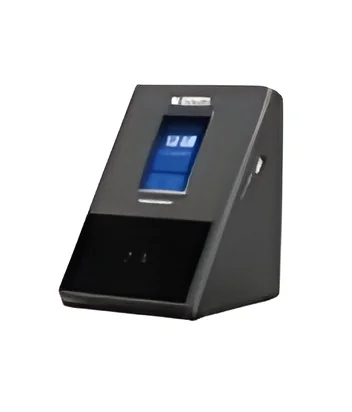
Access Control with Face Recognition is a modern security solution that employs advanced biometric technology to identify individuals based on their facial features. This system uses high-resolution cameras and sophisticated algorithms to capture and analyze facial data, allowing for quick and accurate identification. Unlike traditional methods that may rely on keycards or PIN codes, face recognition systems provide a touchless and efficient way to grant or deny access to secure areas.
These systems are primarily utilized in various business applications, including corporate offices, government buildings, and educational institutions. They enhance security by ensuring that only authorized personnel can enter restricted areas. Additionally, they can be integrated with existing security infrastructures, such as surveillance cameras and alarm systems, to create a comprehensive security solution. With the increasing emphasis on workplace safety and security, face recognition technology is becoming increasingly relevant across industries.
The market for Access Control with Face Recognition is expanding rapidly, driven by the growing need for efficient security solutions. As organizations prioritize safety and efficiency, face recognition systems are being adopted not only for securing physical spaces but also for streamlining processes such as employee attendance tracking and visitor management.
Key Features and Specifications
Access Control with Face Recognition systems come equipped with a variety of features designed to enhance security and ease of use. These specifications are critical for ensuring that the systems meet the demands of various environments.
Key specifications include:
1. Recognition Speed
- The speed at which the system can identify individuals.
- Typically ranges from 0.5 to 3 seconds per identification.
2. Accuracy Rate
- The percentage of correct identifications made by the system.
- Usually exceeds 95% under optimal conditions.
3. User Capacity
- The maximum number of users that can be stored in the system.
- Some systems can accommodate up to 50,000 users.
4. Operating Conditions
- The environmental conditions in which the system can operate effectively.
- Designed to function within a temperature range of -20 to 50 degrees Celsius.
5. Interface Compatibility
- The ability of the system to integrate with other security systems.
- Supports various protocols like TCP/IP and RS-485.
6. Power Supply
- The type of power source required for operation.
- Most systems operate on a standard 110-240V AC input.
7. Connectivity Options
- The various ways the system can connect to networks.
- Includes options for Wi-Fi, Ethernet, and Bluetooth.
8. Certification
- Compliance with industry standards for safety and quality.
- Certified with CE marking for European markets.
In summary, the specifications of Access Control with Face Recognition systems highlight their advanced technology and adaptability to various business needs.
Common Applications and Use Cases
Access Control with Face Recognition technology serves a multitude of industries, providing tailored solutions to enhance security and operational efficiency.
1. Corporate Offices: Many businesses use face recognition for employee access to restricted areas, ensuring that only authorized personnel can enter sensitive locations.
2. Government Facilities: Security agencies implement face recognition to monitor access to secure buildings, enhancing national security and preventing unauthorized entry.
3. Educational Institutions: Schools and universities utilize face recognition for student identification, attendance tracking, and improving campus security.
4. Healthcare Facilities: Hospitals and clinics adopt this technology to protect sensitive patient information and control access to restricted medical areas.
5. Retail Environments: Retailers use face recognition to identify potential shoplifters and enhance overall store security.
6. Transportation Hubs: Airports and train stations leverage face recognition for passenger identification, streamlining check-in processes and enhancing security.
7. Event Venues: Concerts and conferences employ face recognition for quick entry and to monitor guest lists effectively.
Product Variants and Subcategories
Access Control with Face Recognition systems come in various configurations to meet different security needs.
Standalone Systems
These systems operate independently without the need for additional hardware. They are ideal for small businesses looking for a quick and efficient solution.
Networked Systems
These systems integrate with existing security networks, allowing for centralized management and monitoring across multiple locations. They are suitable for larger organizations with extensive security requirements.
Mobile Solutions
These solutions offer face recognition capabilities via mobile devices, enabling security personnel to verify identities on the go. This flexibility is especially useful in dynamic environments.
Benefits and Advantages
Access Control with Face Recognition provides numerous advantages that enhance security and operational efficiency.
1. Enhanced Security: The biometric nature of face recognition systems makes them highly secure, reducing the risk of unauthorized access.
2. Convenience: Employees and visitors benefit from touchless entry, eliminating the need for physical access cards or PINs.
3. Speed and Efficiency: Face recognition systems can identify individuals within seconds, streamlining the entry process in busy environments.
4. Cost-Effectiveness: By reducing the need for physical security personnel, these systems can lead to significant long-term savings.
5. Data Integrity: The systems provide reliable tracking of entry and exit logs, enhancing accountability and security compliance.
6. Customization: Many systems offer customizable features that can be tailored to specific organizational needs, improving functionality.
Buying Guide for B2B Buyers
When sourcing Access Control with Face Recognition, it is essential to consider several factors to ensure a suitable purchase.
1. Quality Assessment: Evaluate the quality and reliability of the systems. Look for reputable manufacturers with proven track records in biometric technology.
2. Supplier Verification: Vet suppliers thoroughly to ensure they provide high-quality products and reliable support. Check for customer reviews and industry certifications.
3. Pricing and MOQ: Analyze pricing structures and minimum order quantities. Ensure that the pricing aligns with your budget while considering the features offered.
4. Delivery and Lead Times: Understand the logistics involved in the purchasing process. Check for estimated delivery times to plan accordingly.
5. Compliance Requirements: Ensure that the system complies with relevant regulations and standards specific to your industry or region to avoid potential legal issues.
Compliance and Certifications
Access Control with Face Recognition systems must adhere to various quality and safety standards to ensure reliability and performance. Key relevant standards include ISO 9001, which focuses on quality management systems and ensuring consistent product quality. Compliance with CE marking is also essential for products sold in European markets, indicating conformity with health and safety requirements.
In addition, companies should be aware of safety and testing requirements that their systems must meet to ensure they function effectively in various environments. Regional compliance considerations may vary, necessitating a thorough understanding of local regulations governing biometric data use and privacy.
Why Source Access Control with Face Recognition from Pepagora?
Pepagora is a trusted platform for sourcing Access Control with Face Recognition, offering several key advantages that facilitate secure and efficient transactions.
Verified Supplier Network: Pepagora maintains a robust network of verified suppliers, ensuring that buyers can source high-quality products from reputable manufacturers. This verification process minimizes risks associated with purchasing and provides peace of mind.
Streamlined RFQ Process: The platform features an efficient Request for Quotation system, allowing buyers to easily compare offers from multiple suppliers. This transparency empowers buyers to make informed decisions based on pricing and features.
Trade Assurance and Support: Pepagora provides trade assurance, protecting buyers' investments and ensuring that they receive the products as described. Their dedicated support team is ready to assist with any inquiries or issues that may arise during the sourcing process.
Regional Coverage: With a strong presence in India, the GCC, and Southeast Asia, Pepagora offers regional expertise that helps buyers navigate local markets and find the best solutions for their access control needs.


Frequently Asked Questions
What are Access Control with Face Recognition?
Access Control with Face Recognition refers to security systems that use facial recognition technology to identify individuals and grant or deny access to restricted areas. This technology enhances security by automating the identification process, reducing the risk of unauthorized entry.
What are the different types of Access Control with Face Recognition?
There are primarily two types of Access Control with Face Recognition systems: standalone systems and networked systems. Standalone systems operate independently without the need for a network connection, while networked systems can integrate with other security measures and provide centralized management.
How do I choose the right Access Control with Face Recognition?
To choose the right Access Control with Face Recognition system, consider factors such as the size of the area to be monitored, the number of users, and the specific security needs of your organization. Additionally, evaluate the technology's accuracy, speed, and compatibility with existing security infrastructure.
What are the standard specifications for Access Control with Face Recognition?
Standard specifications for Access Control with Face Recognition typically include image resolution, recognition speed, and operating conditions (such as light levels). Systems should also comply with data protection regulations and provide features like real-time monitoring and reporting.
What is the price range for Access Control with Face Recognition?
The price range for Access Control with Face Recognition systems can vary widely based on features and capabilities, typically ranging from INR 10,000 to INR 1,00,000 or more. Factors such as installation, maintenance, and additional features can also influence the overall cost.
What quality standards apply to Access Control with Face Recognition?
Quality standards for Access Control with Face Recognition systems often include compliance with international standards such as ISO/IEC 27001 for information security and ISO 9001 for quality management. These standards ensure the reliability and effectiveness of the systems.
Where can I find Access Control with Face Recognition suppliers in India?
You can find Access Control with Face Recognition suppliers in India through B2B marketplaces like Pepagora, trade exhibitions, and local security system distributors. Online platforms often provide listings of manufacturers and suppliers along with product reviews.
Can Access Control with Face Recognition be customized?
Yes, many Access Control with Face Recognition systems offer customization options to fit specific security needs. Customizations may include software integration, user interface design, and tailored reporting functionalities.
What is the typical minimum order quantity for Access Control with Face Recognition?
The typical minimum order quantity (MOQ) for Access Control with Face Recognition systems can vary by supplier but often ranges from 1 to 10 units. It's advisable to check with specific manufacturers for their MOQ policies.
What is the typical lead time for Access Control with Face Recognition?
The typical lead time for Access Control with Face Recognition systems can range from 1 to 6 weeks, depending on the supplier and the complexity of the order. Factors such as customization requests and stock availability can also affect delivery times.
Why Businesses Trust Pepagora
Thousands of companies trust Pepagora to source smarter and sell faster
Expand Your Sales Globally

Source Smarter,Grow Faster
