Key Features and Specifications
Smart meters come equipped with a variety of features designed to enhance monitoring and management capabilities. These features ensure accurate data collection and efficient communication with utility providers.
Key specifications include:
1. Communication Technology
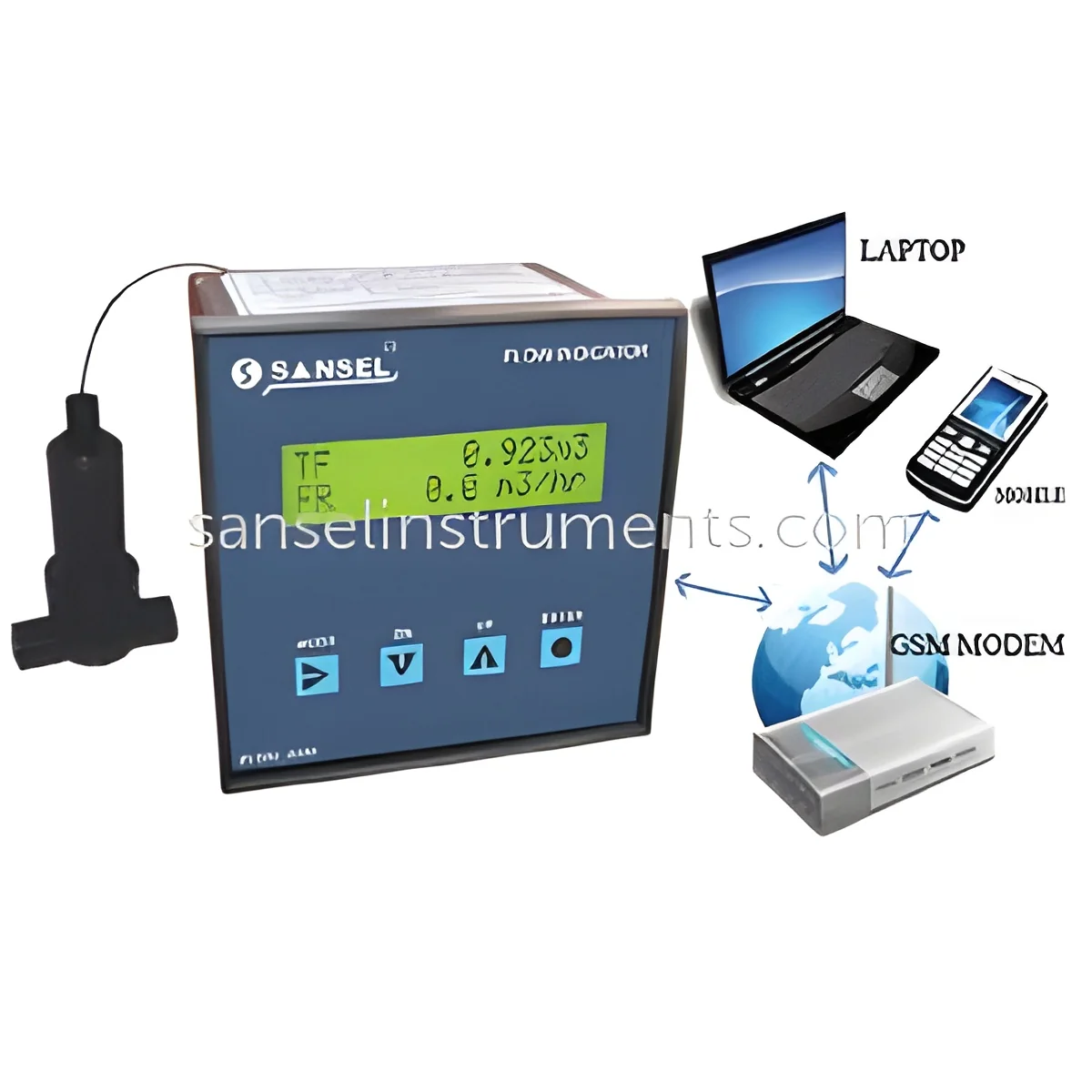
- Utilizes wireless or wired connections for data transfer
- Supports protocols like RF, GPRS, and others
2. Measurement Accuracy
- Ensures precision in consumption readings
- Typical accuracy range is ±1% for most applications
3. Remote Monitoring
- Allows for real-time data access from a distance
- Reduces the need for manual meter readings
4. Data Storage Capacity
- Stores usage data for historical analysis
- Typically retains data for several months
5. User Interface
- Provides a display for end-user interaction
- May include features like consumption graphs and alerts
6. Integration Capability
- Compatible with home energy management systems
- Facilitates integration with smart home devices
7. Security Features
- Incorporates encryption for data protection
- Prevents unauthorized access to the meter data
8. Environmental Resistance
- Designed to withstand various environmental conditions
- Suitable for both indoor and outdoor installations
In summary, smart meters are equipped with advanced features that enhance their functionality, making them essential tools for modern energy and water management.
Common Applications and Use Cases
Smart meters find applications across various industries, enhancing efficiency and resource management.
1. Utilities: Utility companies use smart meters to monitor consumption patterns and optimize energy distribution. This technology allows for quicker responses to outages and better demand forecasting.
2. Residential: Smart meters are widely used in homes to provide consumers with detailed insights into their energy and water usage. This data helps in managing utility bills and promoting energy-saving practices.
3. Industrial: Manufacturing facilities employ smart meters to track energy consumption across different processes. This information aids in reducing operational costs and improving energy efficiency.
4. Agriculture: Farmers utilize smart meters for water management, ensuring optimal irrigation practices. This leads to better crop yields and resource conservation.
5. Commercial Buildings: Office buildings use smart meters to monitor energy use, which helps in identifying areas for efficiency improvements and reducing overall operational costs.
6. Municipal Services: Cities implement smart metering for public infrastructure, including street lighting and water supply management, contributing to sustainable urban development.
7. Smart Cities: Smart meters play a vital role in the development of smart city initiatives by providing critical data for urban planning and resource allocation.
Product Variants and Subcategories
Smart meters are diverse, catering to different types of resource monitoring needs.
Water Smart Meters
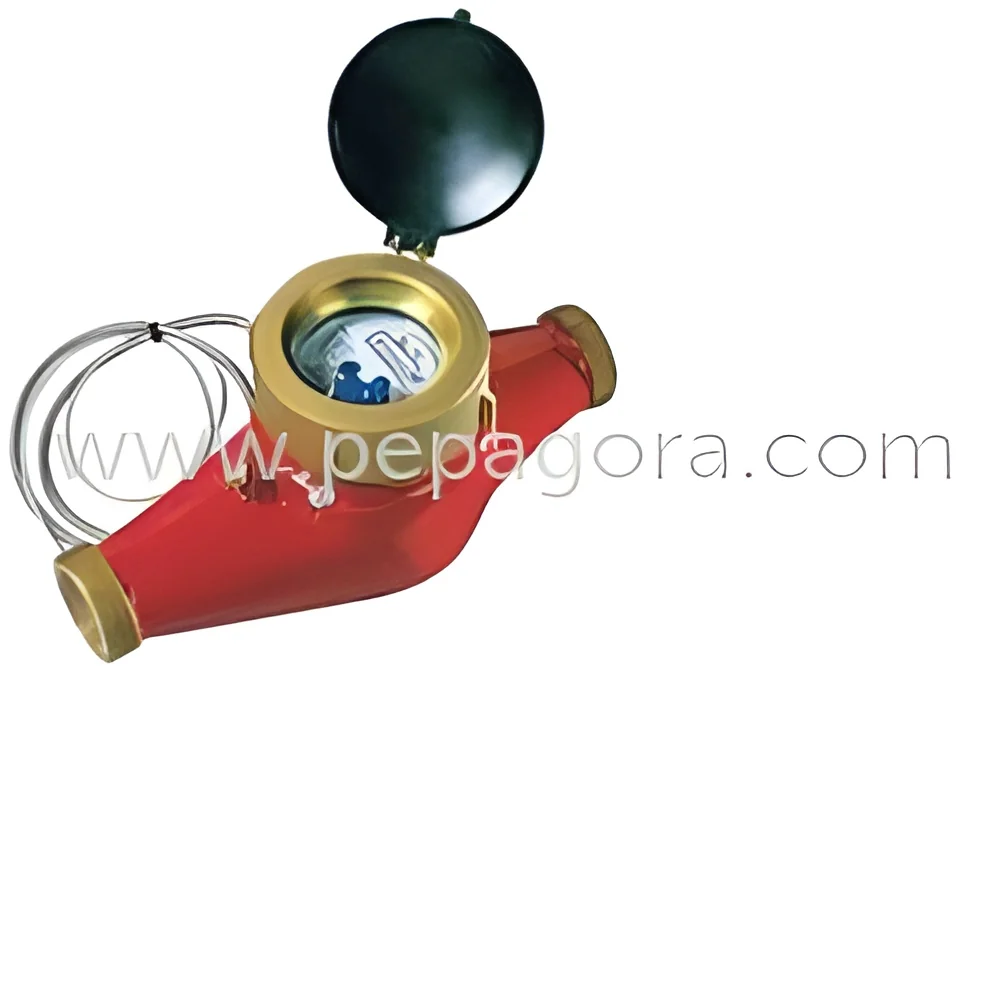
These variants measure water consumption accurately, providing utilities with essential data for managing water resources. They often feature remote reading capabilities and leak detection alerts.
Electricity Smart Meters
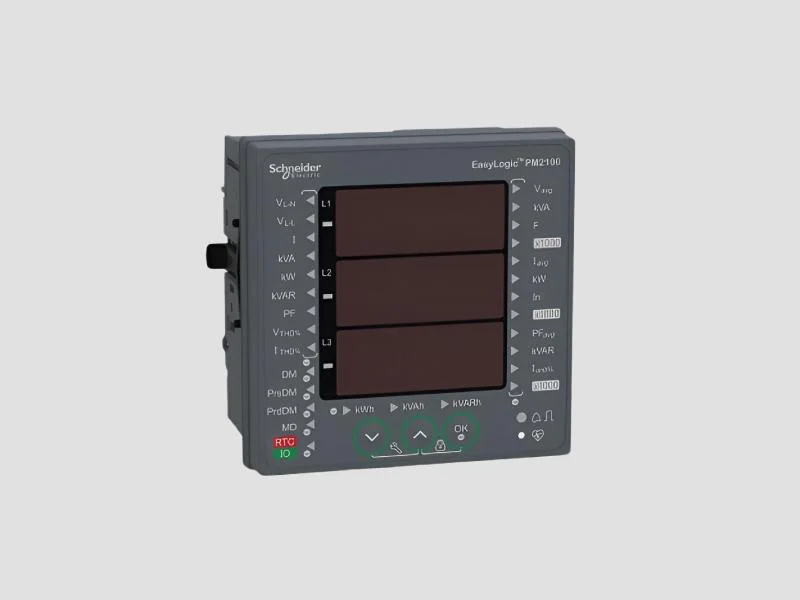
Electricity smart meters track energy usage patterns, allowing consumers and businesses to optimize their electricity consumption. They typically integrate with renewable energy sources like solar panels.
Gas Smart Meters
Gas smart meters monitor natural gas consumption, ensuring safety and accuracy in billing. They support advanced features like pressure monitoring and leak detection.
Benefits and Advantages
The adoption of smart meters offers numerous advantages to users and utility companies alike.
Key benefits include:
1. Improved Accuracy: Smart meters provide precise data on consumption, reducing billing errors and disputes.
2. Enhanced Efficiency: Real-time monitoring enables users to identify waste and optimize resource usage.
3. Cost Savings: By promoting energy efficiency, smart meters help users reduce their utility bills significantly.
4. Environmental Impact: Smart meters support sustainability efforts by encouraging reduced consumption and promoting renewable energy sources.
5. Better Customer Engagement: Consumers gain access to detailed usage data, enabling informed decisions about their energy and water usage.
6. Increased Reliability: Utilities benefit from improved grid management and quicker response times to outages, enhancing service reliability.
Buying Guide for B2B Buyers
When sourcing smart meters, several key factors must be considered to ensure optimal purchasing decisions.
1. Quality Assessment: Evaluate the quality of smart meters based on accuracy, durability, and reliability. Look for products that meet industry standards and have positive user reviews.
2. Supplier Verification: Vet potential suppliers by checking their certifications, customer references, and market reputation. Ensure they have a track record of delivering quality products.
3. Pricing and MOQ: Understand the pricing structures and minimum order quantities (MOQ) offered by suppliers. Compare quotes to ensure competitive pricing while considering product quality.
4. Delivery and Lead Times: Discuss logistics and lead times with suppliers to ensure timely delivery of products. Consider potential delays in manufacturing and shipping.
5. Compliance Requirements: Be aware of the regulatory requirements and certifications needed for smart meters in your region. Ensure that the products you source comply with relevant standards.
Compliance and Certifications
Smart meters must adhere to various quality standards and certifications to ensure safety and reliability.
Relevant quality standards include ISO 9001, which sets criteria for a quality management system, ensuring that products meet customer and regulatory requirements. Additionally, HACCP and GDP standards may apply depending on the specific application, particularly in industries where safety is paramount.
Industry certifications like CE indicate compliance with European safety standards, ensuring that products are safe for use in the market.
Safety and testing requirements include rigorous evaluations to ensure that smart meters operate reliably under various conditions. Manufacturers must conduct thorough testing to guarantee performance and durability.
Regional compliance considerations vary, so it is crucial to understand local regulations that govern the use of smart meters. This ensures that the products sourced meet all necessary legal and safety requirements.
Why Source Smart Meters (Water, Electricity, Gas) from Pepagora?
Pepagora offers a reliable platform for sourcing smart meters, ensuring that businesses find quality products with several key advantages.
Verified Supplier Network: Pepagora connects buyers with a network of verified suppliers. This ensures that all listed suppliers meet stringent quality and reliability standards, reducing the risk of subpar products.
Streamlined RFQ Process: The platform simplifies the request for quotation (RFQ) process, enabling buyers to easily compare offers from multiple suppliers. This helps in making informed purchasing decisions quickly.
Trade Assurance and Support: Pepagora provides trade assurance, offering buyers protection throughout the purchasing process. Support services assist in addressing any concerns that may arise, ensuring a smooth transaction.
Regional Coverage: Pepagora caters to a wide geographic reach, including India, the GCC, and Southeast Asia. This enables buyers to access a diverse range of suppliers and products tailored to their specific regional needs.

 IN
IN