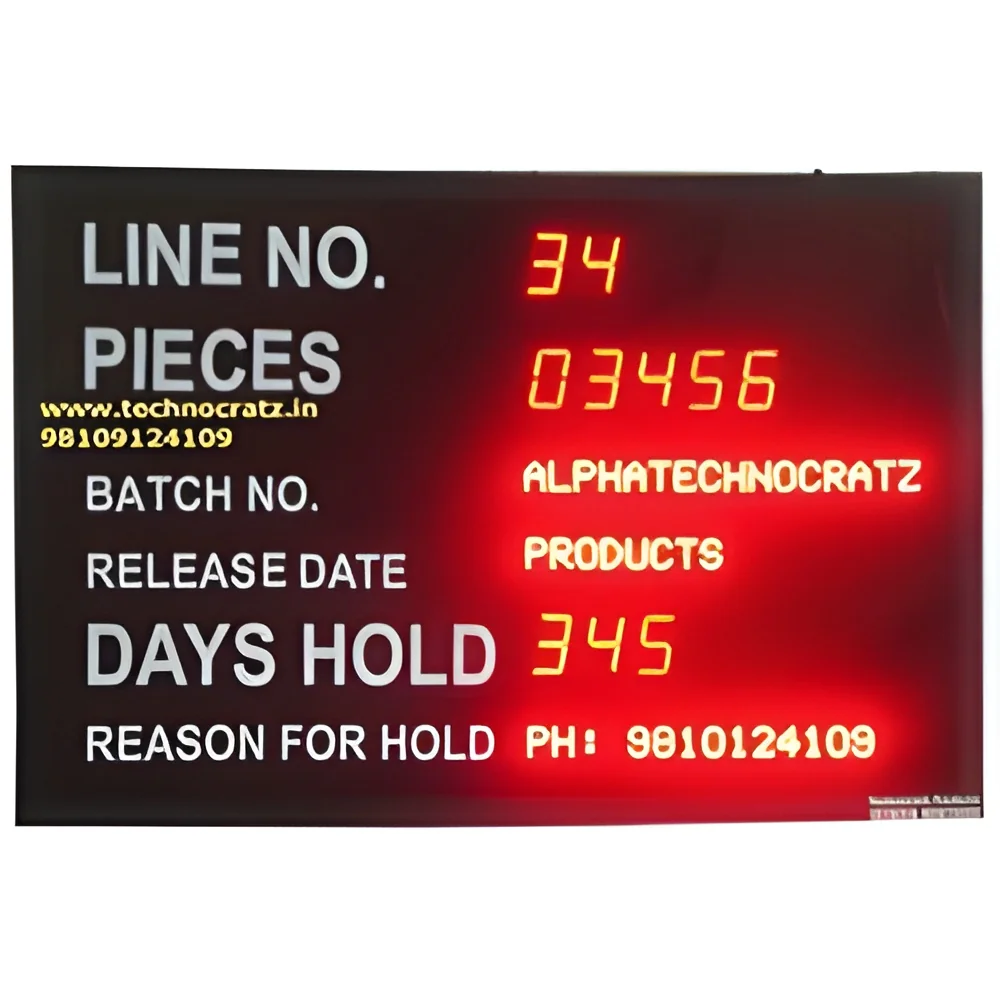
What are Integrated Facility Dashboards?
Integrated Facility Dashboards are advanced digital solutions designed to aggregate and display real-time data from various building systems and operations. These dashboards allow facility managers to monitor key performance indicators, track environmental conditions, and make informed decisions based on comprehensive data analysis. By consolidating information from different sources, Integrated Facility Dashboards enhance visibility and operational efficiency.
The primary uses of Integrated Facility Dashboards include monitoring energy consumption, tracking equipment performance, and ensuring compliance with safety standards. Businesses utilize these tools to optimize resource usage, enhance maintenance schedules, and improve overall facility management. Industries such as manufacturing, healthcare, and commercial real estate leverage these dashboards to streamline operations and reduce costs.
In today’s market, Integrated Facility Dashboards are increasingly relevant as organizations seek to adopt smart building technologies and improve sustainability initiatives. With growing awareness of energy efficiency and regulatory compliance, these dashboards provide critical insights that support strategic decision-making and operational excellence across various sectors.
Key Features and Specifications
Integrated Facility Dashboards offer a range of features that enhance their functionality and user experience. They provide centralized data visualization, customizable reporting options, and seamless integration with existing building management systems.
Key specifications include:
1. Data Integration
- Capable of integrating data from multiple sources including HVAC, lighting, and security systems.
- Supports various protocols such as BACnet, Modbus, and MQTT.
2. Real-Time Monitoring
- Provides continuous tracking of environmental conditions and equipment performance.
- Enables alerts and notifications for anomalies or maintenance needs.
3. User-Friendly Interface
- Features an intuitive design that allows for easy navigation and data interpretation.
- Customizable dashboards to suit specific user needs and preferences.
4. Historical Data Analysis
- Allows users to analyze trends over time for better forecasting and planning.
- Facilitates the identification of patterns that lead to operational improvements.
5. Reporting Capabilities
- Offers automated report generation for compliance and performance review.
- Enables customizable reporting based on user-defined metrics.
6. Scalability
- Designed to accommodate the needs of both small facilities and large enterprises.
- Easily expandable to include additional data sources as required.
In summary, Integrated Facility Dashboards are equipped with essential features that facilitate efficient facility management, enhance data accessibility, and support informed decision-making.
Common Applications and Use Cases
Integrated Facility Dashboards have versatile applications across various industries.
1. Manufacturing: In manufacturing settings, these dashboards monitor equipment status and energy usage, helping optimize production processes and reduce downtime.
2. Healthcare: Hospitals and clinics utilize Integrated Facility Dashboards for tracking environmental conditions and ensuring compliance with health regulations, thereby enhancing patient safety.
3. Commercial Real Estate: Property managers use these dashboards to monitor energy consumption and maintenance schedules, improving operational efficiency and tenant satisfaction.
4. Education: Educational institutions implement these dashboards to manage facility operations, ensuring optimal learning environments through effective climate control.
5. Retail: Retail facilities leverage Integrated Facility Dashboards to monitor foot traffic and energy usage, allowing for data-driven decisions that enhance customer experience.
6. Hospitality: Hotels and resorts utilize these tools to track asset performance and optimize energy consumption, leading to cost savings and improved guest experiences.
Product Variants and Subcategories
Integrated Facility Dashboards come in various configurations to meet the specific needs of different users.
Standard Dashboard
This variant offers essential features for small to medium-sized facilities, focusing on basic monitoring and reporting capabilities. It is user-friendly and suitable for a wide range of applications.
Advanced Dashboard
The advanced version includes enhanced data integration and real-time analytics features. It is designed for larger facilities with complex operations that require detailed tracking and reporting.
Mobile Dashboard
This variant provides mobile access to facility data, allowing managers to monitor conditions and receive alerts on-the-go. It is particularly useful for facility managers who need to stay updated while away from the office.
Benefits and Advantages
Integrated Facility Dashboards offer numerous benefits that enhance facility management practices.
1. Improved Decision-Making: With real-time data at their fingertips, facility managers can make informed decisions quickly, enhancing operational efficiency.
2. Cost Savings: By monitoring energy usage and optimizing asset performance, organizations can significantly reduce operational costs.
3. Enhanced Compliance: These dashboards help ensure adherence to regulatory requirements, minimizing risks associated with non-compliance.
4. Increased Productivity: By streamlining operations and reducing downtime, Integrated Facility Dashboards contribute to higher productivity levels within organizations.
5. Better Resource Management: Facilities can allocate resources more effectively by analyzing data trends, leading to improved operational performance.
6. Improved User Experience: Enhanced visibility into facility operations allows for better service delivery and tenant satisfaction, particularly in commercial real estate and healthcare industries.
Buying Guide for B2B Buyers
When sourcing Integrated Facility Dashboards, several key factors should be considered to ensure the best fit for your organization's needs.
1. Quality Assessment: Evaluate the quality of the dashboard by considering its data integration capabilities, user interface, and overall performance metrics. Look for solutions that have been tested and validated in real-world applications.
2. Supplier Verification: Conduct thorough due diligence on suppliers to confirm their reputation and reliability. Check references, reviews, and any case studies that demonstrate their experience in providing Integrated Facility Dashboards.
3. Pricing and MOQ: Understand the pricing structure and minimum order quantities associated with the dashboards. Compare options to ensure you are getting the best value for your investment.
4. Delivery and Lead Times: Confirm expected delivery timelines and lead times for implementation. This will help in planning and ensure that your facility management needs are met promptly.
5. Compliance Requirements: Investigate any regulatory compliance requirements specific to your industry. Ensure that the Integrated Facility Dashboards you consider meet these standards to avoid any potential issues.
Compliance and Certifications
Integrated Facility Dashboards must adhere to several quality and safety standards to ensure they function effectively and meet regulatory requirements.
ISO 9001 is a widely recognized standard that ensures quality management systems are in place, promoting consistent product quality and customer satisfaction.
HACCP (Hazard Analysis Critical Control Point) is vital in industries where food safety is a concern, ensuring that dashboards used in such settings contribute to maintaining safe operational environments.
CE certification indicates compliance with European health and safety standards, demonstrating that the dashboard meets essential requirements for safety and performance.
Additionally, organizations should consider local compliance requirements based on their geographic location and industry specifics. Regional standards may vary, and it is crucial for facility managers to stay informed about these regulations to ensure full compliance.
Why Source Integrated Facility Dashboards from Pepagora?
Pepagora offers a reliable platform for sourcing Integrated Facility Dashboards, ensuring that B2B buyers have access to high-quality products from verified suppliers.
Verified Supplier Network: Pepagora's robust verification process ensures that suppliers are reliable and meet industry standards. This gives buyers confidence in their purchasing decisions.
Streamlined RFQ Process: The platform simplifies the request for quotation process, making it easier for buyers to obtain competitive pricing and detailed product information from multiple suppliers.
Trade Assurance and Support: Pepagora provides trade assurance to protect buyers throughout the purchasing process. This includes support for any issues that may arise post-purchase, ensuring a smooth transaction experience.
Regional Coverage: With a strong presence in India, the GCC, and Southeast Asia, Pepagora connects buyers with suppliers in their region, facilitating local sourcing and reducing lead times. This geographical reach enhances the overall sourcing experience for B2B buyers looking for Integrated Facility Dashboards.

 IN
IN