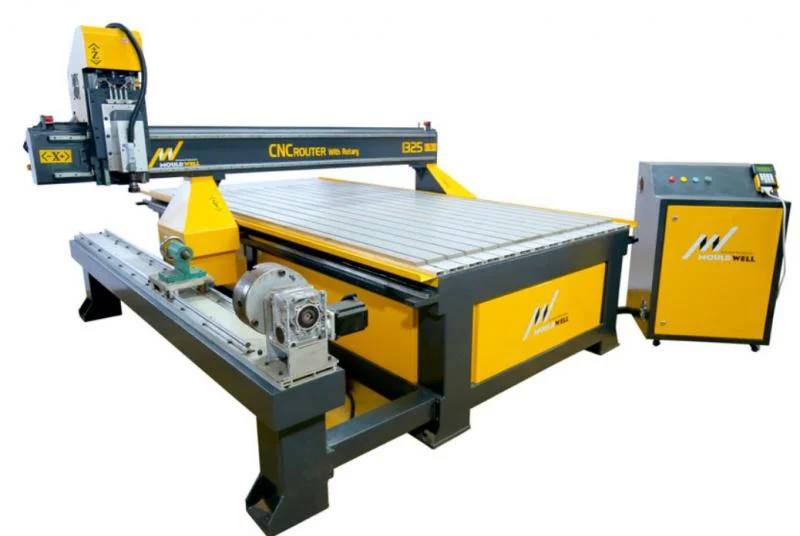
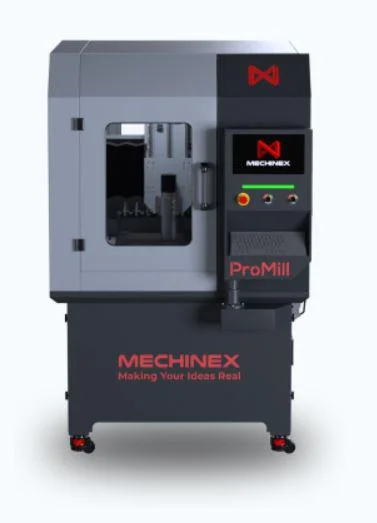
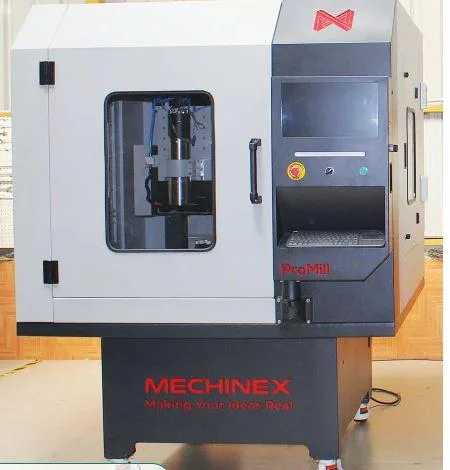
What are High-Speed CNC Mills?
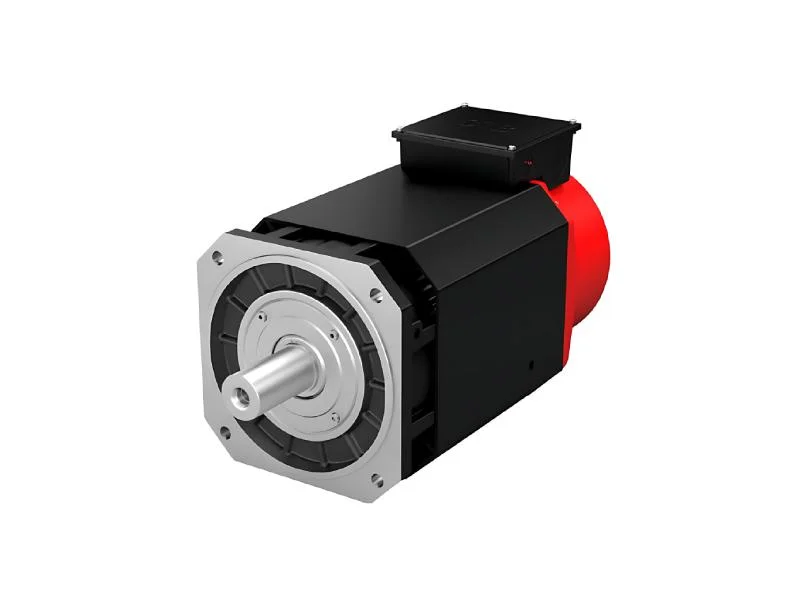
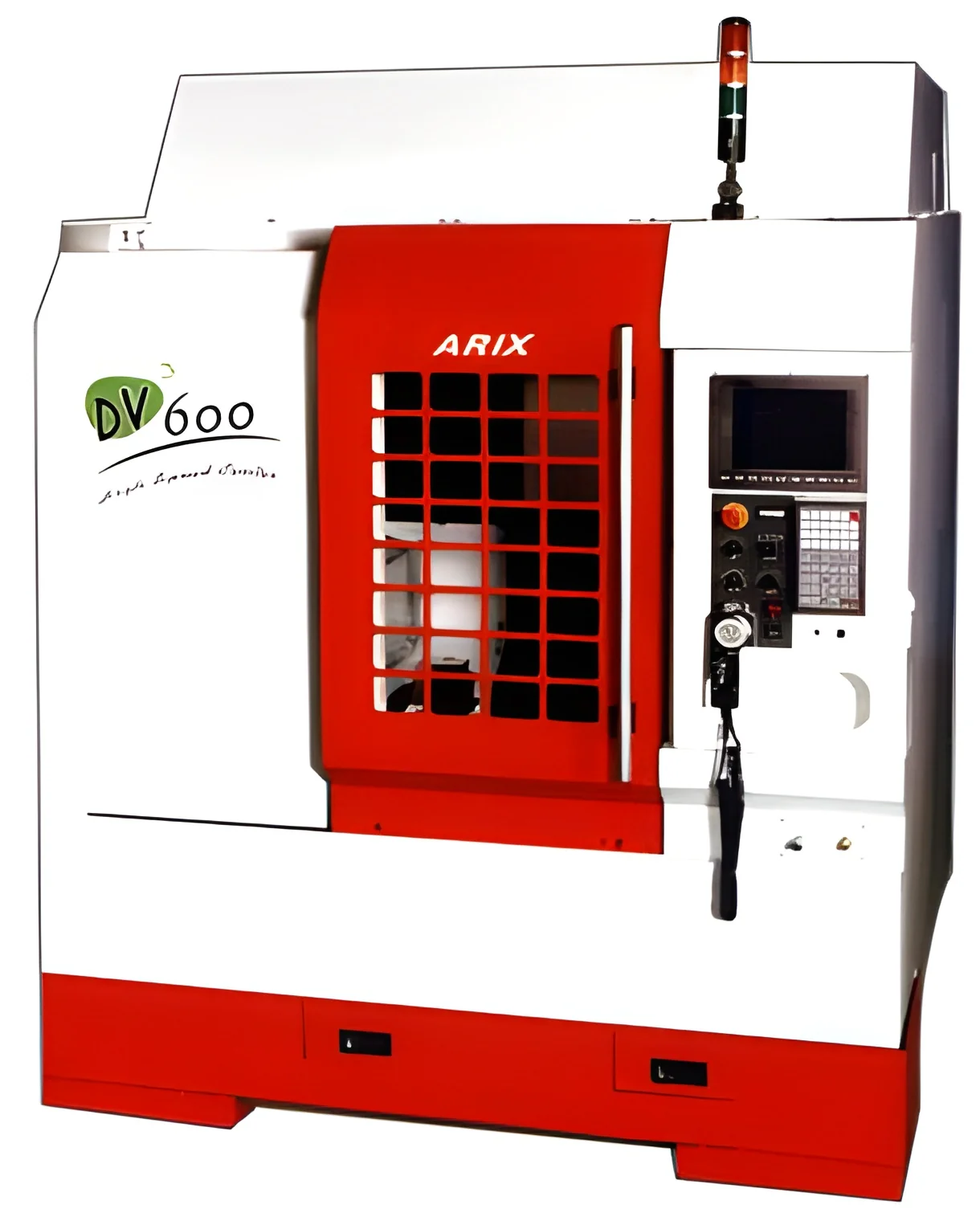
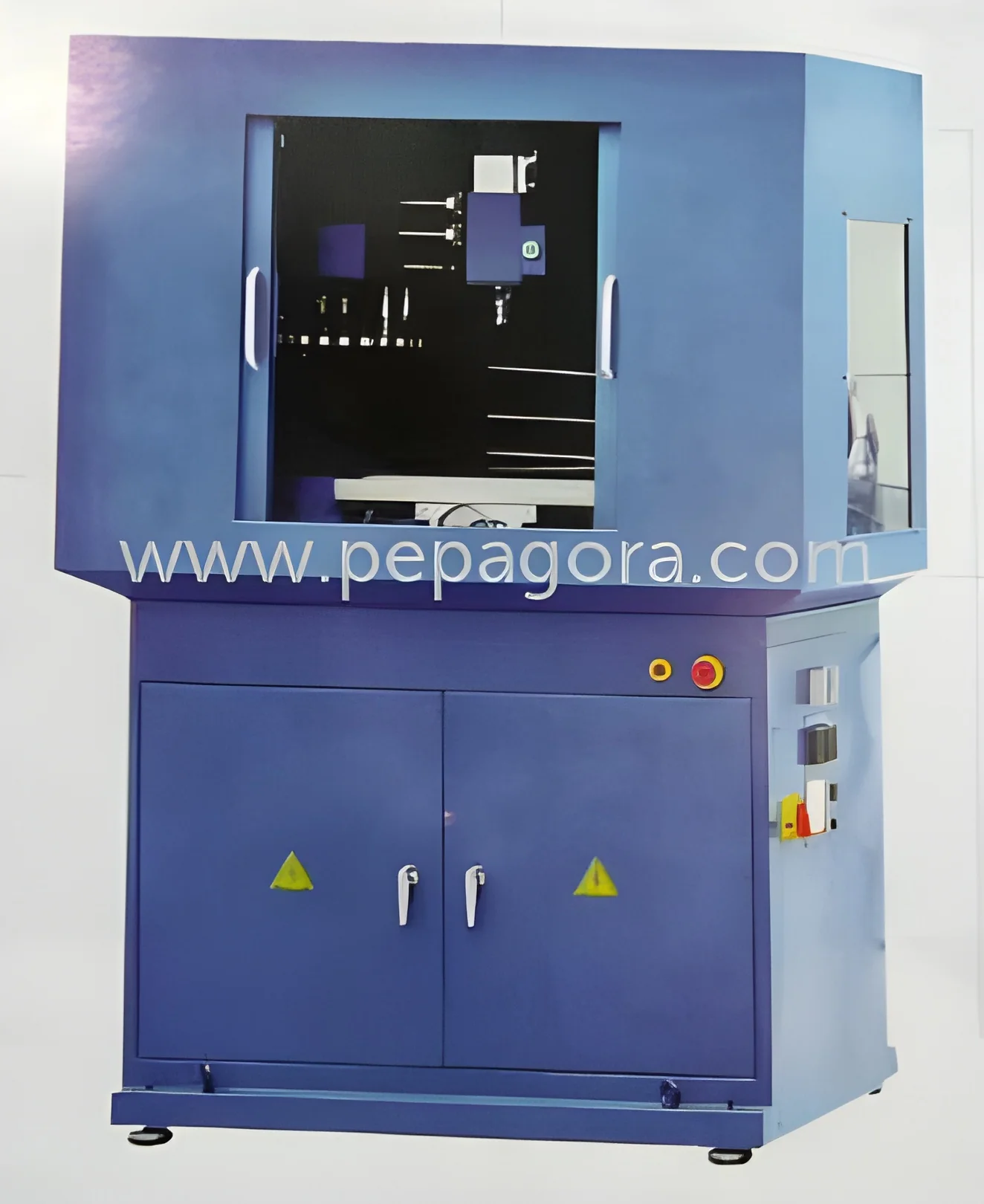
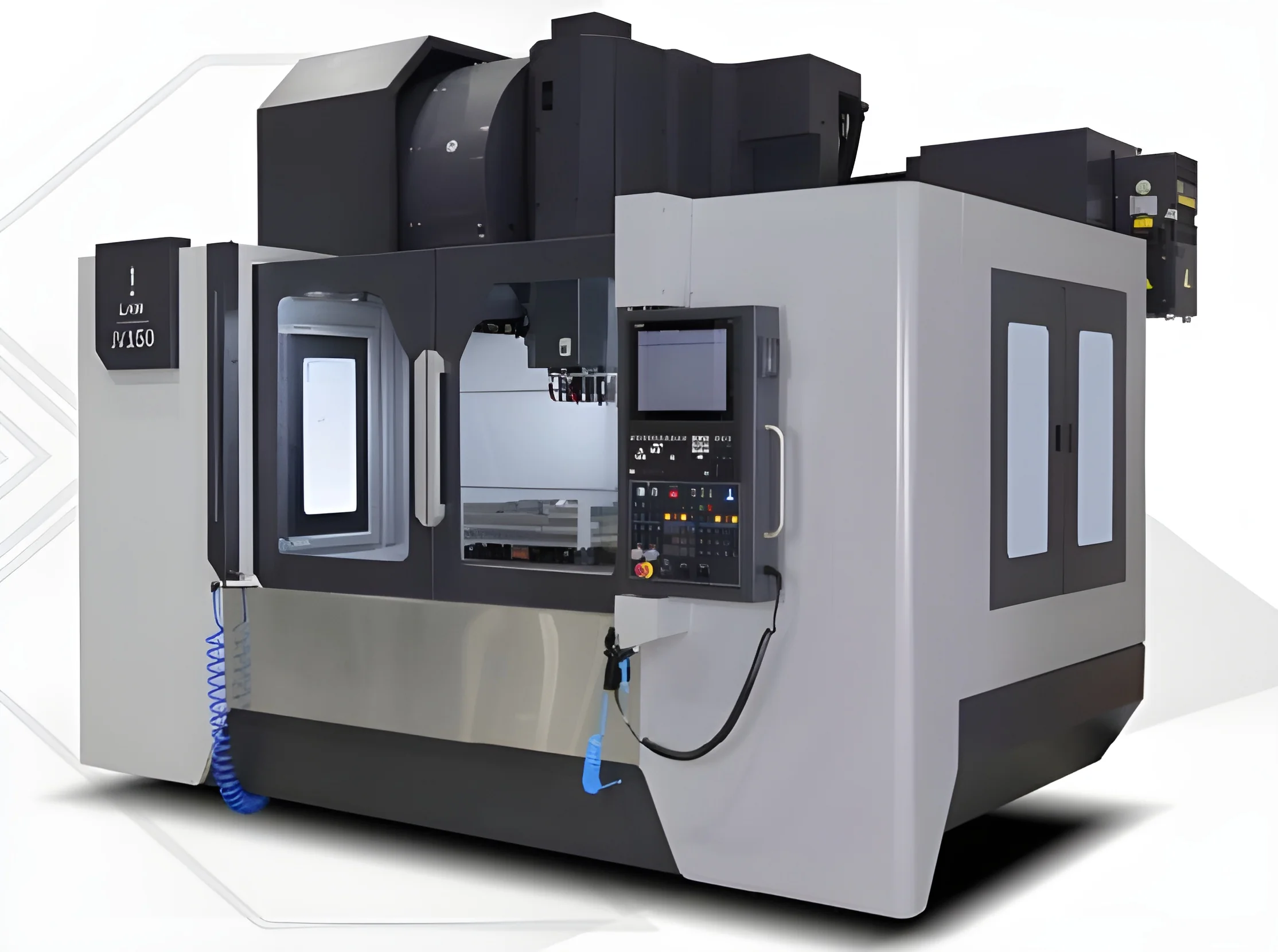
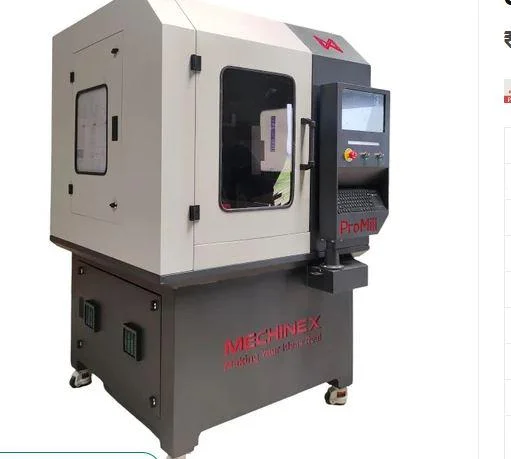
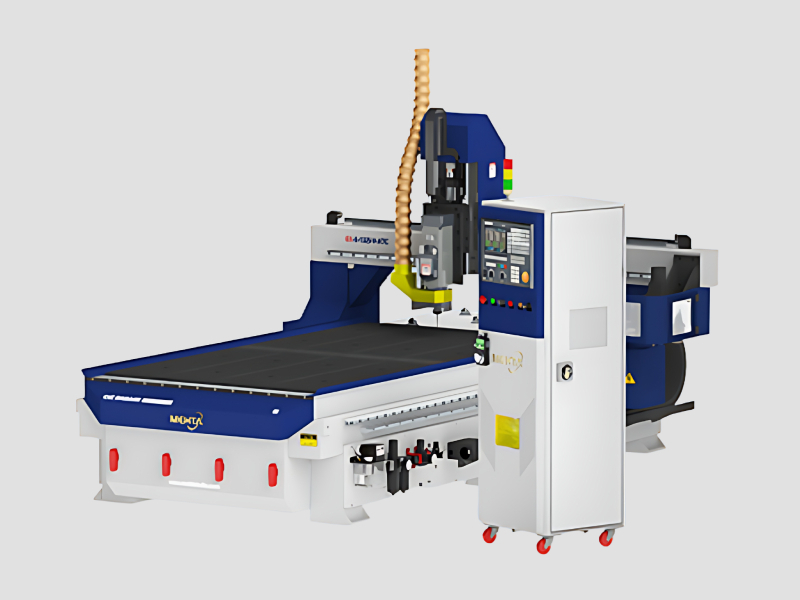
High-Speed CNC Mills are advanced machining tools that utilize computer numerical control technology to perform precise cutting, milling, and drilling operations at significantly higher speeds than conventional mills. These machines are equipped with powerful spindles capable of achieving high rotational speeds, allowing them to process materials more quickly and efficiently. By integrating sophisticated software and automation, High-Speed CNC Mills enhance production capabilities, reduce cycle times, and improve overall operational efficiency.
These mills are commonly used in various sectors such as automotive, aerospace, electronics, and medical device manufacturing. They are ideal for producing complex components that require high precision and quality. High-Speed CNC Mills excel in applications that involve intricate designs and tight tolerances, making them essential for businesses aiming to meet the demands of modern manufacturing. The growing trend towards automation and smart manufacturing further emphasizes the importance of these machines in maintaining competitiveness in the industrial market.
Key Features and Specifications
High-Speed CNC Mills offer a range of features and specifications that make them suitable for a variety of industrial applications. Their design focuses on maximizing speed, accuracy, and reliability. Choosing the right machine involves understanding these key specifications.
Key specifications include:
1. Spindle Speed
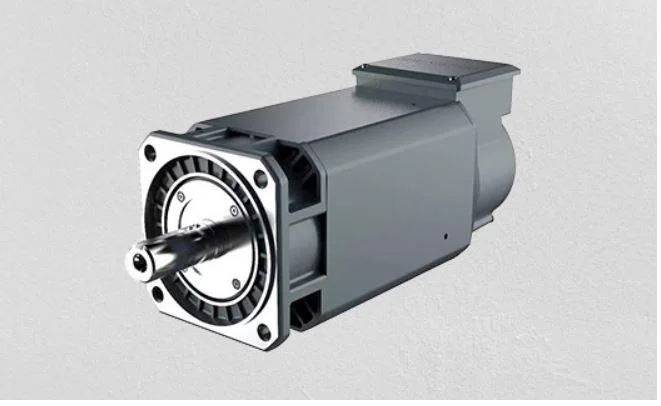
- Typical spindle speeds can range from 12,000 to 40,000 RPM.
- High speeds enable faster material removal rates.
2. Tool Capacity
- Tool changers can accommodate 20 to 60 tools, depending on the model.
- This feature allows for quick and efficient tool switching during production.
3. Travel Range
- X, Y, and Z travel ranges vary from 500 to 1,500 mm.
- Larger travel ranges facilitate the machining of bigger components.
4. Machine Weight
- Weights typically range from 1,500 to 10,000 kg.
- Heavier machines provide stability during high-speed operations.
5. Control System
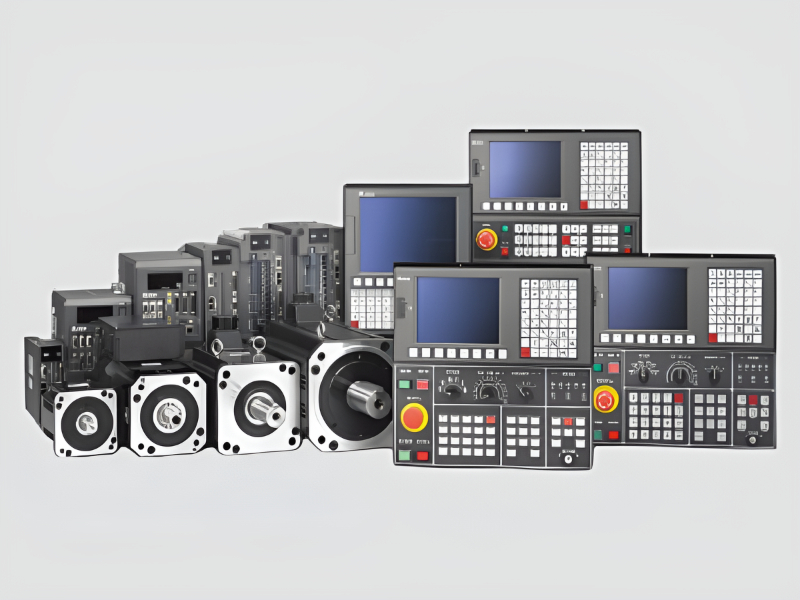
- Equipped with advanced CNC control systems for precise operation.
- Common systems include FANUC and Siemens.
6. Cooling System
- Integrated cooling systems to manage tool and workpiece temperatures.
- Ensures consistent performance during prolonged operations.
7. Accuracy
- Positioning accuracy can reach ±0.005 mm.
- Provides high precision for intricate machining tasks.
8. Material Compatibility
- Capable of machining various materials including aluminum, steel, and plastics.
- Versatility in material processing increases application range.
High-Speed CNC Mills combine these specifications to enhance productivity and performance, making them a valuable asset for any manufacturing setup.
Common Applications and Use Cases
High-Speed CNC Mills are versatile machines utilized across various industries for different applications.
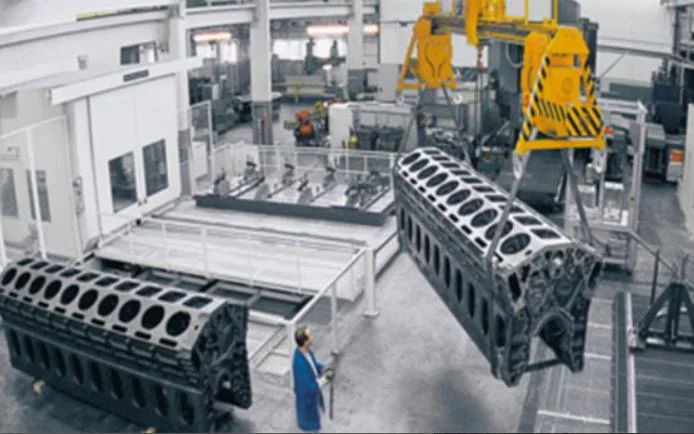
1. Automotive: In the automotive sector, these mills are used for producing engine components, transmission parts, and intricate molds. Their precision and speed enable manufacturers to meet tight deadlines without sacrificing quality.
2. Aerospace: Aerospace manufacturers rely on High-Speed CNC Mills for creating lightweight, high-strength components like turbine blades and structural parts. The ability to work with advanced materials is crucial in this industry.
3. Electronics: In the electronics industry, these mills are essential for fabricating printed circuit boards and other intricate electronic components. Their ability to handle fine tolerances is vital for ensuring optimal performance.
4. Medical Devices: High-Speed CNC Mills are employed in the production of surgical instruments and implants where precision is paramount. The mills ensure that devices meet stringent regulatory standards.
5. Molds and Dies: These mills are also widely used in mold and die making, enabling the production of complex shapes and designs with high accuracy.
Product Variants and Subcategories
High-Speed CNC Mills come in various configurations to meet the diverse needs of manufacturers. While specific subcategories are not available, the following variants illustrate the product diversity.
Vertical CNC Mills: These mills feature a vertical spindle orientation, allowing for effective downward cutting. They are ideal for machining flat surfaces and intricate designs.
Horizontal CNC Mills: With a horizontal spindle, these machines excel in operations that require deep cuts and heavy material removal. They are suitable for larger workpieces and bulk production.
5-Axis CNC Mills: These advanced mills provide five-axis machining capabilities, enabling complex geometries and multi-sided machining in a single setup. They are perfect for industries that demand high precision.
Benefits and Advantages
High-Speed CNC Mills offer numerous advantages that enhance manufacturing processes.
1. Increased Productivity: The high spindle speeds result in faster machining times, significantly increasing overall production rates.
2. Enhanced Precision: With advanced control systems, these mills achieve superior accuracy, reducing the need for rework and scrap.
3. Versatile Material Processing: High-Speed CNC Mills can handle a wide range of materials, making them suitable for diverse applications across industries.
4. Reduced Cycle Times: The ability to perform multiple operations in one setup minimizes cycle times and optimizes workflow.
5. Improved Surface Finish: These machines produce high-quality surface finishes, which are essential for components requiring aesthetic and functional integrity.
6. Lower Operational Costs: Enhanced efficiency translates to lower energy consumption and reduced labor costs, contributing to overall savings.
Buying Guide for B2B Buyers
When sourcing High-Speed CNC Mills, businesses should consider several critical factors to ensure they make informed decisions.
1. Quality Assessment: Evaluate the quality of the machine based on manufacturer reputation, customer reviews, and performance metrics. High-quality machines lead to better output and longevity.
2. Supplier Verification: Conduct thorough background checks on suppliers to ensure they are reputable and reliable. Look for certifications and industry experience.
3. Pricing and MOQ: Understand the pricing structure and minimum order quantities. Compare different suppliers to get the best value for your investment.
4. Delivery and Lead Times: Inquire about delivery schedules and lead times to ensure that machines arrive when needed. Timely delivery is crucial for maintaining production schedules.
5. Compliance Requirements: Familiarize yourself with any regulatory compliance needed for your industry. Ensure that the machines meet necessary safety and quality standards.
Compliance and Certifications
High-Speed CNC Mills must meet various compliance and certification standards to ensure safety and quality in manufacturing.
Quality standards such as ISO 9001 are crucial in ensuring that machines are produced consistently and meet customer expectations. Compliance with these standards demonstrates a commitment to quality management.
Additionally, industry certifications like CE indicate that the machines meet European safety, health, and environmental protection standards. This is vital for accessing markets that require compliance with stringent safety regulations.
Safety and testing requirements are essential for ensuring that machines operate safely and efficiently. Manufacturers should adhere to local and international safety standards to mitigate risks associated with high-speed operations.
Regional compliance considerations vary by location and industry. Buyers should be aware of specific regulations applicable in their regions to ensure their machines are compliant and operationally safe.
Why Source High-Speed CNC Mills from Pepagora?
Pepagora provides a trusted platform for sourcing High-Speed CNC Mills, offering numerous advantages for B2B buyers.
Verified Supplier Network: The platform features a network of verified suppliers, ensuring buyers have access to reputable manufacturers. This verification process helps mitigate risks associated with sourcing machinery.
Streamlined RFQ Process: Pepagora simplifies the request for quotation process, allowing buyers to quickly and efficiently gather quotations from multiple suppliers. This transparency fosters competitive pricing and better purchasing decisions.
Trade Assurance and Support: Buyers are protected through trade assurance programs, which provide financial security during transactions. Pepagora's support team is also available to assist with any queries or concerns.
Regional Coverage: With a focus on regions such as India, GCC, and Southeast Asia, Pepagora offers a broad geographical reach. This ensures buyers can find suitable suppliers within their operational vicinity, enhancing logistics and service delivery.

 IN
IN