Key Features and Specifications
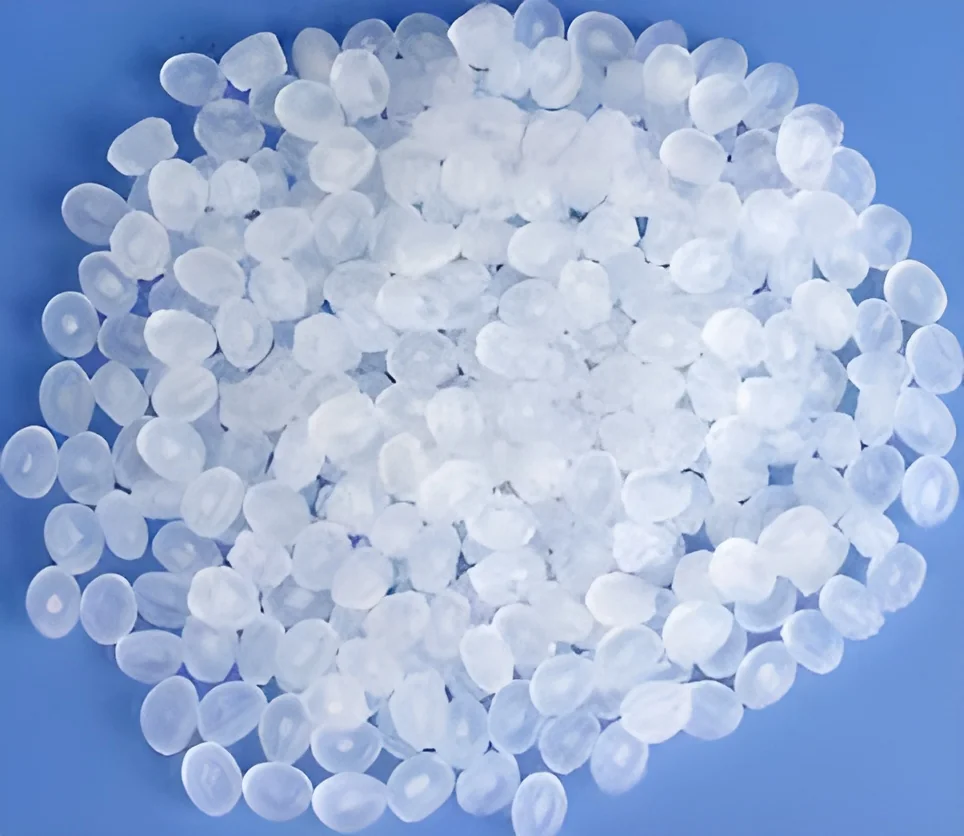
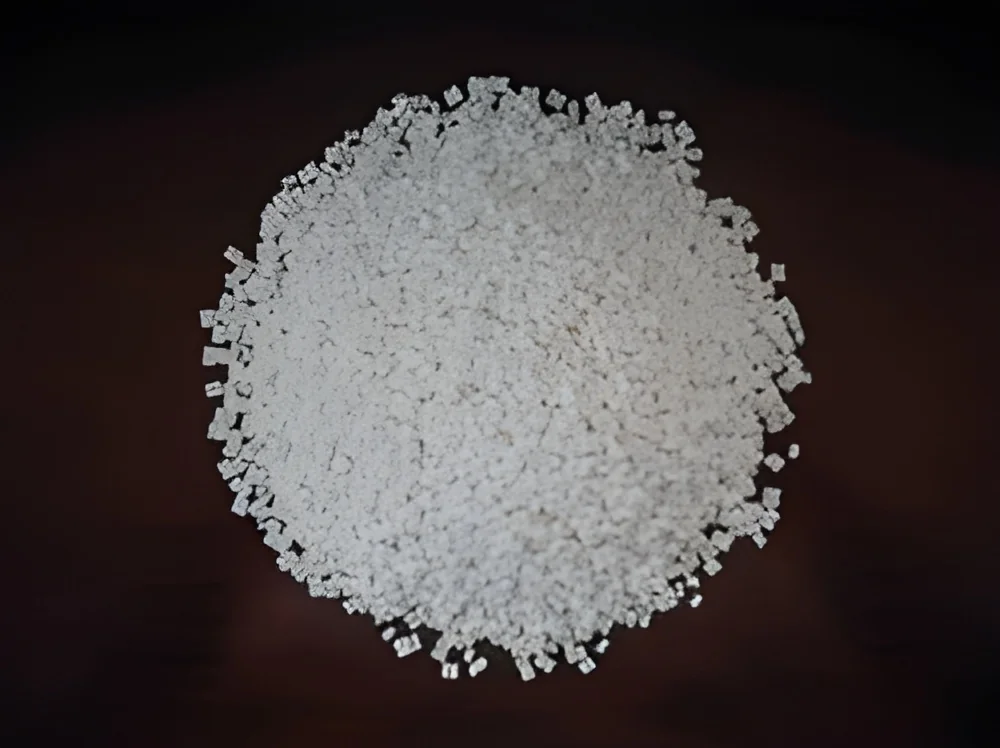
High-Density Polyethylene (HDPE) Granules offer a range of features that make them suitable for various applications. They exhibit excellent impact resistance, thermal stability, and low moisture absorption. Furthermore, HDPE has a high tensile strength and is resistant to many chemicals, making it ideal for industrial use.
Key specifications include:
1. Density
- Typically ranges from 0.93 to 0.97 g/cm³
- Determines the strength and durability of the material
2. Tensile Strength
- Minimum of 20 MPa
- Indicates the material's resistance to being pulled apart
3. Melting Point
- Generally around 130-135°C
- Important for processing temperatures during manufacturing
4. Flexural Modulus
- Ranges from 800 to 1,200 MPa
- Measures the stiffness of the material
5. Impact Resistance
- Notched Izod value typically greater than 3.5 kJ/m²
- Indicates the material's ability to withstand sudden impacts
6. Chemical Resistance
- Resistant to acids, bases, and alcohols
- Suitable for various chemical storage applications
7. UV Resistance
- Can be enhanced with additives
- Important for outdoor applications to prevent degradation
In summary, HDPE granules combine strong physical properties with versatility, making them a preferred choice in many industrial contexts.
Common Applications and Use Cases
High-Density Polyethylene (HDPE) Granules are utilized in numerous sectors due to their unique properties.
1. Packaging: HDPE is widely used for making plastic bottles, containers, and bags that are lightweight yet durable.
2. Construction: In the construction industry, HDPE is used in pipes, geomembranes, and other structural components due to its strength and chemical resistance.
3. Automotive: HDPE granules are used to manufacture parts such as fuel tanks and bumpers, benefiting from their impact resistance and durability.
4. Consumer Goods: The granules are common in producing toys, household items, and furniture, providing a safe and long-lasting option for everyday products.
5. Agriculture: HDPE is also used in agricultural films and containers, benefiting from its resistance to moisture and chemicals.
6. Electrical: In electrical applications, HDPE can serve as insulation for wires and cables due to its excellent dielectric properties.
7. Healthcare: HDPE is used in medical packaging and containers, ensuring safety and compliance with health standards.
Product Variants and Subcategories
High-Density Polyethylene (HDPE) Granules come in various forms to meet diverse industrial needs.
Standard HDPE Granules: These are the most commonly used form, suitable for general applications, including packaging and construction.
Recycled HDPE Granules: Made from post-consumer plastic waste, these granules offer an eco-friendly option for businesses looking to reduce their carbon footprint while maintaining quality.
High-Performance HDPE Granules: Designed for specific applications that require enhanced strength and chemical resistance, these granules are suitable for industrial use.
Additive-Enhanced HDPE Granules: These variants include additives for UV stabilization, anti-static properties, or colorants, allowing customization for specific applications.
Benefits and Advantages
Sourcing High-Density Polyethylene (HDPE) Granules offers several advantages for businesses.
1. Durability: HDPE is known for its long-lasting properties, making it ideal for products that must withstand wear and tear.
2. Chemical Resistance: The material's resistance to a wide range of chemicals enhances its usability in diverse environments.
3. Lightweight: Despite its strength, HDPE is lightweight, which can reduce shipping costs and improve handling.
4. Recyclability: HDPE granules can be recycled, making them a sustainable choice for environmentally conscious companies.
5. Cost-Effectiveness: Due to its widespread availability and manufacturing efficiency, HDPE is often a cost-effective material for production.
6. Versatility: The ability to mold HDPE into various shapes makes it suitable for an array of applications across multiple industries.
Buying Guide for B2B Buyers
When sourcing High-Density Polyethylene (HDPE) Granules, several factors should be considered to ensure you select the right product for your needs.
1. Quality Assessment: Evaluate the quality of HDPE granules by reviewing technical data sheets and conducting material testing. Look for specifications that meet your application requirements.
2. Supplier Verification: Vet suppliers by checking their reputation, customer reviews, and industry experience. A reliable supplier should provide certifications and quality assurance.
3. Pricing and MOQ: Compare pricing among suppliers and consider minimum order quantities (MOQ). Understanding cost structures can help in budgeting and financial planning.
4. Delivery and Lead Times: Assess the logistics of delivery, including lead times. Timely delivery is crucial for maintaining production schedules.
5. Compliance Requirements: Ensure that the HDPE granules meet relevant regulatory standards and certifications to avoid compliance issues in your industry.
Compliance and Certifications
High-Density Polyethylene (HDPE) Granules must adhere to various quality standards and certifications to ensure safety and reliability.
Relevant quality standards include ISO 9001, which focuses on quality management systems, and HACCP, which is critical in food safety applications. These standards help ensure that the manufacturing processes meet stringent quality criteria.
Industry certifications such as UL and CE indicate that the HDPE granules have been tested for safety and performance. These certifications are essential for products used in consumer goods and construction.
Safety and testing requirements also include assessments for toxicity and environmental impact. Compliance with regional regulations ensures that products meet local safety standards and are suitable for their intended use.
Sourcing High-Density Polyethylene (HDPE) Granules from Pepagora
Pepagora provides a trusted platform for sourcing High-Density Polyethylene (HDPE) Granules, offering several key advantages.
Verified Supplier Network: Pepagora connects buyers with a verified network of suppliers, ensuring that you work with reputable manufacturers who meet industry standards.
Streamlined RFQ Process: The platform simplifies the request for quotation (RFQ) process, allowing buyers to easily compare options and receive competitive pricing.
Trade Assurance and Support: Buyers benefit from trade assurance, which provides protection against potential risks during transactions, ensuring a secure purchasing experience.
Regional Coverage: With a presence in India, GCC, and Southeast Asia, Pepagora offers extensive geographic reach, making it easier for businesses to source HDPE granules across regions.
By partnering with Pepagora, businesses can streamline their sourcing process while ensuring they receive high-quality HDPE granules tailored to their specific needs.

 IN
IN