What are Flange Nuts?
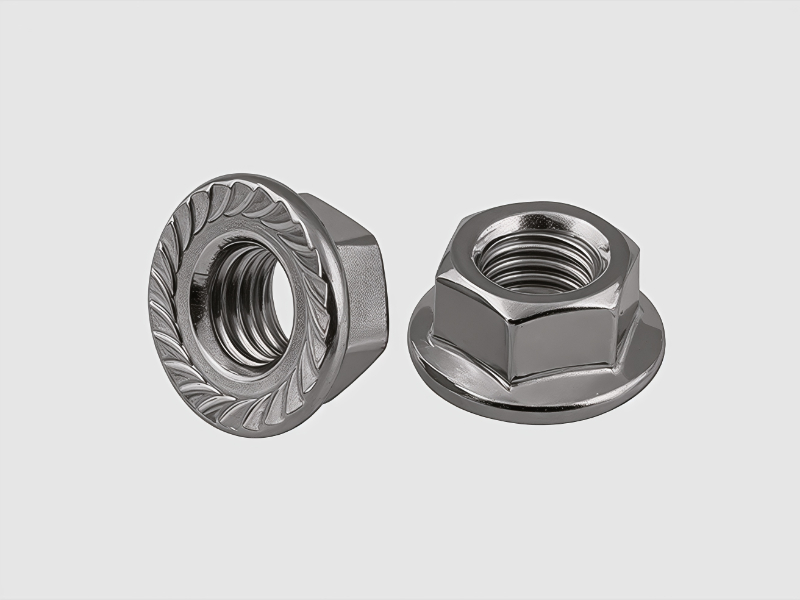
Flange nuts are a type of fastener that features a wide flange at one end, which acts as an integrated washer. This design helps distribute the load evenly over a larger area, reducing the risk of damage to the material being fastened. Flange nuts are commonly used in applications where vibration and loosening may occur, as the flanged surface provides better grip and stability.
These nuts are widely utilized in various industries, including automotive, construction, and manufacturing. Their ability to provide a secure connection makes them ideal for applications that require high reliability and strength. Flange nuts are often used in conjunction with bolts, screws, and other fasteners, making them essential components in assembly processes across multiple sectors.
In today's market, the demand for flange nuts has grown significantly, driven by the increasing need for durable and reliable fastening solutions. As industries continue to evolve, flange nuts remain relevant due to their unique benefits and applications in critical structural and mechanical assemblies.
Key Features and Specifications
Flange nuts come with several key features that enhance their performance and usability in different applications. Understanding these specifications can help buyers select the right flange nuts for their specific needs.
Key specifications include:
1. Material Composition
- Flange nuts are typically made from materials such as steel, stainless steel, and brass.
- They may be available in various grades to meet specific strength requirements.
2. Flange Diameter
- The diameter of the flange can vary, impacting load distribution and compatibility with different assemblies.
- Common flange diameters range from 10 mm to 50 mm.
3. Thread Size
- Flange nuts can accommodate various thread sizes, ensuring compatibility with different bolts and screws.
- Standard thread sizes include metric and imperial options.
4. Finish Type
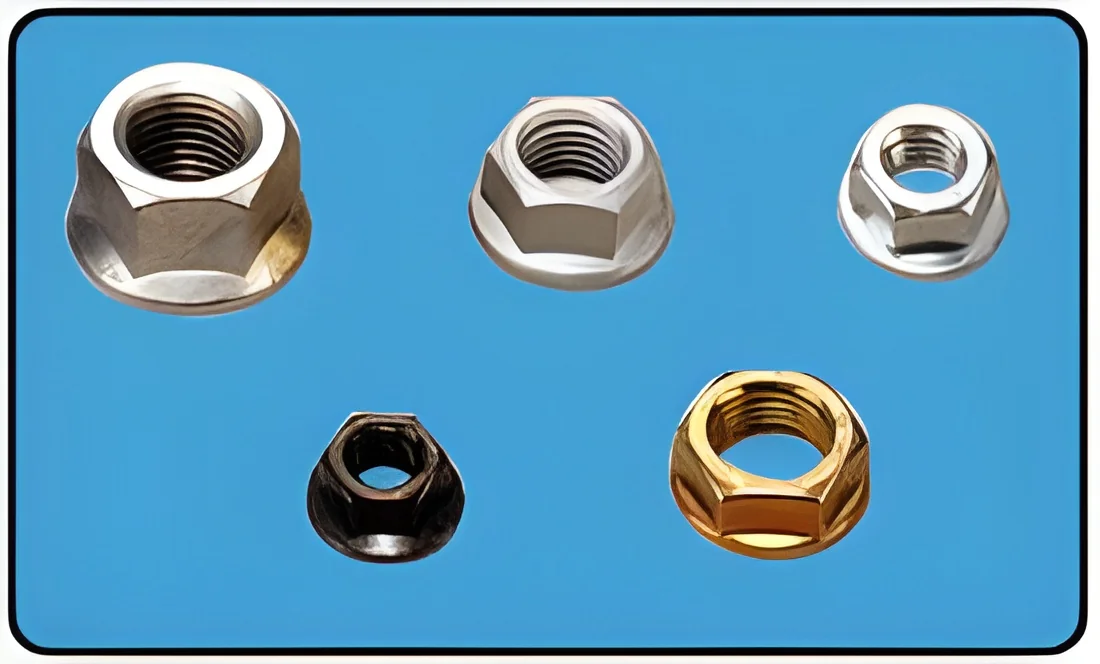
- Available finishes may include zinc plating, black oxide, and plain, affecting corrosion resistance and aesthetic appeal.
- The finish can also influence the nut's performance in different environments.
5. Height
- The height of flange nuts can vary, affecting how they fit within specific assemblies.
- Typical heights range from 5 mm to 25 mm.
6. Load Capacity
- Flange nuts are designed to withstand specific load capacities, ensuring safety and reliability in high-stress applications.
- Load capacities are determined by material grade and size.
7. Certification
- Many flange nuts comply with industry standards such as CE certification, indicating their quality and safety.
- Compliance with standards ensures reliability in critical applications.
In summary, selecting the right flange nut involves understanding these key specifications, which can significantly impact performance and suitability for various applications.
Common Applications and Use Cases
Flange nuts serve a variety of industries, showcasing their versatility and reliability.
1. Automotive: Flange nuts are commonly used in vehicle assembly, securing components such as engines, transmissions, and suspension systems. Their ability to withstand vibrations makes them ideal for this application.
2. Construction: In construction projects, flange nuts are utilized to secure structural components, ensuring stability and safety in buildings and bridges. They are essential in fastening steel beams and frames.
3. Manufacturing: In manufacturing settings, flange nuts are used in machinery and equipment assembly. Their reliability helps maintain operational efficiency and safety in production lines.
4. Aerospace: Flange nuts are critical in aerospace applications, providing secure fastening in aircraft components. They must meet strict safety and quality standards.
5. Electronics: In electronics, flange nuts are used to secure circuit boards and enclosures, ensuring that components remain firmly in place during operation.
6. Marine: The marine industry utilizes flange nuts in boat and ship construction, where corrosion resistance is crucial due to exposure to saltwater environments.
7. Oil and Gas: Flange nuts are essential in the oil and gas sector for securing pipelines and drilling equipment, where high strength and reliability are paramount.
Product Variants and Subcategories
Flange nuts come in various forms to meet specific application needs. The diversity of these products allows businesses to find the right solution for their requirements.
Hex Flange Nuts
These are the most common type of flange nuts, featuring a hexagonal shape that allows for easy tightening with standard tools. They are widely used in construction and automotive applications.
Serrated Flange Nuts
Serrated flange nuts have a serrated surface on the flange to enhance grip and prevent loosening due to vibration. They are ideal for use in high-vibration environments.
Low-Profile Flange Nuts
Low-profile flange nuts offer a compact design, making them suitable for applications with limited space. They maintain the same load distribution benefits as standard flange nuts.
Cap Flange Nuts
Cap flange nuts feature a closed end, providing additional protection against dirt and moisture. They are often used in outdoor and harsh environments.
Benefits and Advantages
Flange nuts provide numerous benefits that make them a preferred choice for many applications.
Key benefits include:
1. Enhanced Load Distribution: The wide flange design distributes the load evenly, reducing the risk of damage to the surface being fastened.
2. Improved Stability: Flange nuts provide better grip and resistance to loosening, making them suitable for high-vibration applications.
3. Versatile Applications: Their adaptability allows flange nuts to be used across various industries, from automotive to aerospace.
4. Easy Installation: The hex shape allows for simple installation and removal, making them user-friendly for assembly processes.
5. Corrosion Resistance: Many flange nuts come with protective finishes that enhance their resistance to corrosion, increasing their longevity in harsh environments.
6. Compliance with Standards: Flange nuts often meet industry certifications, ensuring quality and reliability in critical applications.
Buying Guide for B2B Buyers
When sourcing flange nuts, it is essential for buyers to consider several key factors to ensure they select the right product.
1. Quality Assessment: Evaluate the quality of flange nuts based on material, finish, and certifications. High-quality products will ensure reliability and long-term performance.
2. Supplier Verification: Vet suppliers to confirm their reputation, reliability, and compliance with industry standards. This step is crucial to avoid issues in quality and delivery.
3. Pricing and MOQ: Understand the pricing structure and minimum order quantities (MOQ) required by suppliers. This knowledge helps in budgeting and planning purchases.
4. Delivery and Lead Times: Inquire about delivery schedules and lead times to ensure that products arrive when needed. Timely delivery can impact project timelines.
5. Compliance Requirements: Check for any regulatory compliance that may affect the use of flange nuts in specific applications. Ensure that products meet necessary industry standards.
Compliance and Certifications
Flange nuts must adhere to various quality standards and certifications to ensure their safety and reliability in critical applications.
Relevant quality standards include ISO 9001, which focuses on quality management systems, ensuring that manufacturers maintain consistent quality in their products.
Additionally, certifications like CE indicate compliance with European safety standards, providing assurance of the product's safety and reliability in various applications.
Safety and testing requirements are also critical, particularly in industries such as aerospace and automotive, where component failure can have severe consequences. Regular testing and compliance checks help ensure that flange nuts can withstand the operational stresses they will encounter.
Finally, regional compliance considerations should be taken into account, as different regions may have varying regulations and standards that flange nuts must meet.
Why Source Flange Nuts from Pepagora?
Pepagora stands out as a trusted platform for sourcing flange nuts, providing several key advantages to B2B buyers.
Verified Supplier Network: Pepagora features a network of verified suppliers who meet stringent quality and reliability standards. This ensures that buyers can source products with confidence.
Streamlined RFQ Process: The platform offers a streamlined Request for Quotation (RFQ) process, making it easy for buyers to obtain multiple quotes from different suppliers. This efficiency helps in making informed purchasing decisions.
Trade Assurance and Support: Pepagora provides trade assurance to protect buyers during transactions. This support ensures that buyers receive the products they ordered, meeting their specifications and quality requirements.
Regional Coverage: With a wide geographic reach, including India, GCC, and Southeast Asia, Pepagora connects buyers with suppliers in key markets, facilitating international trade and sourcing.
By choosing Pepagora, businesses can simplify their sourcing process while ensuring they acquire high-quality flange nuts that meet their specific needs.

 IN
IN