IN
IN₹
Apparel & Fashion
Description
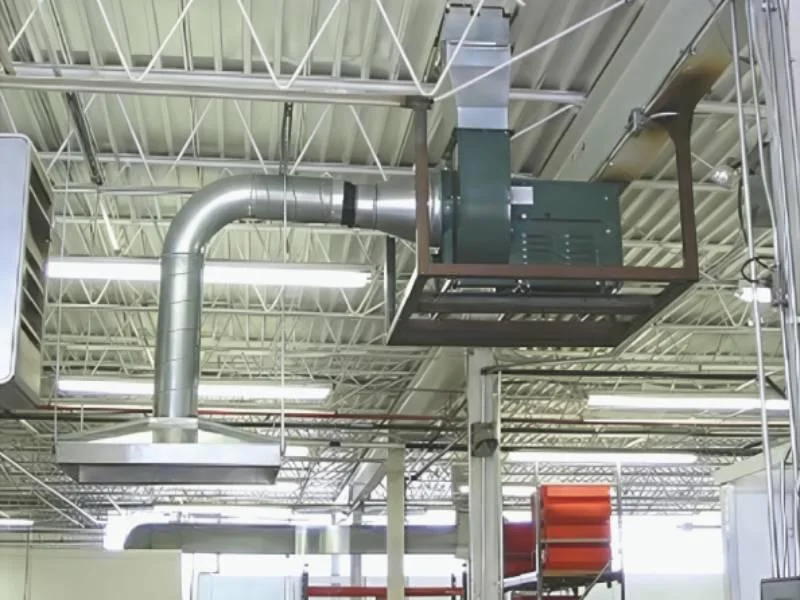
The Smoke Exhaust System for Emergency Ventilation is a critical life-safety installation designed to automatically manage the environment during a fire emergency. Its primary function is the rapid extraction of smoke, intense heat, and toxic combustion gases from a building. By activating automatically via integrated sensors, the system works to maintain tenable conditions along designated escape routes. This immediate response is vital for preserving visibility, reducing the risk of smoke inhalation, and facilitating a safer, more orderly evacuation for occupants while also aiding firefighting operations by improving interior access and conditions.

This system finds essential application across a broad spectrum of industries and building types where fire safety is paramount. In commercial real estate, it is integrated into the design of office towers, shopping centers, and hotels to protect occupants and assets. Industrial facilities, including warehouses, manufacturing plants, and ...
The Smoke Exhaust System for Emergency Ventilation is a critical life-safety installation designed to automatically manage the environment during a fire emergency. Its primary function is the rapid extraction of smoke, intense heat, and toxic combustion gases from a building. By activating automatically via integrated sensors, the system works to maintain tenable conditions along designated escape routes. This immediate response is vital for preserving visibility, reducing the risk of smoke inhalation, and facilitating a safer, more orderly evacuation for occupants while also aiding firefighting operations by improving interior access and conditions.

This system finds essential application across a broad spectrum of industries and building types where fire safety is paramount. In commercial real estate, it is integrated into the design of office towers, shopping centers, and hotels to protect occupants and assets. Industrial facilities, including warehouses, manufacturing plants, and logistics centers, rely on it to safeguard personnel, equipment, and inventory. It is also a critical component in public infrastructure such as airports, railway stations, hospitals, and educational institutions, where large populations and complex layouts demand robust, reliable smoke management solutions to meet stringent safety codes and insurance requirements.

The business value of this smoke exhaust system lies in its direct contribution to risk mitigation, operational continuity, and regulatory compliance. By investing in a reliable, automatic system, building owners and operators demonstrate a commitment to occupant safety, which can enhance property reputation and value. It serves as a proactive measure to limit potential fire and smoke damage to the physical structure and contents, potentially reducing downtime and financial loss after an incident. Furthermore, its compliance with established fire and building safety standards is not just a legal obligation but a foundational element of responsible facility management and insurance preparedness.

Key Features:
- Automatic, sensor-based operation for immediate activation upon fire detection.
- High-volume air flow capability for efficient extraction of smoke and heat.
- Engineered to keep escape routes and stairwells clear of obstructions.
- Designed for compliance with recognized fire and building safety standards.
- Robust construction for reliable performance in emergency conditions.

Benefits:
- Enhances occupant safety by improving visibility and air quality during evacuation.
- Reduces potential fire and smoke damage to building structure and contents.
- Supports firefighting operations by creating safer interior access points.
- Helps ensure compliance with mandatory safety regulations and codes.
- Provides peace of mind through reliable, automated emergency response.
Specifications
| Key Attributes | |
|---|---|
| Function | Fire smoke extraction |
| Emergency Use | Automatic operation |
| Safety | Keeps escape routes clear |
| Compliance | Fire & building safety standards |
| Air flow type | High volume |
| Operation | Automatic/sensor-based |
| Additional Information | |
|---|---|
| Country of Origin | India |
Application
This smoke exhaust system is engineered for critical environments where rapid smoke clearance is non-negotiable. Its automatic, sensor-based operation ensures immediate response to fire incidents, actively protecting occupants and infrastructure by maintaining clear escape routes and improving visibility for both evacuation and emergency responder access. This makes it an essential component of modern, proactive building safety design.
Beyond basic compliance, the system delivers operational reliability in demanding scenarios. It is built to handle high-volume extraction, effectively managing the intense heat and dense particulate matter generated during fires. This performance is crucial for limiting structural damage, reducing toxic fume inhalation risks, and creating the tenable conditions necessary for safe evacuation and firefighting efforts across various commercial and industrial settings.
- Installing in large atriums and shopping malls to prevent smoke logging and maintain visibility in open spaces.
- Integrating into warehouse and manufacturing facilities to protect high-value inventory and machinery from smoke damage.
- Securing escape corridors and stairwells in high-rise office buildings and hotels to ensure safe occupant egress.
- Use in parking garages and underground structures to vent vehicle fire smoke quickly and prevent buildup.
- Application in hospitals and healthcare centers where patient evacuation is complex and requires clear, breathable air paths.
Trade Details
| Available Stock | In Stock |
| Sample Availability | No |
Payment Terms
| Payment Terms |
|
Company Profile

Hi Trans Services, Tamil Nadu
 Tamil Nadu, India
Tamil Nadu, India12 yrs
Distributor•Wholesaler
Turn Over
₹25 Lakhs – ₹1 Crore
Factory Details
Factory Size1000-5000 sqm
Emergency Smoke Exhaust System For Fire Safety Ventilation
The Smoke Exhaust System for Emergency Ventilation automatically removes smoke, heat, and toxic gases during fire emergencies, ensuring safer evacuation and compliance with fire safety standards through high-volume air flow.
Min. Order Quantity: 1
Shipping
Shipping fee and delivery date to be negotiated. Contact supplier now for more details.
Hi Trans Services Tamil Nadu, India
Tamil Nadu, IndiaDistributor