IN
IN₹
Apparel & Fashion
Description
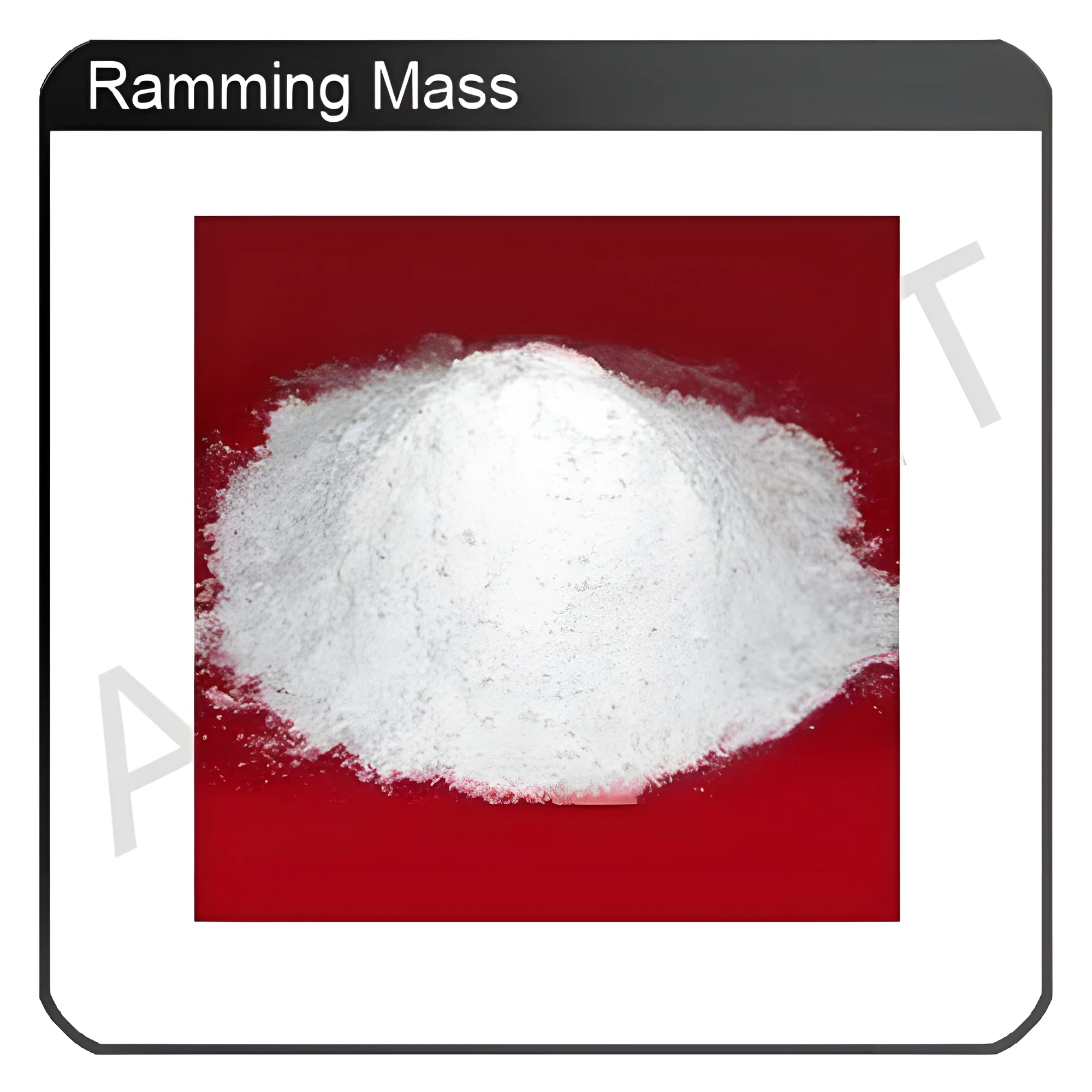
Our premium acidic ramming mass represents advanced refractory technology specifically engineered for induction furnace linings in demanding metallurgical applications. This premixed material combines high-purity silica with carefully selected additives to create a dense, homogeneous mass that withstands extreme temperatures and chemical attack. The acidic nature makes it particularly suitable for environments where basic refractories would deteriorate rapidly. Manufactured under strict quality controls, our product ensures consistent particle size distribution and optimal binder content for easy installation and superior performance. The material demonstrates exceptional thermal shock resistance and maintains structural integrity through numerous heating cycles, providing reliable protection for furnace walls while reducing the risk of dangerous breakouts and operational hazards.

The metallurgical industry depends on acidic ramming mass for critical furnace lining applications across...
Our premium acidic ramming mass represents advanced refractory technology specifically engineered for induction furnace linings in demanding metallurgical applications. This premixed material combines high-purity silica with carefully selected additives to create a dense, homogeneous mass that withstands extreme temperatures and chemical attack. The acidic nature makes it particularly suitable for environments where basic refractories would deteriorate rapidly. Manufactured under strict quality controls, our product ensures consistent particle size distribution and optimal binder content for easy installation and superior performance. The material demonstrates exceptional thermal shock resistance and maintains structural integrity through numerous heating cycles, providing reliable protection for furnace walls while reducing the risk of dangerous breakouts and operational hazards.

The metallurgical industry depends on acidic ramming mass for critical furnace lining applications across multiple sectors. In iron foundries, it serves as the primary lining material for coreless induction furnaces melting cast iron and ductile iron. Steel plants utilize it for specific alloy production where acidic conditions are necessary to maintain proper slag chemistry and prevent refractory erosion. Non-ferrous metal producers rely on it for copper, brass, and bronze melting operations where its superior corrosion resistance significantly extends furnace campaign life. The recycling industry employs acidic ramming mass in furnaces processing scrap metal, where variable charge materials demand robust refractory performance. Mini steel plants and jobbing foundries particularly value this material for its ease of installation and consistent performance in diverse operating conditions and production requirements.

Businesses choosing our acidic ramming mass gain significant operational advantages through reduced maintenance costs and extended furnace campaign life. The material's exceptional thermal stability translates to fewer relining operations, minimizing production interruptions and maximizing equipment utilization rates. Its superior corrosion resistance ensures consistent performance even when processing aggressive metal alloys or contaminated scrap materials, protecting your capital investment in furnace equipment. The reliable formulation delivers predictable performance across all operating conditions, eliminating variations that can disrupt production schedules and affect output quality. Our rigorous quality assurance processes guarantee batch-to-batch consistency, ensuring dependable furnace protection and operational efficiency.

Key Features:
- High-purity silica composition with carefully selected additives for optimal performance
- Excellent thermal stability and resistance to extreme temperature fluctuations
- Superior corrosion resistance against acidic slag and metal penetration
- Consistent particle size distribution ensuring homogeneous density and structure
- Enhanced thermal shock resistance maintaining structural integrity through heating cycles

Benefits:
- Extended furnace campaign life reducing relining frequency and maintenance costs
- Minimized production interruptions through reliable performance and durability
- Protection of capital investment in furnace equipment against corrosion damage
- Consistent metallurgical outputs with minimal metal contamination risks
- Improved operational efficiency through predictable refractory behavior and performance
Specifications
| Additional Information | |
|---|---|
| Country of Origin | India |
Application
Acidic ramming mass creates durable linings in coreless and channel induction furnaces, ideal for melting non-ferrous metals and specific steel grades where basic refractories fail. It ensures consistent performance under extreme thermal cycling and chemical exposure, providing long-lasting furnace protection while reducing maintenance downtime and operational costs. This reliability is crucial for continuous production where furnace availability directly impacts efficiency and output quality across various metal processing industries.
Proper application ensures optimal metallurgical control and extends furnace campaign life. The material's composition withstands aggressive furnace conditions while minimizing molten metal contamination, making it preferred for foundries requiring high purity outputs. Its versatility supports large-scale industrial operations and specialized metallurgical processes, offering predictable behavior through numerous heating cycles while maintaining furnace integrity and performance standards.
- Primary lining material in induction furnaces for melting cast iron and ductile iron production
- Essential lining solution in steel foundries for melting specific alloy steels requiring acidic environments
- Critical refractory material in non-ferrous metal production for copper, brass, and bronze alloys
- Preferred choice in precision casting operations where minimal metal contamination is critical
- Standard material in mini steel plants and recycling facilities for furnace maintenance and relining
Trade Details
| Available Stock | In Stock |
| Sample Availability | No |
Payment Terms
| Payment Terms |
|
Company Profile
Arihant Enterprise, Maharashtra
 Maharashtra, India
Maharashtra, IndiaManufacturer•Distributor / Wholesaler•Importer / Exporter
Factory Details
Factory SizeBelow 1000 sqm
Annual Production Capacity0
Main Markets
South Asia
Southeast Asia
Domestic
Premium Acidic Ramming Mass For Induction Furnace Linings
Premium acidic ramming mass for induction furnace linings offers superior corrosion resistance and thermal stability. Trusted by global foundries for reliable performance and smooth furnace operations in demanding metal melting applications.
Min. Order Quantity: 1 unit
Shipping
Shipping fee and delivery date to be negotiated. Contact supplier now for more details.
Arihant Enterprise
 Maharashtra, India
Maharashtra, IndiaManufacturer