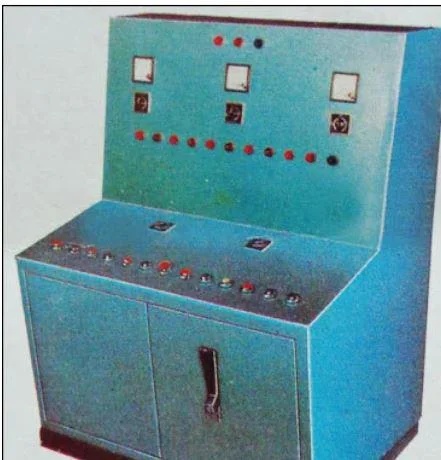
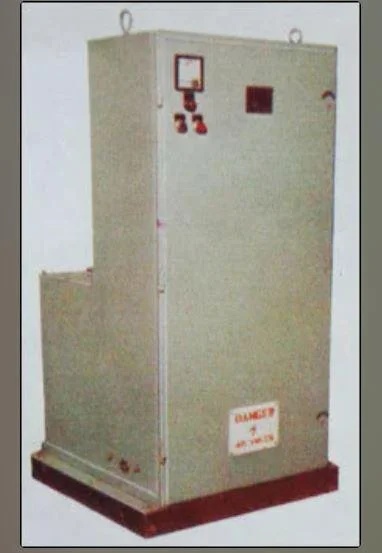
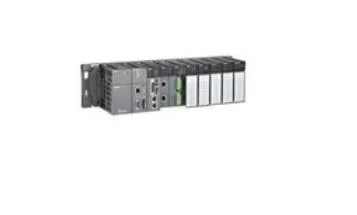
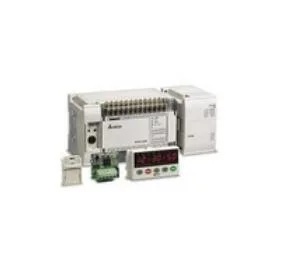
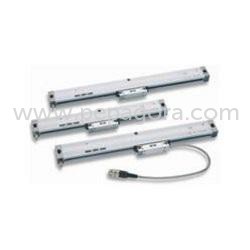
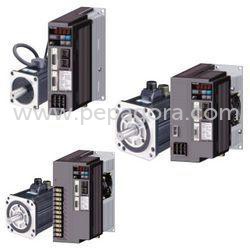
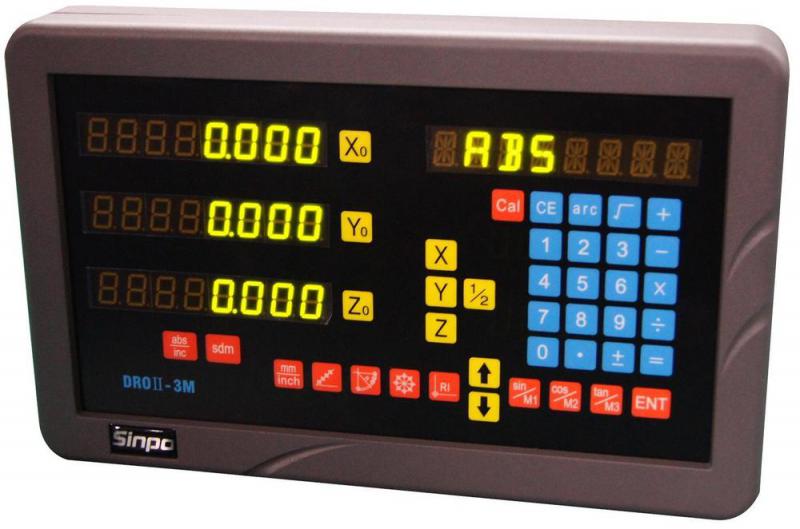
𝗪𝗵𝗮𝘁 𝗮𝗿𝗲 𝗗𝗿𝗶𝘃𝗲𝘀 & 𝗠𝗼𝘁𝗶𝗼𝗻 𝗖𝗼𝗻𝘁𝗿𝗼𝗹𝗹𝗲𝗿𝘀?
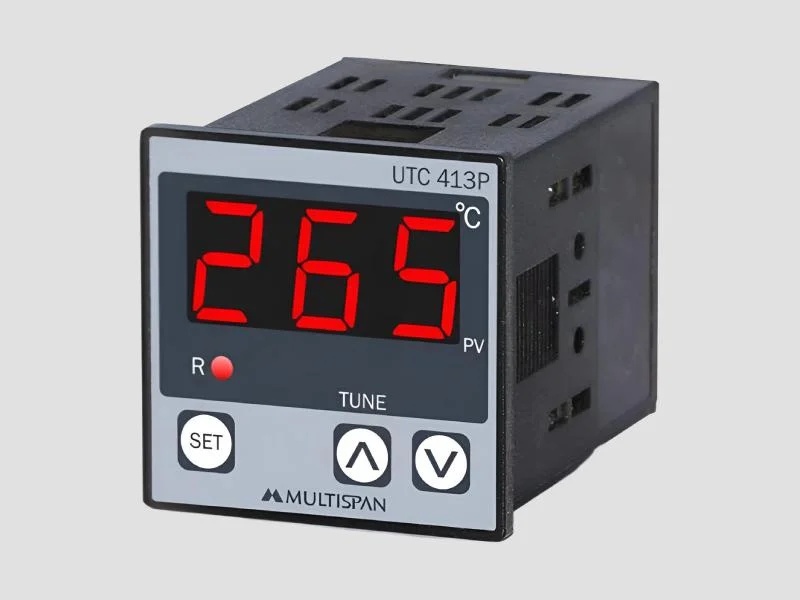
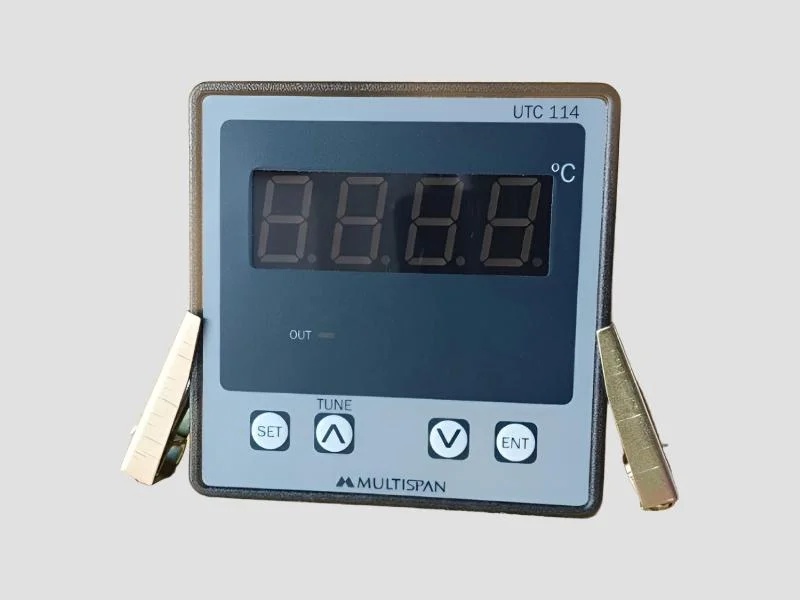
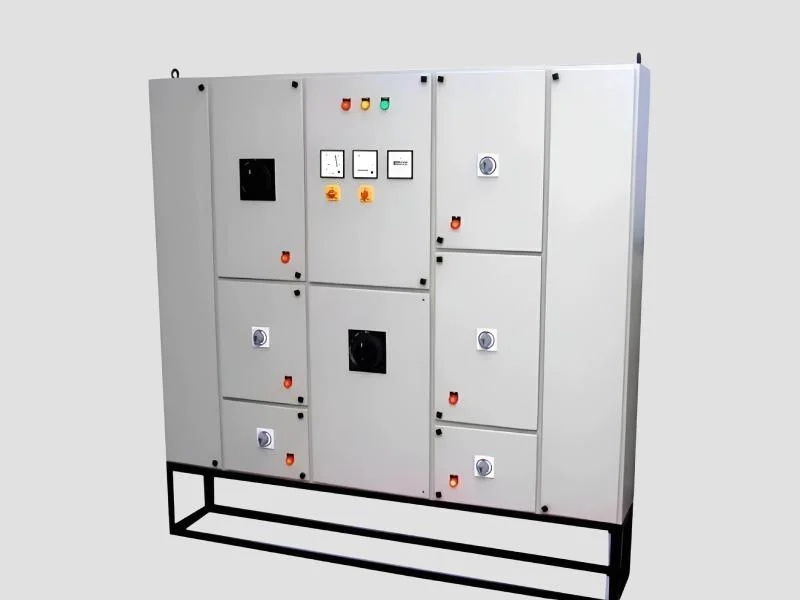
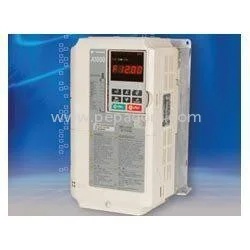
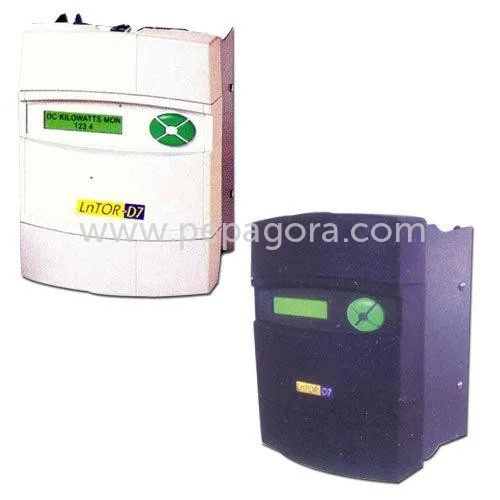
Drives and motion controllers are essential components used in industrial automation to control the movement of machinery and equipment. A drive provides the necessary power to motors, enabling them to achieve precise speeds and torque. Motion controllers, on the other hand, are responsible for managing the motion paths and sequences of these motors, ensuring that machines operate smoothly and efficiently. Together, these devices play a crucial role in achieving high levels of automation and precision in manufacturing processes.
These products find widespread use in various sectors, including manufacturing, robotics, and packaging. Businesses leverage drives and motion controllers to enhance productivity, improve product quality, and reduce operational costs. The ability to control movement with high accuracy allows for the automation of complex tasks, leading to increased efficiency and reduced downtime. As industries increasingly adopt automation technologies, the demand for drives and motion controllers continues to rise, driving innovation and development within this market.
The relevance of drives and motion controllers spans multiple industries, including automotive, aerospace, food and beverage, and pharmaceuticals. As companies strive to optimize their operations, the integration of advanced motion control technologies becomes vital to maintain competitive advantages and meet modern manufacturing challenges.
𝗞𝗲𝘆 𝗙𝗲𝗮𝘁𝘂𝗿𝗲𝘀 𝗮𝗻𝗱 𝗦𝗽𝗲𝗰𝗶𝗳𝗶𝗰𝗮𝘁𝗶𝗼𝗻𝘀
Drives and motion controllers come equipped with a variety of features that enhance their functionality and performance. When selecting these devices, buyers should pay attention to key specifications that can significantly impact their application.
Key specifications include:
1. Power Output
- Determines the maximum power a drive can deliver to the motor.
- Common ranges vary from a few watts to several kilowatts.
2. Control Method
- Refers to the way the drive controls motor functions, such as open-loop or closed-loop control.
- Closed-loop systems typically offer better precision and feedback.
3. Communication Protocols
- Specifies the methods of communication between the controller and other devices.
- Common protocols include Ethernet/IP, CANopen, and Modbus.
4. Operating Temperature Range
- Indicates the temperature limits within which the drive operates effectively.
- Typical ranges may vary, but many devices operate between -20°C to 60°C.
5. Input Voltage
- Refers to the voltage levels required for the drive's operation.
- Common input voltages are 110V, 220V, and 380V.
6. Protection Features
- Includes safety mechanisms such as overload protection, short-circuit protection, and thermal protection.
- These features help prevent damage to the equipment and ensure safe operation.
7. Dimensions and Weight
- Specifies the size and weight of the drive or controller, impacting installation considerations.
- Space-efficient designs are often preferred in compact industrial settings.
8. Efficiency Ratings
- Indicates how effectively the drive converts electrical energy into mechanical energy.
- Higher efficiency ratings can lead to reduced energy costs and lower heat generation.
Understanding these specifications is essential for making informed purchasing decisions regarding drives and motion controllers.
𝗖𝗼𝗺𝗺𝗼𝗻 𝗔𝗽𝗽𝗹𝗶𝗰𝗮𝘁𝗶𝗼𝗻𝘀 𝗮𝗻𝗱 𝗨𝘀𝗲 𝗖𝗮𝘀𝗲𝘀
Drives and motion controllers are utilized across a wide range of industries, each benefiting from their precise control capabilities.
1. Automotive: In automotive manufacturing, these devices control robotic arms for assembly, ensuring high accuracy in tasks such as welding and painting.
2. Aerospace: Drives and motion controllers manage the intricate movements of machinery involved in the production of aircraft components, enhancing precision and safety.
3. Food and Beverage: In this industry, motion control is essential for packaging lines, where products need to be accurately placed, labeled, and sealed.
4. Pharmaceuticals: These devices are crucial in the pharmaceutical sector for controlling processes such as filling, capping, and labeling bottles, ensuring compliance with strict regulations.
5. Material Handling: In warehouses and distribution centers, drives and motion controllers are used to automate conveyor systems, improving efficiency in sorting and storage.
6. Printing: In printing industries, precision motion control ensures high-quality prints with accurate color registration and alignment.
7. Textile: Drives control the movement of looms and sewing machines, allowing for complex patterns and designs to be created with minimal manual intervention.
𝗣𝗿𝗼𝗱𝘂𝗰𝘁 𝗩𝗮𝗿𝗶𝗮𝗻𝘁𝘀 𝗮𝗻𝗱 𝗦𝘂𝗯𝗰𝗮𝘁𝗲𝗴𝗼𝗿𝗶𝗲𝘀
The diversity of drives and motion controllers allows for tailored solutions that meet specific industry needs.
Servo Drives
Servo drives are designed for precise control of servo motors, offering high responsiveness and accuracy. They are widely used in robotics and CNC machines, where exact positioning is critical.
Variable Frequency Drives (VFDs)
VFDs control the speed and torque of AC motors by varying the frequency and voltage supplied to the motor. They are commonly used in HVAC, water treatment, and other applications requiring variable speed control.
Stepper Drives
Stepper drives control stepper motors, which move in discrete steps, allowing for precise positioning without the need for feedback systems. They are often utilized in 3D printers and small CNC applications.
𝗕𝗲𝗻𝗲𝗳𝗶𝘁𝘀 𝗮𝗻𝗱 𝗔𝗱𝘃𝗮𝗻𝘁𝗮𝗴𝗲𝘀
Investing in drives and motion controllers offers numerous benefits for businesses seeking to enhance their operational efficiency.
Key benefits include:
1. Enhanced Precision: Drives and motion controllers provide accurate control over motor functions, improving the quality of processes and products.
2. Increased Productivity: Automation of machinery leads to faster production rates and minimizes human error, ultimately boosting productivity.
3. Cost Efficiency: By optimizing energy consumption and reducing waste, these devices can lower operational costs over time.
4. Flexibility: Advanced motion control systems can be easily reprogrammed for different tasks, providing versatility in manufacturing processes.
5. Improved Safety: Built-in safety features protect machinery and personnel, reducing the risk of accidents and equipment failures.
6. Maintenance Reduction: Enhanced reliability and performance lead to lower maintenance costs and less downtime.
𝗕𝘂𝘆𝗶𝗻𝗴 𝗚𝘂𝗶𝗱𝗲 𝗳𝗼𝗿 𝗕𝟮𝗕 𝗕𝘂𝘆𝗲𝗿𝘀
When sourcing drives and motion controllers, businesses should consider several factors to ensure they choose the right products for their applications.
1. Quality Assessment: Evaluating the quality of drives and controllers is crucial. Look for products that meet industry standards and have a proven track record of performance.
2. Supplier Verification: It's important to vet suppliers for their reliability and reputation. Research their history, customer reviews, and certifications to ensure they are trustworthy.
3. Pricing and MOQ: Understand the pricing structure and minimum order quantities (MOQ) before making a purchase. This knowledge can help in budgeting and negotiating terms.
4. Delivery and Lead Times: Inquire about delivery times and logistics to avoid disruptions in your supply chain. Timely delivery is essential for maintaining production schedules.
5. Compliance Requirements: Ensure that the products meet relevant regulatory standards and compliance requirements specific to your industry. This can help in avoiding legal issues and ensuring safety.
𝗖𝗼𝗺𝗽𝗹𝗶𝗮𝗻𝗰𝗲 𝗮𝗻𝗱 𝗖𝗲𝗿𝘁𝗶𝗳𝗶𝗰𝗮𝘁𝗶𝗼𝗻𝘀
Drives and motion controllers must adhere to various quality standards and certifications to ensure their reliability and safety in industrial applications. Common quality standards include ISO 9001, which focuses on quality management systems, and HACCP, which is critical in food safety management. Compliance with good distribution practices (GDP) is also essential in sectors dealing with pharmaceuticals.
In terms of certifications, many drives and motion controllers carry the CE mark, indicating compliance with European health, safety, and environmental protection standards. This certification is crucial for products sold within the European market.
Safety and testing requirements are also paramount. Products should undergo rigorous testing to meet industry standards, ensuring they perform safely under specified conditions. Regional compliance considerations may vary, so it is important to consult local regulations when sourcing these components.
𝗪𝗵𝘆 𝗦𝗼𝘂𝗿𝗰𝗲 𝗗𝗿𝗶𝘃𝗲𝘀 & 𝗠𝗼𝘁𝗶𝗼𝗻 𝗖𝗼𝗻𝘁𝗿𝗼𝗹𝗹𝗲𝗿𝘀 𝗳𝗿𝗼𝗺 𝗣𝗲𝗽𝗮𝗴𝗼𝗿𝗮?
Pepagora offers a trusted platform for sourcing drives and motion controllers, providing several key advantages to B2B buyers.
Verified Supplier Network: Pepagora maintains a robust network of verified suppliers, ensuring that buyers have access to high-quality products from reputable manufacturers. This verification process helps mitigate risks associated with sourcing.
Streamlined RFQ Process: The platform features an efficient request for quotation (RFQ) system, allowing buyers to easily compare offers from different suppliers. This streamlined process saves time and helps secure the best pricing.
Trade Assurance and Support: Pepagora provides trade assurance to protect buyers from potential risks. This support includes assistance with order fulfillment and dispute resolution, giving buyers peace of mind.
Regional Coverage: With a strong presence in India, GCC, and Southeast Asia, Pepagora offers extensive regional coverage, making it easier for businesses in these areas to access the drives and motion controllers they need for their operations.

 IN
IN India
India