
 IN
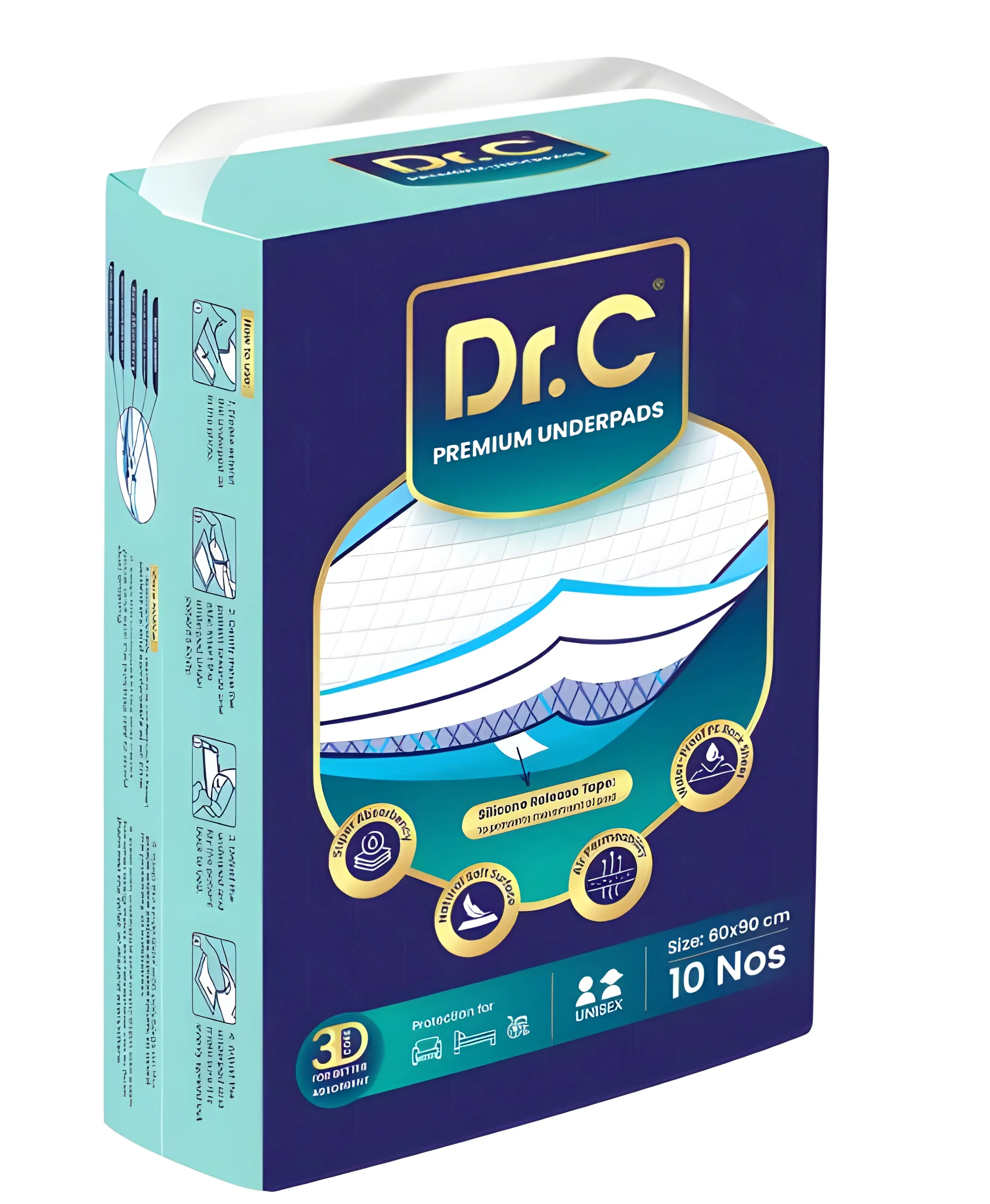
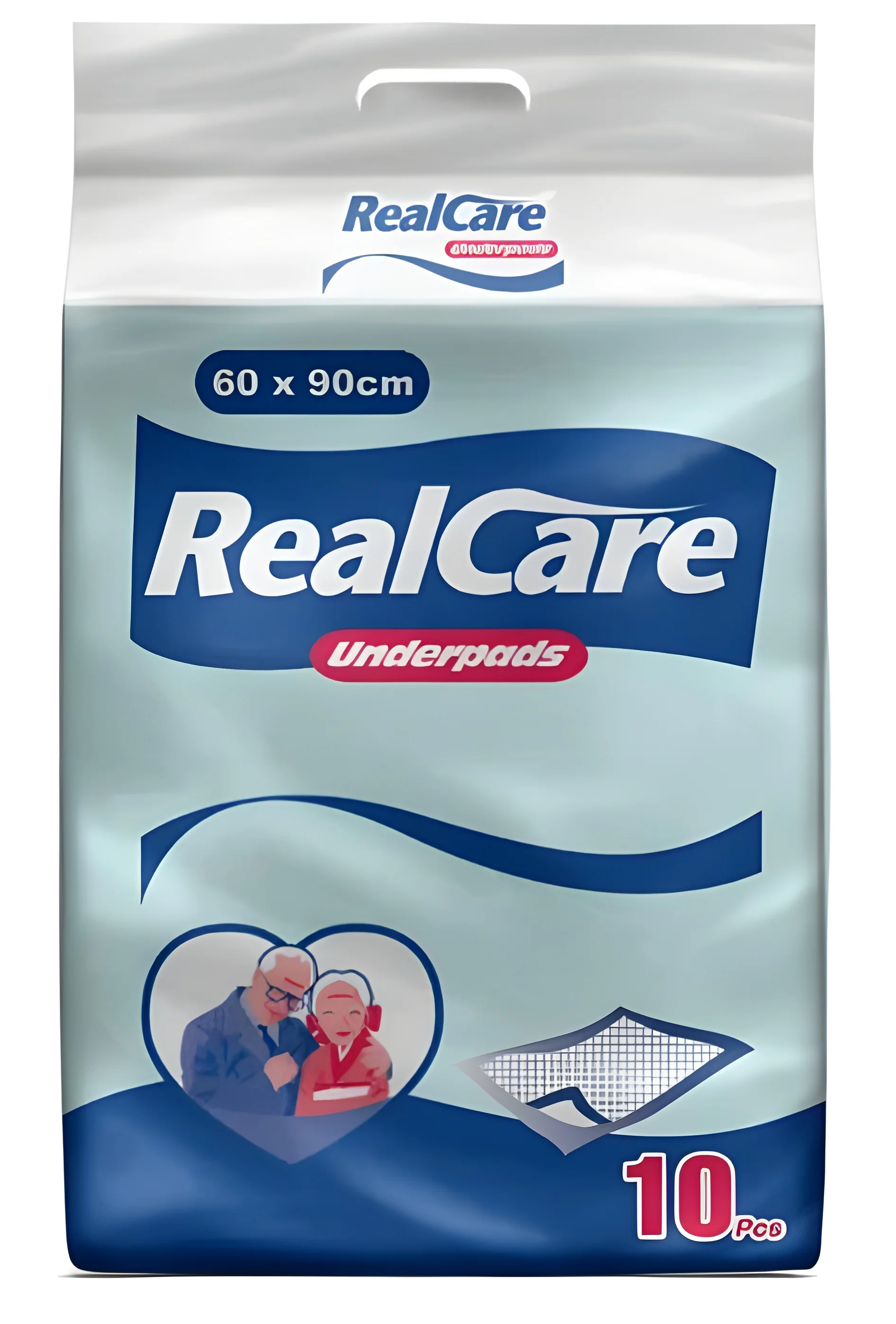
Disposable Underpads
3 products available
What are Disposable Underpads?
Disposable underpads are absorbent pads designed for use in healthcare and personal care settings. These products provide a protective barrier between the user and surfaces, helping to absorb moisture and prevent leakage. Typically made from a combination of fluff pulp and polymer materials, disposable underpads are lightweight, comfortable, and convenient for one-time use. Their design often includes a waterproof backing to keep surfaces dry.
The primary applications of disposable underpads span across various sectors, including hospitals, nursing homes, and at-home care. They are commonly used for patients with incontinence, post-surgical recovery, and during childbirth to maintain cleanliness and hygiene. Additionally, these pads are beneficial for pet owners who may require protection during training or for older pets. The growing demand for hygiene products, particularly in the context of increased healthcare awareness, makes disposable underpads an essential item in many industries.
As the market for disposable underpads expands, manufacturers are focusing on improving product features and sustainability. Innovations in material technology are leading to better absorbency and comfort, while eco-friendly options are becoming available to meet the needs of environmentally conscious consumers. This evolving landscape highlights the significance of disposable underpads in both healthcare and personal care markets.
Key Features and Specifications
Disposable underpads come equipped with various features that enhance their usability and effectiveness. Understanding these specifications can help buyers select the right product for their needs.
Key specifications include:
1. Absorbency Level
- High absorbent core designed to lock in moisture
- Typically ranges from 200 to 3000 mL depending on product type
2. Size Options
- Available in various dimensions, commonly 23 x 24 inches, 30 x 30 inches, and larger
- Custom sizes may be available upon request
3. Material Composition
- Made from a blend of fluff pulp and super-absorbent polymers
- Soft top sheet for user comfort and a waterproof back sheet for surface protection
4. Color Coding
- Different colors may indicate varying absorbency levels or intended use
- Helps in easy identification during inventory management
5. Packaging
- Available in bulk packaging or individually wrapped
- Bulk options are cost-effective for high-volume users
6. Latex-Free
- Most disposable underpads are latex-free to reduce the risk of allergic reactions
- Ideal for sensitive skin users
7. Odor Control
- Some products feature odor-neutralizing technology to maintain freshness
- Particularly important in healthcare settings
8. Non-Slip Backing
- Designed to stay in place during use
- Reduces the risk of movement and ensures user comfort
These features collectively enhance the functionality of disposable underpads, making them a reliable choice for various applications.
Common Applications and Use Cases
Disposable underpads serve a wide range of industries and applications, making them versatile and essential products.
1. Healthcare Facilities: In hospitals and nursing homes, disposable underpads are used for patients with incontinence, during surgeries, and for post-operative care to maintain hygiene.
2. Home Care: Caregivers utilize disposable underpads for patients needing in-home assistance. They provide a clean surface during medical procedures and daily hygiene tasks.
3. Childcare: Disposable underpads are useful in childcare settings for changing infants or toddlers, protecting surfaces during diaper changes.
4. Veterinary Practices: Pet clinics and shelters use disposable underpads to manage incontinence in animals and provide a clean area for pet recovery.
5. Hospitality: Hotels and care homes may use these underpads for guests with specific needs to ensure comfort and cleanliness.
6. Adult Daycare: Facilities catering to adults with special needs utilize underpads to enhance hygiene and protect furniture.
7. Personal Use: Individuals seeking additional protection during travel or at home can benefit from disposable underpads for added peace of mind.
Product Variants and Subcategories
Disposable underpads come in various forms to cater to specific needs. Understanding these variants can help buyers make informed decisions.
Standard Disposable Underpads
These are the most common type, designed for general use in healthcare and personal care settings. They offer reliable absorbency and protection, making them suitable for a wide audience.
Super Absorbent Underpads
These variants are engineered for high-absorbency needs, ideal for individuals with severe incontinence. They provide superior moisture control and are often used in long-term care facilities.
Extra Large Underpads
Designed for larger surfaces, these underpads offer extended coverage and are perfect for patients who need additional protection during mobility or repositioning.
Benefits and Advantages
Disposable underpads provide numerous benefits that make them a valuable choice for businesses and consumers alike.
1. Hygiene Maintenance: They help maintain a clean and sanitary environment, reducing the risk of contamination and infection.
2. Convenience: With single-use designs, disposable underpads eliminate the need for laundering, saving time and resources.
3. Comfort: Most products feature soft, breathable materials that enhance user comfort while providing necessary protection.
4. Versatility: Disposable underpads can be used in various settings, from healthcare facilities to personal use, making them adaptable for different needs.
5. Cost-Effectiveness: Bulk purchasing options can lead to significant savings for businesses with high usage rates.
6. Easy Disposal: These products are designed for easy disposal, which simplifies waste management in various settings.
Buying Guide for B2B Buyers
When sourcing disposable underpads, buyers should consider several key factors to ensure they select the best product for their needs.
1. Quality Assessment: Look for products that meet high-quality standards. Assess absorbency, durability, and user comfort to ensure reliability in various applications.
2. Supplier Verification: Vet suppliers thoroughly to ensure they comply with industry standards and provide consistent quality. Check for customer reviews and supplier certifications.
3. Pricing and MOQ: Understand the pricing structure and minimum order quantities required by suppliers. This can significantly impact budget planning and inventory management.
4. Delivery and Lead Times: Inquire about logistics and estimated delivery times. Timely availability is crucial for maintaining operations, especially in healthcare settings.
5. Compliance Requirements: Ensure that the products meet necessary regulatory standards specific to your region. Compliance with health and safety regulations is vital for maintaining industry credibility.
Compliance and Certifications
Compliance and certifications play a critical role in the manufacturing and distribution of disposable underpads. These products must adhere to various quality standards to ensure safety and efficacy.
Relevant quality standards, such as ISO 9001, focus on ensuring consistent quality management systems within manufacturing facilities. This standard helps guarantee that products are produced reliably and meet customer needs.
Industry certifications, such as CE marking, indicate that the product meets European safety, health, and environmental protection standards. This certification can enhance marketability and trust among customers.
Safety and testing requirements include rigorous evaluation of materials and performance to ensure they are safe for use. Testing for absorbency, leak resistance, and skin compatibility is essential to safeguard users.
Regional compliance considerations may vary, with different regions requiring specific certifications or testing protocols. Understanding these regulations is crucial for businesses aiming to operate in multiple markets.
Why Source Disposable Underpads from Pepagora?
Pepagora offers a trusted platform for sourcing disposable underpads, providing several key advantages to B2B buyers.
Verified Supplier Network: Pepagora has established a network of verified suppliers who adhere to stringent quality standards. This ensures that buyers receive reliable products that meet their specifications.
Streamlined RFQ Process: The platform features a user-friendly quotation system, allowing buyers to request quotes from multiple suppliers efficiently. This simplifies the procurement process and helps secure competitive pricing.
Trade Assurance and Support: Pepagora provides trade assurance, protecting buyers from potential disputes. The platform facilitates communication and support throughout the purchasing process.
Regional Coverage: With a strong presence in India, the GCC, and Southeast Asia, Pepagora connects buyers with suppliers across these regions. This geographic reach enables businesses to find local suppliers and reduce shipping times and costs.

 India
 India

Frequently Asked Questions
What are Disposable Underpads?
Disposable Underpads are absorbent pads designed to protect surfaces from moisture and spills, commonly used in healthcare settings, home care, and during travel. They provide a barrier against incontinence, making them ideal for patients, elderly individuals, and caregivers.
What are the different types of Disposable Underpads?
There are several types of Disposable Underpads, including flat underpads, absorbent underpads, and those with a waterproof backing. Each type caters to different needs, such as varying levels of absorbency and surface protection.
How do I choose the right Disposable Underpads?
To choose the right Disposable Underpads, consider factors such as absorbency level, size, and intended use. Additionally, evaluate the material for comfort and skin sensitivity, ensuring it meets the specific needs of the user.
What are the standard specifications for Disposable Underpads?
Standard specifications for Disposable Underpads typically include dimensions, absorbency rate, and material composition. Most underpads are made from soft, non-woven fabric with a waterproof backing, and absorbency rates can vary based on the product.
What is the price range for Disposable Underpads?
The price range for Disposable Underpads can vary widely based on size, absorbency, and brand. Generally, prices can start from a few rupees per pad to higher costs for specialized or premium products.
What quality standards apply to Disposable Underpads?
Disposable Underpads must comply with various quality standards, including those set by healthcare organizations and regulatory bodies. These standards ensure that the products are safe, effective, and suitable for medical and personal use.
Where can I find Disposable Underpads suppliers in India?
You can find Disposable Underpads suppliers in India through online B2B marketplaces, local distributors, and medical supply companies. Websites like Pepagora.com offer a platform to connect with various manufacturers and suppliers.
Can Disposable Underpads be customized?
Yes, many manufacturers offer customization options for Disposable Underpads, such as size, absorbency, and branding. Customization can help meet specific needs or preferences for particular applications.
What is the typical minimum order quantity for Disposable Underpads?
The typical minimum order quantity (MOQ) for Disposable Underpads can vary by supplier, but it often ranges from a few hundred to several thousand units. It is advisable to check with individual suppliers for their specific MOQ requirements.
What is the typical lead time for Disposable Underpads?
The typical lead time for Disposable Underpads can range from a few days to several weeks, depending on the supplier and order size. It is important to confirm lead times when placing an order to ensure timely delivery.
Why Businesses Trust Pepagora
Thousands of companies trust Pepagora to source smarter and sell faster
Expand Your Sales Globally

Source Smarter,Grow Faster
