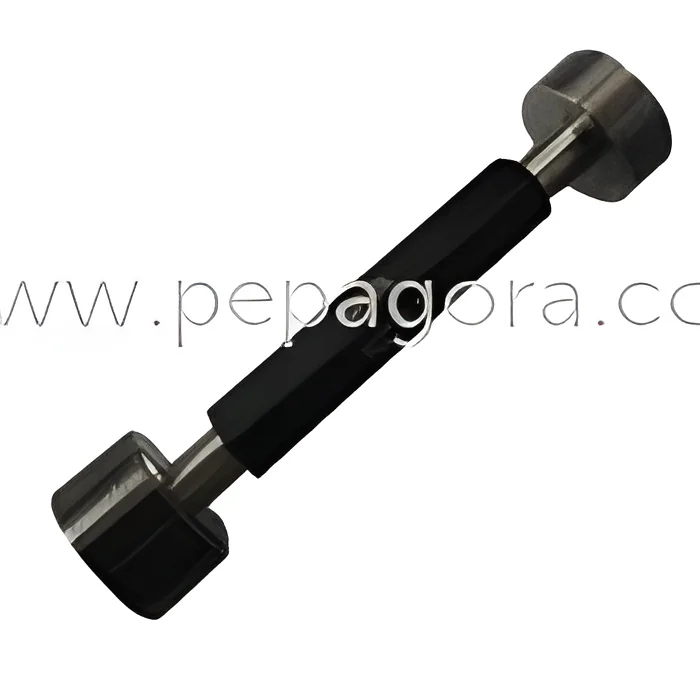
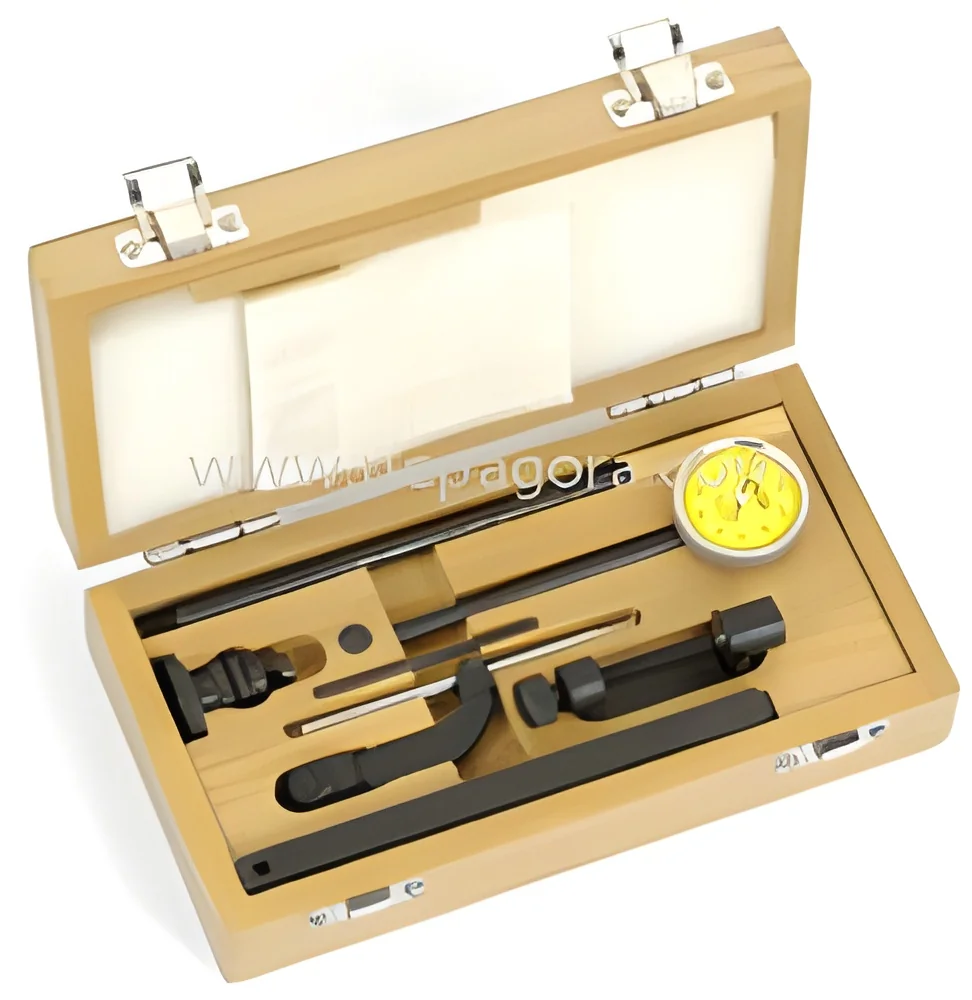
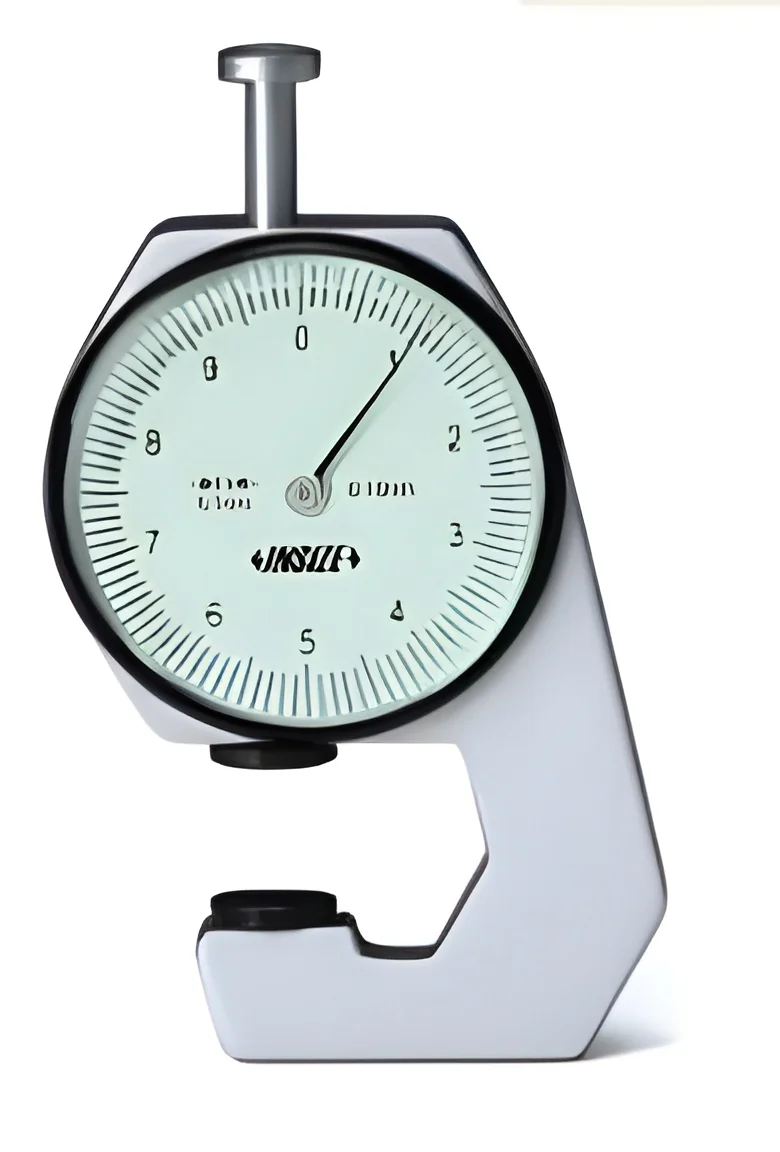
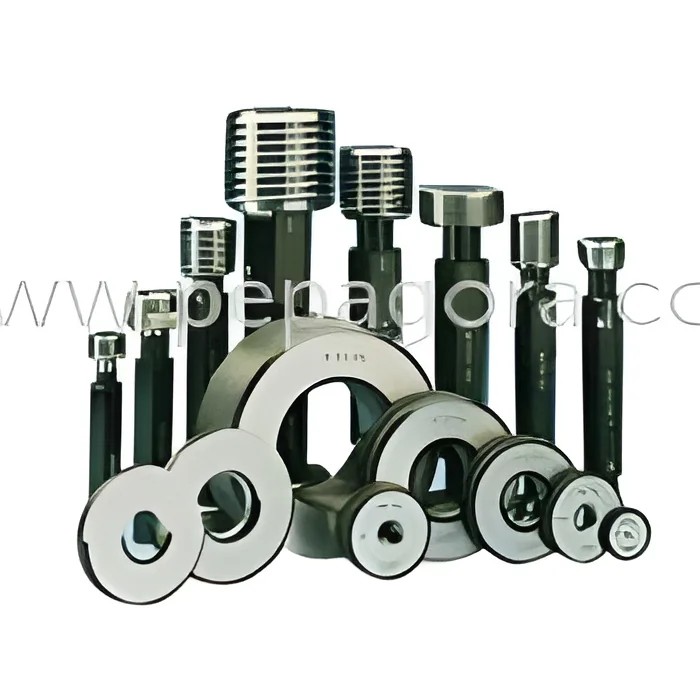
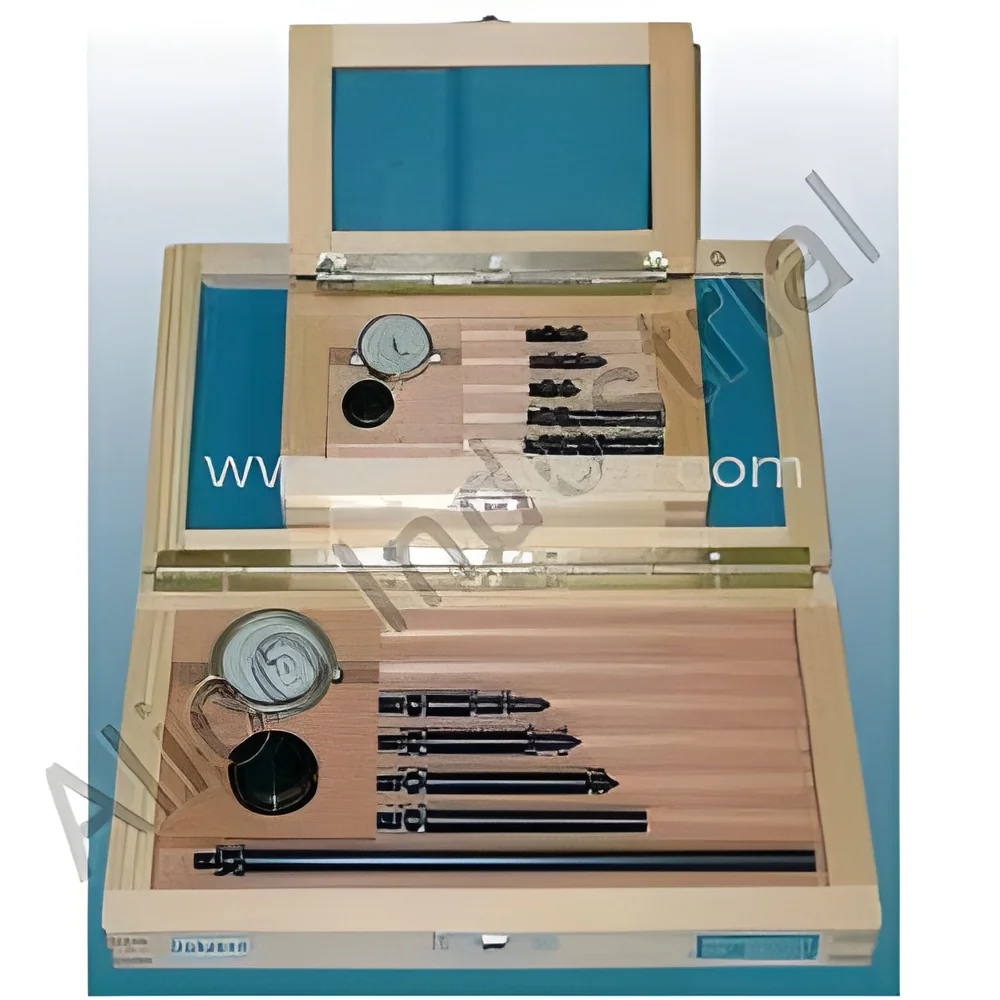
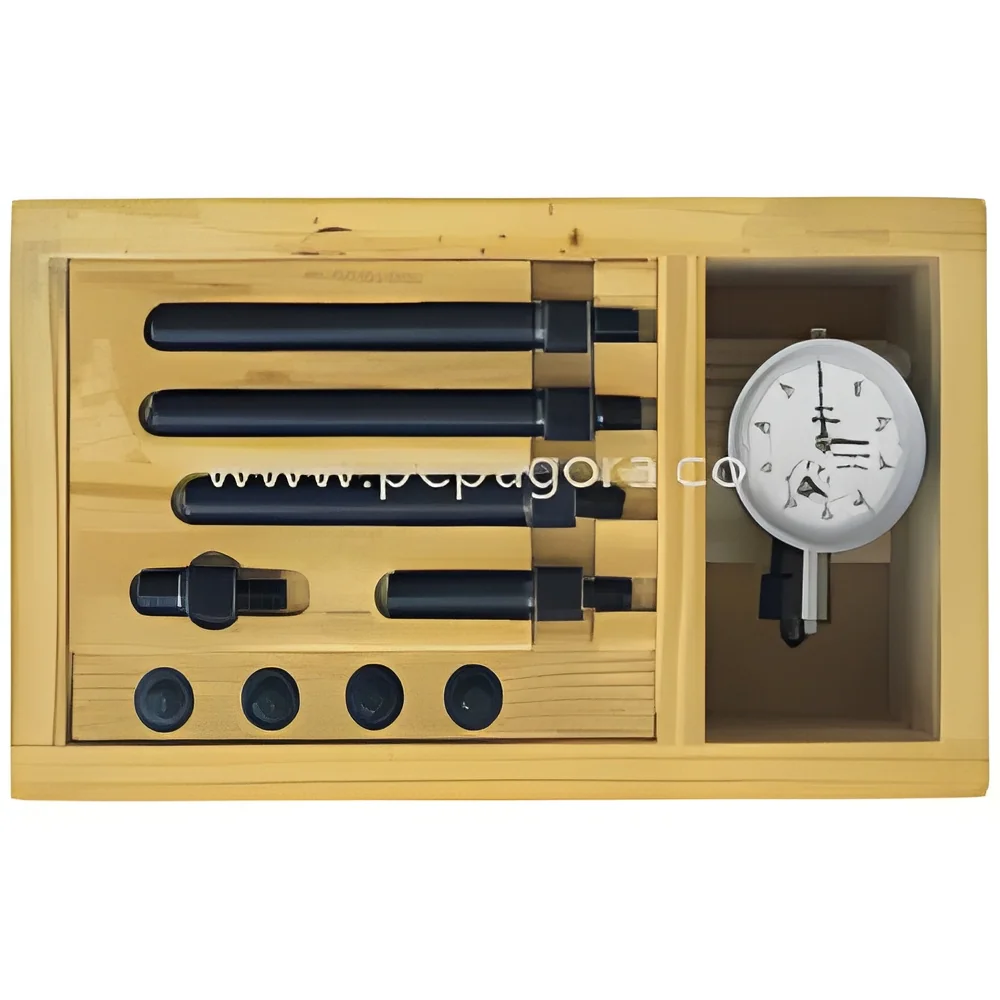
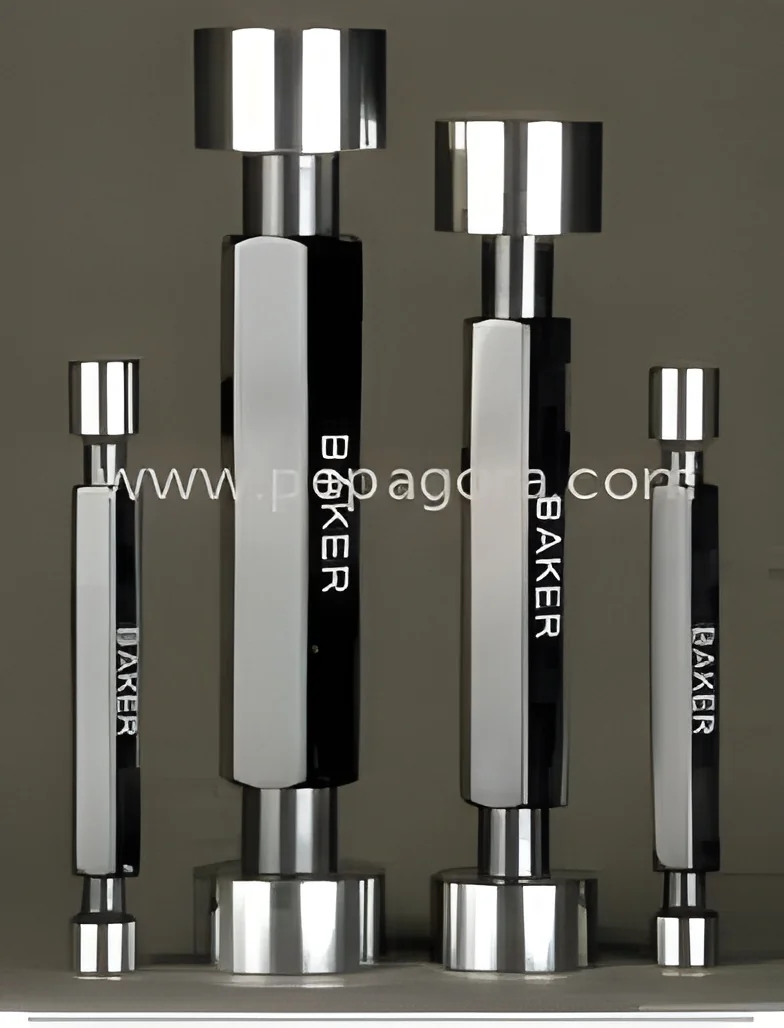
What are Dial Gauges?
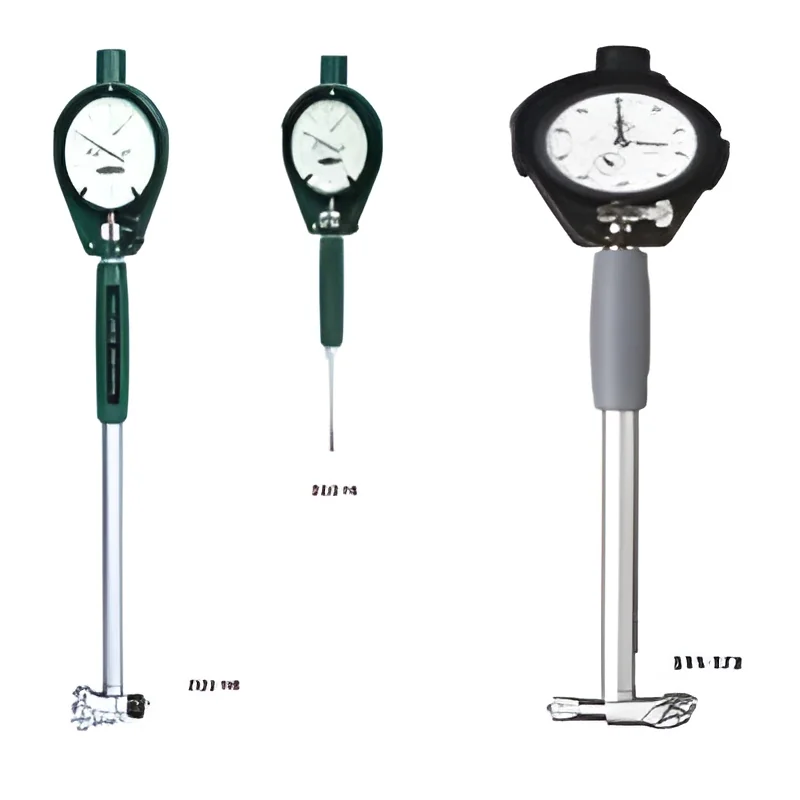
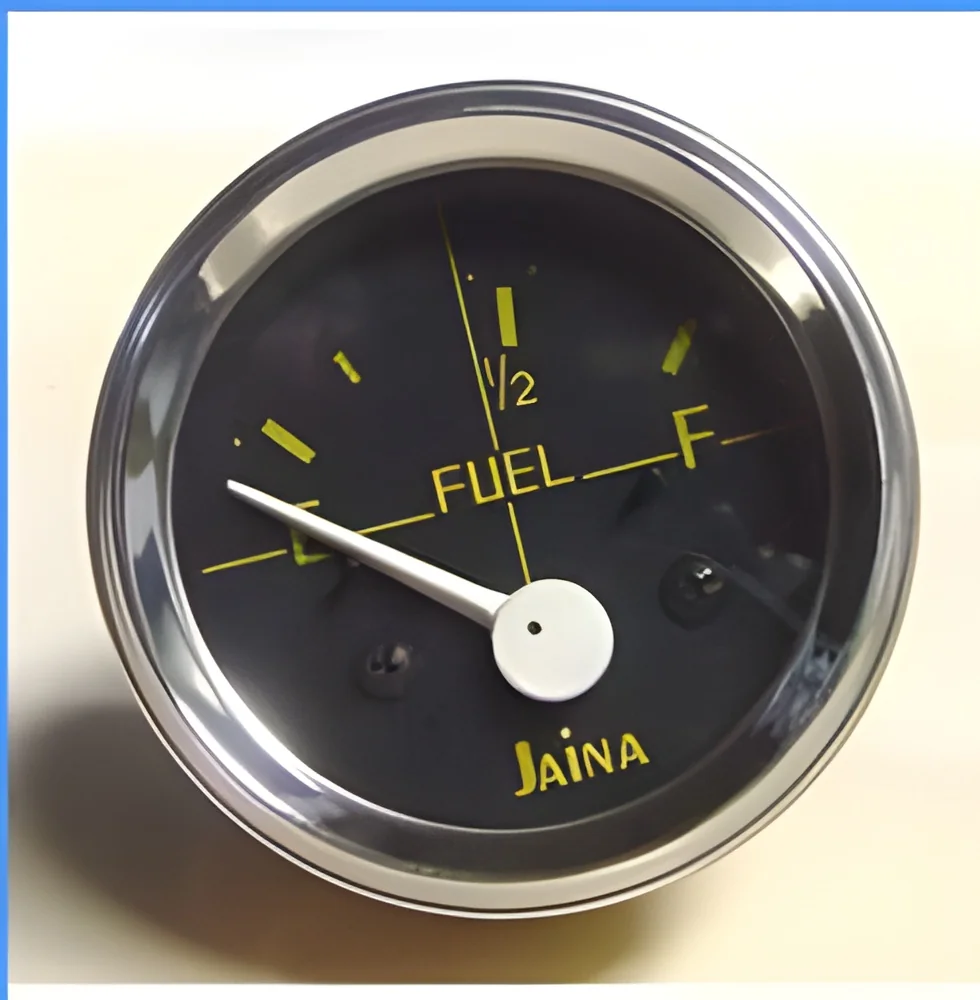
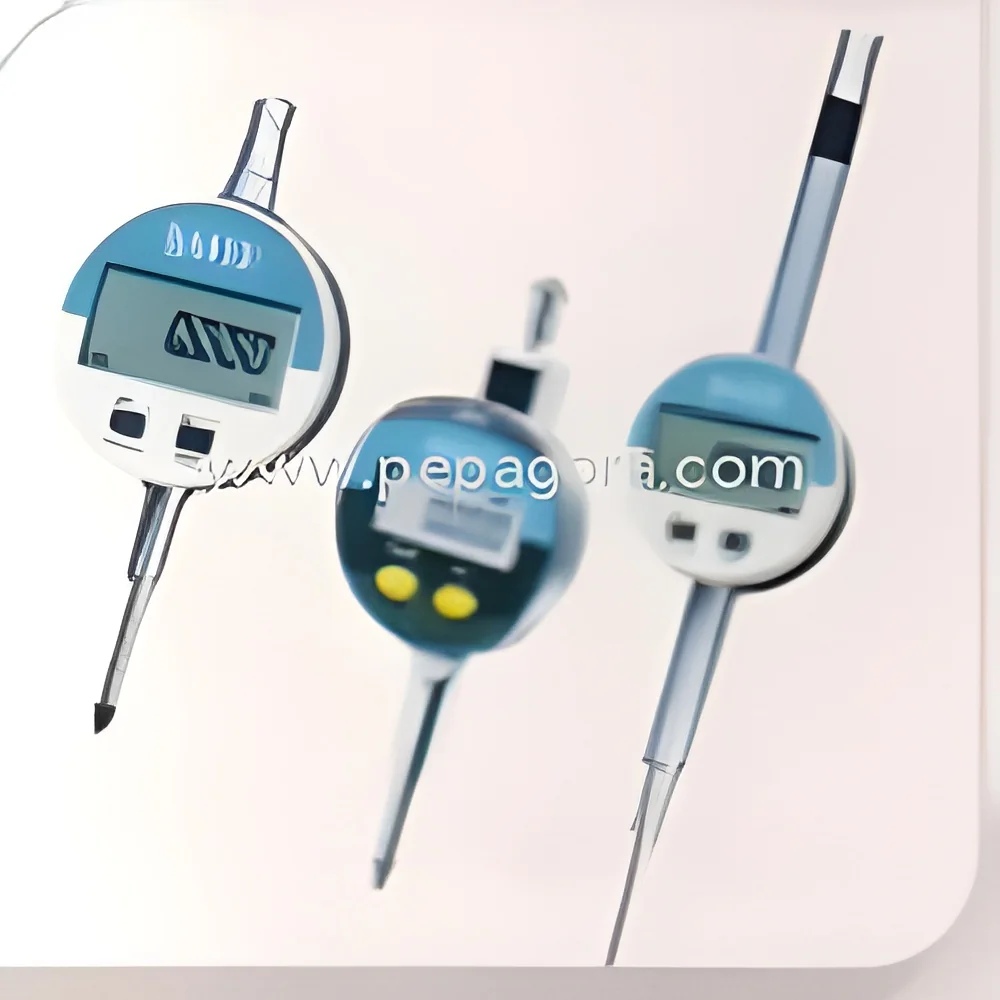
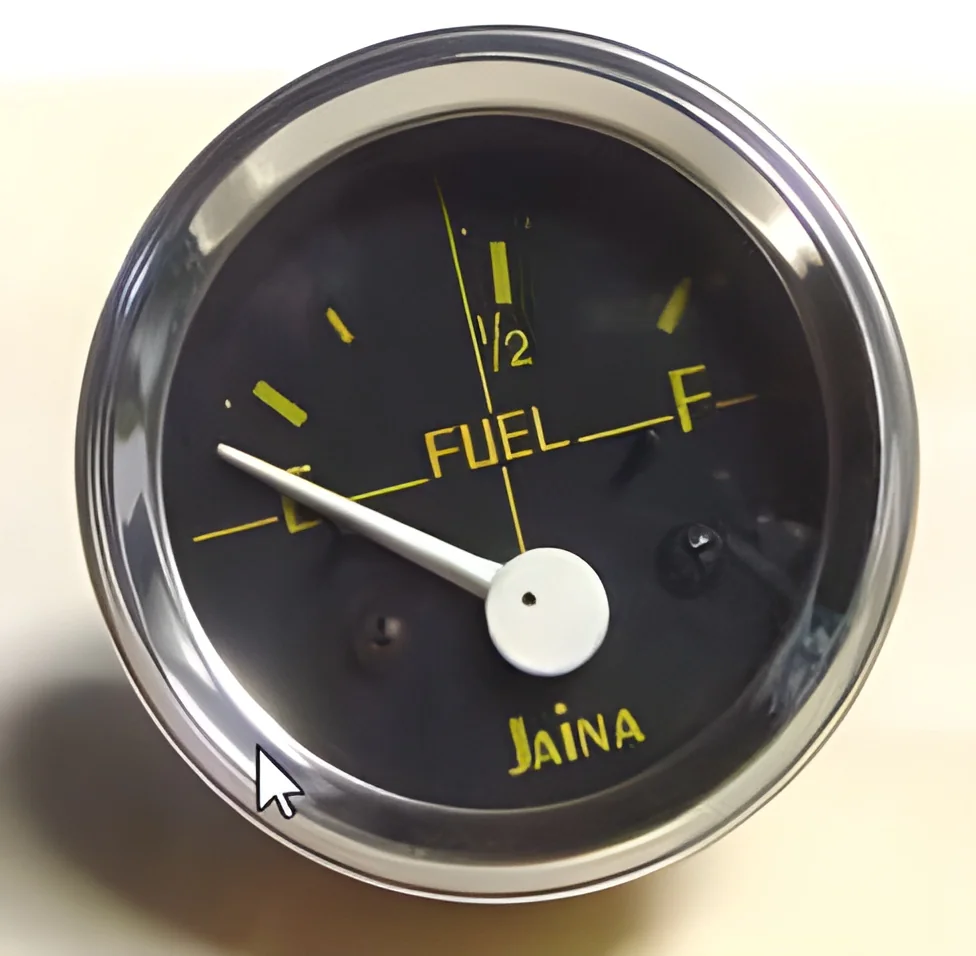
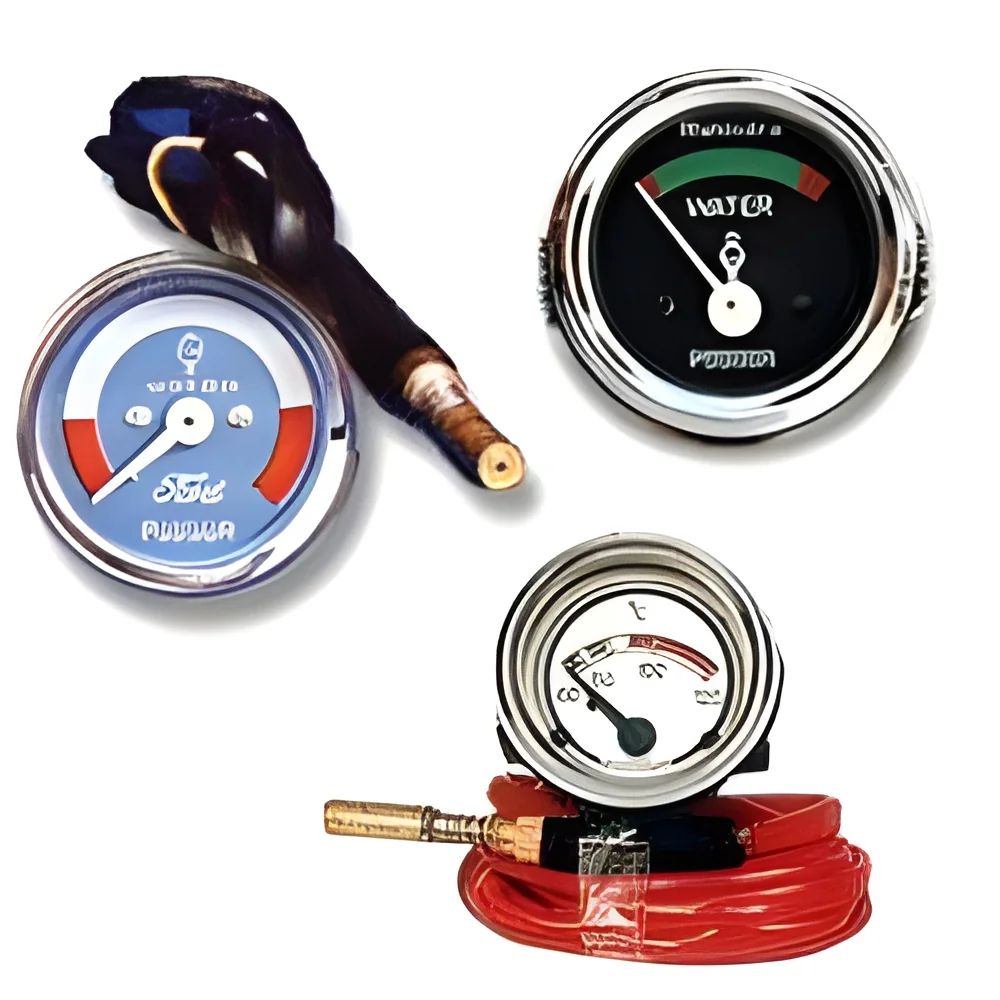
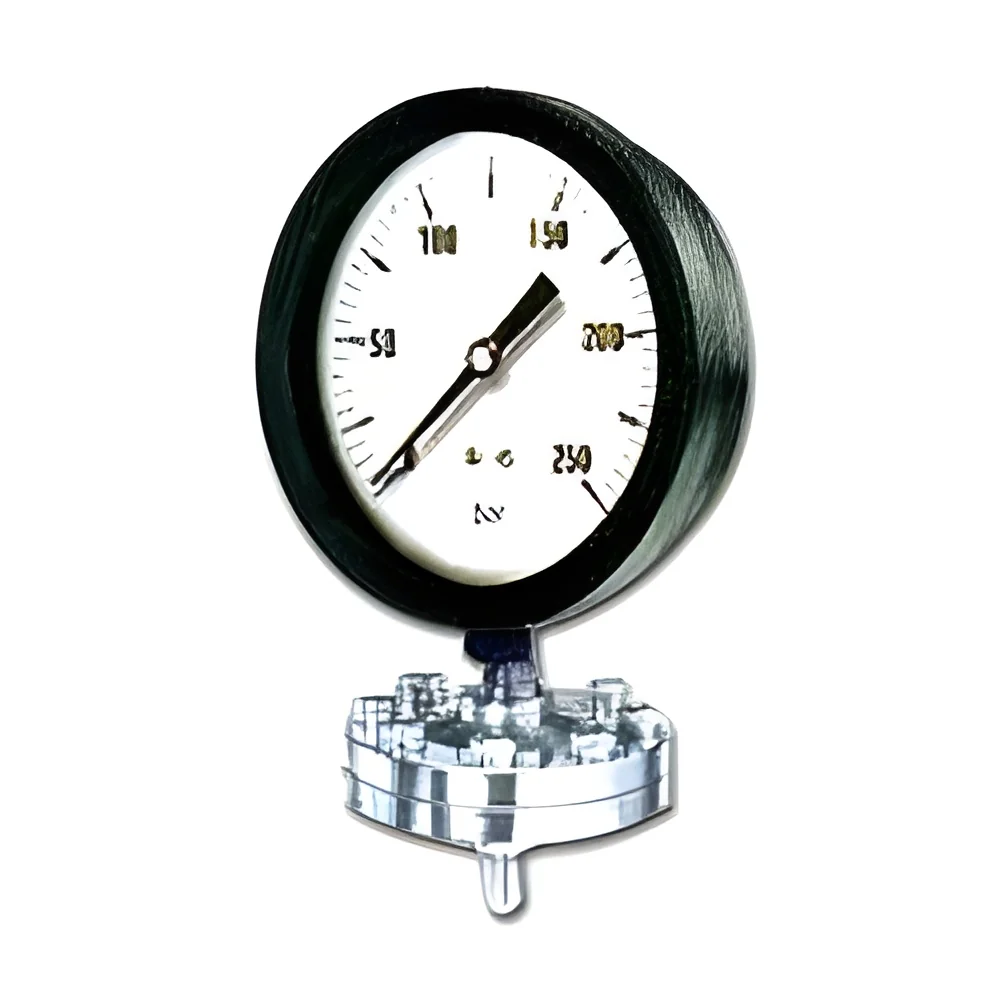
Dial gauges are precision measuring instruments used to measure small distances or variations in size, typically in mechanical and engineering applications. These tools provide a visual display of measurements via a dial with a needle that indicates the measurement on a graduated scale. The simplicity of their design allows for quick readings, making them an essential tool in many industrial settings.
Dial gauges are primarily used for measuring thickness, alignment, and surface flatness in various applications. They are invaluable in quality control processes, as they help ensure that parts meet specific tolerances. Industries such as automotive, manufacturing, and aerospace rely on dial gauges for accurate measurements during assembly and inspection processes. The relevance of dial gauges continues to grow in an increasingly competitive market where precision is paramount.
Key Features and Specifications
Dial gauges are characterized by several key features that enhance their functionality and reliability. They are designed to provide accurate and repeatable measurements, making them indispensable in a variety of industrial applications. Understanding their specifications is crucial for selecting the right tool for specific needs.
Key specifications include:
1. Measurement Range
- Typically ranges from 0 to 1 inch or 0 to 25 mm
- Variations exist for specific applications
2. Resolution
- Generally offers resolutions of 0.001 inches or 0.01 mm
- Ensures precise readings for critical measurements
3. Accuracy
- Typically within a range of ±0.001 inches or ±0.02 mm
- Essential for ensuring that measurements meet required tolerances
4. Dial Size
- Common sizes include 1.5 inches, 2 inches, and 3 inches
- Larger dials offer easier readability
5. Measuring Force
- Usually requires a measuring force of about 0.5 to 1.5 N
- Important for preventing deformation of the workpiece
6. Weight
- Lightweight design typically around 100-200 grams
- Facilitates ease of use and portability
7. Material
- Often made from stainless steel or plastic
- Ensures durability and resistance to corrosion
8. Mounting Options
- Can be mounted on a stand or used handheld
- Versatile for different applications
Dial gauges are pivotal in ensuring accuracy and reliability in measurement tasks across various industries.
Common Applications and Use Cases
Dial gauges are versatile tools used in many industrial sectors for measurement purposes. Their precision and reliability make them suitable for a wide range of applications.
1. Automotive Industry: Dial gauges are used for measuring engine components, ensuring proper alignment and fit during assembly.
2. Manufacturing: These gauges help in quality control processes, verifying the dimensions of machined parts against specifications.
3. Aerospace: Dial gauges are essential for inspecting critical components, enabling precise measurements of parts used in aircraft.
4. Metalworking: They are used for checking the flatness of surfaces and the thickness of materials to ensure quality.
5. Tool and Die Making: Dial gauges help in the setup and verification of tools, ensuring they meet tight tolerances.
6. Construction: Used for measuring the voids and gaps in structures to maintain quality during building processes.
7. Electronics: Dial gauges assist in measuring the thickness of printed circuit boards and other electronic components.
Product Variants and Subcategories
Dial gauges come in various types to cater to different measurement needs. Each variant offers unique features suited for specific applications.
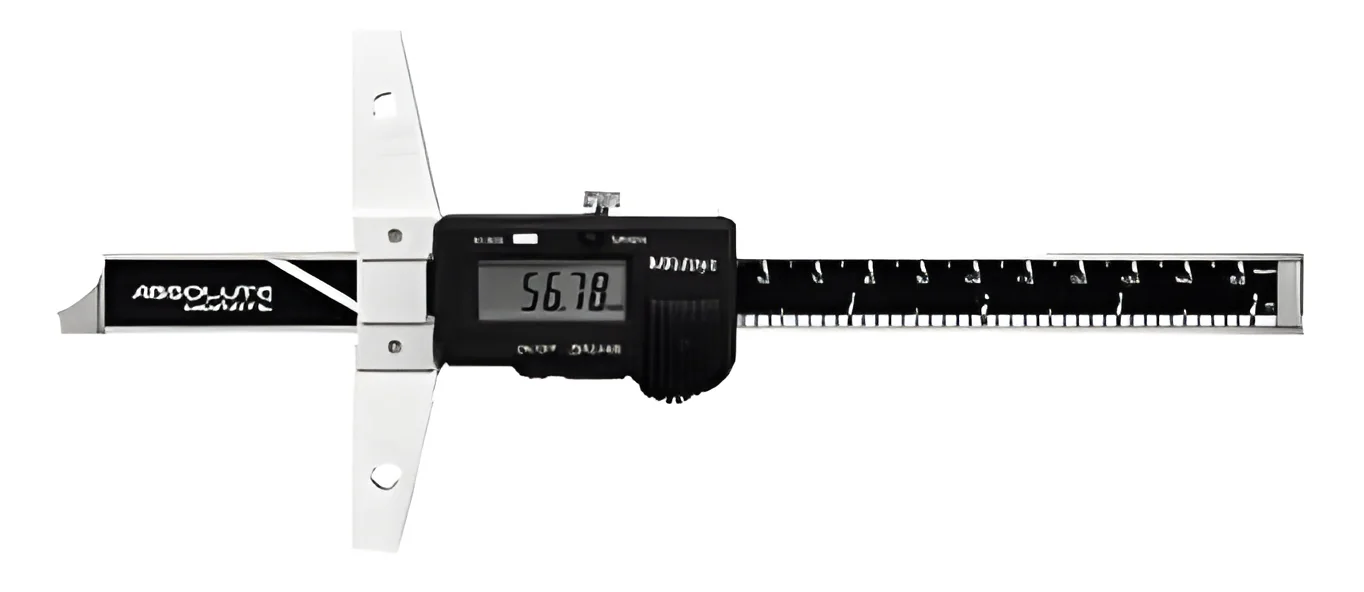
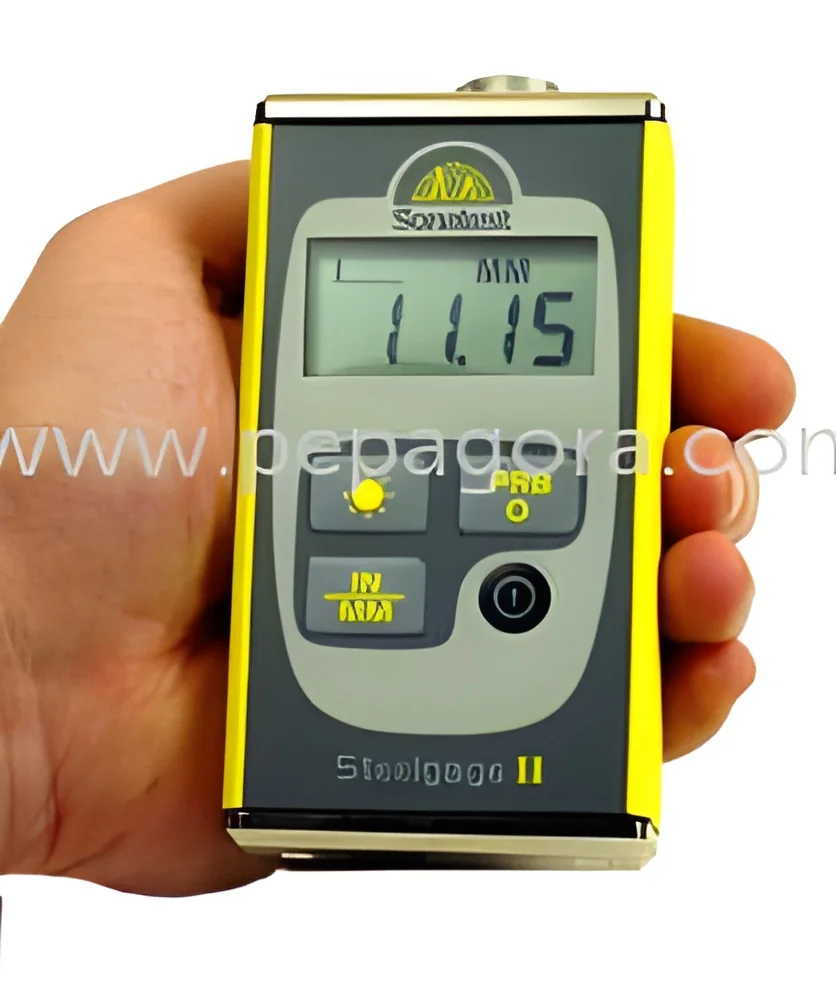
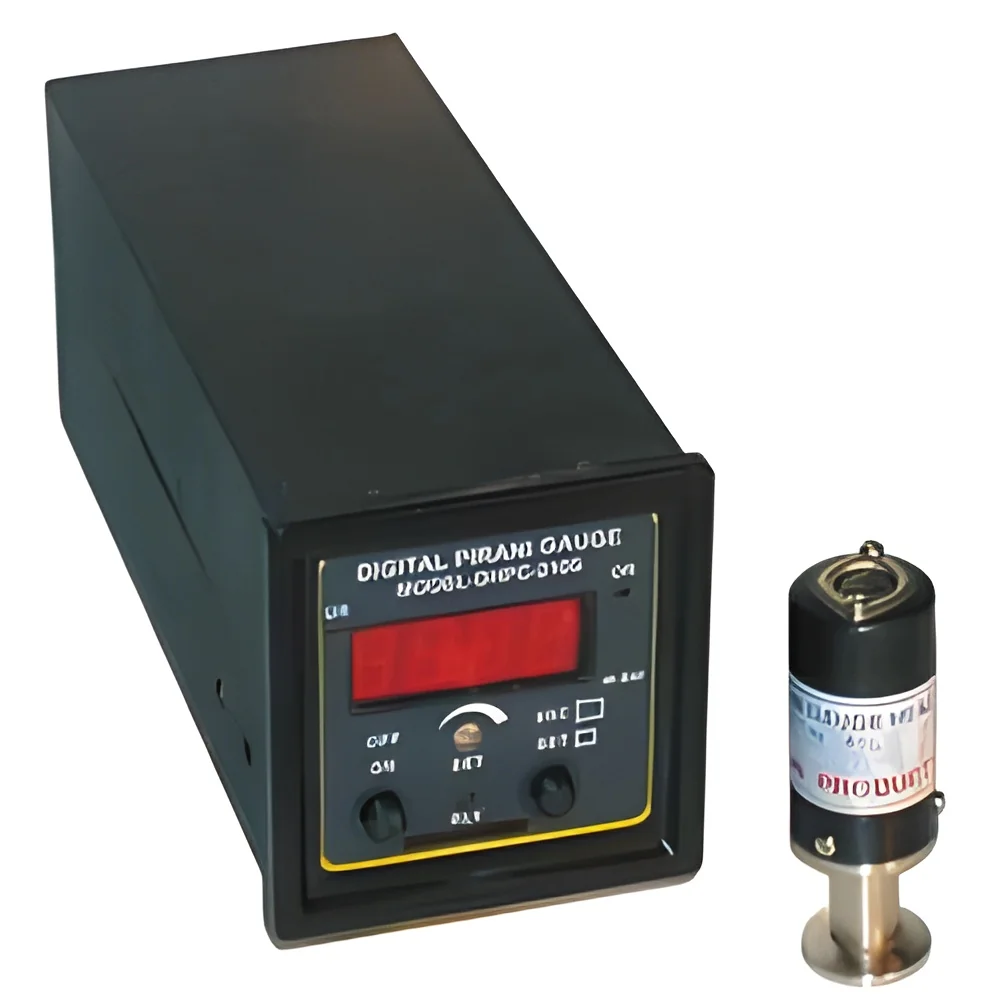
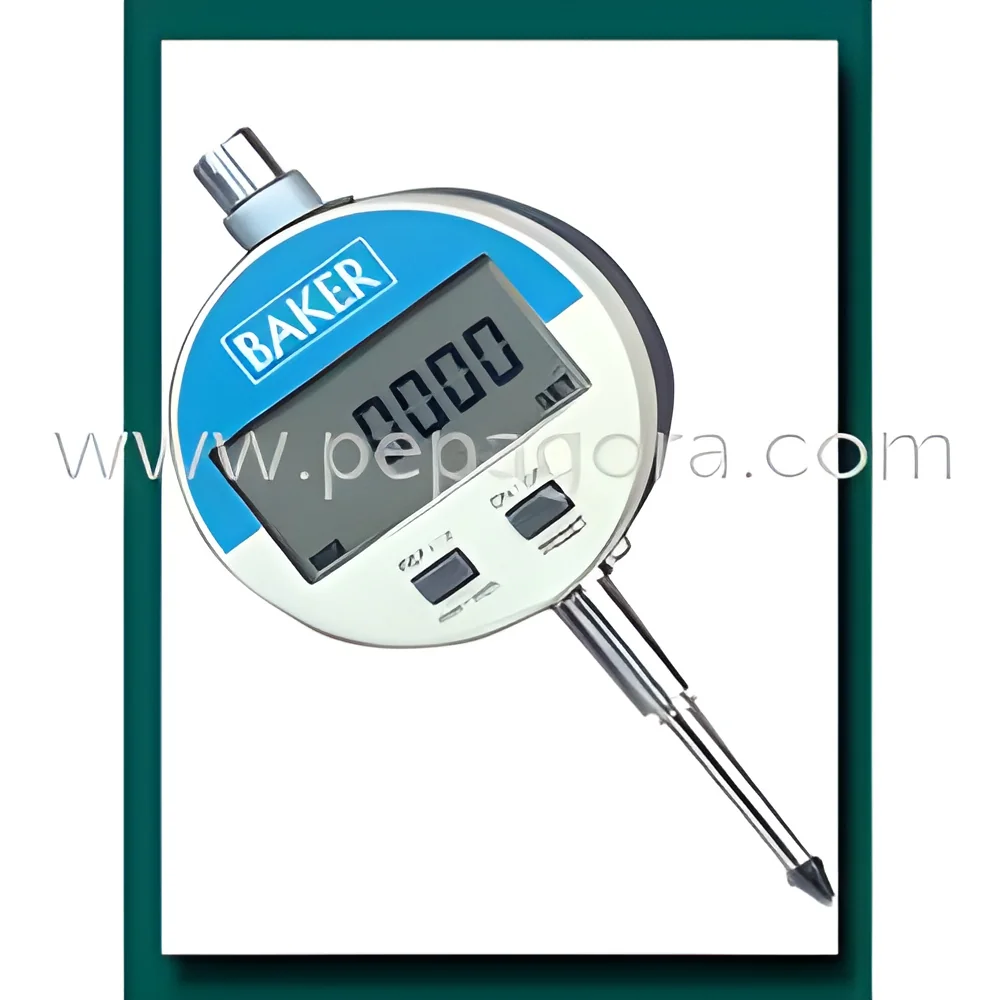
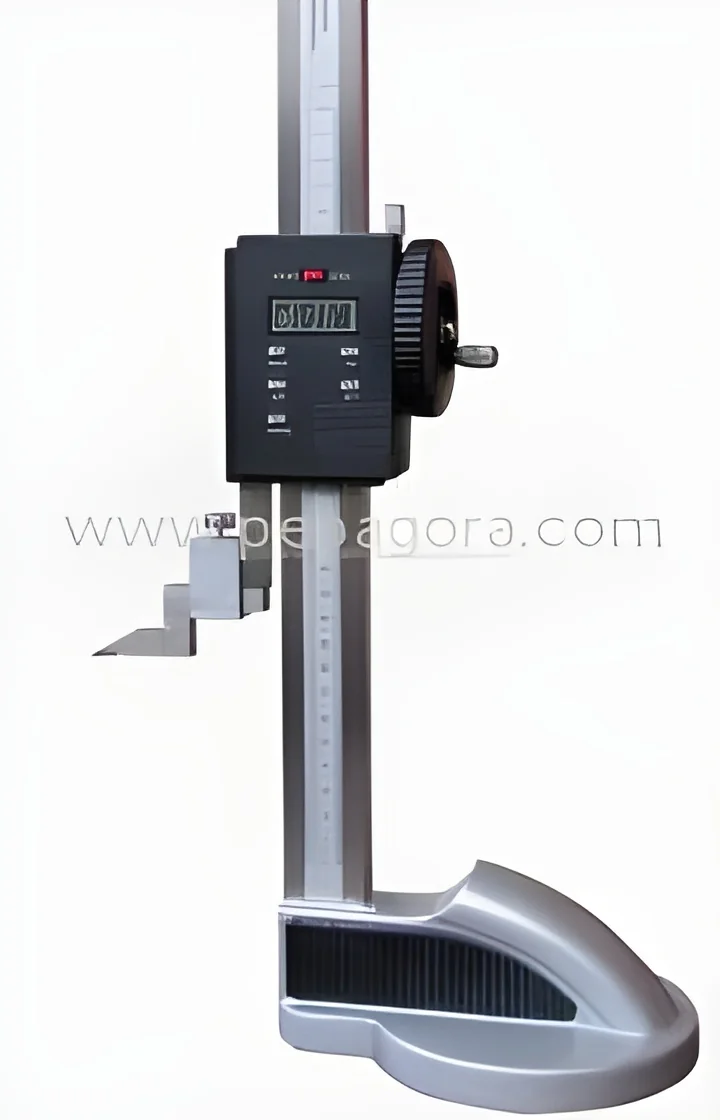
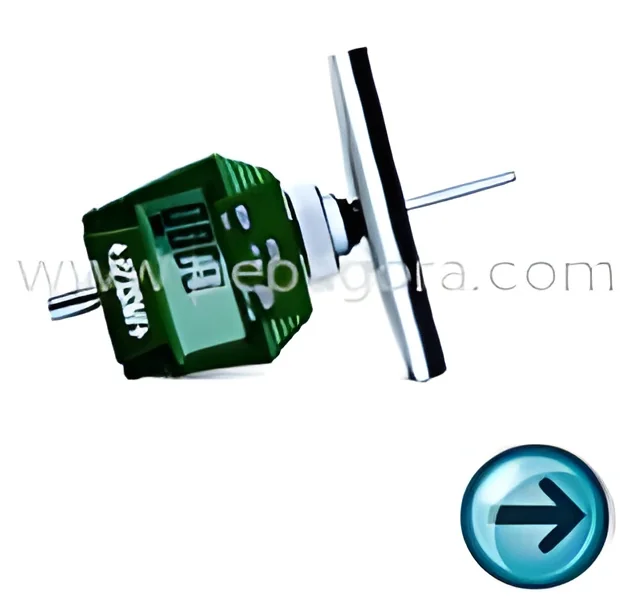
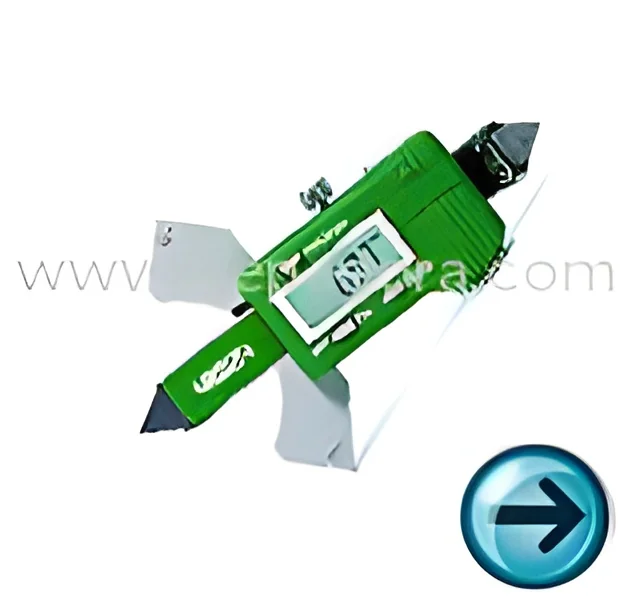
Digital Dial Gauge: This variant provides electronic measurements displayed on a digital screen. It often offers additional features such as data logging and connectivity options, making it suitable for modern industrial applications.
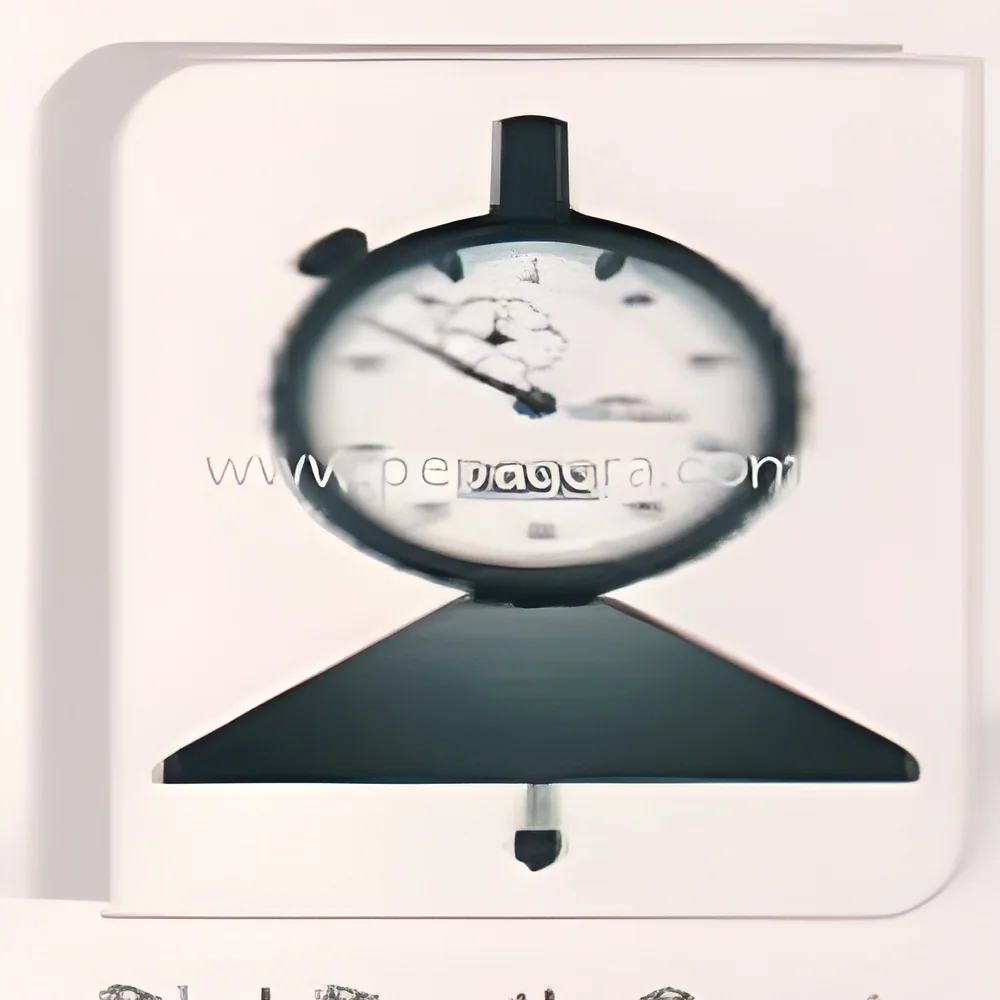
Mechanical Dial Gauge: A traditional variant that uses mechanical components for measurement. It is reliable and does not require batteries, making it ideal for environments where electronic devices may be less practical.
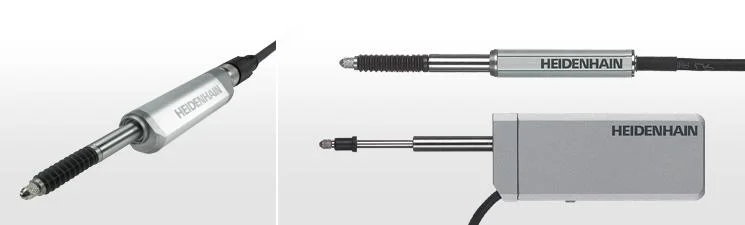
Interchangeable Dial Gauge: This type allows users to swap out measurement heads for different applications. It offers flexibility and adaptability for various measurement tasks in different industries.
Benefits and Advantages
Dial gauges offer numerous benefits that enhance their value in industrial applications. These advantages contribute to their widespread use across various sectors.
1. High Precision: Dial gauges provide accurate measurements, which are critical for quality assurance and control in manufacturing processes.
2. Easy to Use: The straightforward design allows operators to quickly take readings, improving efficiency in measurement tasks.
3. Versatile Applications: They can be used in numerous industries, making them a valuable tool for a wide range of measurement needs.
4. Durable Construction: Most dial gauges are made from robust materials, ensuring longevity and reliable performance even in harsh environments.
5. Cost-Effective: Compared to digital measuring instruments, dial gauges are often more affordable while still providing high accuracy.
6. Minimal Maintenance: Dial gauges require little maintenance, making them a practical choice for busy industrial settings.
Buying Guide for B2B Buyers
When sourcing dial gauges for industrial applications, several factors should be considered to ensure the best choice for your needs.
1. Quality Assessment: Look for gauges that meet industry standards and specifications. Consider the materials used and the reputation of the manufacturer to ensure long-lasting performance.
2. Supplier Verification: Vet suppliers thoroughly to ensure they have a history of reliability and quality. Check their certifications and customer reviews to gauge their credibility.
3. Pricing and MOQ: Understand the pricing structure and the minimum order quantities required by suppliers. This helps in budgeting and ensuring that you are not overcommitting on stock.
4. Delivery and Lead Times: Inquire about delivery schedules and lead times to ensure that your operations are not disrupted. Timely deliveries are crucial for maintaining workflow efficiency.
5. Compliance Requirements: Ensure that the dial gauges meet any relevant regulatory or compliance standards for your industry. This may include certifications such as CE.
Compliance and Certifications
Dial gauges must adhere to certain quality standards and certifications to ensure their reliability and safety in industrial use.
ISO 9001 is a quality management standard that emphasizes consistent quality and continuous improvement. Manufacturers of dial gauges should ideally comply with this standard, which assures buyers of the product's reliability.
CE certification is crucial for products sold within the European market. This certification indicates that the product meets essential safety, health, and environmental protection standards.
Additionally, safety and testing requirements are paramount. Dial gauges should undergo rigorous testing to ensure they perform accurately and withstand industrial conditions.
Regional compliance considerations may vary based on local regulations. Buyers should be aware of any specific standards applicable in their geographic areas.
Why Source Dial Gauges from Pepagora?
Pepagora offers a trusted platform for sourcing dial gauges, presenting several key advantages to B2B buyers.
Verified Supplier Network: Pepagora ensures that all suppliers are thoroughly vetted. This verification process helps buyers avoid unreliable suppliers and ensures high-quality products.
Streamlined RFQ Process: The request for quotation process on Pepagora is designed to be efficient and user-friendly, allowing buyers to receive competitive pricing and product options quickly.
Trade Assurance and Support: Pepagora provides trade assurance to protect buyers during the purchasing process. This includes support services to resolve any issues that may arise.
Regional Coverage: With a significant presence in India, the GCC, and Southeast Asia, Pepagora connects buyers with suppliers across these regions, expanding the options available for sourcing dial gauges.
By choosing Pepagora, buyers can benefit from a reliable sourcing experience while ensuring they acquire high-quality dial gauges suited to their specific industrial needs.

 IN
IN