Key Features and Specifications
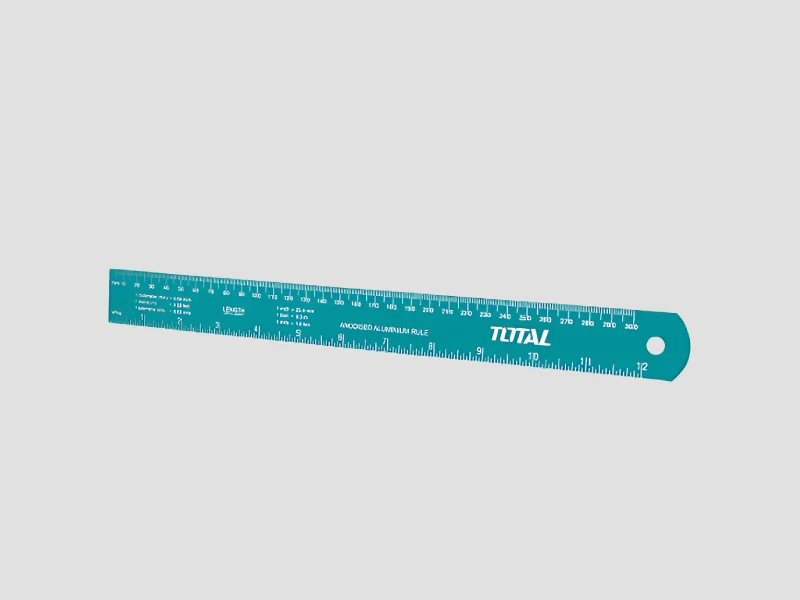
Measuring rulers (steel and plastic) come with various features and specifications that meet the needs of different applications. They are designed for precision and ease of use, ensuring that users can achieve accurate measurements quickly.
Key specifications include:
1. Material Type
- Options include high-grade stainless steel and durable plastic.
- Variations in thickness to suit different applications.
2. Length Options
- Standard lengths range from 6 inches to 36 inches or more.
- Custom lengths may be available depending on manufacturer.
3. Graduated Markings
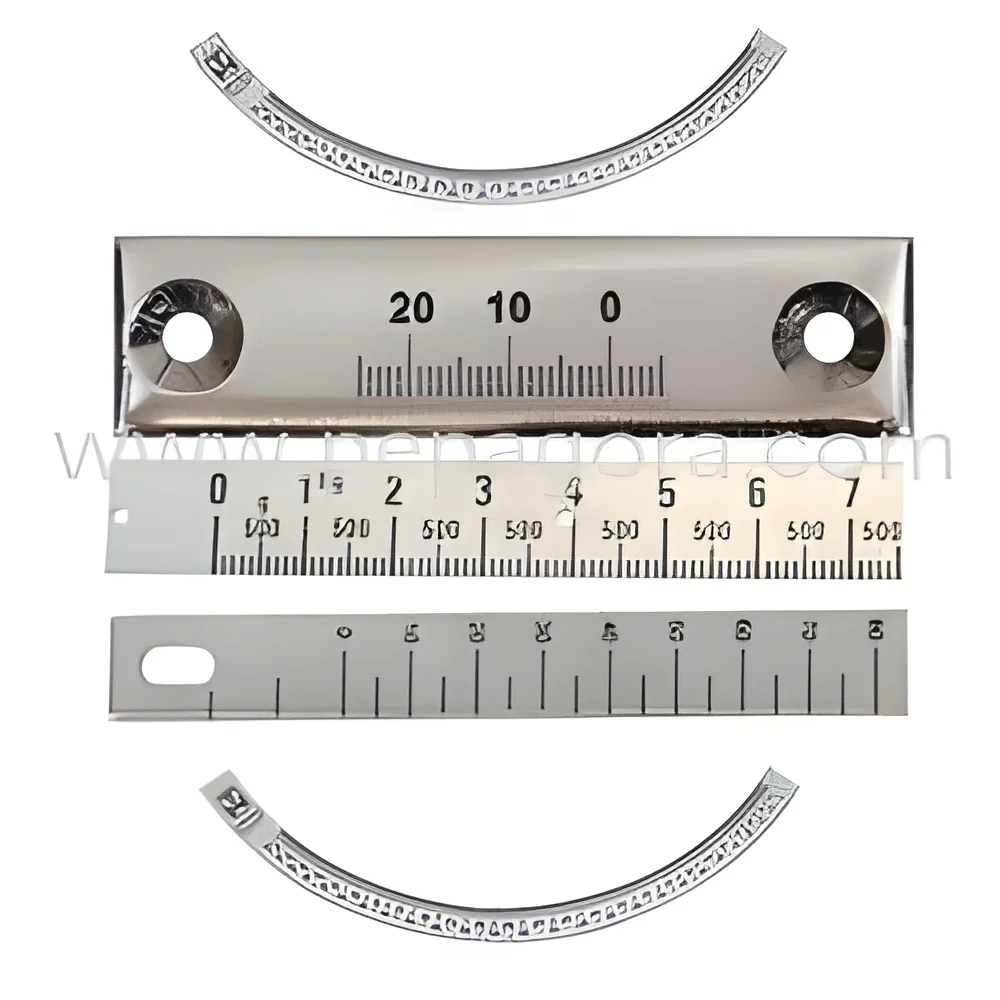
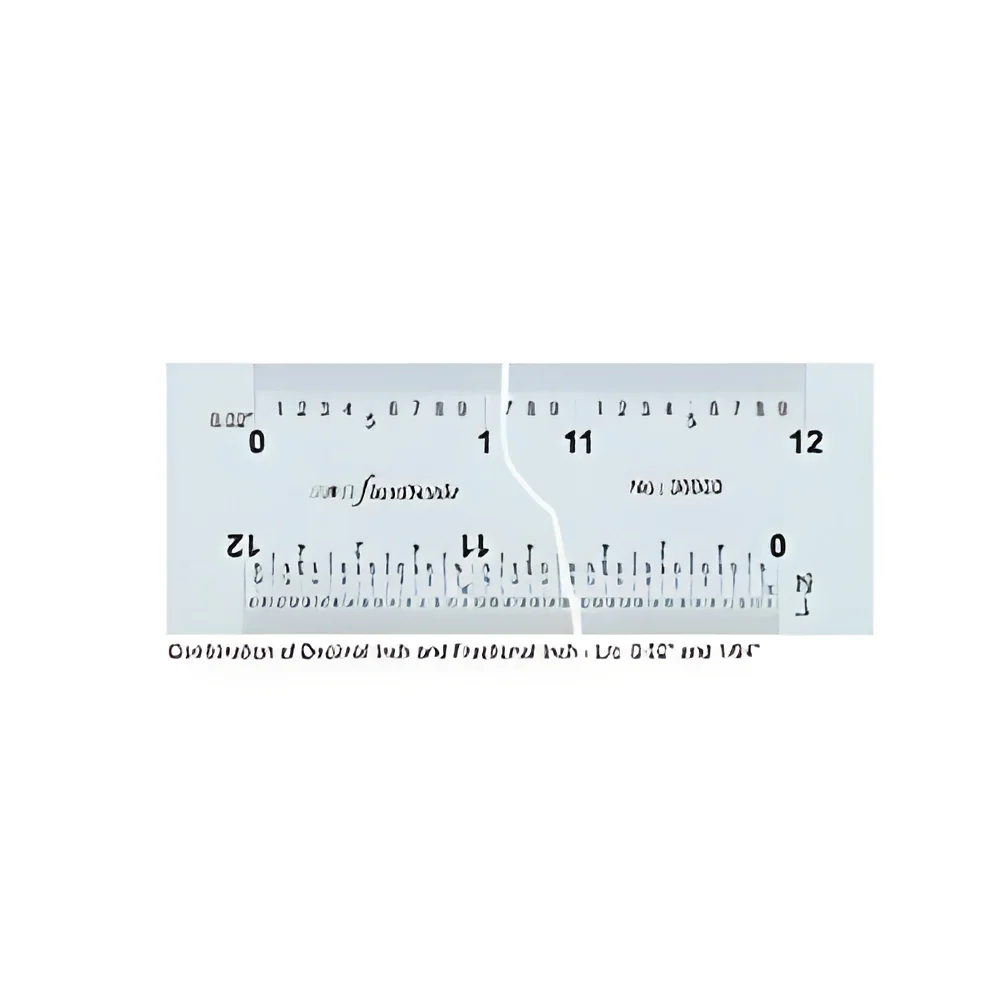
- Metric (millimeter and centimeter) and imperial (inches) scales.
- Clear, easy-to-read markings for quick reference.
4. Edge Design
- Straight edges for precision measurements.
- Some models may feature beveled edges for easy alignment.
5. Weight
- Steel rulers tend to be heavier, providing stability.
- Plastic rulers are lightweight and portable.
6. Flexibility
- Steel rulers offer rigidity for straight measurements.
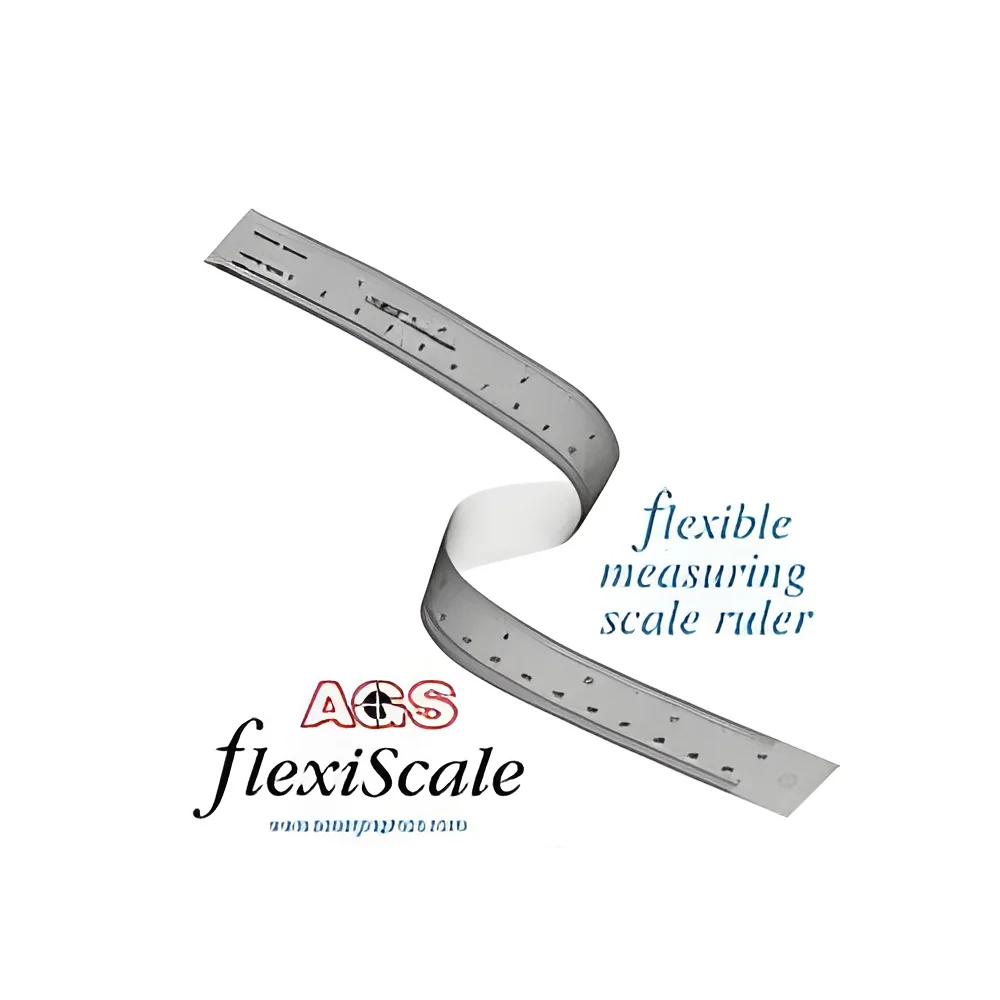
- Plastic rulers can bend slightly without breaking.
7. Surface Finish
- Steel rulers may have a polished finish for corrosion resistance.
- Plastic rulers often come in assorted colors for visibility.
8. Additional Features
- Some rulers may include built-in handles for easier handling.
- Magnetic options are available for use in industrial settings.
These features make measuring rulers versatile tools suitable for various tasks in multiple industries.
Common Applications and Use Cases
Measuring rulers play a crucial role in many sectors, providing precision and efficiency in various tasks.
1. Manufacturing: In manufacturing, measuring rulers are used for accurately cutting materials, aligning components, and ensuring specifications are met during assembly.
2. Construction: Construction professionals rely on measuring rulers for precise measurements when framing, installing fixtures, and laying out foundations.
3. Education: In educational settings, measuring rulers are essential for teaching students measurement skills and geometry concepts.
4. Carpentry: Carpenters use measuring rulers for measuring wood and creating detailed plans for furniture and structures.
5. Engineering: Engineers utilize measuring rulers for drafting designs, conducting field measurements, and ensuring accuracy in technical drawings.
6. Arts and Crafts: Artists and crafters use measuring rulers to achieve precise dimensions in their work, including sewing and model making.
7. DIY Projects: Home improvement enthusiasts often use measuring rulers for various tasks such as furniture assembly and renovation projects.
Product Variants and Subcategories
The market for measuring rulers includes a variety of options to meet different user needs.
Steel Rulers
Steel rulers are known for their durability and accuracy. They are ideal for industrial applications where precision is paramount. Their rigid construction allows users to achieve straight measurements, making them suitable for engineering and manufacturing tasks.
Plastic Rulers
Plastic rulers are lightweight and flexible, making them perfect for everyday use and educational settings. They are available in various colors, which can enhance visibility and make them user-friendly for students and hobbyists alike.
Benefits and Advantages
Using measuring rulers offers several key benefits that enhance efficiency and accuracy.
1. Accuracy: Both steel and plastic rulers provide precise measurements, ensuring that tasks are completed correctly.
2. Durability: Steel rulers are robust and long-lasting, suitable for rigorous use in industrial environments.
3. Lightweight Options: Plastic rulers are easy to carry, making them convenient for fieldwork and educational purposes.
4. Versatility: Measuring rulers can be used across various applications, from construction to crafting, making them a universal tool.
5. Cost-Effective: Measuring rulers are relatively affordable, providing a great return on investment for businesses and individuals.
6. Easy to Read: Graduated markings on both types are designed for quick reading, facilitating faster measurement processes.
Buying Guide for B2B Buyers
When sourcing measuring rulers (steel, plastic), several critical factors should be considered to ensure the right choice for your business needs.
1. Quality Assessment: Evaluate the quality of materials used in the rulers. Look for certifications that indicate high manufacturing standards, such as ISO certifications.
2. Supplier Verification: Conduct due diligence on suppliers to ensure they have a reliable history and positive reviews from other businesses. Verify their credentials and manufacturing practices.
3. Pricing and MOQ: Consider the pricing structures offered by different suppliers. Be aware of minimum order quantities (MOQ) to ensure that you can meet your purchasing needs without overcommitting.
4. Delivery and Lead Times: Understand the logistics involved in the supply chain. Ensure suppliers can meet your delivery schedules and lead times.
5. Compliance Requirements: Familiarize yourself with any industry compliance needs that may apply to your purchases. This can include safety standards and regional regulations.
Compliance and Certifications
Measuring rulers (steel and plastic) must comply with various quality standards and certifications to ensure safety and reliability in their applications.
ISO 9001 is a standard that outlines quality management systems, ensuring that manufacturers maintain consistent quality across their products. Compliance with this standard indicates a commitment to quality and customer satisfaction.
Certifications such as UL and CE demonstrate that measuring rulers meet specific safety and performance requirements. UL certification ensures that products have been tested for safety, while CE marking indicates conformity with European health, safety, and environmental protection standards.
Additionally, manufacturers should consider regional compliance requirements. Different regions may have specific regulations regarding material safety and environmental impact, which can affect product design and use.
Why Source Measuring Rulers (Steel, Plastic) from Pepagora?
Pepagora offers a reliable platform for sourcing measuring rulers (steel, plastic) with numerous advantages for buyers.
Verified Supplier Network: Our platform connects you with a network of vetted suppliers, ensuring that you have access to high-quality products from trusted sources. Each supplier undergoes thorough verification processes to maintain high standards.
Streamlined RFQ Process: The request for quotation (RFQ) process is designed to be efficient, allowing buyers to easily request and compare quotes from multiple suppliers. This helps you find the best prices and terms for your needs.
Trade Assurance and Support: Pepagora provides trade assurance, offering buyers protection against potential issues during the purchasing process. Our dedicated support team is available to assist with any inquiries or concerns.
Regional Coverage: With a strong presence across India, the GCC, and Southeast Asia, Pepagora ensures that you can find measuring rulers that meet your specific requirements regardless of your location. Our extensive network makes sourcing convenient and straightforward.

 IN
IN