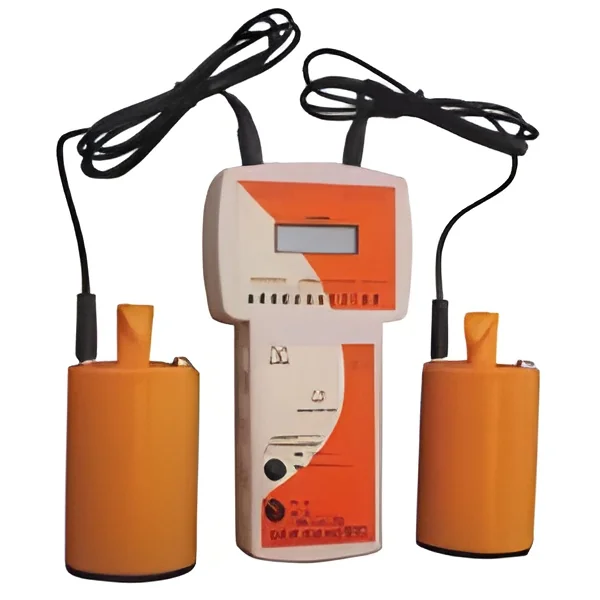
𝗪𝗵𝗮𝘁 𝗮𝗿𝗲 𝗠𝘂𝗹𝘁𝗶𝗺𝗲𝘁𝗲𝗿𝘀?
Multimeters are versatile electronic measuring instruments that can measure multiple electrical parameters including voltage, current, and resistance. They are essential tools for electricians, technicians, and engineers, providing accurate readings that facilitate troubleshooting and diagnostics in electrical systems. With both digital and analog models available, multimeters have become a staple in both professional and DIY environments.
These devices are primarily used in various business applications such as electrical installations, maintenance, and repair. They help ensure that electrical systems operate safely and efficiently. Additionally, multimeters are employed in research and development to test and develop new electronic products. The relevance of multimeters spans across industries, making them a critical component in maintaining compliance with industry standards and ensuring operational excellence.
𝗞𝗲𝘆 𝗙𝗲𝗮𝘁𝘂𝗿𝗲𝘀 𝗮𝗻𝗱 𝗦𝗽𝗲𝗰𝗶𝗳𝗶𝗰𝗮𝘁𝗶𝗼𝗻𝘀
Multimeters come equipped with various features that enhance their functionality and usability. Understanding these specifications is crucial for selecting the right model for specific applications.
Key specifications include:
1. Measurement Range
- Determines the maximum and minimum values the multimeter can accurately measure.
- Common ranges include AC and DC voltage up to 1000 volts, current up to 10 amps, and resistance in ohms.
2. Display Type
- Refers to whether the multimeter has a digital or analog display.
- Digital displays are easier to read and often provide additional features such as backlighting.
3. Accuracy Rating
- Indicates the precision of the measurements.
- Typically expressed as a percentage of the reading plus a number of least significant digits.
4. Functionality
- Describes additional measurement functions available.
- Common functions include diode testing, continuity testing, and temperature measurement.
5. Input Impedance
- Affects the loading on the circuit being measured.
- High input impedance is preferred for sensitive measurements.
6. Battery Type
- Refers to the power source of the multimeter.
- Most digital multimeters use standard AA or 9V batteries.
7. Size and Weight
- Influences portability and ease of use.
- Compact models are easier to handle in tight spaces.
8. Safety Ratings
- Indicates compliance with safety standards.
- Common ratings include CAT II, CAT III, or CAT IV based on the application environment.
These features collectively determine the suitability of a multimeter for specific tasks and environments.
𝗖𝗼𝗺𝗺𝗼𝗻 𝗔𝗽𝗽𝗹𝗶𝗰𝗮𝘁𝗶𝗼𝗻𝘀 𝗮𝗻𝗱 𝗨𝘀𝗲 𝗖𝗮𝘀𝗲𝘀
Multimeters serve a wide range of industries and applications, showcasing their versatility.
1. Electrical Industry: Multimeters are extensively used for testing electrical circuits, diagnosing faults, and ensuring compliance with safety standards.
2. Automotive Repair: Technicians use multimeters to analyze electrical systems in vehicles, including battery conditions and ignition systems.
3. Manufacturing: In production environments, multimeters are essential for testing and ensuring product quality by measuring electrical parameters in machinery.
4. HVAC: Professionals use multimeters to troubleshoot heating, ventilation, and air conditioning systems, ensuring optimal performance.
5. Telecommunications: Multimeters help in the maintenance and repair of communication equipment by checking signal integrity and power levels.
6. Research and Development: Engineers utilize multimeters to test prototypes and develop electronic products, ensuring they meet specified parameters.
7. Construction: Electricians employ multimeters for installation and maintenance of electrical wiring in new constructions.
𝗣𝗿𝗼𝗱𝘂𝗰𝘁 𝗩𝗮𝗿𝗶𝗮𝗻𝘁𝘀 𝗮𝗻𝗱 𝗦𝘂𝗯𝗰𝗮𝘁𝗲𝗴𝗼𝗿𝗶𝗲𝘀
Multimeters come in various types to cater to different needs and applications.
Digital Multimeters: These provide precise readings with a digital display, making them user-friendly. They often feature advanced functions, such as data logging and connectivity options for further analysis.
Analog Multimeters: Known for their needle-based display, these models are less common today but can still be useful for specific applications, especially in educational settings. They are typically more robust and can handle higher current measurements.
Clamp Multimeters: These specialized devices are designed to measure current without the need for direct electrical contact. They are particularly useful in situations where high currents are present or when safety is a concern.
𝗕𝗲𝗻𝗲𝗳𝗶𝘁𝘀 𝗮𝗻𝗱 𝗔𝗱𝘃𝗮𝗻𝘁𝗮𝗴𝗲𝘀
Choosing the right multimeter brings several advantages to users.
1. Accuracy: Multimeters provide precise measurements, which are essential for troubleshooting and ensuring safe operation of electrical systems.
2. Versatility: With the ability to measure multiple parameters, multimeters can be used in various applications across different industries.
3. Ease of Use: Digital displays and intuitive interfaces make modern multimeters user-friendly, even for those with limited technical knowledge.
4. Portability: Many multimeters are compact and lightweight, allowing for easy transport and use in the field.
5. Cost-Effectiveness: A single multimeter can replace multiple measuring tools, saving costs for businesses.
6. Safety Features: Many models come with built-in safety ratings, protecting users while working with electrical systems.
𝗕𝘂𝘆𝗶𝗻𝗴 𝗚𝘂𝗶𝗱𝗲 𝗳𝗼𝗿 𝗕𝟮𝗕 𝗕𝘂𝘆𝗲𝗿𝘀
When sourcing multimeters, B2B buyers should consider several important factors to ensure they make informed decisions.
1. Quality Assessment: Buyers should evaluate the quality of multimeters based on manufacturer reputation, customer reviews, and warranty offerings.
2. Supplier Verification: It is crucial to vet suppliers for their reliability and compliance with industry standards. This may include checking certifications and past performance.
3. Pricing and MOQ: Understanding the price range and minimum order quantities is essential for budgeting and ensuring that the investment meets business needs.
4. Delivery and Lead Times: Buyers should inquire about logistics to ensure timely delivery and consider potential lead times based on supplier locations.
5. Compliance Requirements: It is important to ensure that the multimeters meet any relevant regulatory or safety standards specific to the industry or region.
𝗖𝗼𝗺𝗽𝗹𝗶𝗮𝗻𝗰𝗲 𝗮𝗻𝗱 𝗖𝗲𝗿𝘁𝗶𝗳𝗶𝗰𝗮𝘁𝗶𝗼𝗻𝘀
Multimeters must adhere to various compliance standards and certifications to ensure their safety and effectiveness in different applications.
Relevant quality standards include ISO 9001, which ensures that products meet consistent quality management principles. Additionally, compliance with industry-specific standards such as HACCP and GDP may be necessary depending on the application.
Industry certifications like UL and CE indicate that the products have undergone rigorous testing and meet safety and performance criteria. These certifications provide assurance to users regarding the reliability of the device.
Safety and testing requirements should also be taken into account, particularly for multimeters used in high voltage or industrial settings. Regional compliance may vary, so it is crucial for buyers to verify that products meet local regulations.
𝗪𝗵𝘆 𝗦𝗼𝘂𝗿𝗰𝗲 𝗠𝘂𝗹𝘁𝗶𝗺𝗲𝘁𝗲𝗿𝘀 𝗳𝗿𝗼𝗺 𝗣𝗲𝗽𝗮𝗴𝗼𝗿𝗮?
Pepagora offers a trusted platform for sourcing multimeters, providing buyers with several key advantages.
Verified Supplier Network: The platform features a network of verified suppliers, ensuring that buyers can connect with reputable manufacturers and distributors. This helps mitigate risks associated with sourcing unreliable products.
Streamlined RFQ Process: Pepagora simplifies the request for quotation process, allowing buyers to easily compare prices and specifications from multiple suppliers. This efficiency can save time and enhance procurement strategies.
Trade Assurance and Support: Buyers benefit from trade assurance measures that protect their transactions, providing peace of mind when sourcing multimeters.
Regional Coverage: Pepagora has a broad geographic reach, serving markets in India, the GCC, and Southeast Asia. This extensive network enables buyers to find suitable suppliers that meet their specific regional needs.

 IN
IN