
 IN
Outside Micrometers
2 products available
What are Outside Micrometers?
Outside micrometers are precision measuring instruments designed to measure the outside dimensions of an object. They consist of a U-shaped frame, a calibrated screw, and a spindle that moves toward the anvil. As the spindle is turned, it moves closer to the anvil, allowing users to capture precise measurements of various materials, including metal, wood, and plastic. They are known for their accuracy and are widely used in mechanical engineering and manufacturing processes.
Primarily, outside micrometers serve a variety of business applications, including quality control, engineering design, and product development. They are essential tools in industries that demand high levels of precision, such as automotive, aerospace, and manufacturing. Their ability to provide accurate measurements helps ensure that components meet specified tolerances and fit together correctly in assemblies. In the broader market context, the demand for outside micrometers aligns with the ongoing need for high-quality manufacturing and stringent quality assurance processes.
Key Features and Specifications
Outside micrometers come equipped with several key features that enhance their usability and accuracy. These features make them indispensable tools in various industrial settings.
Key specifications include:
1. Measurement Range
- Typically ranges from 0 to 25 mm, 0 to 50 mm, and larger sizes available.
- Allows for versatility in measuring different objects.
2. Resolution
- Commonly offers a resolution of 0.01 mm or 0.001 mm.
- Ensures high precision in measurements.
3. Anvil and Spindle Material
- Often made from hardened steel or carbide for durability.
- Provides resistance to wear and maintains accuracy over time.
4. Frame Design
- Usually features a C-frame or U-frame structure.
- Ensures stability and ease of use during measurements.
5. Thimble and Ratchet Mechanism
- Equipped with a ratchet stop for consistent pressure application.
- Enhances repeatability and accuracy.
6. Calibration
- Usually comes with calibration certificates.
- Important for maintaining measurement accuracy.
7. Digital Display Option
- Some models feature digital readouts for easier reading.
- Provides quick and clear measurement results.
In summary, outside micrometers are precision tools characterized by their measurement range, resolution, and robust construction, making them suitable for diverse applications.
Common Applications and Use Cases
Outside micrometers are widely used across various industries, serving specific applications that require precise measurements.
1. Automotive Industry: In this sector, outside micrometers are essential for measuring engine parts, shafts, and other critical components to ensure quality standards are met.
2. Aerospace Industry: Precision is vital in aerospace, where outside micrometers are used to measure parts such as wings and fuselage components for accurate fit and performance.
3. Manufacturing: In manufacturing, these tools are used in quality control processes to verify the dimensions of produced parts, ensuring they meet design specifications.
4. Metalworking: Outside micrometers are integral to metal fabrication, allowing for the precise measurement of metal sheets and components.
5. Woodworking: In woodworking, they help craftsmen measure wood thickness and ensure proper fit in assembly projects.
6. Electronics: In electronic manufacturing, outside micrometers measure the dimensions of circuit boards and components to maintain quality.
7. Research and Development: Used in R&D settings for prototyping, they help ensure that new designs meet precise specifications.
Product Variants and Subcategories
Outside micrometers come in various configurations to suit different measuring needs. This diversity allows users to select the right tool for their specific applications.
Standard Outside Micrometers
These are the most commonly used type, featuring a basic design suitable for general-purpose measurements. They typically come with a range of measurement capabilities and are widely available.
Digital Outside Micrometers
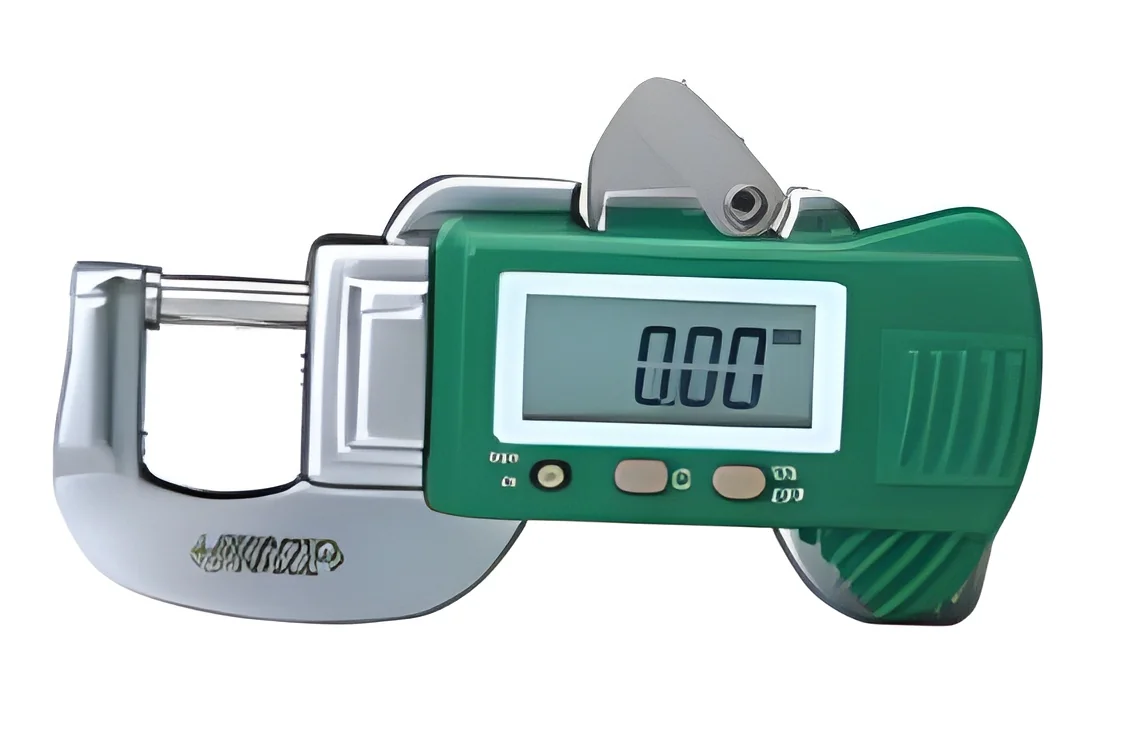
These variants feature digital displays for easy reading and enhanced precision. They are ideal for users who require quick and clear measurement results, especially in high-paced environments.
Deep Throat Micrometers
Designed for measuring larger objects, deep throat micrometers provide extended reach and are useful in situations where standard micrometers cannot easily access the measurement point.
Benefits and Advantages
Outside micrometers offer several benefits that make them valuable tools in precision measurement.
1. High Accuracy: They provide precise measurements, ensuring components meet strict tolerances.
2. Versatility: With a range of sizes and types, they can measure various materials and applications.
3. Ease of Use: Many models feature user-friendly designs, making them simple to operate even for less experienced personnel.
4. Durability: Constructed from high-quality materials, outside micrometers are built to withstand heavy use and maintain accuracy over time.
5. Consistency: With mechanisms like ratchet stops, they ensure repeatable measurements, reducing variability.
6. Compact Size: Their small size makes them easy to handle and store, ideal for workshop environments.
Buying Guide for B2B Buyers
When sourcing outside micrometers, there are essential factors to consider to ensure you select the right product for your needs.
1. Quality Assessment: Look for instruments that meet established quality standards. Verify if they come with calibration certificates and adhere to industry specifications.
2. Supplier Verification: Vet suppliers to ensure they are reputable and have a track record of providing high-quality measuring tools. Check for customer reviews and references.
3. Pricing and MOQ: Understand the pricing structures and minimum order quantities. This helps in budgeting and ensures you meet your operational needs without overcommitting.
4. Delivery and Lead Times: Confirm lead times for delivery to ensure you receive your tools promptly. This is crucial for maintaining workflow in production environments.
5. Compliance Requirements: Be aware of any regulatory needs or compliance standards applicable to your industry. This can affect your choice of micrometers and suppliers.
Compliance and Certifications
Outside micrometers are subject to various quality standards and certifications, which ensure their reliability and accuracy in measurements.
Many outside micrometers comply with ISO 9001 standards, which focus on quality management systems. This certification indicates that the manufacturing processes meet international quality assurance criteria.
In addition, some products may hold CE certification, indicating compliance with European health, safety, and environmental protection standards. This certification is important for products marketed in the European Union.
Safety and testing requirements are also essential, as they ensure that the instruments are safe to use and meet performance expectations. Buyers should verify that their suppliers adhere to these requirements.
Lastly, consider regional compliance factors. Different countries may have specific regulations that affect the use of measuring tools in industrial settings.
Why Source Outside Micrometers from Pepagora?
Pepagora provides an excellent platform for sourcing outside micrometers, offering various key advantages for buyers.
Verified Supplier Network: The platform connects buyers with a network of verified suppliers who have undergone thorough vetting processes. This ensures that buyers can trust the quality of the products they purchase.
Streamlined RFQ Process: Pepagora simplifies the request for quotation process, allowing buyers to receive multiple quotes from different suppliers quickly. This efficiency helps in making informed purchasing decisions.
Trade Assurance and Support: The platform offers trade assurance that protects buyers' interests. In case of disputes or issues, Pepagora provides support to resolve matters effectively.
Regional Coverage: With extensive reach across India, the GCC, and Southeast Asia, Pepagora connects buyers with suppliers in various regions, ensuring accessibility to quality products tailored to specific market needs.

Frequently Asked Questions
What are Outside Micrometers?
Outside micrometers are precision measuring instruments used to measure the external dimensions of an object. They consist of a calibrated screw and a scale, allowing for accurate measurements typically in millimeters or inches.
What are the different types of Outside Micrometers?
There are several types of outside micrometers, including digital micrometers, mechanical micrometers, and micrometers with interchangeable anvils. Each type is designed for specific measuring tasks and offers varying degrees of precision.
How do I choose the right Outside Micrometers?
When choosing outside micrometers, consider the range of measurements required, the level of precision needed, and the type of material being measured. Additionally, evaluate the ease of use and durability of the micrometer.
What are the standard specifications for Outside Micrometers?
Standard specifications for outside micrometers typically include measurement range, resolution, and accuracy. Common ranges are from 0-25 mm, 25-50 mm, and 50-75 mm, with resolutions often at 0.01 mm or 0.001 mm.
What is the price range for Outside Micrometers?
The price range for outside micrometers can vary significantly based on brand, type, and precision level. Generally, prices can start from around INR 1,000 and can go up to INR 10,000 or more for high-end models.
What quality standards apply to Outside Micrometers?
Outside micrometers are often manufactured according to international quality standards such as ISO 9001 or ASME B89. The standards ensure that the instruments meet specific accuracy and reliability requirements.
Where can I find Outside Micrometers suppliers in India?
You can find outside micrometers suppliers in India through online B2B marketplaces like Pepagora, industrial supply stores, or directly from manufacturers. It is advisable to compare multiple suppliers for quality and pricing.
Can Outside Micrometers be customized?
Yes, outside micrometers can be customized to meet specific measurement needs or branding requirements. Customization options may include specific ranges, features, or even branding on the device.
What is the typical minimum order quantity for Outside Micrometers?
The minimum order quantity (MOQ) for outside micrometers varies by supplier and can range from a single unit to several dozen units. It is best to check with the specific supplier for their MOQ policies.
What is the typical lead time for Outside Micrometers?
The typical lead time for outside micrometers can range from a few days to several weeks, depending on the supplier's stock and the order quantity. Custom orders may take longer due to manufacturing and quality checks.
Why Businesses Trust Pepagora
Thousands of companies trust Pepagora to source smarter and sell faster
Expand Your Sales Globally

Source Smarter,Grow Faster
