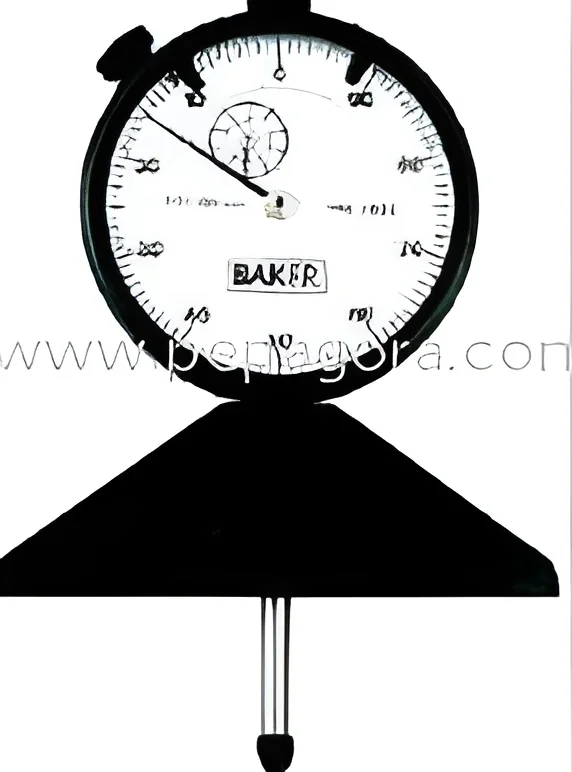
What are Depth Micrometers?
Depth micrometers are precision measuring instruments designed to determine the depth of holes, grooves, and recesses in various materials. They consist of a micrometer screw mechanism that allows for fine adjustments and accurate readings. The main advantage of using a depth micrometer is its ability to provide precise measurements, often down to a thousandth of an inch or millimeter, making them essential tools in manufacturing, engineering, and quality control applications.
These tools are widely used in industries such as metalworking, woodworking, and machining, where precise depth measurements are critical for product quality and consistency. Depth micrometers help ensure that components fit together correctly and meet specified tolerances. Their importance in maintaining product standards makes them a key asset in quality assurance processes across different sectors.
In a competitive market, the demand for depth micrometers continues to grow as industries seek to enhance their measurement accuracy and efficiency. The evolution of these tools has led to innovations in design and materials, enabling manufacturers to offer more reliable and user-friendly options. As industries evolve, depth micrometers remain relevant for maintaining high-quality standards and optimizing production processes.
Key Features and Specifications
Depth micrometers come with various features and specifications that enhance their functionality and accuracy. Understanding these specifications is crucial for selecting the right tool for specific applications.
Key specifications include:
1. Measurement Range
- Depth micrometers typically have a measurement range of 0 to 150 mm or 0 to 6 inches.
- Some models may offer extended ranges depending on the application.
2. Resolution
- The resolution of depth micrometers generally ranges from 0.01 mm to 0.001 mm.
- Higher resolution is essential for precise applications in manufacturing.
3. Calibration
- Calibration is important for ensuring accuracy and is often verified against standard gauges.
- Regular calibration intervals are recommended for maintaining precision.
4. Material Construction
- Depth micrometers are commonly made from durable materials such as steel or stainless steel.
- High-quality construction enhances the lifespan and reliability of the instrument.
5. Anvil Type
- The anvil type can vary, with flat and spherical options available for different applications.
- Choosing the right anvil type affects the measurement accuracy in specific scenarios.
6. Vernier Scale
- Many depth micrometers feature a vernier scale for enhanced reading precision.
- This scale allows users to take finer measurements beyond the main scale.
7. Ergonomics
- Ergonomically designed handles and grips improve user comfort during measurement.
- This feature is especially important for prolonged use in industrial environments.
8. Digital vs. Analog
- Depth micrometers may be analog or digital, with digital models providing easier reading and enhanced features.
- Digital options often come with additional functionalities like data output.
Overall, understanding these specifications helps businesses make informed decisions when purchasing depth micrometers.
Common Applications and Use Cases
Depth micrometers are versatile tools utilized across various industries for a range of applications. Their precision makes them suitable for tasks that require accurate depth measurements.
1. Metalworking: In metal fabrication, depth micrometers are used to measure the depth of cutouts and grooves in machined parts, ensuring they meet design specifications.
2. Woodworking: Carpenters and woodworkers use depth micrometers to check the depth of cuts in wood, contributing to the overall quality of finished products.
3. Automotive: In the automotive sector, these tools help measure the depth of engine components and assembly parts to ensure proper fit and functionality.
4. Aerospace: Precision is critical in aerospace manufacturing, where depth micrometers are employed to measure depths in structural components and assemblies.
5. Tool and Die: In tool and die making, depth micrometers are crucial for ensuring that cavities and features are accurately dimensioned for functionality.
6. Electronics: In electronic component manufacturing, these tools assist in measuring the depth of solder joints and other features to ensure quality and reliability.
7. Quality Control: Depth micrometers are integral in quality control processes across industries, helping to verify that products meet strict dimensional tolerances.
Product Variants and Subcategories
Depth micrometers come in various designs to meet the needs of different industries and applications. This diversity allows businesses to choose the most suitable model for their specific requirements.
Standard Depth Micrometer
This variant is the most commonly used and features a simple design for measuring depths with high accuracy. It is ideal for general-purpose applications in manufacturing and quality control.
Digital Depth Micrometer
Digital depth micrometers offer enhanced functionality with electronic displays for easier reading. They often include features like data output and measurement memory, making them suitable for high-precision tasks.
Mechanical Depth Micrometer
These traditional micrometers rely on mechanical components for measurement. They are durable and reliable, making them a preferred choice in environments where electronic devices may be unsuitable.
Benefits and Advantages
Depth micrometers offer several key benefits that make them invaluable in various industrial applications. Their precision and reliability contribute to improved measurement processes.
1. High Accuracy: Depth micrometers provide precise depth measurements, ensuring that components meet strict quality standards.
2. Versatility: These tools can be used across multiple industries, making them a flexible choice for businesses with diverse measurement needs.
3. User-Friendly: Many models are designed for ease of use, with ergonomic grips and clear scales that enhance measurement efficiency.
4. Durability: Constructed from high-quality materials, depth micrometers are designed to withstand rigorous use in industrial settings.
5. Reduced Errors: The precision of depth micrometers minimizes the risk of measurement errors, leading to fewer product defects and improved quality.
6. Cost-Effectiveness: Investing in accurate measuring tools like depth micrometers can lead to long-term savings by reducing waste and improving production efficiency.
Buying Guide for B2B Buyers
When sourcing depth micrometers for your business, several factors should be considered to ensure you select the right tools for your needs.
1. Quality Assessment: Evaluate the quality of depth micrometers by checking the manufacturer's reputation and product reviews. Look for tools that meet industry standards for accuracy and durability.
2. Supplier Verification: It is essential to vet suppliers to ensure they provide reliable products. Check for certifications and customer feedback to verify their credibility.
3. Pricing and MOQ: Consider the pricing structure and minimum order quantities (MOQ). Compare prices among different suppliers to find the best value while ensuring quality.
4. Delivery and Lead Times: Assess the supplier's logistics capabilities, including delivery timelines. Ensure that the lead times align with your production schedules to avoid delays.
5. Compliance Requirements: Make sure the products comply with relevant industry standards and regulations. This includes quality certifications and safety requirements specific to your sector.
Compliance and Certifications
Depth micrometers must adhere to various compliance and certification standards to ensure quality and safety. These may include:
Relevant Quality Standards: ISO 9001 is a commonly recognized standard that outlines quality management systems. Adherence to this standard ensures that manufacturers maintain consistent quality and improve customer satisfaction.
Industry Certifications: Depth micrometers may carry certifications such as CE, indicating compliance with European safety and health requirements. This certification assures buyers of the product's reliability and safety.
Safety and Testing Requirements: Manufacturers often perform rigorous testing to ensure that their depth micrometers meet safety and performance criteria. This includes checking for accuracy and durability.
Regional Compliance Considerations: Different regions may have specific compliance requirements. It is essential for buyers to be aware of these regulations to ensure that their tools meet local standards.
Why Source Depth Micrometers from Pepagora?
Pepagora is a trusted platform that offers a reliable sourcing solution for depth micrometers. It provides several key advantages for B2B buyers looking for high-quality measuring instruments.
Verified Supplier Network: Pepagora has established a network of verified suppliers that meet stringent quality standards. This gives buyers confidence in the products they are sourcing, ensuring reliable and accurate tools.
Streamlined RFQ Process: The platform features a streamlined Request for Quotation (RFQ) process that simplifies the procurement of depth micrometers. Buyers can easily submit their requirements and receive competitive quotes from multiple suppliers.
Trade Assurance and Support: Pepagora offers trade assurance to protect buyers during the purchasing process. This includes support for order management and dispute resolution, providing peace of mind for businesses.
Regional Coverage: With a strong presence in India, the GCC, and Southeast Asia, Pepagora facilitates sourcing across multiple regions. This broad geographic reach allows businesses to access a diverse range of suppliers and products, enhancing their procurement options.

 IN
IN