
 IN
Calibration Blocks
3 products available
What are Calibration Blocks?
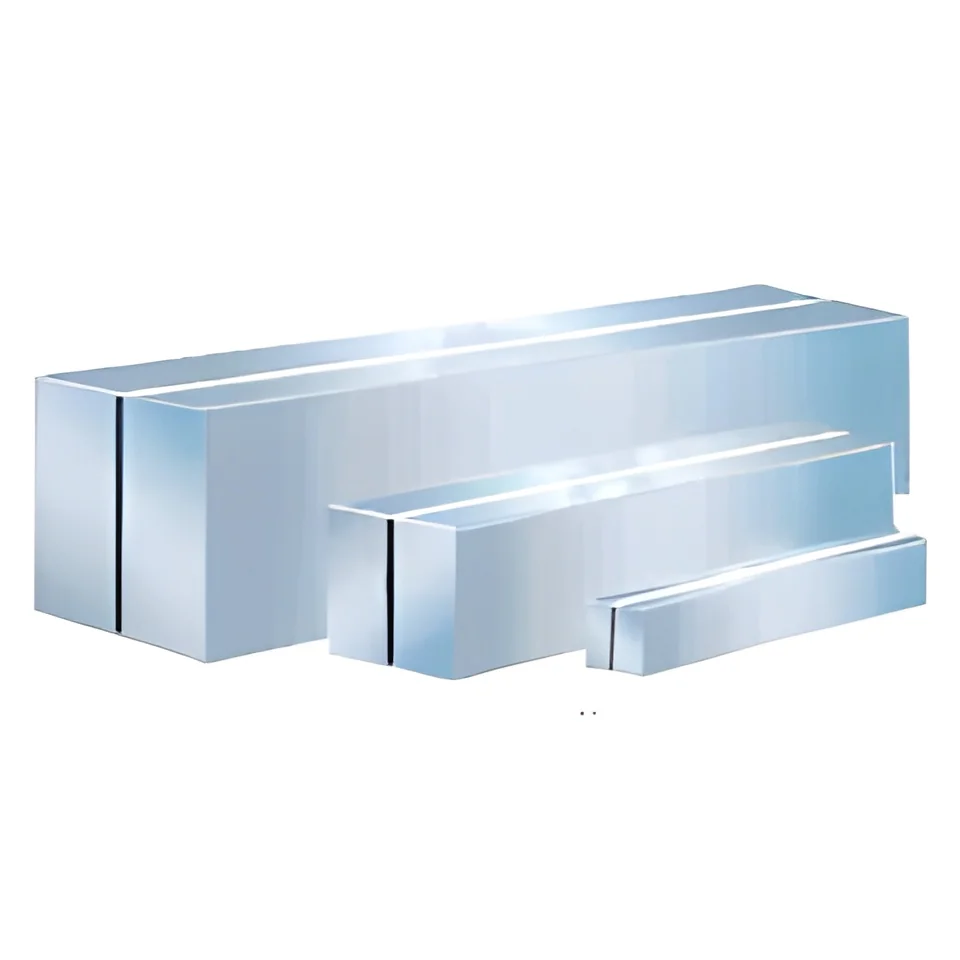
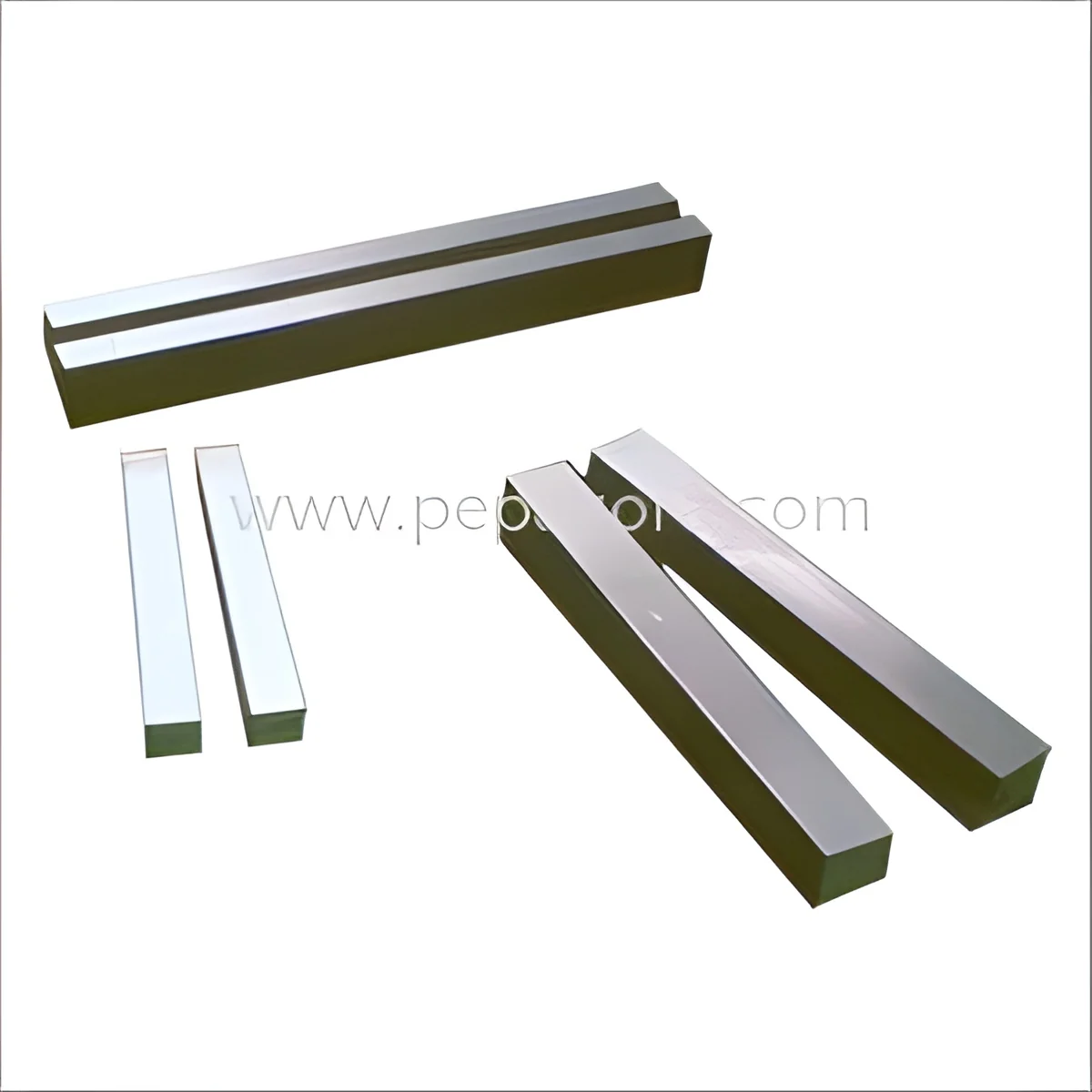
Calibration blocks are precision-engineered components used in various industries to ensure the accuracy of measurement instruments. These blocks serve as reference points for calibrating equipment such as ultrasonic and radiographic testing devices. By providing a known standard, they enable technicians to assess the performance and reliability of the measurement tools being used.
The primary applications of calibration blocks are found in quality control, assurance testing, and maintenance of measurement devices across different sectors. They are essential for industries such as manufacturing, aerospace, and construction, where the precision of measurements is critical. Calibration blocks help maintain compliance with industry standards and ensure that equipment operates within specified tolerances, thus preventing costly errors.
In the current market context, the demand for calibration blocks has steadily increased due to the growing emphasis on quality assurance and regulatory compliance across industries. As businesses seek to enhance their operational efficiency, the use of calibration blocks becomes increasingly relevant in maintaining the integrity and accuracy of their measurement processes.
Key Features and Specifications
Calibration blocks are designed with several critical features that enhance their effectiveness in providing precise measurements. These specifications ensure that the blocks meet the rigorous demands of various testing environments.
Key specifications include:
1. Material Composition
- Typically made from high-density materials such as steel or aluminum
- Provides durability and resistance to wear over time
2. Dimensional Accuracy
- Manufactured to precise tolerances, often within micrometers
- Ensures reliable performance and repeatability in measurements
3. Surface Finish
- Polished surfaces to minimize measurement errors
- Reduces the impact of environmental factors on testing accuracy
4. Weight and Size
- Available in various sizes to accommodate different testing setups
- Weight is optimized for easy handling and placement
5. Certification
- Often certified to meet industry standards such as CE
- Ensures compliance with safety and quality regulations
6. Temperature Stability
- Designed to maintain dimensional integrity across varying temperatures
- Critical for environments where temperature fluctuations are common
7. Customization Options
- Some suppliers offer customized blocks to meet specific requirements
- Tailored solutions for unique applications in various industries
In summary, calibration blocks are essential tools that provide critical specifications necessary for accurate measurement and testing across multiple sectors.
Common Applications and Use Cases
Calibration blocks find applications in a wide variety of industries, each leveraging their precision for quality assurance and compliance.
1. Manufacturing: Used in production lines to calibrate measurement equipment, ensuring that products meet quality standards.
2. Aerospace: Essential for testing and calibrating equipment used in aircraft manufacturing and maintenance, where precision is vital for safety.
3. Construction: Employed to verify the accuracy of measurement tools used in building projects, helping to ensure structural integrity.
4. Automotive: Utilized in testing and calibration of tools and machines involved in vehicle assembly and maintenance.
5. Oil and Gas: Important for calibrating equipment used in exploration and extraction to ensure accurate measurements in hazardous environments.
6. Healthcare: Used in the calibration of medical devices and diagnostic equipment, ensuring accurate patient results.
7. Telecommunications: Applied in the testing of equipment to ensure reliable communication signals and data transmission.
Product Variants and Subcategories
Calibration blocks come in various forms, catering to different testing requirements across industries.
Standard Calibration Blocks
These are commonly used across multiple sectors for general calibration purposes. They are designed to meet standard measurement needs and ensure consistency in testing results.
Specialized Calibration Blocks
Tailored for specific applications, these blocks may feature unique dimensions or material properties. They are ideal for industries that require precise calibration under specific conditions.
Benefits and Advantages
Calibration blocks offer numerous benefits that enhance measurement accuracy and operational efficiency.
1. Improved Accuracy: Ensure precise calibration of measurement tools, reducing the risk of errors in testing.
2. Compliance Assurance: Help companies meet industry standards and regulatory requirements, avoiding penalties.
3. Cost Efficiency: Reduce costs associated with faulty measurements or equipment, leading to better resource management.
4. Enhanced Reliability: Provide consistent results, increasing the trustworthiness of measurement processes.
5. Versatile Applications: Suitable for diverse industries, allowing for seamless integration into existing processes.
6. Quality Maintenance: Support ongoing quality control efforts, ensuring products meet established specifications.
Buying Guide for B2B Buyers
When sourcing calibration blocks, B2B buyers should consider several key factors to make informed decisions.
1. Quality Assessment: Evaluate the quality of materials and manufacturing processes used in calibration blocks. Look for certifications and standards that indicate high performance and reliability.
2. Supplier Verification: Vet suppliers thoroughly to ensure they have a proven track record in providing quality calibration blocks. Check for customer reviews and industry reputation.
3. Pricing and MOQ: Understand the cost structure and minimum order quantities offered by suppliers. Compare prices while considering the quality and features of the blocks.
4. Delivery and Lead Times: Inquire about logistics and delivery timelines to ensure that calibration blocks arrive when needed without disruptions to operations.
5. Compliance Requirements: Ensure that calibration blocks meet any specific regulatory requirements relevant to your industry. This may include certifications and adherence to safety standards.
Compliance and Certifications
Calibration blocks must adhere to several quality standards and certifications to ensure their reliability and safety in various applications.
Relevant quality standards such as ISO 9001 provide guidelines for quality management systems, ensuring consistency in manufacturing processes. These standards help organizations maintain high levels of quality across their products.
Industry certifications, such as CE, indicate that calibration blocks meet essential health, safety, and environmental protection standards. This certification is crucial for ensuring that products are compliant with European regulations.
Safety and testing requirements are paramount in the production of calibration blocks. Manufacturers must ensure that blocks undergo rigorous testing to verify their performance and accuracy.
Regional compliance considerations vary, depending on the market in which calibration blocks are used. Buyers should be aware of any specific local regulations that may affect the use and certification of calibration blocks in their region.
Why Source Calibration Blocks from Pepagora?
Pepagora provides a trusted platform for sourcing calibration blocks, offering numerous advantages to B2B buyers.
Verified Supplier Network: Pepagora features a robust network of verified suppliers, ensuring that buyers can access high-quality calibration blocks from reputable manufacturers. This network fosters transparency and trust in the sourcing process.
Streamlined RFQ Process: The platform simplifies the request for quotation process, allowing buyers to efficiently compare offers from different suppliers. This streamlining helps in making quicker and more informed purchasing decisions.
Trade Assurance and Support: Pepagora offers buyer protection through its trade assurance program. This commitment to customer satisfaction ensures that buyers receive the products as described and in a timely manner.
Regional Coverage: Pepagora has a wide geographic reach, serving customers in India, the GCC, and Southeast Asia. This extensive coverage allows businesses to source calibration blocks that meet their specific needs, regardless of location.

Frequently Asked Questions
What are Calibration Blocks?
Calibration Blocks are precision-made reference standards used in various testing and measurement applications. They are typically utilized to calibrate ultrasonic testing equipment and ensure accurate measurements in non-destructive testing.
What are the different types of Calibration Blocks?
There are several types of Calibration Blocks, including flat bottom holes, notches, and step blocks. Each type serves specific purposes and is designed to test different aspects of ultrasonic equipment performance.
How do I choose the right Calibration Blocks?
Choosing the right Calibration Blocks depends on the specific testing requirements and the type of equipment being used. Consider factors such as the material, size, and the type of flaws you need to simulate for accurate calibration.
What are the standard specifications for Calibration Blocks?
Standard specifications for Calibration Blocks often include dimensions, material composition, and tolerance levels. These specifications ensure consistency and reliability across different testing procedures.
What is the price range for Calibration Blocks?
The price range for Calibration Blocks can vary significantly based on factors such as type, material, and manufacturer. Generally, prices may range from a few hundred to several thousand Indian Rupees.
What quality standards apply to Calibration Blocks?
Calibration Blocks must comply with various quality standards, including ISO and ASTM specifications. Adhering to these standards ensures that the blocks provide accurate and reliable calibration for testing equipment.
Where can I find Calibration Blocks suppliers in India?
You can find Calibration Blocks suppliers in India through online B2B marketplaces like Pepagora.com. These platforms list numerous manufacturers and suppliers, allowing you to compare options and find suitable products.
Can Calibration Blocks be customized?
Yes, Calibration Blocks can often be customized to meet specific requirements. Many manufacturers offer tailored solutions based on your testing needs, including size, material, and flaw configurations.
What is the typical minimum order quantity for Calibration Blocks?
The typical minimum order quantity (MOQ) for Calibration Blocks varies by supplier and product type. It is advisable to check with individual manufacturers for their specific MOQ requirements.
What is the typical lead time for Calibration Blocks?
The typical lead time for Calibration Blocks can range from a few days to several weeks, depending on the supplier and whether the blocks are standard or custom-made. Always confirm lead times with the supplier before placing an order.
Why Businesses Trust Pepagora
Thousands of companies trust Pepagora to source smarter and sell faster
Expand Your Sales Globally

Source Smarter,Grow Faster
