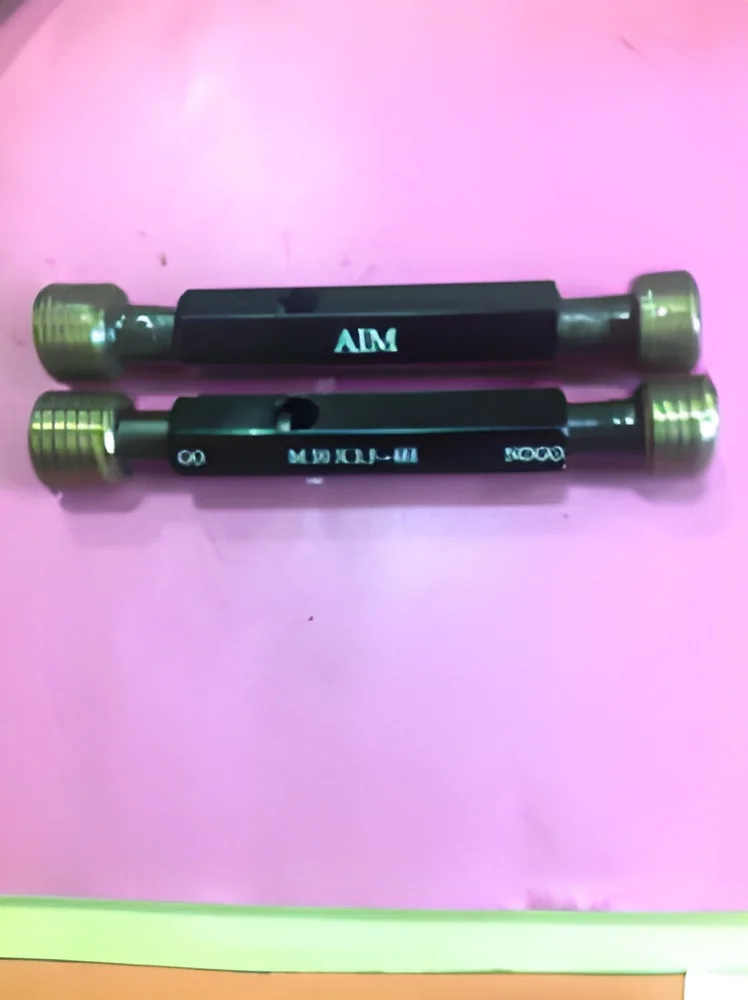
𝗪𝗵𝗮𝘁 𝗮𝗿𝗲 𝗧𝗵𝗿𝗲𝗮𝗱 𝗚𝗮𝘂𝗴𝗲𝘀?
Thread gauges are precision tools used to measure the size and pitch of threads in various materials. They serve as essential instruments in manufacturing and quality assurance processes, ensuring that threaded components meet specific tolerances and standards. These gauges help determine whether a threaded part is within the acceptable limits for fit and function.
Thread gauges are widely used in industries such as automotive, aerospace, and manufacturing, where threaded components are critical. Their primary application includes checking the accuracy of threaded parts to ensure they fit properly with corresponding components. This is crucial in maintaining the quality and functionality of products in various applications, from machinery to consumer goods. The relevance of thread gauges continues to grow as industries demand higher precision and quality control in their manufacturing processes.
𝗞𝗲𝘆 𝗙𝗲𝗮𝘁𝘂𝗿𝗲𝘀 𝗮𝗻𝗱 𝗦𝗽𝗲𝗰𝗶𝗳𝗶𝗰𝗮𝘁𝗶𝗼𝗻𝘀
Thread gauges come with several key features that enhance their functionality and usability. Understanding these specifications is crucial for selecting the right gauge for your needs.
Key specifications include:
1. Measurement Type
- Thread gauges can be either plug gauges or ring gauges.
- Plug gauges check internal threads, while ring gauges assess external threads.
2. Thread Pitch
- Available in various pitches to match different thread standards.
- Common pitches include metric, unified, and pipe threads.
3. Material Composition
- Typically made from high-carbon steel or tool steel for durability.
- Some gauges may have surface coatings for enhanced corrosion resistance.
4. Tolerance Levels
- Tolerance specifications ensure conformity to industry standards.
- Common tolerance levels include class 1, class 2, and class 3.
5. Calibration Standards
- Many gauges are calibrated according to international standards such as ISO.
- Regular calibration ensures ongoing accuracy in measurements.
6. Size Range
- Available in a wide range of sizes to accommodate various applications.
- Sizes can range from small precision threads to larger industrial applications.
7. Ease of Use
- Designed for quick and easy measurement.
- Many gauges feature ergonomic designs for comfortable handling.
8. Inspection Markings
- Gauges often include markings that indicate their specifications.
- Clear markings help ensure proper usage and identification.
In summary, thread gauges are essential tools for ensuring the quality of threaded components across various industries. Their diverse features and specifications cater to a wide range of applications, making them invaluable for quality control.
𝗖𝗼𝗺𝗺𝗼𝗻 𝗔𝗽𝗽𝗹𝗶𝗰𝗮𝘁𝗶𝗼𝗻𝘀 𝗮𝗻𝗱 𝗨𝘀𝗲 𝗖𝗮𝘀𝗲𝘀
Thread gauges are utilized in multiple sectors, each with specific applications that highlight their importance.
1. Automotive Industry: Thread gauges are used to check the fit of bolts and nuts in vehicles. Ensuring proper threading is crucial for the safety and reliability of automotive components.
2. Aerospace Industry: In aerospace manufacturing, thread gauges help verify that threaded parts meet strict safety standards. This is vital for ensuring the integrity of aircraft components.
3. Manufacturing: Thread gauges are commonly used in manufacturing processes where threaded parts are produced. They help maintain consistency and quality in production runs.
4. Construction: In construction, thread gauges are used to ensure that fasteners meet the required specifications for structural integrity in buildings and infrastructure.
5. Oil and Gas: In the oil and gas industry, thread gauges are critical for assessing the threading of pipes and fittings that handle high-pressure applications.
6. Electronics: Thread gauges are employed in the electronics industry for checking precision threads in devices and components, ensuring proper assembly and functionality.
7. Medical Devices: In medical device manufacturing, thread gauges ensure that threaded components comply with regulatory standards, which is essential for safety in medical applications.
𝗣𝗿𝗼𝗱𝘂𝗰𝘁 𝗩𝗮𝗿𝗶𝗮𝗻𝘁𝘀 𝗮𝗻𝗱 𝗦𝘂𝗯𝗰𝗮𝘁𝗲𝗴𝗼𝗿𝗶𝗲𝘀
Thread gauges come in various forms, providing solutions for different measurement needs.
Plug Gauges: These gauges are specifically designed for measuring internal threads. They ensure that the internal threading of components meets the required specifications, crucial for parts that must fit precisely together.
Ring Gauges: Ring gauges are used for measuring external threads. They are essential in verifying the dimensions of bolts and other externally threaded components to ensure compatibility with other parts.
Calibration Gauges: Calibration gauges are specialized tools used to verify the accuracy of other gauges. They are important for maintaining quality control and ensuring that all measurement tools provide reliable results.
Digital Thread Gauges: These modern gauges offer electronic readouts for enhanced accuracy and ease of use. They can provide precise measurements and are often equipped with features for data storage and analysis.
𝗕𝗲𝗻𝗲𝗳𝗶𝘁𝘀 𝗮𝗻𝗱 𝗔𝗱𝘃𝗮𝗻𝘁𝗮𝗴𝗲𝘀
Thread gauges provide numerous benefits that contribute to improved quality control in manufacturing processes.
1. Precision Measurement: Thread gauges offer accurate measurements, ensuring that threaded components meet specified tolerances and standards.
2. Quality Assurance: By verifying the integrity of threaded parts, thread gauges help maintain high quality in manufacturing processes, reducing the risk of defects.
3. Enhanced Productivity: The quick and easy use of thread gauges speeds up the inspection process, allowing for more efficient production cycles.
4. Cost-Effectiveness: Investing in reliable thread gauges can reduce costs associated with rework and defects, ultimately saving money for businesses.
5. Versatility: With various types of gauges available, businesses can find solutions tailored to their specific applications across multiple industries.
6. Compliance Support: Thread gauges help businesses comply with industry standards and regulations, ensuring that products meet necessary safety and performance criteria.
𝗕𝘂𝘆𝗶𝗻𝗴 𝗚𝘂𝗶𝗱𝗲 𝗳𝗼𝗿 𝗕𝟮𝗕 𝗕𝘂𝘆𝗲𝗿𝘀
When sourcing thread gauges, several factors should be considered to ensure you select the right products for your needs.
1. Quality Assessment: Evaluate the quality of the gauges by reviewing manufacturer certifications and compliance with industry standards. High-quality materials and construction are essential for accuracy.
2. Supplier Verification: Vet potential suppliers by checking their reputation, customer reviews, and track record in the industry. A reliable supplier can ensure consistent product quality.
3. Pricing and MOQ: Compare pricing across different suppliers while also considering minimum order quantities (MOQ). Ensure that the pricing is competitive without sacrificing quality.
4. Delivery and Lead Times: Discuss logistics with suppliers to understand their delivery capabilities and lead times. Reliable delivery is critical for maintaining production schedules.
5. Compliance Requirements: Verify that the thread gauges meet any regulatory compliance requirements relevant to your industry. This is essential for ensuring product safety and reliability.
𝗖𝗼𝗺𝗽𝗹𝗶𝗮𝗻𝗰𝗲 𝗮𝗻𝗱 𝗖𝗲𝗿𝘁𝗶𝗳𝗶𝗰𝗮𝘁𝗶𝗼𝗻𝘀
Thread gauges must adhere to various quality standards and certifications to ensure accuracy and reliability. Key standards include ISO 9001, which outlines requirements for quality management systems. This standard ensures that manufacturers maintain high-quality processes throughout production.
Industry certifications, such as CE marking, indicate that the product complies with European health, safety, and environmental protection standards. This certification is essential for businesses operating in or exporting to European markets.
Safety and testing requirements are also crucial, as they help ensure that the gauges perform accurately under different conditions. Regular testing is necessary to maintain compliance and ensure the functionality of the gauges.
Regional compliance considerations may vary, so it is vital to understand local regulations that could impact the use of thread gauges in specific industries. Compliance with these requirements helps businesses avoid legal issues and enhances their reputation in the market.
𝗪𝗵𝘆 𝗦𝗼𝘂𝗿𝗰𝗲 𝗧𝗵𝗿𝗲𝗮𝗱 𝗚𝗮𝘂𝗴𝗲𝘀 𝗳𝗿𝗼𝗺 𝗣𝗲𝗽𝗮𝗴𝗼𝗿𝗮?
Pepagora provides a trusted platform for sourcing thread gauges with several key advantages.
Verified Supplier Network: Pepagora has established a network of verified suppliers, ensuring that buyers can access high-quality products from reputable manufacturers. This reduces the risk associated with sourcing from unknown suppliers.
Streamlined RFQ Process: The platform offers a straightforward request for quotation (RFQ) process, allowing buyers to submit their requirements easily. This streamlines the procurement process and helps buyers receive competitive pricing.
Trade Assurance and Support: Pepagora provides trade assurance to protect buyers during transactions. This support enhances trust and ensures that buyers can source thread gauges with confidence.
Regional Coverage: With a strong presence in regions like India, the GCC, and Southeast Asia, Pepagora offers extensive geographic reach. This allows businesses to connect with local suppliers, facilitating faster and more efficient sourcing.

 IN
IN