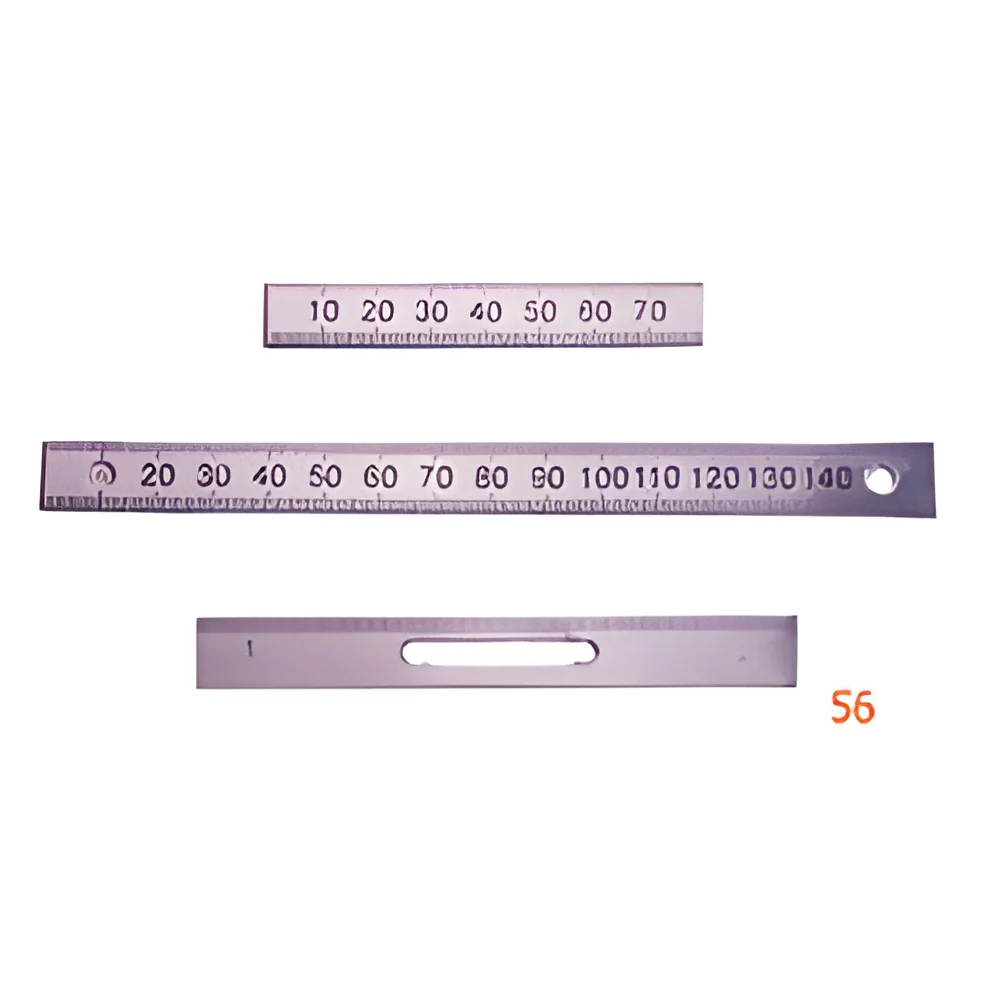
𝗪𝗵𝗮𝘁 𝗮𝗿𝗲 𝗛𝗲𝗶𝗴𝗵𝘁 𝗚𝗮𝘂𝗴𝗲𝘀?
Height gauges are precision measuring instruments used to determine vertical dimensions in manufacturing and engineering settings. They are designed to measure the height of an object or feature from a reference plane, such as a surface plate. Typically, these gauges consist of a base, a vertical beam, and a measuring arm that can be adjusted to various heights. The precision of height gauges can vary, making them essential tools in applications requiring accurate measurements.
These instruments find primary use in industries such as machining, metal fabrication, and quality control. Height gauges are commonly used to measure the height of parts and components, ensuring they meet specific tolerances and specifications. Businesses often rely on these gauges during the inspection phase of production to maintain quality standards and comply with industry regulations. In today's competitive market, the relevance of height gauges is underscored by the demand for accuracy in manufacturing processes across various sectors.
𝗞𝗲𝘆 𝗙𝗲𝗮𝘁𝘂𝗿𝗲𝘀 𝗮𝗻𝗱 𝗦𝗽𝗲𝗰𝗶𝗳𝗶𝗰𝗮𝘁𝗶𝗼𝗻𝘀
Height gauges are equipped with several key features that enhance their usability and accuracy. Understanding these specifications is crucial for selecting the right height gauge for specific applications.
Key specifications include:
1. Measurement Range
- Height gauges typically offer a measurement range from 0 to 1000 mm or more.
- Depending on the model, ranges can vary, accommodating different industrial needs.
2. Resolution
- The resolution of height gauges can be as fine as 0.01 mm.
- Higher resolution allows for more precise measurements, critical in quality control.
3. Repeatability
- Height gauges provide repeatability within ±0.02 mm.
- This feature ensures consistent measurements over multiple uses.
4. Base Type
- Height gauges may feature a flat or V-shaped base.
- The base type affects stability and application suitability on various surfaces.
5. Display Type
- Many modern height gauges include digital displays for easier reading.
- Analog options are also available, preferred in certain traditional settings.
6. Material Construction
- Height gauges are typically made from stainless steel or aluminum.
- Material choice impacts durability and weight, which can affect usability.
7. Calibration
- Calibration is essential for maintaining measurement accuracy.
- Regular calibration intervals should be followed as per manufacturer guidelines.
8. Portable Options
- Some height gauges are designed for portability, suitable for on-site measurements.
- These models often include protective cases and lightweight materials for ease of transport.
In summary, understanding the key features and specifications of height gauges can significantly impact their effectiveness in various applications. Choosing the right model based on these specifications ensures accurate and reliable measurements.
𝗖𝗼𝗺𝗺𝗼𝗻 𝗔𝗽𝗽𝗹𝗶𝗰𝗮𝘁𝗶𝗼𝗻𝘀 𝗮𝗻𝗱 𝗨𝘀𝗲 𝗖𝗮𝘀𝗲𝘀
Height gauges serve a variety of industries, providing essential measurement capabilities.
1. Manufacturing: In manufacturing, height gauges are used to ensure the precise height of components during the production process. This is vital for maintaining tolerances and quality assurance.
2. Aerospace: The aerospace industry relies on height gauges to measure critical part dimensions. Accurate measurements are crucial to ensuring safety and performance in aircraft components.
3. Automotive: In automotive manufacturing, height gauges are utilized for measuring engine parts and assemblies. Ensuring correct height specifications contributes to overall vehicle performance.
4. Metalworking: Metal fabrication shops use height gauges to check the dimensions of machined parts. This helps maintain quality and consistency in products.
5. Electronics: The electronics industry employs height gauges to measure the dimensions of circuit boards and components. Precision is key to ensuring proper fit and function in electronic devices.
6. Construction: In construction, height gauges can be used to measure structural components. This ensures that materials meet required specifications for safety and stability.
7. Quality Control: Height gauges play a significant role in quality control processes across various industries, guaranteeing that products comply with regulatory standards.
𝗣𝗿𝗼𝗱𝘂𝗰𝘁 𝗩𝗮𝗿𝗶𝗮𝗻𝘁𝘀 𝗮𝗻𝗱 𝗦𝘂𝗯𝗰𝗮𝘁𝗲𝗴𝗼𝗿𝗶𝗲𝘀
Height gauges come in various types, each suited for specific applications and user needs.
Digital Height Gauge
Digital height gauges offer electronic measurement displays, providing ease of reading and high accuracy. They often feature advanced functionalities such as data logging and connectivity options for further analysis.
Mechanical Height Gauge
Mechanical height gauges are traditional tools that operate without electronic displays. They are known for their robustness and reliability in rugged environments, making them suitable for fieldwork.
Universal Height Gauge
Universal height gauges come with additional features, such as interchangeable measuring arms. This versatility allows users to adapt the tool for various measurement tasks, enhancing its functionality.
𝗕𝗲𝗻𝗲𝗳𝗶𝘁𝘀 𝗮𝗻𝗱 𝗔𝗱𝘃𝗮𝗻𝘁𝗮𝗴𝗲𝘀
Height gauges provide several key benefits that make them indispensable tools in various industries.
1. Precision Measurement: Height gauges offer high accuracy, ensuring that measurements are reliable and meet industry standards.
2. Versatility: These instruments can be used in multiple applications, from manufacturing to quality control, making them versatile tools in any workshop.
3. User-Friendly: Many height gauges feature easy-to-read displays and simple operations, making them accessible for users of all skill levels.
4. Enhanced Quality Control: Height gauges play a crucial role in quality assurance processes, helping businesses maintain high standards and compliance.
5. Durable Construction: Most height gauges are made from robust materials, ensuring longevity and reliability even in demanding environments.
6. Cost-Effective: Investing in a quality height gauge reduces the risk of measurement errors, leading to cost savings over time through improved quality and reduced waste.
𝗕𝘂𝘆𝗶𝗻𝗴 𝗚𝘂𝗶𝗱𝗲 𝗳𝗼𝗿 𝗕𝟮𝗕 𝗕𝘂𝘆𝗲𝗿𝘀
When sourcing height gauges, several factors should be considered to ensure you make an informed purchase.
1. Quality Assessment: Evaluate the quality of height gauges by considering brand reputation, user reviews, and industry certifications. High-quality gauges are essential for maintaining accuracy.
2. Supplier Verification: Conduct thorough checks on potential suppliers. Look for those with a proven track record in the industry and positive customer feedback to ensure reliability.
3. Pricing and MOQ: Understand the pricing structure and minimum order quantities offered by suppliers. Assessing these factors helps in budgeting and ensures you get the best value.
4. Delivery and Lead Times: Confirm delivery schedules and lead times with suppliers to ensure that your production timelines are met. Timely delivery is crucial for maintaining workflow.
5. Compliance Requirements: Be aware of any regulatory requirements or industry standards that must be met. Ensuring compliance protects your business and promotes quality.
𝗖𝗼𝗺𝗽𝗹𝗶𝗮𝗻𝗰𝗲 𝗮𝗻𝗱 𝗖𝗲𝗿𝘁𝗶𝗳𝗶𝗰𝗮𝘁𝗶𝗼𝗻𝘀
Height gauges must adhere to relevant quality standards to ensure accuracy and reliability in measurements. ISO 9001 is a significant standard that outlines quality management systems. Compliance with this standard indicates that a manufacturer consistently meets customer and regulatory requirements.
Additionally, height gauges may carry CE certification, indicating they meet European safety and environmental standards. This certification is particularly important when sourcing products for use in the European market.
Safety and testing requirements must also be considered. Height gauges should undergo rigorous testing to ensure they provide accurate measurements. Regional compliance considerations may vary, so it is essential to verify local regulations before sourcing.
𝗪𝗵𝘆 𝗦𝗼𝘂𝗿𝗰𝗲 𝗛𝗲𝗶𝗴𝗵𝘁 𝗚𝗮𝘂𝗴𝗲𝘀 𝗳𝗿𝗼𝗺 𝗣𝗲𝗽𝗮𝗴𝗼𝗿𝗮?
Pepagora provides a trusted platform for sourcing height gauges, offering several key advantages for B2B buyers.
Verified Supplier Network: Pepagora has established a network of verified suppliers, ensuring that buyers can confidently source high-quality height gauges. These suppliers undergo stringent checks to guarantee reliability.
Streamlined RFQ Process: The request for quotation (RFQ) process on Pepagora is designed to be user-friendly, allowing buyers to easily compare offers and select the best option for their needs. This efficiency saves time and effort in sourcing.
Trade Assurance and Support: Pepagora offers trade assurance, providing buyer protection for transactions. This support builds trust and confidence in the purchasing process.
Regional Coverage: With a strong presence in India, the GCC, and Southeast Asia, Pepagora offers extensive regional coverage. This geographic reach enables buyers to access a wide range of height gauges catering to their local needs.

 IN
IN