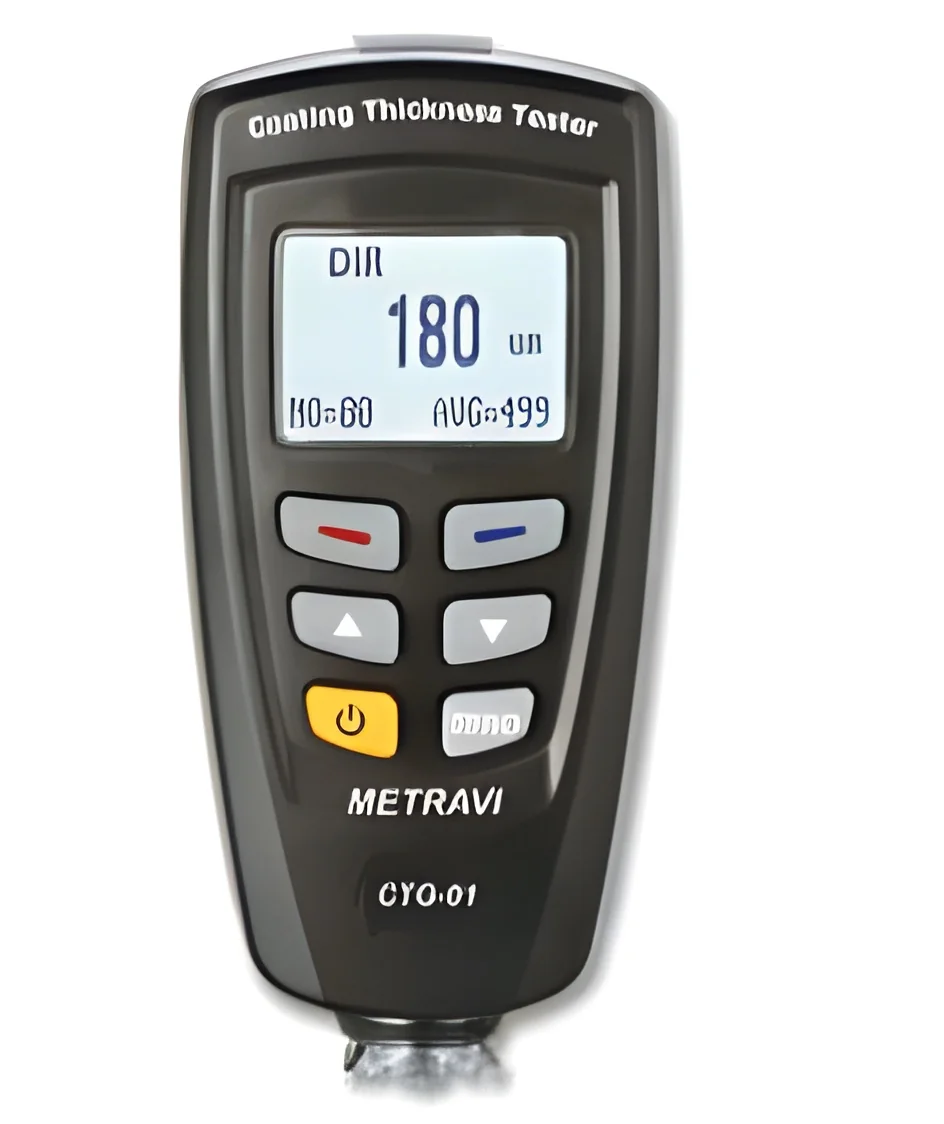
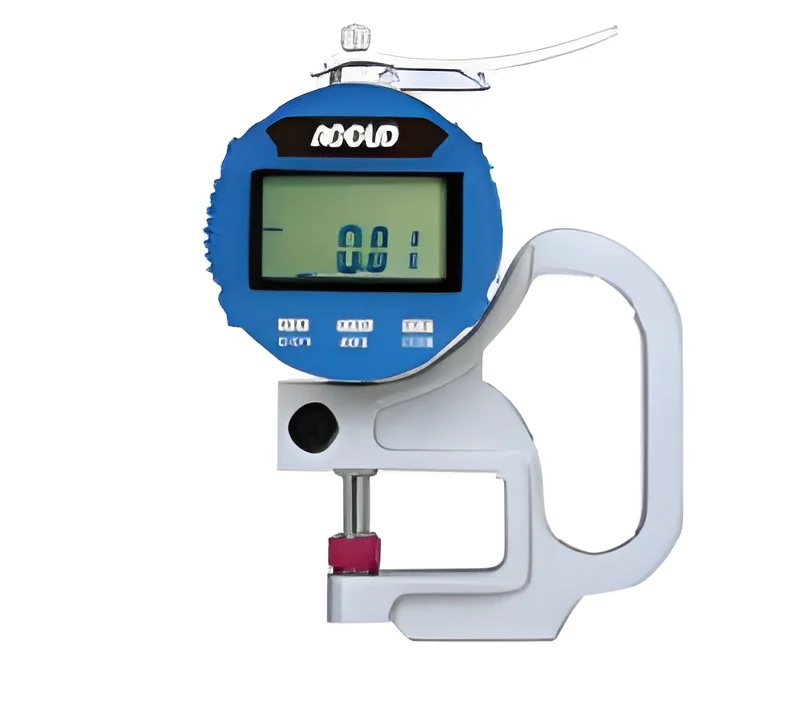
𝗪𝗵𝗮𝘁 𝗮𝗿𝗲 𝗠𝗮𝗴𝗻𝗲𝘁𝗶𝗰 𝗚𝗮𝘂𝗴𝗲𝘀?
Magnetic gauges are precision instruments used to measure various physical parameters in industrial applications. They utilize magnetic fields to provide accurate readings of parameters such as pressure, level, and flow within a system. The core principle behind these gauges is the interaction between the magnetic field and the measurement fluid, allowing for reliable and real-time monitoring.
These gauges find extensive use in diverse sectors including manufacturing, oil and gas, and chemical processing. In these industries, they play a critical role in ensuring operational efficiency, safety, and compliance with regulatory standards. Their ability to provide immediate feedback is essential for maintaining optimal performance and preventing system failures. As industries increasingly focus on automation and process optimization, the demand for magnetic gauges is expected to rise.
𝗞𝗲𝘆 𝗙𝗲𝗮𝘁𝘂𝗿𝗲𝘀 𝗮𝗻𝗱 𝗦𝗽𝗲𝗰𝗶𝗳𝗶𝗰𝗮𝘁𝗶𝗼𝗻𝘀
Magnetic gauges come equipped with several features that enhance their functionality and reliability. These features ensure that they are suited for a variety of demanding environments and applications.
Key specifications include:
1. Measurement Range
- Magnetic gauges can measure a wide range of parameters depending on the application, typically spanning from low to high values.
2. Accuracy
- The accuracy of magnetic gauges is critical, often expressed as a percentage of the full scale, ensuring reliable readings.
3. Material Construction
- Magnetic gauges are commonly constructed from durable materials such as stainless steel or other corrosion-resistant alloys to withstand harsh environments.
4. Operating Temperature
- These gauges are designed to operate effectively within specified temperature limits, ensuring functionality in extreme conditions.
5. Pressure Rating
- They are built to handle various pressure levels, making them suitable for different applications.
6. Calibration
- Magnetic gauges can be calibrated for precision, allowing users to maintain accuracy over time.
7. Installation Flexibility
- Many models offer flexible installation options, accommodating various system designs.
8. Safety Features
- Safety mechanisms are often integrated to prevent failures and ensure safe operation within industrial settings.
In summary, magnetic gauges are designed with features that enhance their reliability and performance in various industrial applications.
𝗖𝗼𝗺𝗺𝗼𝗻 𝗔𝗽𝗽𝗹𝗶𝗰𝗮𝘁𝗶𝗼𝗻𝘀 𝗮𝗻𝗱 𝗨𝘀𝗲 𝗖𝗮𝘀𝗲𝘀
Magnetic gauges serve a wide range of industries, providing critical measurement capabilities for multiple applications.
1. Oil and Gas: In this sector, magnetic gauges are used for monitoring fluid levels in tanks and pipelines, helping to ensure safe and efficient operations.
2. Chemical Processing: These gauges play a vital role in measuring the levels of corrosive substances in storage and processing tanks, ensuring compliance with safety regulations.
3. Water Treatment: Magnetic gauges are employed to monitor water levels and flow rates in treatment plants, aiding in efficient resource management.
4. Food and Beverage: In this industry, they help maintain quality control by monitoring liquid levels during production processes.
5. Manufacturing: Magnetic gauges are used to measure coolant levels in machines, contributing to optimal performance and longevity of equipment.
6. HVAC Systems: They are utilized to monitor refrigerant levels and pressures, ensuring efficient climate control.
7. Pharmaceuticals: In this sector, they assist in maintaining precise measurements of liquids in various stages of production.
𝗣𝗿𝗼𝗱𝘂𝗰𝘁 𝗩𝗮𝗿𝗶𝗮𝗻𝘁𝘀 𝗮𝗻𝗱 𝗦𝘂𝗯𝗰𝗮𝘁𝗲𝗴𝗼𝗿𝗶𝗲𝘀
Magnetic gauges come in various configurations to meet specific operational needs.
Standard Magnetic Gauge
This variant provides essential measurement capabilities for standard applications, featuring a robust design suitable for a range of industrial environments.
Digital Magnetic Gauge
This variant integrates digital displays for enhanced readability and ease of use, making it ideal for applications where precision is critical.
Wireless Magnetic Gauge
This advanced variant offers wireless connectivity, allowing for remote monitoring and data logging, which is beneficial in complex systems.
Customized Magnetic Gauge
Some manufacturers offer customized solutions tailored to meet specific user requirements, enhancing versatility in application.
𝗕𝗲𝗻𝗲𝗳𝗶𝘁𝘀 𝗮𝗻𝗱 𝗔𝗱𝘃𝗮𝗻𝘁𝗮𝗴𝗲𝘀
Magnetic gauges deliver numerous advantages that make them essential tools in industrial settings.
1. High Accuracy: These gauges provide precise measurements, helping to reduce errors in monitoring and control processes.
2. Durability: Built from robust materials, magnetic gauges are designed to withstand harsh environments, ensuring longevity and reliability.
3. Real-time Monitoring: They offer immediate feedback on measurements, aiding in quick decision-making and operational efficiency.
4. Low Maintenance: Magnetic gauges typically require minimal maintenance, reducing downtime and operational costs.
5. Versatility: Suitable for various applications across multiple industries, they can adapt to different operational requirements.
6. Safety Assurance: Many models include safety features that help prevent accidents and ensure compliance with regulatory standards.
𝗕𝘂𝘆𝗶𝗻𝗴 𝗚𝘂𝗶𝗱𝗲 𝗳𝗼𝗿 𝗕𝟮𝗕 𝗕𝘂𝘆𝗲𝗿𝘀
When sourcing magnetic gauges, it is important for businesses to consider several critical factors.
1. Quality Assessment: Evaluate the quality of materials and construction. Look for gauges that comply with industry standards to ensure reliability.
2. Supplier Verification: Research potential suppliers to ensure they have a good reputation and meet quality assurance protocols.
3. Pricing and MOQ: Understand the pricing structure and minimum order quantities to align with budgetary constraints.
4. Delivery and Lead Times: Assess the logistics and timelines for delivery to ensure that the gauges can be sourced in a timely manner.
5. Compliance Requirements: Be aware of regulatory standards and certifications required for the specific applications of the gauges.
𝗖𝗼𝗺𝗽𝗹𝗶𝗮𝗻𝗰𝗲 𝗮𝗻𝗱 𝗖𝗲𝗿𝘁𝗶𝗳𝗶𝗰𝗮𝘁𝗶𝗼𝗻𝘀
Magnetic gauges are subject to various quality and safety standards to ensure their reliability and effectiveness in industrial applications.
ISO 9001 is a key standard that outlines quality management practices, ensuring that manufacturers maintain high levels of quality in their production processes.
CE certification is also significant, indicating that the products meet European safety and environmental protection requirements.
Additionally, compliance with safety and testing requirements is critical to ensure that the gauges can withstand the pressures and conditions of industrial environments.
Regional compliance considerations may vary, so it is essential to understand the specific regulations applicable in different markets.
𝗪𝗵𝘆 𝗦𝗼𝘂𝗿𝗰𝗲 𝗠𝗮𝗴𝗻𝗲𝘁𝗶𝗰 𝗚𝗮𝘂𝗴𝗲𝘀 𝗳𝗿𝗼𝗺 𝗣𝗲𝗽𝗮𝗴𝗼𝗿𝗮?
Pepagora provides a trusted platform for sourcing magnetic gauges, offering several key advantages to buyers.
Verified Supplier Network: Pepagora connects buyers with a network of verified suppliers, ensuring that businesses can access high-quality products from reputable manufacturers.
Streamlined RFQ Process: The platform features an efficient request for quotation process, simplifying the procurement of magnetic gauges and allowing buyers to easily compare options.
Trade Assurance and Support: Buyers benefit from trade assurance measures and support, ensuring protection throughout the purchasing process and fostering trust in transactions.
Regional Coverage: With a strong presence in regions such as India, the GCC, and Southeast Asia, Pepagora facilitates access to magnetic gauges across diverse markets, enhancing sourcing opportunities.

 IN
IN