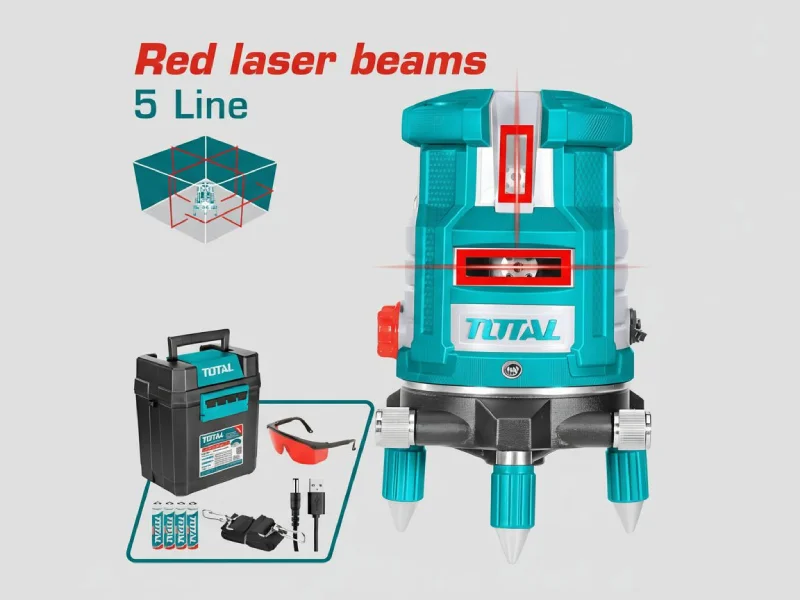
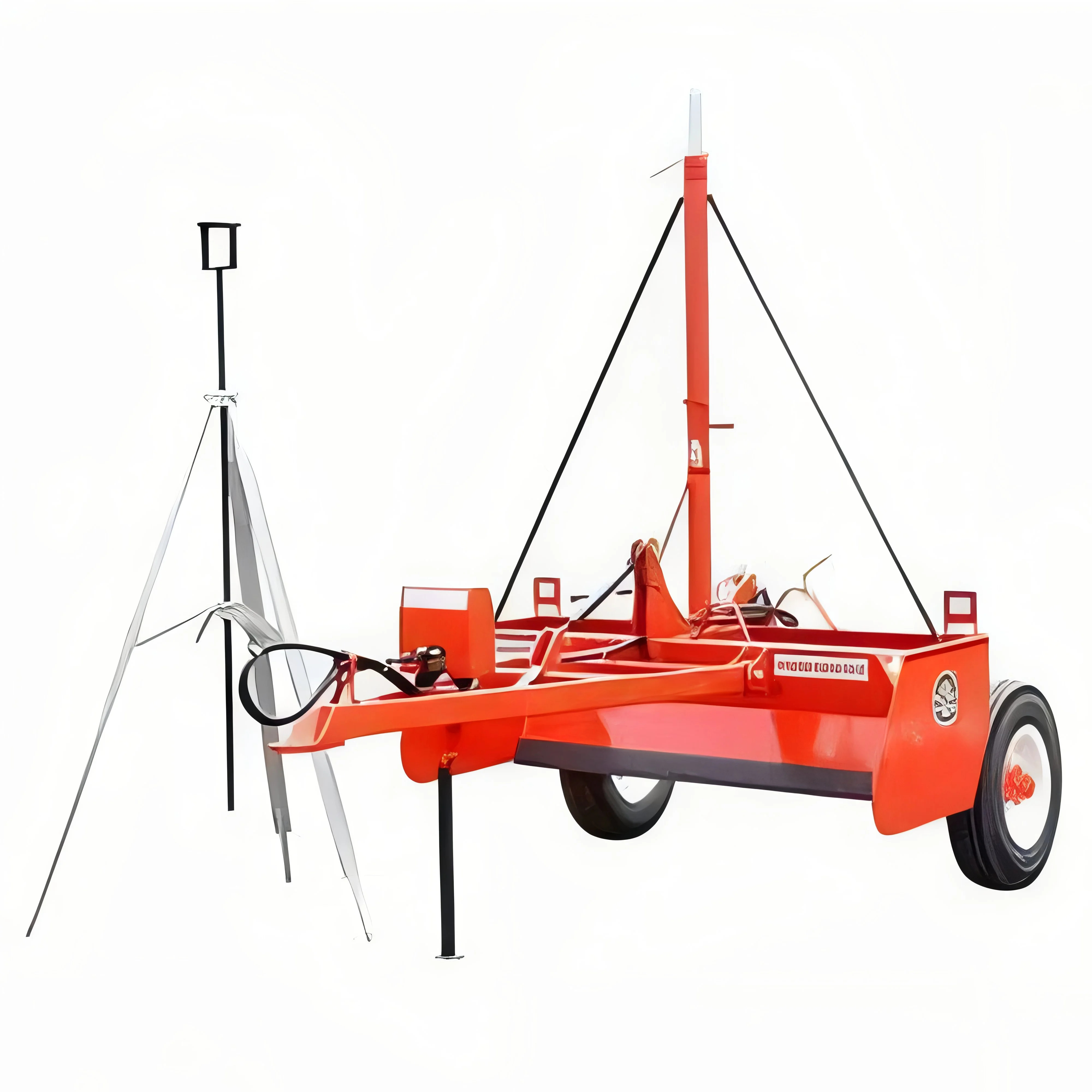
𝗪𝗵𝗮𝘁 𝗮𝗿𝗲 𝗟𝗮𝘀𝗲𝗿 𝗟𝗲𝘃𝗲𝗹𝘀?
Laser levels are precision tools used in construction, surveying, and various industrial applications to project a straight line or level reference across a distance. They utilize laser beams to provide accurate measurements for alignment and leveling tasks. These devices are essential for achieving high accuracy and efficiency in projects where precise leveling is required, making them indispensable in the modern construction toolkit.
The primary uses of laser levels include establishing horizontal and vertical reference lines, aligning structures, and ensuring consistency in various installations. They are commonly employed in building foundations, drywall installation, flooring, and landscaping. Laser levels are relevant across multiple industries, including construction, manufacturing, and agriculture, where precise measurements can significantly impact project outcomes.
𝗞𝗲𝘆 𝗙𝗲𝗮𝘁𝘂𝗿𝗲𝘀 𝗮𝗻𝗱 𝗦𝗽𝗲𝗰𝗶𝗳𝗶𝗰𝗮𝘁𝗶𝗼𝗻𝘀
Laser levels come equipped with various features that enhance their functionality and usability. Understanding these specifications is crucial for selecting the right tool for specific applications.
Key specifications include:
1. Accuracy
- Typically ranges from ±1/8 inch at 100 feet
- Ensures high-precision measurements for professional use
2. Range
- Effective range can vary between 50 to 300 feet
- Important for determining the scope of projects
3. Type of Laser
- Options include red and green lasers
- Green lasers offer better visibility in brighter conditions
4. Power Source
- Commonly powered by batteries or rechargeable options
- Battery life can vary, affecting operational convenience
5. Leveling Mechanism
- Features such as self-leveling capabilities
- Ensures accuracy without manual adjustments
6. Durability
- Many models are designed to be water and dust resistant
- Ideal for use in challenging environmental conditions
7. Mounting Options
- Some models come with tripods or magnetic bases
- Enhances versatility and ease of use in various settings
In summary, understanding the key features and specifications of laser levels is essential for making informed purchasing decisions and ensuring that the selected tool meets specific operational requirements.
𝗖𝗼𝗺𝗺𝗼𝗻 𝗔𝗽𝗽𝗹𝗶𝗰𝗮𝘁𝗶𝗼𝗻𝘀 𝗮𝗻𝗱 𝗨𝘀𝗲 𝗖𝗮𝘀𝗲𝘀
Laser levels are versatile tools utilized across numerous industries and applications.
1. Construction: Laser levels are widely used in construction for setting foundations, aligning walls, and installing ceilings. Their accuracy ensures that buildings are constructed to the required specifications.
2. Landscaping: In landscaping, laser levels assist in grading and leveling land, ensuring proper drainage and aesthetic appeal in outdoor spaces.
3. Electrical Work: Electricians use laser levels to install fixtures and wiring at precise heights, enhancing both safety and functionality.
4. Plumbing: Plumbers benefit from laser levels for ensuring pipes are installed at correct angles, preventing future issues with drainage.
5. Interior Design: Interior designers utilize laser levels to achieve accurate placements of furniture and decorative elements, ensuring a professional finish.
6. Manufacturing: In manufacturing environments, laser levels are used for machine alignment and quality control processes, contributing to operational efficiency.
7. Agriculture: Farmers implement laser levels for land leveling to optimize irrigation and crop management, leading to improved yields.
𝗣𝗿𝗼𝗱𝘂𝗰𝘁 𝗩𝗮𝗿𝗶𝗮𝗻𝘁𝘀 𝗮𝗻𝗱 𝗦𝘂𝗯𝗰𝗮𝘁𝗲𝗴𝗼𝗿𝗶𝗲𝘀
Laser levels are available in various configurations to meet different operational needs.
Rotary Laser Levels
These levels project a rotating laser beam, providing a 360-degree reference line. They are ideal for large outdoor projects and site grading.
Line Laser Levels
Line laser levels project straight lines on walls or floors, perfect for tasks such as aligning tiles or framing.
Dot Laser Levels
Dot laser levels project a series of dots to indicate points of reference. They are useful for vertical and horizontal alignment in smaller spaces.
𝗕𝗲𝗻𝗲𝗳𝗶𝘁𝘀 𝗮𝗻𝗱 𝗔𝗱𝘃𝗮𝗻𝘁𝗮𝗴𝗲𝘀
Investing in laser levels offers several key advantages for businesses.
1. Enhanced Accuracy: Laser levels provide precise measurements that reduce the likelihood of errors, leading to better project outcomes.
2. Increased Efficiency: The speed at which laser levels can establish reference lines saves time compared to traditional leveling methods.
3. User-Friendly Operation: Most laser levels are designed for easy setup and operation, allowing users to focus on their tasks without extensive training.
4. Versatility: Laser levels can be used in various applications across multiple industries, making them a valuable addition to any toolkit.
5. Durability: Many laser levels are built to withstand harsh conditions, ensuring long-term reliability and reduced replacement costs.
6. Cost-Effective: By improving accuracy and reducing labor time, laser levels can lead to significant cost savings on projects.
𝗕𝘂𝘆𝗶𝗻𝗴 𝗚𝘂𝗶𝗱𝗲 𝗳𝗼𝗿 𝗕𝟮𝗕 𝗕𝘂𝘆𝗲𝗿𝘀
When sourcing laser levels for business use, several critical factors warrant consideration.
1. Quality Assessment: Evaluate the quality of laser levels by checking for certifications and reviews. High-quality tools are essential for ensuring accuracy and longevity.
2. Supplier Verification: Vet potential suppliers by reviewing their reputation, customer feedback, and history in the industry. Reliable suppliers can provide consistent product quality.
3. Pricing and MOQ: Understand pricing structures and minimum order quantities (MOQ) to ensure that purchases align with budgetary constraints and project needs.
4. Delivery and Lead Times: Inquire about shipping options and lead times to ensure that the tools arrive when needed to avoid project delays.
5. Compliance Requirements: Ensure that the laser levels meet relevant industry standards and regulatory requirements, including safety and performance certifications.
𝗖𝗼𝗺𝗽𝗹𝗶𝗮𝗻𝗰𝗲 𝗮𝗻𝗱 𝗖𝗲𝗿𝘁𝗶𝗳𝗶𝗰𝗮𝘁𝗶𝗼𝗻𝘀
Laser levels must adhere to various quality standards and certifications to ensure their safety and reliability.
ISO 9001 is a widely recognized standard that focuses on quality management systems. Compliance with this standard ensures that manufacturers meet customer expectations and regulatory requirements.
CE certification indicates conformity with European health, safety, and environmental protection standards. It is essential for products sold within the European market.
Safety and testing requirements are crucial for ensuring that laser levels operate safely and effectively. Manufacturers should conduct thorough testing to verify product performance under various conditions.
Regional compliance considerations may also apply, depending on the market in which the laser levels are sold. Understanding local regulations is vital for ensuring compliance and minimizing legal risks.
𝗪𝗵𝘆 𝗦𝗼𝘂𝗿𝗰𝗲 𝗟𝗮𝘀𝗲𝗿 𝗟𝗲𝘃𝗲𝗹𝘀 𝗳𝗿𝗼𝗺 𝗣𝗲𝗽𝗮𝗴𝗼𝗿𝗮?
Pepagora serves as a trusted platform for sourcing laser levels, offering significant advantages for B2B buyers.
Verified Supplier Network: Pepagora maintains a robust network of verified suppliers, ensuring that buyers connect with reputable manufacturers who adhere to quality standards.
Streamlined RFQ Process: The platform features a user-friendly Request for Quotation (RFQ) system, allowing buyers to receive competitive quotes from multiple suppliers quickly.
Trade Assurance and Support: Pepagora provides trade assurance to protect buyers' interests, offering support throughout the purchasing process to ensure a smooth transaction.
Regional Coverage: With a presence in India, the GCC, and Southeast Asia, Pepagora offers extensive regional coverage, making it easier for businesses to find reliable suppliers in their vicinity.

 IN
IN