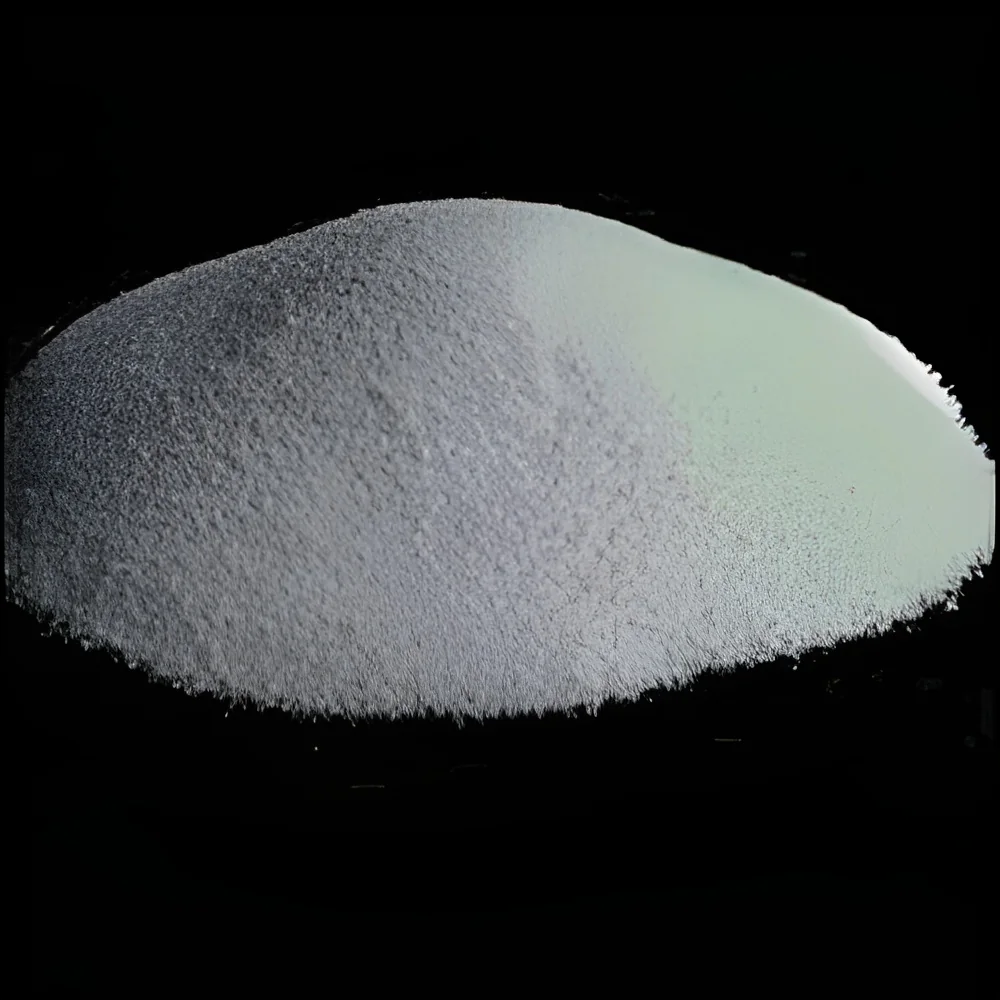
What are Detergent & Dispersant Additives?
Detergent and dispersant additives are chemical agents used primarily to improve the performance of products in industrial applications. These additives effectively clean and disperse particulate matter, ensuring that surfaces remain free from contaminants. Detergents work by reducing surface tension, allowing for better wetting and cleaning, while dispersants stabilize mixtures and prevent the agglomeration of particles.
These additives find extensive use across various industries, including automotive, oil and gas, and coatings. In the automotive sector, they assist in engine cleanliness and fuel efficiency. In oil and gas applications, they help maintain the integrity of drilling fluids and enhance oil recovery processes. With growing industrial demands, the market for detergent and dispersant additives continues to expand, driven by the need for improved product performance and environmental compliance.
Key Features and Specifications
Detergent and dispersant additives come with several key features that make them suitable for diverse industrial applications. Understanding these specifications is essential for selecting the right product for specific needs.
Key specifications include:
1. Cleaning Efficiency
- Measures the ability to remove contaminants.
- Effectiveness is often rated based on specific tests.
2. Dispersion Stability
- Indicates how well the additive keeps particles suspended in a mixture.
- Stability tests are conducted under various conditions.
3. Compatibility
- Determines how well the additive works with other components in a formulation.
- Compatibility with a range of solvents is crucial.
4. Temperature Resistance
- Reflects the additive's stability at various temperatures.
- Some additives maintain performance at high temperatures.
5. Environmental Impact
- Assesses biodegradability and toxicity of the additive.
- Regulatory compliance with environmental standards is necessary.
6. Concentration Levels
- Specifies the effective concentration range for optimal performance.
- This can vary based on application and formulation.
7. pH Range
- Indicates the effective operating pH range for the additive.
- Important for maintaining product stability.
8. Shelf Life
- Refers to the duration the additive remains effective under proper storage conditions.
- Longer shelf life is advantageous for inventory management.
In summary, the key features and specifications of detergent and dispersant additives are crucial for ensuring optimal performance in various applications.
Common Applications and Use Cases
Detergent and dispersant additives serve a wide array of industries, each benefiting from their unique properties.
1. Automotive: These additives are used in engine oils to maintain cleanliness and enhance performance, reducing wear and tear.
2. Oil and Gas: They play a significant role in drilling fluids, helping to disperse cuttings and stabilize emulsions for improved extraction efficiency.
3. Coatings: In paint formulations, they ensure even distribution of pigments and improve surface quality, leading to better adhesion and finish.
4. Cleaning Products: Detergents are key components in household and industrial cleaners, providing effective stain removal and surface cleaning.
5. Agriculture: Used in pesticide formulations, these additives improve the dispersion of active ingredients, enhancing effectiveness.
6. Textiles: They aid in the dyeing process, ensuring even color application and preventing the aggregation of dye particles.
7. Food Industry: Some additives are utilized in food processing to ensure emulsification and stability of products.
Product Variants and Subcategories
Detergent and dispersant additives come in a variety of formulations to meet specific industry needs.
Water-Soluble Detergents
These variants are ideal for applications that require fast dissolution in water. They are commonly used in cleaning products and industrial processes.
Oil-Based Dispersants
Designed for use in oil-related applications, these additives work effectively in non-polar environments. They help maintain the stability of oil-based products and enhance performance.
Surfactant Blends
These blends combine various surfactants to optimize performance in multiple applications. They are versatile and can be tailored to specific cleaning or dispersing needs.
Synthetic Detergents
Made from chemical compounds, these detergents offer superior performance and stability compared to traditional soap-based products. They are widely used in industrial cleaning applications.
Benefits and Advantages
The use of detergent and dispersant additives offers numerous advantages that enhance product performance and efficiency.
Key benefits include:
1. Enhanced Performance: These additives significantly improve cleaning and dispersing capabilities, leading to better end products.
2. Cost Efficiency: By optimizing formulations, businesses can reduce waste and lower production costs.
3. Environmental Compliance: Many additives are designed to meet strict environmental regulations, ensuring responsible usage.
4. Versatility: They are applicable across various industries, making them a valuable asset for diverse manufacturing processes.
5. Improved Product Stability: Additives help maintain the integrity of formulations, extending shelf life and usability.
6. Customization Potential: Many suppliers offer tailored solutions to meet specific industry requirements.
Buying Guide for B2B Buyers
When sourcing detergent and dispersant additives, several factors should be considered to ensure the best selection.
1. Quality Assessment: Look for established quality standards and testing certifications. Ensure that the additives meet industry-specific performance criteria.
2. Supplier Verification: Vet suppliers thoroughly to ensure they have a track record of reliability and compliance. Check references and certifications.
3. Pricing and MOQ: Evaluate costs and minimum order quantities to align with budget constraints while meeting production needs.
4. Delivery and Lead Times: Confirm the supplier's ability to meet your delivery timelines and ensure they can accommodate urgent needs.
5. Compliance Requirements: Ensure the additives comply with relevant regulatory standards, including safety and environmental regulations.
Compliance and Certifications
Compliance and certifications are critical aspects of detergent and dispersant additives, ensuring safety and quality.
Relevant quality standards, such as ISO 9001, ensure that manufacturers adhere to consistent quality management practices. This is essential for maintaining product reliability and customer satisfaction.
Industry certifications, like CE marking, indicate that products meet European safety and health standards. This certification can enhance marketability and customer trust.
Safety and testing requirements are paramount in the evaluation of these additives. Manufacturers must conduct rigorous testing to meet safety regulations and ensure that their products do not pose risks to users or the environment.
Regional compliance considerations must also be factored in, especially for companies operating in multiple jurisdictions. Understanding local regulations can help avoid legal pitfalls and ensure smooth market entry.
Why Source Detergent & Dispersant Additives from Pepagora?
Pepagora offers a reliable platform for sourcing detergent and dispersant additives, providing businesses with distinct advantages.
Verified Supplier Network: Pepagora connects buyers with a network of verified suppliers, ensuring quality and reliability. This reduces the risk associated with sourcing from unknown vendors.
Streamlined RFQ Process: The request for quotation process at Pepagora is designed for simplicity, allowing buyers to receive competitive quotes quickly. This efficiency saves time and resources in procurement.
Trade Assurance and Support: Pepagora provides buyer protection through trade assurance policies. This adds an extra layer of security when making purchases, fostering trust in transactions.
Regional Coverage: With a strong presence in India, the GCC, and Southeast Asia, Pepagora offers extensive geographic reach. This facilitates access to local suppliers and ensures timely deliveries, enhancing operational efficiency for businesses in these regions.

 IN
IN

 India
India