𝗪𝗵𝗮𝘁 𝗮𝗿𝗲 𝗖𝗼𝗿𝗱𝗶𝗲𝗿𝗶𝘁𝗲 𝗖𝗲𝗿𝗮𝗺𝗶𝗰𝘀?
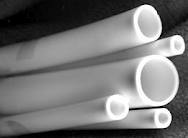
Cordierite ceramics are advanced materials known for their unique thermal properties and stability under high temperatures. Composed primarily of cordierite, these ceramics exhibit low thermal expansion and excellent resistance to thermal shock. This makes them particularly effective in applications where temperature fluctuations are common, providing a reliable solution for various industrial challenges.
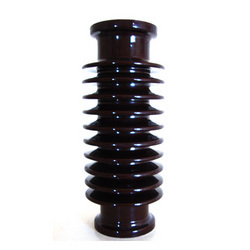
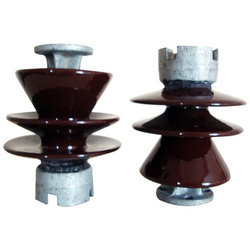
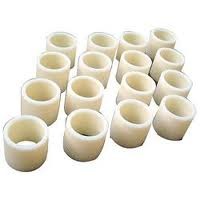
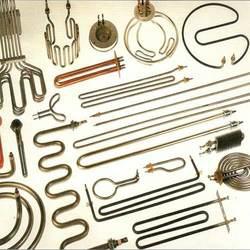
These ceramics are widely utilized across multiple sectors, including automotive, aerospace, and electronics. They are often used to manufacture components such as kiln furniture, exhaust systems, and insulators. Their ability to withstand extreme conditions while maintaining structural integrity makes them invaluable in processes requiring precise thermal management. As industries continue to prioritize efficiency and durability, the demand for cordierite ceramics is expected to grow, positioning them as a key material in the marketplace.
𝗞𝗲𝘆 𝗙𝗲𝗮𝘁𝘂𝗿𝗲𝘀 𝗮𝗻𝗱 𝗦𝗽𝗲𝗰𝗶𝗳𝗶𝗰𝗮𝘁𝗶𝗼𝗻𝘀
Cordierite ceramics are distinguished by several key features that enhance their functionality and performance. These specifications are essential for businesses seeking reliable materials for high-temperature applications.
Key specifications include:
1. Thermal Stability
- Exceptional resistance to thermal shock
- Suitable for temperatures exceeding 1200 degrees Celsius
2. Low Thermal Expansion
- Minimizes the risk of cracking under temperature fluctuations
- Typically exhibits a thermal expansion coefficient of about 2.5 x 10^-6 per degree Celsius
3. Mechanical Strength
- High compressive strength suitable for load-bearing applications
- Tensile strength values around 20-30 MPa
4. Chemical Resistance
- Resistant to various chemicals and corrosive environments
- Suitable for use in aggressive industrial settings
5. Lightweight
- Offers a lower weight compared to traditional ceramics
- Facilitates easier handling and installation
6. Versatility
- Can be formulated for specific applications, including customized shapes and sizes
- Applicable in both structural and non-structural uses
7. Electrical Insulation
- Excellent dielectric properties for electronic applications
- Insulation resistance values typically exceeding 10^9 ohms
8. CE Certification
- Complies with European safety and environmental standards
- Ensures reliability and performance in various applications
In summary, cordierite ceramics offer a combination of thermal stability, mechanical strength, and versatility that makes them suitable for a wide range of industrial applications.
𝗖𝗼𝗺𝗺𝗼𝗻 𝗔𝗽𝗽𝗹𝗶𝗰𝗮𝘁𝗶𝗼𝗻𝘀 𝗮𝗻𝗱 𝗨𝘀𝗲 𝗖𝗮𝘀𝗲𝘀
Cordierite ceramics are utilized in several industries, highlighting their adaptability and essential role in various applications.
1. Automotive: Cordierite ceramics are used in manufacturing components such as catalytic converters and exhaust systems, where high thermal resistance is crucial for performance.
2. Aerospace: In the aerospace industry, these ceramics are employed in thermal insulation components and heat shields, providing necessary protection against extreme temperatures.
3. Electronics: Cordierite ceramics serve as insulators in electronic devices, benefiting from their excellent dielectric properties and thermal management capabilities.
4. Industrial Furnaces: These materials are commonly used in kiln furniture and furnace linings, thanks to their ability to withstand high temperatures and thermal shock.
5. Medical Devices: In the medical field, cordierite ceramics are used for manufacturing specialized equipment that requires high precision and reliability under thermal stress.
6. Energy Sector: Cordierite ceramics play a role in renewable energy applications, such as in solar thermal collectors and fuel cells, where efficiency and heat resistance are paramount.
7. Household Appliances: These ceramics are also found in everyday products, such as pizza stones and cookware, due to their ability to maintain and distribute heat evenly.
𝗣𝗿𝗼𝗱𝘂𝗰𝘁 𝗩𝗮𝗿𝗶𝗮𝗻𝘁𝘀 𝗮𝗻𝗱 𝗦𝘂𝗯𝗰𝗮𝘁𝗲𝗴𝗼𝗿𝗶𝗲𝘀
Cordierite ceramics come in various forms, catering to different industrial needs and applications.
Standard Cordierite Ceramics
These are the most common type, featuring a balanced composition ideal for general applications. They provide excellent thermal shock resistance and are used in a variety of industries.
High-Purity Cordierite Ceramics
This variant is characterized by a higher purity level, resulting in enhanced mechanical and thermal properties. It is often used in high-performance applications where reliability is critical.
Customized Cordierite Ceramics
Manufacturers can tailor these ceramics to meet specific dimensional and performance requirements. This flexibility allows for innovative solutions in specialized applications.
𝗕𝗲𝗻𝗲𝗳𝗶𝘁𝘀 𝗮𝗻𝗱 𝗔𝗱𝘃𝗮𝗻𝘁𝗮𝗴𝗲𝘀
Choosing cordierite ceramics comes with numerous advantages that enhance operational efficiency and product performance.
1. High Durability: Cordierite ceramics are resistant to wear and tear, making them suitable for long-term use in demanding environments.
2. Energy Efficiency: Their thermal properties contribute to energy savings, as they can effectively retain and distribute heat during operational processes.
3. Cost-Effectiveness: The longevity and reduced maintenance needs of cordierite ceramics lead to lower overall costs in industrial applications.
4. Environmental Compliance: With CE certification, these ceramics meet strict environmental and safety standards, ensuring responsible sourcing and use.
5. Customization Potential: The ability to produce tailored solutions allows businesses to meet unique operational needs without compromising on quality.
6. Versatile Applications: Their adaptability across various industries makes cordierite ceramics a valuable asset for companies looking to invest in reliable materials.
𝗕𝘂𝘆𝗶𝗻𝗴 𝗚𝘂𝗶𝗱𝗲 𝗳𝗼𝗿 𝗕𝟮𝗕 𝗕𝘂𝘆𝗲𝗿𝘀
When sourcing cordierite ceramics for industrial applications, several factors should be considered to ensure the best fit for your needs.
1. Quality Assessment: Evaluate the quality of cordierite ceramics by examining their thermal and mechanical properties. Look for certifications that guarantee performance standards.
2. Supplier Verification: It is crucial to vet suppliers for reliability and reputation. Seek out manufacturers with a track record of delivering high-quality products consistently.
3. Pricing and MOQ: Understand the pricing structure and minimum order quantities (MOQ) required by suppliers. This helps in planning budgets and ensuring feasibility for your procurement needs.
4. Delivery and Lead Times: Assess the logistics involved in sourcing cordierite ceramics. Consider the supplier's ability to meet delivery deadlines and manage supply chain challenges.
5. Compliance Requirements: Ensure that the products meet relevant regulatory standards for your industry. This may involve checking for certifications such as CE and understanding local compliance regulations.
𝗖𝗼𝗺𝗽𝗹𝗶𝗮𝗻𝗰𝗲 𝗮𝗻𝗱 𝗖𝗲𝗿𝘁𝗶𝗳𝗶𝗰𝗮𝘁𝗶𝗼𝗻𝘀
Cordierite ceramics must adhere to several quality standards to ensure safe and effective use across various industries.
ISO 9001 is a widely recognized certification that signifies a commitment to quality management systems. This standard ensures that manufacturers consistently produce high-quality products while meeting customer and regulatory requirements.
Additionally, CE certification indicates that the products comply with European health, safety, and environmental protection standards. This is crucial for businesses operating in the European market, ensuring that the products are safe for use and meet stringent quality controls.
Safety and testing requirements are also critical. Manufacturers should conduct thorough testing, including thermal shock tests and mechanical strength evaluations, to validate the performance of cordierite ceramics.
Furthermore, regional compliance considerations may vary. It is essential for businesses to understand the specific regulations that apply in their operating regions to ensure all products sourced meet necessary legal standards.
𝗪𝗵𝘆 𝗦𝗼𝘂𝗿𝗰𝗲 𝗖𝗼𝗿𝗱𝗶𝗲𝗿𝗶𝘁𝗲 𝗖𝗲𝗿𝗮𝗺𝗶𝗰𝘀 𝗳𝗿𝗼𝗺 𝗣𝗲𝗽𝗮𝗴𝗼𝗿𝗮?
Pepagora offers a reliable platform for sourcing cordierite ceramics, providing numerous advantages to B2B buyers.
Verified Supplier Network: Pepagora maintains a network of verified suppliers, ensuring that buyers can trust the quality and reliability of the products they purchase. This reduces the risk associated with sourcing materials.
Streamlined RFQ Process: The request for quotation (RFQ) system simplifies the procurement process. Buyers can easily compare offers and choose the best options tailored to their specific needs.
Trade Assurance and Support: Pepagora provides trade assurance, offering protection to buyers throughout the purchasing process. This includes support for any issues that may arise after the transaction.
Regional Coverage: With a focus on regions such as India, GCC, and Southeast Asia, Pepagora ensures that businesses in these areas have access to high-quality cordierite ceramics, facilitating efficient sourcing and logistics.
In conclusion, sourcing cordierite ceramics through Pepagora not only guarantees access to quality products but also enhances the overall buying experience with robust support and reliable suppliers.

 IN
IN
 India
India