
 IN
Control Cabinets
2 products available
What are Control Cabinets?
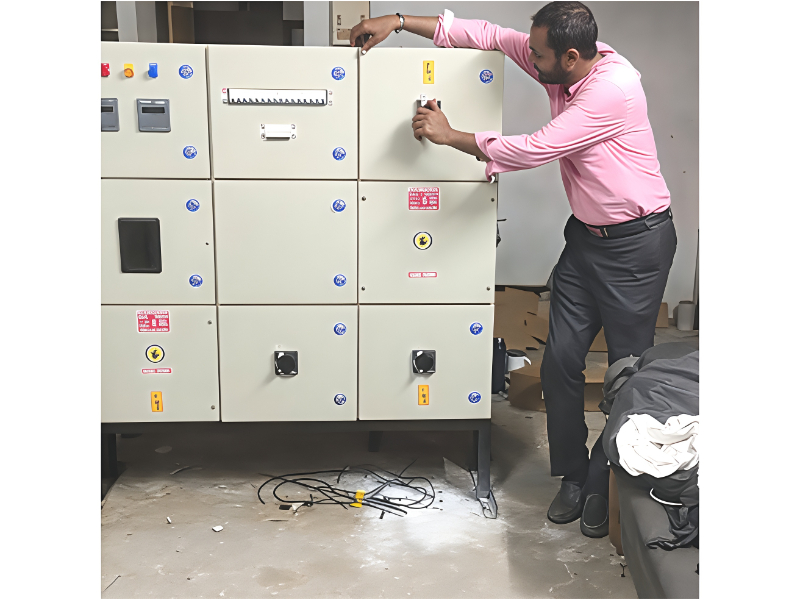
Control cabinets are essential enclosures designed to house electrical and electronic components that control and monitor various industrial processes. They provide protection for sensitive equipment from environmental factors such as dust, moisture, and temperature fluctuations. Control cabinets are often made from materials like steel or aluminum, ensuring durability and reliability in demanding conditions.
These cabinets are primarily used in various industries for automation systems, control systems, and instrumentation. They play a critical role in managing operations in manufacturing plants, energy facilities, and transportation systems. By centralizing control functions, businesses can enhance operational efficiency and ensure that processes are conducted safely and reliably. The relevance of control cabinets in today’s industrial landscape is significant, driven by the increasing demand for automation and process optimization across many sectors.
Key Features and Specifications
Control cabinets come equipped with a variety of features that enhance their functionality and safety. Understanding these specifications is crucial for selecting the right product for specific applications.
Key specifications include:
1. Material Construction
- Typically made from steel or aluminum
- Offers durability and corrosion resistance
2. Size and Dimensions
- Available in multiple sizes to fit different applications
- Custom dimensions may be available upon request
3. Protection Rating
- Common ratings include IP54, IP65, etc.
- Determines dust and moisture resistance
4. Mounting Options
- Options for wall-mounted or free-standing configurations
- Facilitates flexibility in installation
5. Cooling and Ventilation
- May include built-in fans or ventilation systems
- Ensures optimal temperature control for internal components
6. Cable Entry Points
- Designed with multiple cable entry options
- Simplifies wiring and connectivity
7. Locking Mechanisms
- Features secure locking options for safety
- Protects against unauthorized access
8. Compliance Certifications
- Typically certified with CE marking
- Ensures adherence to relevant safety standards
In summary, the diverse features and specifications of control cabinets make them adaptable for various industrial applications, ensuring they meet specific operational requirements.
Common Applications and Use Cases
Control cabinets serve a wide range of industries, each with specific needs for automation and control.
1. Manufacturing: In manufacturing plants, control cabinets manage machinery and automate processes, improving production efficiency and safety.
2. Energy: Control cabinets are used in power generation and distribution facilities to monitor and control electrical systems, ensuring reliable energy delivery.
3. Transportation: In transportation systems, these cabinets control signaling and traffic management systems, enhancing safety and efficiency on roads and railways.
4. Water Treatment: Control cabinets manage pumps and treatment processes in water facilities, ensuring the safe distribution of clean water.
5. HVAC Systems: In heating, ventilation, and air conditioning systems, control cabinets regulate temperature and airflow, contributing to energy efficiency.
6. Telecommunications: Control cabinets are utilized in telecom networks for managing equipment and ensuring service continuity.
7. Food and Beverage: In food processing, control cabinets monitor and maintain critical parameters to ensure product safety and quality.
Product Variants and Subcategories
Control cabinets come in various types to meet specific operational needs.
Standard Control Cabinets
These are widely used in various industries, offering essential protection and organization for electrical components. They typically include features like customizable dimensions and secure locking mechanisms.
Compact Control Cabinets
Designed for space-constrained environments, these cabinets offer a smaller footprint while still providing necessary protection for control systems. They are ideal for smaller operations or where space optimization is crucial.
Outdoor Control Cabinets
Built to withstand harsh environmental conditions, outdoor control cabinets are designed with robust materials and protective features. They are suitable for applications in remote locations or where exposure to elements is a concern.
Benefits and Advantages
Investing in control cabinets provides numerous advantages for businesses.
1. Enhanced Protection: Control cabinets safeguard sensitive electronic components from environmental threats, prolonging their lifespan.
2. Improved Organization: These cabinets facilitate organized wiring and component arrangement, simplifying maintenance and troubleshooting.
3. Increased Safety: By securing electrical components, control cabinets minimize risks associated with electrical hazards.
4. Customization Options: Many manufacturers offer customization for size, features, and configurations to meet specific needs.
5. Compliance Assurance: Control cabinets that meet industry standards ensure compliance with safety regulations, reducing liability.
6. Operational Efficiency: By centralizing control functions, businesses can streamline processes and improve overall efficiency.
Buying Guide for B2B Buyers
When sourcing control cabinets, it is essential to consider several key factors to ensure the right choice.
1. Quality Assessment: Evaluate the quality of materials and construction. Look for certifications and standards compliance to ensure reliability.
2. Supplier Verification: Conduct thorough research on potential suppliers. Review their reputation and track record in delivering quality products.
3. Pricing and MOQ: Understand the pricing structure and minimum order quantities. This helps in budgeting and ensures cost-effectiveness.
4. Delivery and Lead Times: Confirm the expected delivery schedules. Efficient logistics are crucial for timely project execution.
5. Compliance Requirements: Identify any specific regulatory needs relevant to your industry. Ensure that the cabinets meet those compliance standards to avoid future complications.
Compliance and Certifications
Control cabinets must adhere to various quality standards and regulations to ensure safety and reliability in industrial applications. Key quality standards include ISO 9001, which ensures consistent quality management systems in manufacturing processes.
Industry certifications like CE mark indicate compliance with European safety standards, signifying that the products have met essential health, safety, and environmental protection requirements.
Testing requirements often include assessments for electrical safety, durability, and environmental impact. Regional compliance considerations can vary, so it is essential to understand local regulations regarding electrical installations and safety standards.
Why Source Control Cabinets from Pepagora?
Pepagora offers a trusted platform for sourcing control cabinets, providing numerous advantages for B2B buyers.
Verified Supplier Network: Pepagora connects buyers with a network of verified suppliers, ensuring that you receive products from reputable manufacturers committed to quality.
Streamlined RFQ Process: The platform simplifies the request for quotation (RFQ) process, allowing buyers to submit inquiries efficiently and receive competitive pricing.
Trade Assurance and Support: Pepagora provides trade assurance, offering buyer protection and support throughout the purchasing process, ensuring peace of mind.
Regional Coverage: With a strong presence in India, the GCC, and Southeast Asia, Pepagora facilitates sourcing for businesses across diverse markets, catering to local needs and preferences.




Frequently Asked Questions
What are Control Cabinets?
Control cabinets are enclosures that house electrical and electronic components used for controlling equipment and processes. They provide protection from environmental factors, ensure safety, and allow for the organization of wiring and components.
What are the different types of Control Cabinets?
Control cabinets come in various types, including wall-mounted cabinets, floor-standing cabinets, and modular cabinets. Each type serves different applications and can vary in size, shape, and functionality based on the specific requirements of the equipment they house.
How do I choose the right Control Cabinets?
Choosing the right control cabinet involves considering factors such as the size of the components to be housed, the environment where it will be installed, and the level of protection required. Additionally, assessing the thermal management needs and accessibility for maintenance is crucial.
What are the standard specifications for Control Cabinets?
Standard specifications for control cabinets typically include dimensions, material type (such as steel or aluminum), ingress protection (IP) ratings, and thermal management features. These specifications may also outline compliance with industry standards such as IEC or NEMA.
What is the price range for Control Cabinets?
The price range for control cabinets can vary widely depending on size, material, and features. Generally, prices can start from a few thousand rupees for basic models and can go up to several lakhs for highly customized or large cabinets.
What quality standards apply to Control Cabinets?
Control cabinets must comply with various quality standards, including IEC 61439 for low-voltage switchgear and controlgear assemblies. Manufacturers may also adhere to ISO certifications to ensure consistent quality and reliability in their products.
Where can I find Control Cabinets suppliers in India?
You can find control cabinet suppliers in India through online B2B marketplaces like Pepagora.com, industry trade shows, and local electrical supply distributors. Researching online directories and reviews can also help identify reputable manufacturers.
Can Control Cabinets be customized?
Yes, control cabinets can be customized to meet specific requirements such as size, shape, and internal configuration. Many manufacturers offer custom solutions to accommodate unique applications and ensure optimal functionality.
What is the typical minimum order quantity for Control Cabinets?
The typical minimum order quantity (MOQ) for control cabinets can vary by manufacturer, but it often ranges from 1 to 10 units. For custom designs, the MOQ may be higher based on the complexity and production requirements.
What is the typical lead time for Control Cabinets?
The typical lead time for control cabinets can range from a few weeks to several months, depending on the type of cabinet, customization requirements, and the manufacturer's production capacity. It's advisable to confirm lead times with suppliers when placing an order.
Why Businesses Trust Pepagora
Thousands of companies trust Pepagora to source smarter and sell faster
Expand Your Sales Globally

Source Smarter,Grow Faster
