
 IN
Color Masterbatches
4 products available
What are Color Masterbatches?
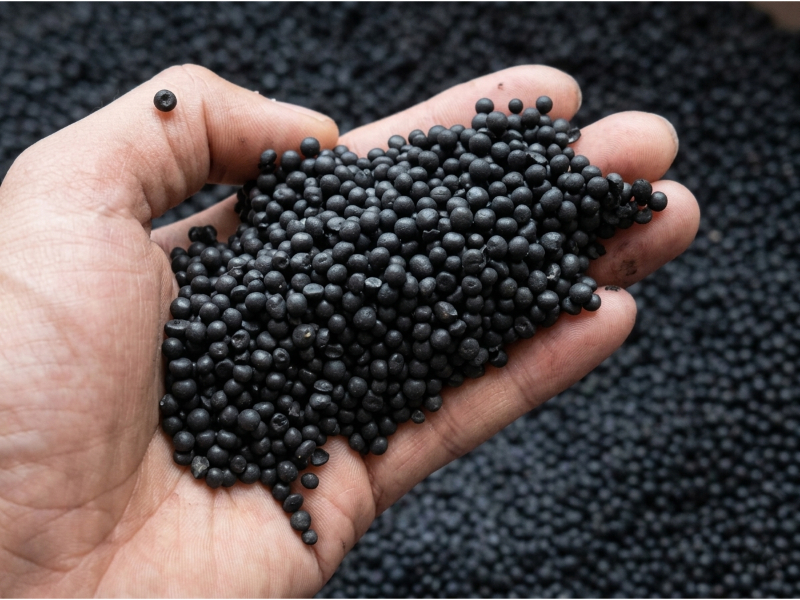
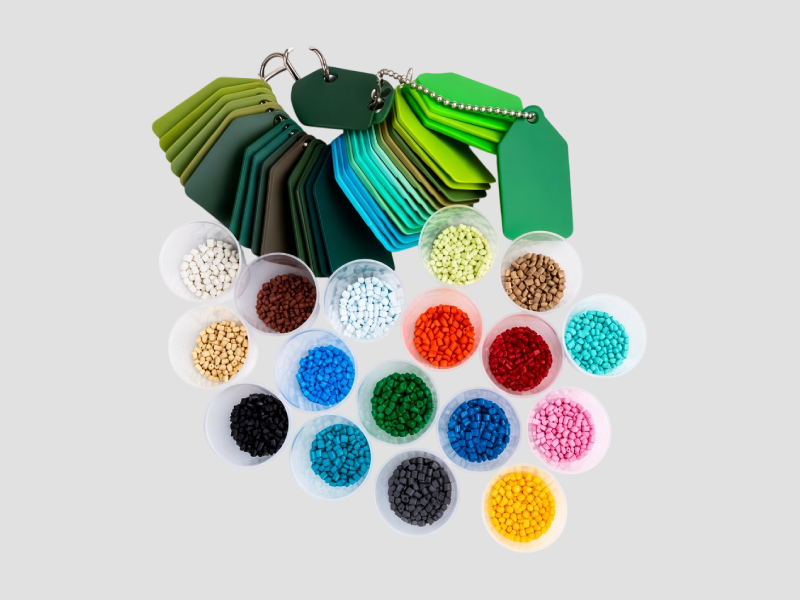
Color masterbatches are concentrated mixtures of pigments or dyes, combined with a carrier resin. They are used in the production of colored plastics and are designed to impart color to plastic products during the manufacturing process. These masterbatches allow for precise color matching and consistency, ensuring that the final products meet specific aesthetic requirements.
Color masterbatches find their primary application in various industries, including packaging, automotive, consumer goods, and textiles. Manufacturers utilize them to enhance the visual appeal of their products and to distinguish their brands in a competitive market. By using color masterbatches, businesses can achieve uniform color distribution, reduce waste, and streamline the production process.
In the current market, the demand for color masterbatches is growing due to the increasing use of colored plastics across multiple sectors. The rise in consumer preferences for visually appealing products drives manufacturers to invest in high-quality color masterbatches. This trend highlights the importance of selecting the right color masterbatch to achieve desired outcomes in both functionality and aesthetics.
Key Features and Specifications
Color masterbatches offer several features that make them essential in the plastics industry. These features enhance their usability and effectiveness in various applications.
Key specifications include:
1. Pigment Concentration
- Typically ranges from 20% to 60%
- Affects the vibrancy and opacity of the final product
2. Carrier Resin Compatibility
- Designed to work with a variety of base resins such as polyethylene, polypropylene, and polystyrene
- Ensures optimal dispersion and performance in the end product
3. Heat Stability
- Maintains color integrity during processing temperatures
- Essential for applications involving high-temperature molding or extrusion
4. Lightfastness
- Resistance to fading when exposed to UV light
- Important for outdoor applications where color longevity is critical
5. Processing Temperature Range
- Compatible with processing temperatures typically between 180°C and 230°C
- Ensures ease of incorporation into manufacturing processes
6. Moisture Resistance
- Designed to withstand humidity during production and storage
- Ensures color consistency and prevents degradation
7. Non-Toxicity
- Complies with safety standards for food contact applications
- Important for consumer safety and regulatory compliance
8. Customization Options
- Available in various colors and formulations to meet specific customer requirements
- Flexibility in creating unique color solutions for diverse applications
In summary, color masterbatches provide a versatile solution for achieving high-quality colored plastics, with numerous features that cater to the diverse needs of manufacturers.
Common Applications and Use Cases
Color masterbatches are utilized across a wide range of industries, showcasing their versatility and importance in product manufacturing.
1. Packaging: Color masterbatches are widely used in packaging materials to enhance visual appeal and brand recognition. They help create vibrant, eye-catching products that attract consumer attention.
2. Automotive: In the automotive industry, color masterbatches are essential for exterior and interior components. They provide durability and resistance to fading, ensuring that vehicles maintain their aesthetic appeal over time.
3. Consumer Goods: Color masterbatches are used in household products, toys, and electronics. They allow manufacturers to produce colorful, engaging products that appeal to consumers.
4. Textiles: The textile industry employs color masterbatches to achieve vibrant colors in synthetic fibers and fabrics. This enhances the visual aspect of garments and upholstery, catering to fashion trends.
5. Construction: In building materials, color masterbatches are used for roofing, siding, and flooring products. They contribute to aesthetic qualities while ensuring long-lasting color performance.
6. Agriculture: Color masterbatches are utilized in agricultural films and products. They help enhance visibility and usability while providing UV protection for crops.
7. Medical: In medical devices and packaging, color masterbatches ensure compliance with safety standards while allowing for clear identification of products.
Product Variants and Subcategories
Color masterbatches come in various forms, allowing manufacturers to choose the most suitable option based on their specific needs.
Standard Color Masterbatches: These are pre-formulated masterbatches available in a wide range of colors. They offer convenience and consistency for manufacturers looking for common colors.
Special Effect Masterbatches: These variants provide unique visual effects such as metallic, pearlescent, or glow-in-the-dark finishes. They cater to niche markets and enhance product differentiation.
Custom Color Masterbatches: Some suppliers offer the ability to create custom formulations tailored to specific requirements. This ensures that businesses can achieve unique colors that align with their branding.
Benefits and Advantages
Color masterbatches provide numerous advantages for manufacturers seeking to enhance their products.
1. Consistency: Color masterbatches ensure uniform color distribution, reducing variations and defects in the final product.
2. Cost-Effectiveness: Using concentrated color masterbatches allows for lower material costs compared to using raw pigments, reducing overall production expenses.
3. Ease of Use: They are easy to incorporate into manufacturing processes, streamlining production and reducing downtime.
4. Improved Aesthetics: Color masterbatches enhance the visual appeal of products, helping brands stand out in competitive markets.
5. Regulatory Compliance: Many color masterbatches meet safety standards, ensuring that products are safe for consumer use and compliant with regulations.
6. Versatility: They can be used in a variety of applications and materials, making them suitable for numerous industries.
Buying Guide for B2B Buyers
When sourcing color masterbatches, it's essential for B2B buyers to consider various factors to ensure optimal selection.
1. Quality Assessment: Evaluate the quality of color masterbatches by reviewing supplier certifications and conducting tests to confirm color consistency and stability.
2. Supplier Verification: Vet suppliers by checking their reputation, industry experience, and customer feedback. A reliable supplier ensures a steady supply of quality products.
3. Pricing and MOQ: Analyze pricing structures and minimum order quantities. Understanding these factors helps manage budgets and ensures feasibility for production runs.
4. Delivery and Lead Times: Assess suppliers' logistics capabilities to ensure timely delivery of products. Consider lead times in relation to production schedules.
5. Compliance Requirements: Verify that color masterbatches comply with relevant safety and quality standards. This is critical for industries like food packaging and medical devices.
Compliance and Certifications
Color masterbatches must adhere to various compliance and certification standards to ensure product safety and quality.
Relevant quality standards include ISO 9001, which focuses on quality management systems, ensuring that manufacturers consistently meet customer and regulatory requirements.
Industry certifications such as CE indicate compliance with European health, safety, and environmental protection standards, which are crucial for market acceptance in Europe.
Safety and testing requirements ensure that color masterbatches are free from harmful substances and suitable for various applications, especially in consumer goods.
Regional compliance considerations may vary, making it essential for suppliers to understand local regulations and standards to meet market demands effectively.
Why Source Color Masterbatches from Pepagora?
Pepagora provides a trusted platform for sourcing color masterbatches with several key advantages.
Verified Supplier Network: Pepagora connects buyers with a network of verified suppliers, ensuring that all listed manufacturers meet strict quality standards and reliability.
Streamlined RFQ Process: The platform simplifies the request for quotation process, allowing buyers to easily compare offers from multiple suppliers and make informed purchasing decisions.
Trade Assurance and Support: Pepagora offers trade assurance, protecting buyers from potential risks and ensuring that they receive the products as described.
Regional Coverage: With a broad geographic reach across India, the GCC, and Southeast Asia, Pepagora enables buyers to access a diverse range of suppliers and products, ensuring that they can meet their specific needs efficiently.




Frequently Asked Questions
What are Color Masterbatches?
Color Masterbatches are concentrated mixtures of pigments and additives that are used to color plastics. They are produced by dispersing pigments in a carrier resin, facilitating easy incorporation into plastic processing methods such as extrusion and injection molding.
What are the different types of Color Masterbatches?
There are several types of Color Masterbatches, including universal masterbatches that can be used with various polymers, specific masterbatches designed for particular resins, and specialty masterbatches that provide specific properties such as UV resistance or anti-static features.
How do I choose the right Color Masterbatches?
Choosing the right Color Masterbatches involves considering the type of plastic being used, the desired color shade, and any specific performance requirements. It is also essential to consult with suppliers for recommendations based on application needs.
What are the standard specifications for Color Masterbatches?
Standard specifications for Color Masterbatches include color strength, particle size, thermal stability, and compatibility with different polymers. Additional specifications may pertain to the concentration of pigments and the physical properties of the masterbatch.
What is the price range for Color Masterbatches?
The price range for Color Masterbatches can vary significantly based on factors such as the type of pigments used, the complexity of the formulation, and the volume purchased. Generally, prices can range from INR 100 to INR 500 per kilogram.
What quality standards apply to Color Masterbatches?
Quality standards for Color Masterbatches typically include compliance with ISO certifications, as well as specific industry standards such as those set by ASTM or the Food and Drug Administration (FDA) for food-grade applications. Consistency in color and performance is also a critical quality measure.
Where can I find Color Masterbatches suppliers in India?
You can find Color Masterbatches suppliers in India through various B2B marketplaces, industry trade shows, and manufacturer directories. Websites like Pepagora.com provide a platform to connect with reputable suppliers in the region.
Can Color Masterbatches be customized?
Yes, Color Masterbatches can often be customized to meet specific color requirements or performance attributes. Many manufacturers offer customization options based on the client's needs, including unique formulations and color matching services.
What is the typical minimum order quantity for Color Masterbatches?
The typical minimum order quantity (MOQ) for Color Masterbatches can vary by supplier but generally ranges from 25 kg to 100 kg. It's advisable to check with individual suppliers for their specific MOQ policies.
What is the typical lead time for Color Masterbatches?
The typical lead time for Color Masterbatches can range from 7 to 21 days, depending on factors such as the supplier's stock availability and the complexity of any custom orders. It's best to confirm lead times with suppliers during the ordering process.
Why Businesses Trust Pepagora
Thousands of companies trust Pepagora to source smarter and sell faster
Expand Your Sales Globally

Source Smarter,Grow Faster
