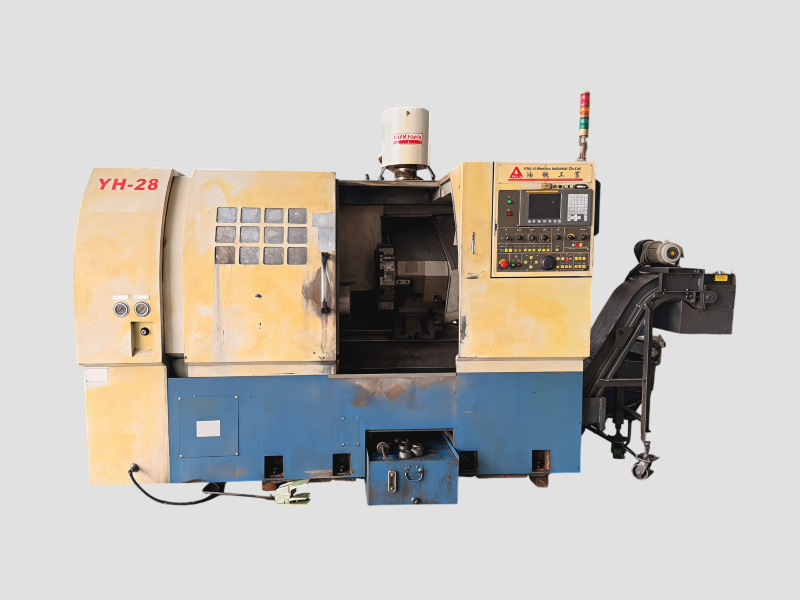
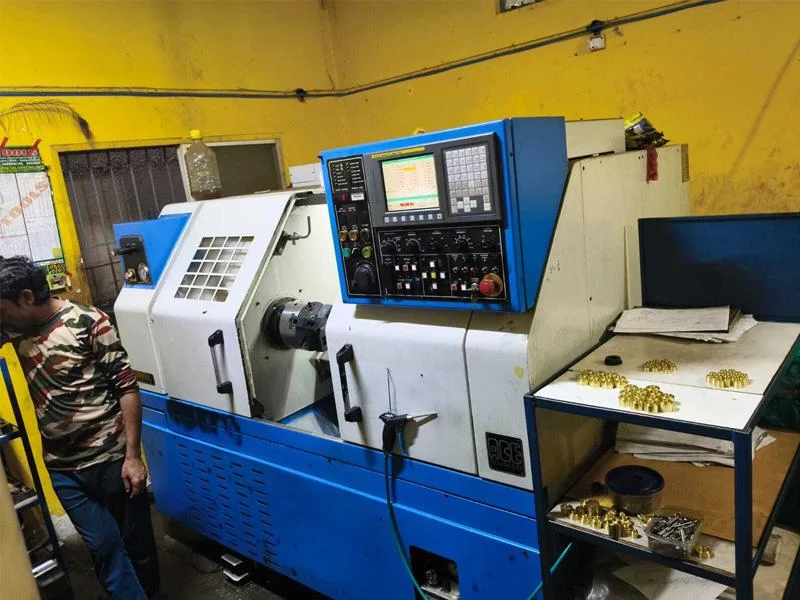
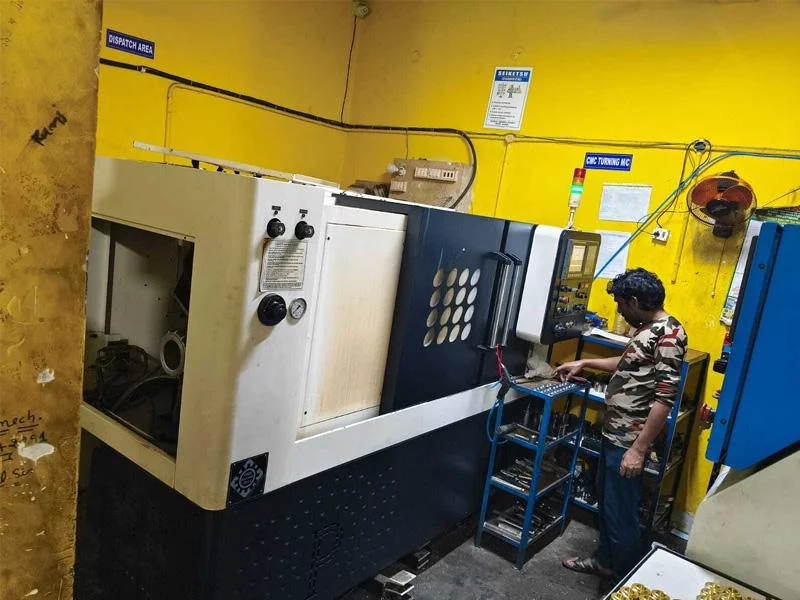
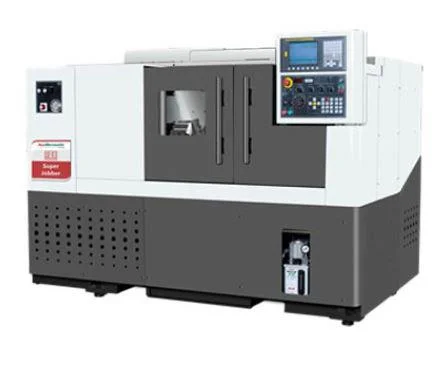
What are CNC Turning Centers?
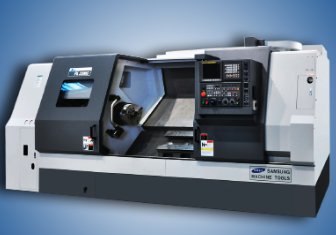
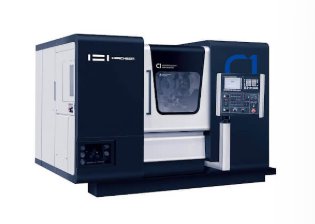
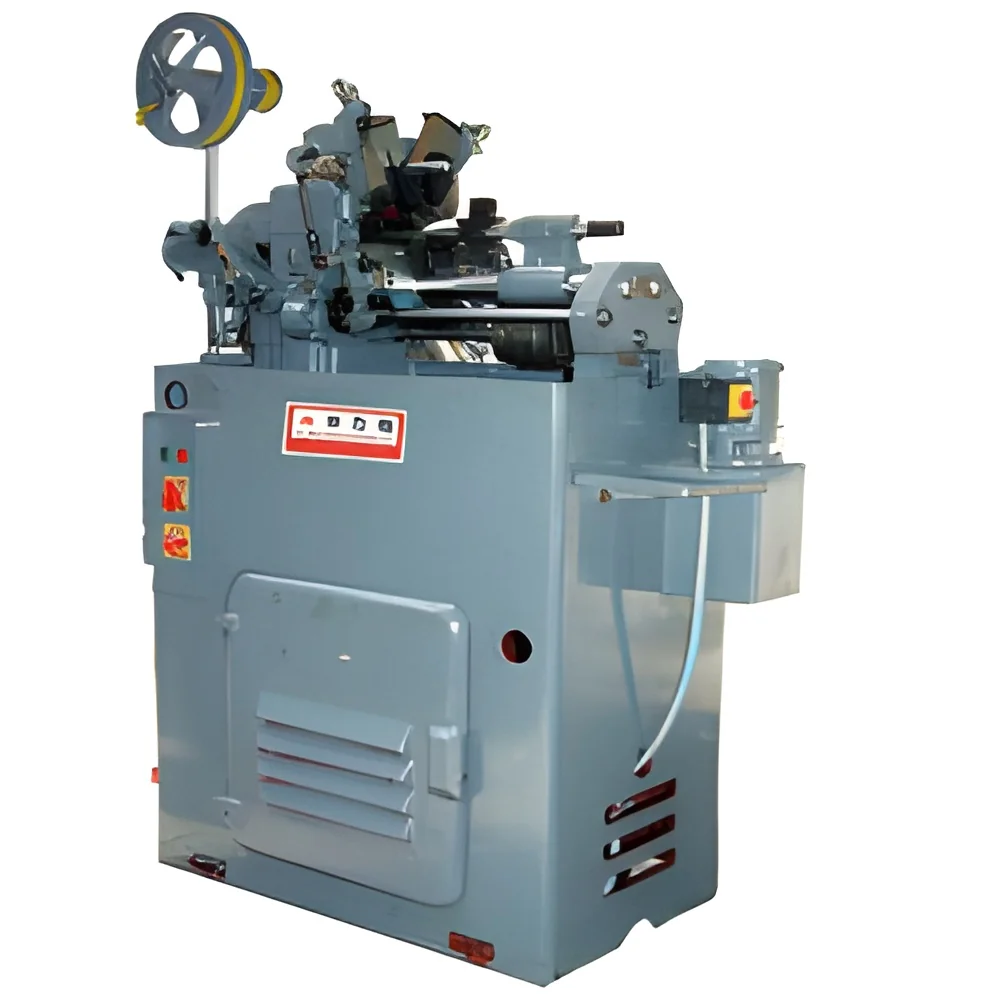
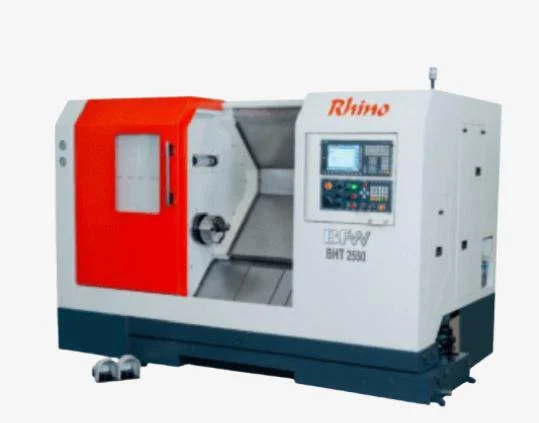
CNC Turning Centers are advanced machining tools that utilize computer numerical control (CNC) technology to automate the turning process of various materials. These machines are designed to shape and cut materials such as metal, plastic, and wood into precise cylindrical forms. The CNC aspect allows for high accuracy and repeatability, making them ideal for complex and detailed workpieces.
These centers are widely used in manufacturing industries for producing parts that require high precision and tight tolerances. They find applications in sectors such as automotive, aerospace, medical device manufacturing, and general engineering. As industries continue to evolve, the demand for CNC Turning Centers has increased, driven by the need for efficient production processes and improved product quality.
In the current market context, CNC Turning Centers represent a critical component of modern manufacturing. With the rise of automation and smart factories, these machines are integral in optimizing production workflows, reducing labor costs, and maintaining competitive advantages in the global marketplace.
Key Features and Specifications
CNC Turning Centers come with a range of features that enhance their performance and usability. These machines are equipped with advanced technology, allowing for precision machining and complex operations. Key specifications are crucial for understanding the capabilities and suitability of different models for specific applications.
Key specifications include:
1. Spindle Speed
- Spindle speeds typically range from 1,000 to 6,000 RPM.
- Higher speeds allow for faster machining and better surface finish.
2. Tool Capacity
- Tool capacity can vary from 8 to 12 tools.
- More tools increase versatility for various machining tasks.
3. Workpiece Size
- Maximum workpiece diameter can range from 250 mm to 1,200 mm.
- Size options cater to different part specifications.
4. Control System
- Most models utilize advanced CNC control systems, such as FANUC or Siemens.
- These systems provide user-friendly interfaces and extensive programming capabilities.
5. Feed Rate
- Feed rates can vary, typically from 0.1 mm/rev to 10 mm/rev.
- Adjustable feed rates enhance machining efficiency.
6. Accuracy
- Typical positional accuracy is ±0.01 mm.
- High accuracy ensures tight tolerances in finished parts.
7. Machine Dimensions
- Overall dimensions can range from compact models to larger industrial units.
- Space considerations are important for facility layout.
8. Power Consumption
- Power consumption can vary depending on the model, typically ranging from 5 kW to 20 kW.
- Efficient power usage contributes to lower operational costs.
Overall, understanding these specifications helps businesses choose the right CNC Turning Center that aligns with their manufacturing needs.
Common Applications and Use Cases
CNC Turning Centers are versatile machines that serve various industries effectively. Their precision and speed make them suitable for a wide range of applications.
1. Automotive: In the automotive industry, CNC Turning Centers are used to manufacture components such as shafts, bushings, and brackets, ensuring high precision and reliability in critical parts.
2. Aerospace: Aerospace manufacturers utilize these machines for creating intricate parts like turbine housings and engine components, where quality and weight reduction are paramount.
3. Medical Devices: In the medical sector, CNC Turning Centers are employed to produce surgical instruments and implants, requiring strict adherence to hygiene and precision standards.
4. Electronics: These machines are also used to create housings and connectors for electronic devices, allowing for detailed and complex designs.
5. Energy: In the energy sector, they manufacture components for turbines and other machinery, ensuring durability and performance in demanding environments.
6. General Engineering: Many general engineering applications benefit from CNC Turning Centers, producing parts across various materials and designs.
7. Defense: The defense industry relies on CNC Turning Centers for producing parts for military equipment, demanding high standards for accuracy and durability.
Product Variants and Subcategories
CNC Turning Centers come in several variants to cater to the specific needs of different industries and applications. Each variant offers unique features that enhance their functionality.
CNC Lathe
CNC Lathes are designed for high-precision turning operations. They are ideal for producing cylindrical parts and can handle various materials, making them versatile for multiple applications.
Multi-Axis CNC Turning Center
These centers feature additional axes for more complex machining operations. They are suitable for intricate parts that require multiple angles and orientations, improving efficiency and reducing production time.
Compact CNC Turning Center
Compact models are designed for smaller workshops or facilities with limited space. Despite their size, they provide robust features that ensure high-quality machining.
Benefits and Advantages
CNC Turning Centers offer numerous benefits that can significantly enhance manufacturing processes. These advantages contribute to improved productivity and efficiency.
1. Increased Precision: CNC technology ensures high levels of accuracy, reducing errors and rework in manufacturing.
2. Enhanced Productivity: The automation of the turning process allows for faster production cycles, leading to increased output.
3. Versatility: With the ability to handle various materials and complex shapes, CNC Turning Centers are suitable for a wide range of applications.
4. Reduced Labor Costs: Automation minimizes the need for manual labor, leading to lower operational costs and improved safety.
5. Improved Quality Control: Consistent quality is maintained through advanced monitoring features, ensuring that every part meets specifications.
6. Scalability: Businesses can scale production quickly and efficiently by adjusting machine settings and tooling, accommodating fluctuating demand.
Buying Guide for B2B Buyers
When sourcing CNC Turning Centers, it is essential to consider various factors to ensure a suitable purchase that meets your business needs.
1. Quality Assessment: Ensure the machine meets industry standards and quality certifications. Evaluate the manufacturer’s reputation and track record for reliability.
2. Supplier Verification: Vet suppliers thoroughly to confirm their credibility and ability to provide ongoing support and service. Look for reviews and testimonials from other businesses.
3. Pricing and MOQ: Consider the total cost, including initial purchase price, maintenance, and operation. Understand the minimum order quantities and their implications for your budget.
4. Delivery and Lead Times: Evaluate the supplier’s ability to meet delivery schedules and lead times. Timely delivery is crucial for maintaining production schedules.
5. Compliance Requirements: Ensure the machine complies with relevant safety and environmental regulations. Understand the certifications required for specific industries.
Compliance and Certifications
CNC Turning Centers must adhere to various compliance standards to ensure safety, quality, and environmental responsibility.
Relevant quality standards such as ISO 9001 are essential for maintaining consistent quality management systems. This certification guarantees that manufacturers maintain high standards in their operations.
Industry certifications like CE ensure that the equipment meets the necessary health and safety requirements within the European market. Compliance with these standards is essential for businesses looking to operate internationally.
Safety and testing requirements are also crucial. Machines should undergo rigorous testing to ensure they meet operational safety standards, protecting workers and the environment.
Regional compliance considerations are significant, as regulations may vary by location. Buyers must be aware of local requirements to ensure that their CNC Turning Centers meet all necessary guidelines.
Why Source CNC Turning Centers from Pepagora?
Pepagora provides a trusted platform for sourcing CNC Turning Centers with several key advantages that cater to the needs of B2B buyers.
Verified Supplier Network: Pepagora ensures that all suppliers are thoroughly vetted for quality and reliability. This verification process helps buyers confidently select trusted partners for their machinery needs.
Streamlined RFQ Process: The platform offers a simplified Request for Quotation (RFQ) process, allowing buyers to receive multiple quotes efficiently. This feature helps businesses compare options and make informed decisions quickly.
Trade Assurance and Support: Pepagora provides trade assurance, protecting buyers from potential risks associated with purchasing machinery. The support team is available to assist with any queries or issues that may arise during the procurement process.
Regional Coverage: With a strong presence in India, the GCC, and Southeast Asia, Pepagora offers extensive regional coverage. This geographic reach enables businesses to access a diverse range of suppliers and solutions tailored to their specific markets.

 IN
IN

 India
India