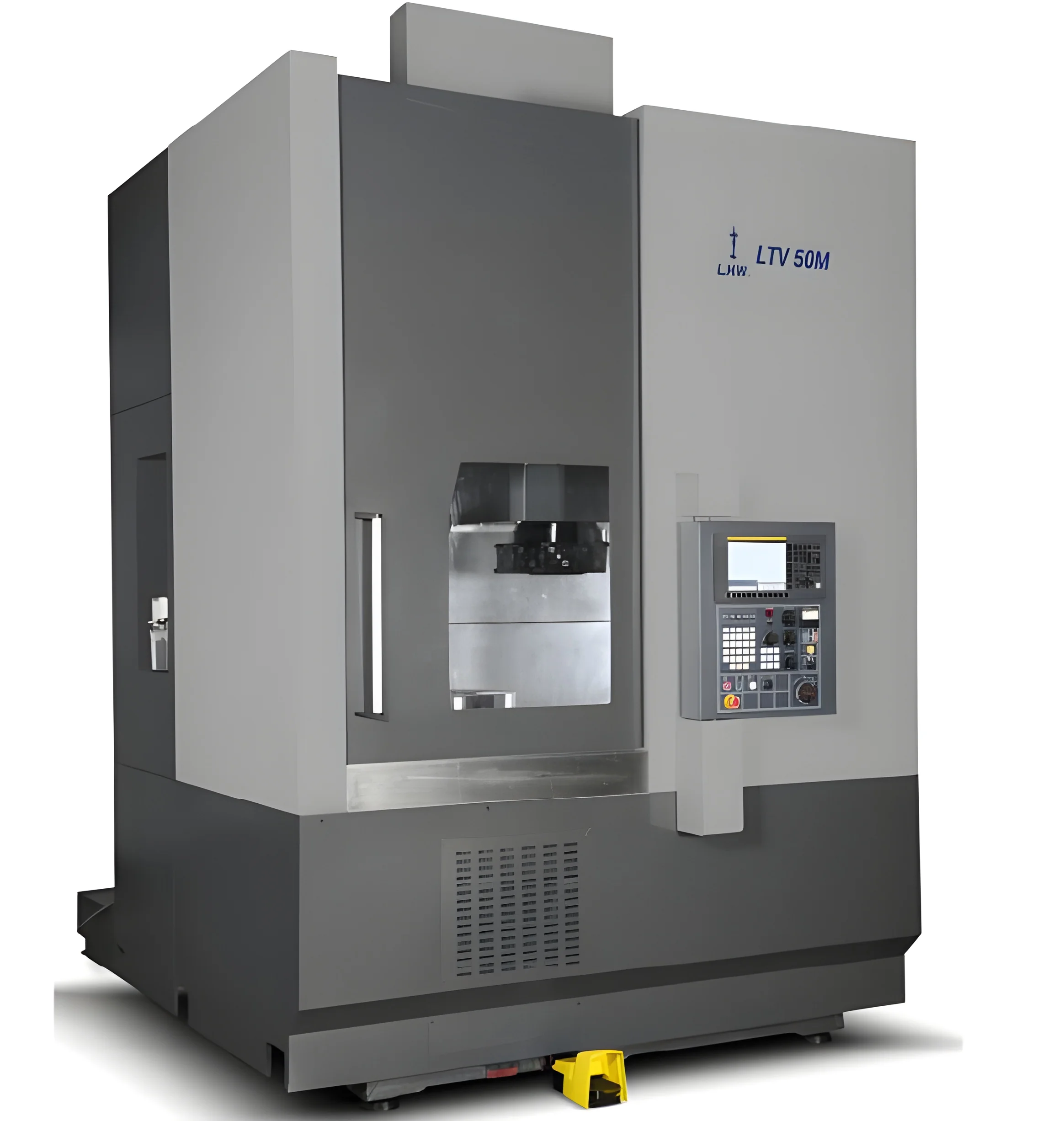
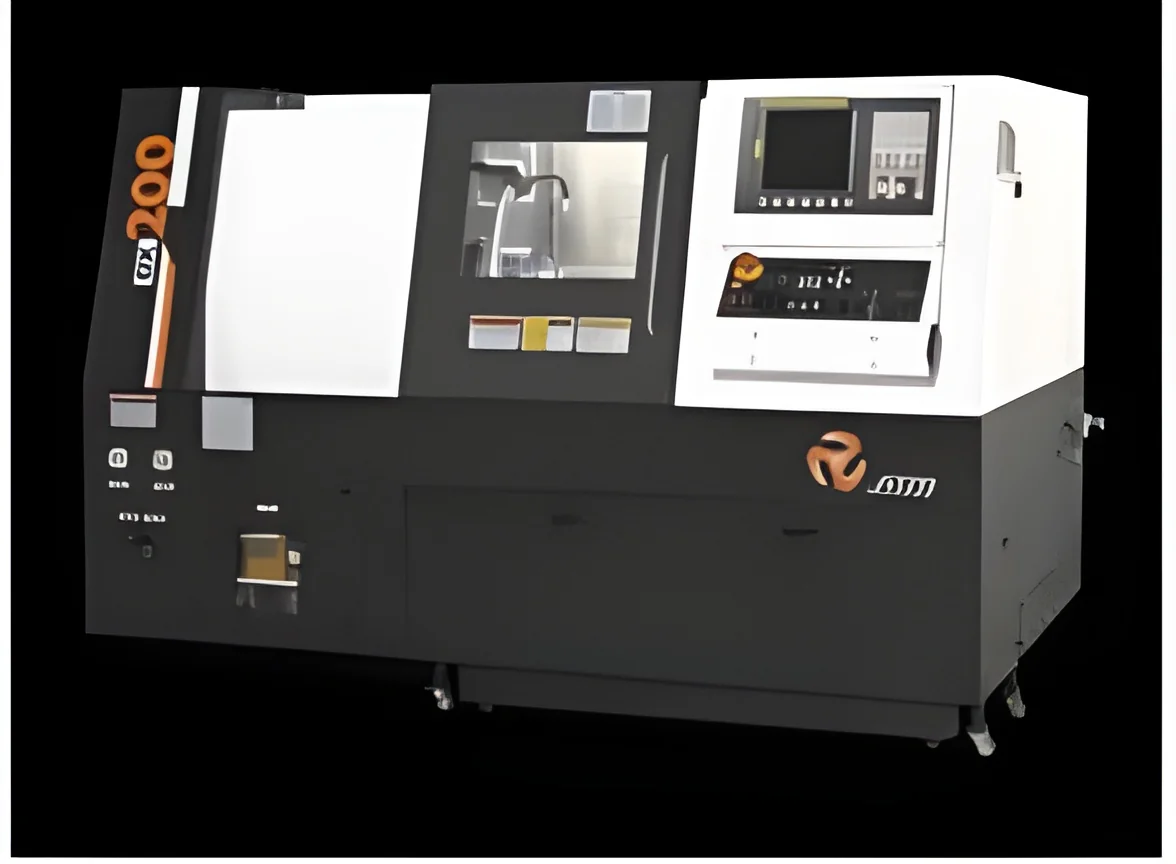
What are CNC Turn-Mill Centers?
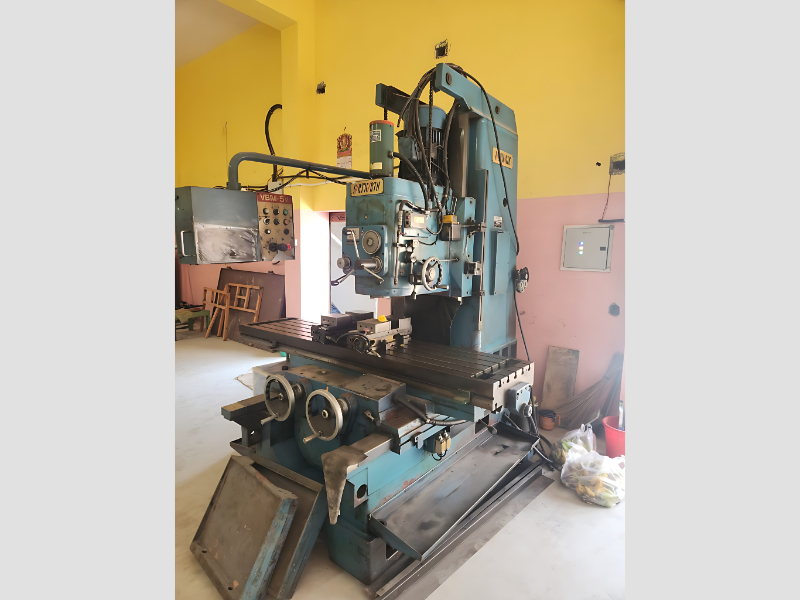
CNC Turn-Mill Centers are advanced machining tools that combine both turning and milling capabilities in a single setup. These machines are equipped with computer numerical control (CNC) technology, allowing for precise and automated operations. The integration of both turning and milling processes enhances production efficiency, reduces setup times, and minimizes handling, making them highly valuable in modern manufacturing environments.
Primarily, CNC Turn-Mill Centers are utilized for producing complex parts that require both cylindrical and intricate machining. Industries such as automotive, aerospace, and medical device manufacturing rely on these machines to create high-precision components with tight tolerances. With their ability to perform multiple operations in one cycle, they are ideal for high-volume production runs and intricate part geometries, making them a staple in advanced manufacturing.
In today’s competitive market, the relevance of CNC Turn-Mill Centers is increasingly pronounced. As manufacturers seek to improve productivity and reduce operational costs, these machines offer a compelling solution by integrating multiple processes into one platform. The rise of Industry 4.0 and the demand for agile manufacturing further cement the importance of CNC Turn-Mill Centers in optimizing production workflows and meeting diverse customer needs.
Key Features and Specifications
CNC Turn-Mill Centers are equipped with several features that enhance their functionality and performance. These machines are designed to handle complex machining tasks while providing precision and reliability.
Key specifications include:
1. Spindle Speed
- High spindle speeds allow for efficient material removal.
- Ranges typically from 1,000 to 6,000 RPM.
2. Tool Capacity
- Capable of holding multiple tools for various operations.
- Tool magazines can hold between 10 to 30 tools.
3. Workpiece Size
- Accommodates a variety of part sizes.
- Common workpiece dimensions range from a few millimeters to several feet.
4. Control System
- Advanced CNC controls for enhanced programming capabilities.
- Compatible with various software platforms for ease of operation.
5. Axis Configuration
- Multi-axis configurations, typically 3 to 5 axes.
- Allows for complex geometries and improved machining efficiency.
6. Power Consumption
- Energy-efficient designs to reduce operational costs.
- Power ratings typically between 5 to 20 kW.
7. Cooling System
- Integrated cooling mechanisms to enhance machining performance.
- Options for coolant delivery and temperature control.
8. Safety Features
- Equipped with safety interlocks and emergency stops.
- Compliance with CE safety standards for operator protection.
In summary, CNC Turn-Mill Centers combine a range of advanced features and specifications that cater to the diverse needs of modern manufacturing. Their capability to perform multiple machining operations efficiently makes them an essential asset for various industries.
Common Applications and Use Cases
CNC Turn-Mill Centers find applications across multiple industries, enabling manufacturers to produce a wide array of complex components.
1. Automotive Industry: Used for machining engine components, transmission parts, and other critical automotive elements that require high precision.
2. Aerospace Industry: Ideal for manufacturing aircraft components that demand strict adherence to tolerances and lightweight designs.
3. Medical Device Manufacturing: Employed to create intricate parts such as surgical instruments and implantable devices, ensuring high reliability and precision.
4. Electronics Sector: Utilized for producing casings and components that require fine machining and high-quality finishes.
5. Oil and Gas Industry: Engaged in the production of valves and fittings that are essential for efficient operations in demanding environments.
6. Defense Manufacturing: Critical for creating components that require durability and precision in defense applications.
7. Tool and Die Making: Used for crafting complex molds and tools necessary for various manufacturing processes.
Product Variants and Subcategories
CNC Turn-Mill Centers are designed with a variety of features to meet different manufacturing needs.
High-Performance Turn-Mill Center
This variant offers enhanced spindle speeds and tool capacities, making it suitable for high-volume production. It is designed for industries that demand rapid machining cycles and superior surface finishes.
Compact Turn-Mill Center
Ideal for smaller workshops or limited spaces, this variant is optimized for efficiency and versatility. It offers essential features in a compact design, allowing manufacturers to achieve high-quality results without occupying large floor space.
Benefits and Advantages
CNC Turn-Mill Centers offer numerous advantages that enhance manufacturing processes.
1. Increased Productivity: By combining turning and milling operations in one machine, manufacturers can achieve faster cycle times and reduce setup times.
2. Enhanced Precision: CNC technology ensures that machining operations are performed with high accuracy, resulting in superior part quality.
3. Cost-Effectiveness: The integration of multiple processes reduces the need for additional machines, saving on capital and operational costs.
4. Flexibility: Capable of handling various materials and complex geometries, these machines can adapt to changing production needs.
5. Streamlined Operations: With fewer setups required, manufacturers can optimize their workflows and increase overall efficiency.
6. Space Savings: By consolidating multiple machines into one, CNC Turn-Mill Centers help save valuable floor space in manufacturing facilities.
Buying Guide for B2B Buyers
When sourcing CNC Turn-Mill Centers, it is essential to consider several key factors to make an informed purchasing decision.
1. Quality Assessment: Evaluate the machine’s build quality and precision capabilities. Look for manufacturers with a reputation for high standards and quality assurance processes.
2. Supplier Verification: Conduct thorough research on potential suppliers. Verify their credentials, previous customer feedback, and overall reliability in delivering CNC machinery.
3. Pricing and MOQ: Understand the pricing structure and minimum order quantities (MOQ) to ensure it aligns with your budget and production needs.
4. Delivery and Lead Times: Inquire about lead times for delivery to ensure that the machine will be available when needed. Consider logistics and transportation options.
5. Compliance Requirements: Ensure that the CNC Turn-Mill Centers meet all necessary industry standards and regulations. Compliance with safety and quality certifications is crucial for operational success.
Compliance and Certifications
CNC Turn-Mill Centers are subject to a variety of compliance and certification standards that ensure safety and quality in manufacturing.
ISO 9001 is a widely recognized quality management standard that emphasizes consistent quality and continuous improvement processes. Many manufacturers seek this certification to demonstrate their commitment to quality.
CE certification indicates that the machinery meets European health, safety, and environmental protection standards. This certification is crucial for suppliers targeting markets that require compliance with stringent safety regulations.
Safety and testing requirements must be adhered to, ensuring that machines are safe for operators and meet industry standards. Regular inspections and maintenance help ensure ongoing compliance.
Regional compliance considerations may vary. Buyers should be aware of local regulations and standards to ensure that the CNC Turn-Mill Centers they acquire are suitable for their specific operational environments.
Why Source CNC Turn-Mill Centers from Pepagora?
Pepagora provides a trusted platform for sourcing CNC Turn-Mill Centers, offering several key advantages to B2B buyers.
Verified Supplier Network: Pepagora has established a robust network of verified suppliers, ensuring that buyers have access to reputable manufacturers. This verification process helps mitigate risks associated with sourcing machinery.
Streamlined RFQ Process: The platform offers a simplified Request for Quotation (RFQ) process, allowing buyers to easily compare quotes from multiple suppliers. This transparency empowers buyers to make informed decisions based on pricing and specifications.
Trade Assurance and Support: Pepagora provides trade assurance features that protect buyers throughout the purchasing process. This includes support for resolving disputes and ensuring that orders are fulfilled as agreed.
Regional Coverage: Pepagora’s geographic reach extends across India, the Gulf Cooperation Council (GCC) countries, and Southeast Asia. This broad coverage ensures that buyers can access local suppliers while benefiting from a global network of trusted manufacturers.

 IN
IN

 India
India