𝗪𝗵𝗮𝘁 𝗮𝗿𝗲 𝗖𝗲𝗿𝗮𝗺𝗶𝗰 𝗚𝗿𝗶𝗻𝗱𝗶𝗻𝗴 𝗠𝗲𝗱𝗶𝗮?
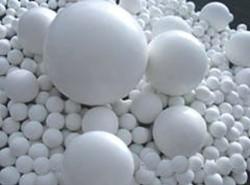
Ceramic grinding media refers to a type of abrasive material used for grinding, mixing, and dispersing materials in various industrial processes. These media are typically made from high-quality ceramic materials that are engineered for durability and efficiency. They are designed to provide superior performance in applications that require fine particle size reduction and uniform dispersion of materials.
Ceramic grinding media is commonly used in industries such as mining, ceramics, paint, coatings, and chemicals. These materials are essential in processes like ball milling and attrition milling, where they facilitate the grinding of ores, pigments, and other materials. The use of ceramic media not only enhances the grinding efficiency but also minimizes contamination of the processed materials, making them suitable for sensitive applications.
As industries continue to evolve, the demand for high-performance ceramic grinding media is increasing. The market is driven by the need for advanced materials that can withstand harsh conditions while delivering consistent results. Companies are investing in innovative solutions to improve their grinding processes, making ceramic grinding media a critical component in enhancing productivity and maintaining product quality.
𝗞𝗲𝘆 𝗙𝗲𝗮𝘁𝘂𝗿𝗲𝘀 𝗮𝗻𝗱 𝗦𝗽𝗲𝗰𝗶𝗳𝗶𝗰𝗮𝘁𝗶𝗼𝗻𝘀
Ceramic grinding media offers a range of features that make it suitable for various applications. These features contribute to its effectiveness and efficiency in grinding processes. The specifications of ceramic grinding media can vary based on the intended use and the specific requirements of different industries.
Key specifications include:
1. Material Composition
- Typically made from alumina, zirconia, or other advanced ceramics
- Provides high hardness and wear resistance
2. Size Range
- Available in various sizes, typically from 0.2 mm to 50 mm
- Allows for customization based on milling requirements
3. Density
- High density options available for enhanced grinding efficiency
- Common densities range from 2.5 g/cm³ to 6.0 g/cm³
4. Shape
- Common shapes include spheres, cylinders, and irregular shapes
- Shape influences grinding performance and media packing
5. Chemical Resistance
- Resistant to many chemicals, reducing contamination risk
- Suitable for use in aggressive environments
6. Hardness
- Hardness ratings typically range from 9 to 10 on the Mohs scale
- Ensures longevity and performance in grinding applications
7. Uniformity
- Designed for consistent size and shape
- Promotes efficient grinding and reduces wear on milling equipment
8. Thermal Stability
- Capable of withstanding high temperatures
- Prevents degradation during high-energy milling processes
In summary, ceramic grinding media is defined by its unique features and specifications that cater to various industrial applications. Its durability, versatility, and efficiency make it an essential component in modern grinding processes.
𝗖𝗼𝗺𝗺𝗼𝗻 𝗔𝗽𝗽𝗹𝗶𝗰𝗮𝘁𝗶𝗼𝗻𝘀 𝗮𝗻𝗱 𝗨𝘀𝗲 𝗖𝗮𝘀𝗲𝘀
Ceramic grinding media serves a wide range of industries, providing tailored solutions for diverse applications.
1. Mining: Used in the grinding of ores and minerals, enhancing the extraction process and improving yield.
2. Ceramics: Essential for milling clay, glazes, and other ceramic materials, ensuring a fine and uniform particle size.
3. Paints and Coatings: Utilized for grinding pigments and additives, achieving dispersion and color consistency in final products.
4. Chemicals: Employed in the processing of various chemicals, including polymers and resins, to ensure a high-quality finish.
5. Pharmaceuticals: Used for milling active ingredients and excipients, maintaining product purity and quality.
6. Food Processing: Applied in grinding spices and other food ingredients, ensuring safety and compliance with food standards.
7. Electronics: Critical in the production of electronic materials, providing precision grinding for components.
Each of these industries relies on ceramic grinding media to enhance their processes and achieve optimal results. Its adaptability makes it a go-to solution across many sectors.
𝗣𝗿𝗼𝗱𝘂𝗰𝘁 𝗩𝗮𝗿𝗶𝗮𝗻𝘁𝘀 𝗮𝗻𝗱 𝗦𝘂𝗯𝗰𝗮𝘁𝗲𝗴𝗼𝗿𝗶𝗲𝘀
Ceramic grinding media comes in various forms to cater to specific needs within different industries. This diversity allows businesses to select the most suitable option for their grinding applications.
Alumina Grinding Media
This type of media is known for its high hardness and low wear rate. It is widely used in the ceramics industry and is ideal for milling materials that require minimal contamination.
Zirconia Grinding Media
Zirconia media offers superior toughness and is perfect for high-energy milling applications. It is commonly used in the production of advanced ceramics and in the paint and coatings industry.
Silica Grinding Media
Though less common, silica media can be used in certain applications where lower wear rates are acceptable. It is typically chosen for specific low-cost applications.
Each variant is designed to meet distinct performance criteria, allowing companies to optimize their grinding processes.
𝗕𝗲𝗻𝗲𝗳𝗶𝘁𝘀 𝗮𝗻𝗱 𝗔𝗱𝘃𝗮𝗻𝘁𝗮𝗴𝗲𝘀
The use of ceramic grinding media provides several advantages that can significantly impact production efficiency and product quality.
1. Enhanced Grinding Efficiency: Ceramic media is designed to provide superior grinding performance, leading to faster processing times and reduced energy consumption.
2. Reduced Contamination: The inert nature of ceramic materials minimizes the risk of contamination in sensitive applications, ensuring product purity.
3. Longevity: High durability and wear resistance mean that ceramic grinding media lasts longer, reducing replacement costs and downtime.
4. Versatility: Available in various sizes and shapes, ceramic media can be tailored to suit specific milling requirements across multiple industries.
5. Chemical Resistance: The resistance to chemicals ensures the integrity of the media in aggressive environments, extending its operational lifespan.
6. Improved Final Product Quality: Consistent particle size reduction leads to better dispersion and overall quality in end products, enhancing customer satisfaction.
These benefits make ceramic grinding media a valuable investment for businesses seeking to improve their grinding processes and product quality.
𝗕𝘂𝘆𝗶𝗻𝗴 𝗚𝘂𝗶𝗱𝗲 𝗳𝗼𝗿 𝗕𝟮𝗕 𝗕𝘂𝘆𝗲𝗿𝘀
When sourcing ceramic grinding media, buyers should consider several important factors to ensure they select the right product for their needs.
1. Quality Assessment: Evaluate the quality of the ceramic media based on material composition, hardness, and manufacturing processes. Look for certifications that indicate adherence to industry standards.
2. Supplier Verification: Choose suppliers with a solid reputation in the industry. Request references and review their track record for reliability and customer service.
3. Pricing and MOQ: Understand the pricing structure and minimum order quantities. Compare quotes from multiple suppliers to find competitive pricing that meets your budget.
4. Delivery and Lead Times: Inquire about the supplier's logistics capabilities and expected lead times for delivery. Ensure they can meet your production schedules.
5. Compliance Requirements: Check for compliance with relevant industry standards and certifications, such as CE marking. This ensures that the media meets safety and performance requirements for your specific application.
By considering these factors, B2B buyers can make informed decisions and select the best ceramic grinding media for their operations.
𝗖𝗼𝗺𝗽𝗹𝗶𝗮𝗻𝗰𝗲 𝗮𝗻𝗱 𝗖𝗲𝗿𝘁𝗶𝗳𝗶𝗰𝗮𝘁𝗶𝗼𝗻𝘀
Ceramic grinding media must adhere to various compliance and certification standards to ensure safety and performance in industrial applications.
Key quality standards include ISO 9001, which focuses on quality management systems, ensuring that products meet customer requirements and regulatory demands. Additionally, HACCP (Hazard Analysis Critical Control Point) is crucial in industries like food processing, where safety and quality are paramount.
Certifications such as CE indicate that the products meet European safety standards, making them suitable for use in the EU market. Compliance with these standards assures buyers of the media's reliability and safety.
Moreover, safety and testing requirements are essential for ceramic grinding media. This includes rigorous testing for physical properties and performance, ensuring that the media can withstand the demands of various applications.
Regional compliance considerations may also apply based on local regulations and market requirements. Buyers should be aware of these factors when sourcing ceramic grinding media to ensure their products meet all necessary guidelines.
𝗪𝗵𝘆 𝗦𝗼𝘂𝗿𝗰𝗲 𝗖𝗲𝗿𝗮𝗺𝗶𝗰 𝗚𝗿𝗶𝗻𝗱𝗶𝗻𝗴 𝗠𝗲𝗱𝗶𝗮 𝗳𝗿𝗼𝗺 𝗣𝗲𝗽𝗮𝗴𝗼𝗿𝗮?
Pepagora offers a trusted platform for sourcing ceramic grinding media, providing significant advantages for B2B buyers.
Verified Supplier Network: Pepagora connects buyers with a network of verified suppliers who have been thoroughly vetted for quality and reliability. This ensures that buyers can trust the products they receive.
Streamlined RFQ Process: The request for quotation (RFQ) system simplifies the procurement process. Buyers can easily submit their requirements and receive competitive quotes from multiple suppliers, saving time and effort.
Trade Assurance and Support: With trade assurance measures in place, Pepagora provides buyers with protection against potential disputes. This added layer of security enhances buyer confidence in their transactions.
Regional Coverage: Pepagora serves a wide geographic area, including India, the GCC, and Southeast Asia. This broad reach allows buyers to find suitable suppliers within their region, facilitating easier logistics and communication.
By choosing Pepagora, businesses can streamline their sourcing process for ceramic grinding media and gain access to high-quality products that meet their specific needs.

 IN
IN