𝗪𝗵𝗮𝘁 𝗮𝗿𝗲 𝗖𝗲𝗿𝗮𝗺𝗶𝗰 𝗖𝗿𝘂𝗰𝗶𝗯𝗹𝗲𝘀?
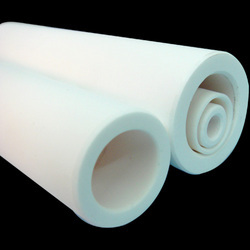
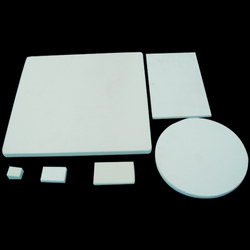
Ceramic crucibles are high-temperature resistant containers used to melt or hold materials during heating processes. Made from various ceramic materials, these crucibles can withstand extreme temperatures without deforming or reacting with the substances they contain. They are essential in various industrial applications, especially in metallurgy, ceramics, and laboratory settings.
Primarily, ceramic crucibles are utilized for melting metals, glass, and other materials that require high thermal stability. Their ability to maintain structural integrity under intense heat makes them a preferred choice for foundries and research laboratories. Industries rely on these crucibles for precise temperature control and chemical resistance, ensuring that the processes are efficient and safe.
In the current market, ceramic crucibles are highly relevant due to the ongoing advancements in manufacturing techniques and materials science. As industries evolve and demand for high-performance products increases, the market for ceramic crucibles is expected to grow. Their versatility and durability position them as vital components in various industrial processes.
𝗞𝗲𝘆 𝗙𝗲𝗮𝘁𝘂𝗿𝗲𝘀 𝗮𝗻𝗱 𝗦𝗽𝗲𝗰𝗶𝗳𝗶𝗰𝗮𝘁𝗶𝗼𝗻𝘀
Ceramic crucibles offer several key features that enhance their performance in high-temperature applications. Their design and material composition are crucial to their functionality and longevity.
Key specifications include:
1. Material Composition
- Typically made from alumina, silica, or zirconia.
- Each material offers different thermal properties and chemical resistances.
2. Temperature Resistance
- Capable of withstanding temperatures up to 1650 degrees Celsius.
- Varies depending on the specific type of ceramic used.
3. Chemical Resistance
- Resistant to various acids and alkalis.
- Suitable for use in corrosive environments.
4. Size and Volume
- Available in various sizes ranging from small laboratory crucibles to large industrial crucibles.
- Volume capacities can range from a few milliliters to several liters.
5. Shape and Design
- Typically cylindrical or conical in shape.
- Designed to facilitate easy handling and pouring.
6. Thermal Shock Resistance
- Designed to withstand rapid temperature changes without cracking.
- Ensures durability during heating and cooling cycles.
7. Surface Finish
- Smooth surfaces to minimize contamination.
- May include glazed or unglazed options based on application needs.
Ceramic crucibles are designed to meet specific industrial requirements, ensuring they deliver optimal performance in various applications.
𝗖𝗼𝗺𝗺𝗼𝗻 𝗔𝗽𝗽𝗹𝗶𝗰𝗮𝘁𝗶𝗼𝗻𝘀 𝗮𝗻𝗱 𝗨𝘀𝗲 𝗖𝗮𝘀𝗲𝘀
Ceramic crucibles serve a wide array of industries due to their high-temperature capabilities and chemical resistance.
1. Metallurgy: Used for melting metals and alloys, ceramic crucibles are essential in foundries where precision and durability are required for casting processes.
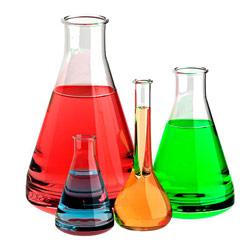
2. Laboratory Research: In laboratories, they are utilized for experiments involving high-temperature reactions, including material synthesis and chemical analysis.
3. Glass Manufacturing: Crucibles are critical in the glass industry for melting raw materials and maintaining consistent temperatures during production.
4. Ceramics Production: Ceramic crucibles are used to fire ceramic materials, ensuring they retain their shape and properties under heat.
5. Pharmaceutical Industry: They are employed for melting and mixing compounds, where precise temperature control and chemical inertness are crucial.
6. Jewelry Production: Used to melt precious metals for casting, ceramic crucibles provide the necessary thermal stability for intricate designs.
7. Environmental Testing: In environmental laboratories, they are utilized for incinerating hazardous waste materials, ensuring safe disposal.
𝗣𝗿𝗼𝗱𝘂𝗰𝘁 𝗩𝗮𝗿𝗶𝗮𝗻𝘁𝘀 𝗮𝗻𝗱 𝗦𝘂𝗯𝗰𝗮𝘁𝗲𝗴𝗼𝗿𝗶𝗲𝘀
Ceramic crucibles come in diverse designs to cater to specific applications and industry needs.
High-Purity Ceramic Crucibles: These are designed for applications requiring minimal contamination. They are ideal for laboratory settings and high-precision work.
Low-Fusion Ceramic Crucibles: Suitable for melting materials at lower temperatures, these crucibles are often used in glass and ceramics production.
Specialty Ceramic Crucibles: Designed for unique applications, these may include features tailored for specific chemical processes or temperature ranges.
𝗕𝗲𝗻𝗲𝗳𝗶𝘁𝘀 𝗮𝗻𝗱 𝗔𝗱𝘃𝗮𝗻𝘁𝗮𝗴𝗲𝘀
Ceramic crucibles offer a range of benefits that make them indispensable in various industries.
1. High Temperature Tolerance: Capable of withstanding extreme temperatures, they ensure reliability during high-heat processes.
2. Chemical Inertness: Their resistance to chemical reactions allows for safe use with a variety of materials without contamination.
3. Durability: Designed for repeated use, ceramic crucibles have a long lifespan, reducing the need for frequent replacements.
4. Versatility: Suitable for a wide range of applications, they can be adapted for different industrial needs.
5. Cost-Effectiveness: The longevity and reusability of ceramic crucibles contribute to lower overall operational costs.
6. Ease of Handling: Their design typically allows for easy transportation and pouring, enhancing operational efficiency.
𝗕𝘂𝘆𝗶𝗻𝗴 𝗚𝘂𝗶𝗱𝗲 𝗳𝗼𝗿 𝗕𝟮𝗕 𝗕𝘂𝘆𝗲𝗿𝘀
When sourcing ceramic crucibles, it is essential to consider several factors to ensure you select the right product for your needs.
1. Quality Assessment: Evaluate the material composition and manufacturing processes to ensure the crucibles meet industry standards for durability and performance.
2. Supplier Verification: Conduct thorough research to vet suppliers, ensuring they have a good reputation and reliable track record in providing high-quality products.
3. Pricing and MOQ: Understand the cost structure and minimum order quantities to ensure they fit within your budget and procurement strategy.
4. Delivery and Lead Times: Confirm the supplier’s ability to meet your delivery requirements, considering any lead times necessary for production.
5. Compliance Requirements: Ensure that the crucibles meet any relevant industry regulations or certifications, such as CE marking for safety.
𝗖𝗼𝗺𝗽𝗹𝗶𝗮𝗻𝗰𝗲 𝗮𝗻𝗱 𝗖𝗲𝗿𝘁𝗶𝗳𝗶𝗰𝗮𝘁𝗶𝗼𝗻𝘀
Ceramic crucibles must adhere to various quality standards to ensure safety and performance. ISO 9001 is a key standard that outlines requirements for a quality management system, ensuring consistent quality in manufacturing processes.
Additionally, many ceramic crucibles carry the CE certification, indicating compliance with European health, safety, and environmental protection standards. This certification is crucial for businesses operating in regulated regions.
Safety and testing requirements are also essential considerations. Manufacturers should conduct thorough testing to validate the crucibles' performance under high-temperature conditions. Regional compliance considerations may vary, so it is vital to be aware of local regulations that may impact procurement and usage.
𝗪𝗵𝘆 𝗦𝗼𝘂𝗿𝗰𝗲 𝗖𝗲𝗿𝗮𝗺𝗶𝗰 𝗖𝗿𝘂𝗰𝗶𝗯𝗹𝗲𝘀 𝗳𝗿𝗼𝗺 𝗣𝗲𝗽𝗮𝗴𝗼𝗿𝗮?
Pepagora provides a trusted platform for sourcing ceramic crucibles, offering several key advantages to B2B buyers.
Verified Supplier Network: The platform features a network of verified suppliers, ensuring that buyers can connect with reputable manufacturers who meet strict quality standards.
Streamlined RFQ Process: Pepagora simplifies the request for quotation process, allowing businesses to easily obtain multiple quotes and compare options based on their needs.
Trade Assurance and Support: Buyers benefit from trade assurance measures that protect their purchases, ensuring a safe transaction environment.
Regional Coverage: With a focus on markets in India, the GCC, and Southeast Asia, Pepagora offers a wide geographic reach, making it easier for businesses to source ceramic crucibles from local suppliers.

 IN
IN
 India
India