
 IN
Carriage Bolts
1 products available
What are Carriage Bolts?
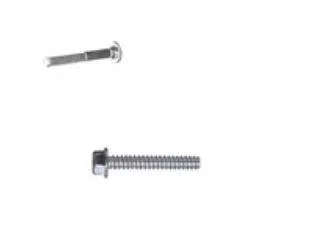
Carriage bolts are a type of fastener characterized by a smooth, rounded head and a square or rectangular neck that provides a secure grip when installed. Designed to be inserted into pre-drilled holes, they are typically used to fasten two or more materials together, such as wood or metal. The rounded head allows for easy installation, while the square neck prevents the bolt from turning when a nut is tightened.
These fasteners are commonly used in various applications, including construction, furniture assembly, and manufacturing. Their versatility makes them suitable for both indoor and outdoor projects. Carriage bolts are particularly popular in situations where a flush finish is desired, as they sit snugly against the material surface. The industrial relevance of carriage bolts is significant, as they are essential components in structural applications, heavy machinery, and more, serving a wide range of industries.
Key Features and Specifications
Carriage bolts offer a number of features that make them ideal for various applications. They are manufactured in different materials, sizes, and finishes to meet the needs of different industries. Understanding their specifications is essential for selecting the right bolts for specific projects.
Key specifications include:
1. Material
- Common materials include carbon steel, stainless steel, and galvanized steel.
- Each material offers different levels of corrosion resistance and strength.
2. Size
- Available in various diameters and lengths, typically ranging from 1/4 inch to 1 inch in diameter and from 1 inch to 12 inches in length.
- The size selection should match the thickness of the materials being fastened.
3. Head Style
- Features a rounded head that provides a smooth finish.
- The square neck design ensures that the bolt remains fixed during tightening.
4. Finish
- Available in different finishes such as zinc-plated, hot-dipped galvanized, and plain steel.
- Finish selection impacts corrosion resistance and aesthetic appeal.
5. Thread Type
- Generally features a coarse thread that provides strong grip and stability.
- Coarse threads are preferred for wood applications.
6. Load Capacity
- Load capacities vary based on material and size.
- It is crucial to select the appropriate load rating for the application to ensure safety.
In summary, carriage bolts are versatile fasteners with various features that cater to a wide range of applications, making them essential in numerous industries.
Common Applications and Use Cases
Carriage bolts are utilized across multiple sectors due to their strength and reliability. Their design makes them suitable for various applications.
1. Construction: Carriage bolts are used to join wooden beams and structural elements, providing strong connections in framing and support structures.
2. Furniture Manufacturing: They are commonly employed in assembling furniture pieces, such as tables and chairs, ensuring stability and durability.
3. Transportation: In the automotive and transportation industry, carriage bolts are used in trailer assembly and securing components, ensuring safety and reliability.
4. Outdoor Structures: Carriage bolts are ideal for deck building and outdoor furniture due to their weather-resistant properties.
5. Industrial Equipment: In manufacturing, these bolts are used to assemble machinery and equipment, providing essential strength and support.
6. DIY Projects: Home improvement enthusiasts often use carriage bolts for various projects, including fencing and shelving, due to their ease of use.
Product Variants and Subcategories
Carriage bolts come in various forms to meet specific application needs. Although specific subcategories are not available, the common variants cater to different requirements.
Standard Carriage Bolts
These are the most commonly used carriage bolts, available in various sizes and materials. They are suitable for general applications in construction and furniture assembly.
Heavy-Duty Carriage Bolts
Designed for more demanding applications, heavy-duty carriage bolts offer enhanced strength and load-bearing capacity. They are often used in structural applications and heavy machinery assembly.
Corrosion-Resistant Carriage Bolts
These variants come with specialized coatings or materials, such as stainless steel or galvanized finishes, to withstand harsh environments. They are perfect for outdoor and marine applications.
Benefits and Advantages
Carriage bolts provide numerous advantages that make them a preferred choice for various fastening needs.
1. Easy Installation: The design of carriage bolts allows for quick and easy installation, making them user-friendly for both professionals and DIY enthusiasts.
2. Strong Connections: With their square neck and coarse threads, carriage bolts provide excellent grip and strong connections, ensuring structural integrity.
3. Versatility: Carriage bolts can be used in a wide range of applications, from construction to furniture assembly, making them highly versatile.
4. Aesthetic Appeal: The rounded head design allows for a flush finish, enhancing the overall appearance of the assembled materials.
5. Corrosion Resistance: Available in various finishes, many carriage bolts offer resistance to rust and corrosion, making them suitable for outdoor use.
6. Cost-Effectiveness: Carriage bolts are generally affordable, providing a cost-effective solution for various fastening needs.
Buying Guide for B2B Buyers
When sourcing carriage bolts, several critical factors should be considered to ensure quality and suitability for specific applications.
1. Quality Assessment: Look for carriage bolts that meet industry standards for strength and durability. Check for certifications or compliance with recognized quality benchmarks.
2. Supplier Verification: Vet potential suppliers by checking their reputation, customer reviews, and history in the industry. Reliable suppliers should provide detailed product information and support.
3. Pricing and MOQ: Consider the pricing structure of different suppliers and look for minimum order quantities that fit your budget and project requirements.
4. Delivery and Lead Times: Inquire about logistics and expected lead times for delivery. Timely delivery is crucial for maintaining project schedules.
5. Compliance Requirements: Ensure that the carriage bolts comply with regional and industry-specific regulations. Familiarize yourself with any certifications required for your application.
Compliance and Certifications
Carriage bolts must adhere to specific quality standards and certifications to ensure safety and reliability in their applications. One relevant standard is ISO 9001, which focuses on quality management systems and ensures consistent product quality.
Additionally, industry certifications such as CE mark indicate that the product complies with European health, safety, and environmental protection standards. This certification is crucial for businesses operating in Europe or dealing with European companies.
Safety and testing requirements are also paramount, as they ensure that the bolts can withstand the stresses and strains of their intended use. Manufacturers often conduct rigorous testing to ensure that their products meet these standards.
Regional compliance considerations may vary, so it is essential for buyers to understand the specific regulations applicable to their location and industry.
Why Source Carriage Bolts from Pepagora?
Pepagora offers a trusted platform for sourcing carriage bolts, providing buyers with several key advantages.
Verified Supplier Network: Pepagora connects buyers with a network of verified suppliers, ensuring that you receive quality products from reputable manufacturers. This verification process helps mitigate risks associated with sourcing.
Streamlined RFQ Process: The request for quotation (RFQ) process on Pepagora is designed to be efficient. Buyers can easily submit their requirements and receive competitive quotes from multiple suppliers, facilitating informed decision-making.
Trade Assurance and Support: Pepagora provides trade assurance, protecting buyers from potential issues during the sourcing process. This support helps to build confidence and establishes a secure purchasing environment.
Regional Coverage: With a broad geographic reach covering India, the GCC, and Southeast Asia, Pepagora can connect buyers with local suppliers, reducing shipping times and costs. This regional focus benefits businesses looking for timely access to carriage bolts and other industrial products.


Frequently Asked Questions
What are Carriage Bolts?
Carriage bolts are a type of fastener characterized by a smooth, rounded head and a square or rectangular shank that prevents them from turning when tightened. They are commonly used in wood and metal applications where a flush finish is desired.
What are the different types of Carriage Bolts?
There are several types of carriage bolts including standard carriage bolts, with a flat or rounded head, and those with a square neck for added grip. Additionally, variations may include different materials such as stainless steel or galvanized steel to suit various environmental conditions.
How do I choose the right Carriage Bolts?
Choosing the right carriage bolts involves considering the material, size, and length required for your specific application. It is also important to assess the load requirements and environmental conditions to select a suitable finish and strength.
What are the standard specifications for Carriage Bolts?
Standard specifications for carriage bolts typically include diameter, length, and thread type. Common sizes range from 1/4 inch to 1 inch in diameter, with lengths varying from 1 inch to 12 inches or more.
What is the price range for Carriage Bolts?
The price range for carriage bolts can vary based on size, material, and quantity. Generally, prices can start from a few INR for smaller bolts to several hundred INR for larger or specialty bolts.
What quality standards apply to Carriage Bolts?
Quality standards for carriage bolts often include compliance with international norms such as ASTM or ISO standards. Manufacturers may also adhere to specific industry standards to ensure durability and performance in various applications.
Where can I find Carriage Bolts suppliers in India?
Carriage bolts suppliers in India can be found through online B2B marketplaces, local hardware stores, and specialty fastener suppliers. Platforms like Pepagora.com provide a comprehensive list of manufacturers and suppliers for easy sourcing.
Can Carriage Bolts be customized?
Yes, carriage bolts can be customized in terms of size, material, and finish to meet specific project requirements. Many manufacturers offer customization options to cater to unique applications and client needs.
What is the typical minimum order quantity for Carriage Bolts?
The typical minimum order quantity (MOQ) for carriage bolts can vary by supplier but generally ranges from 100 to 1000 pieces. It is advisable to check with individual suppliers for their specific MOQ requirements.
What is the typical lead time for Carriage Bolts?
The typical lead time for carriage bolts can range from a few days to several weeks, depending on the supplier, order quantity, and whether the bolts are standard or customized. It is important to confirm lead times with the supplier during the ordering process.
Why Businesses Trust Pepagora
Thousands of companies trust Pepagora to source smarter and sell faster
Expand Your Sales Globally

Source Smarter,Grow Faster
