
 IN
Bio Waste Treatment Units
2 products available
What are Bio Waste Treatment Units?
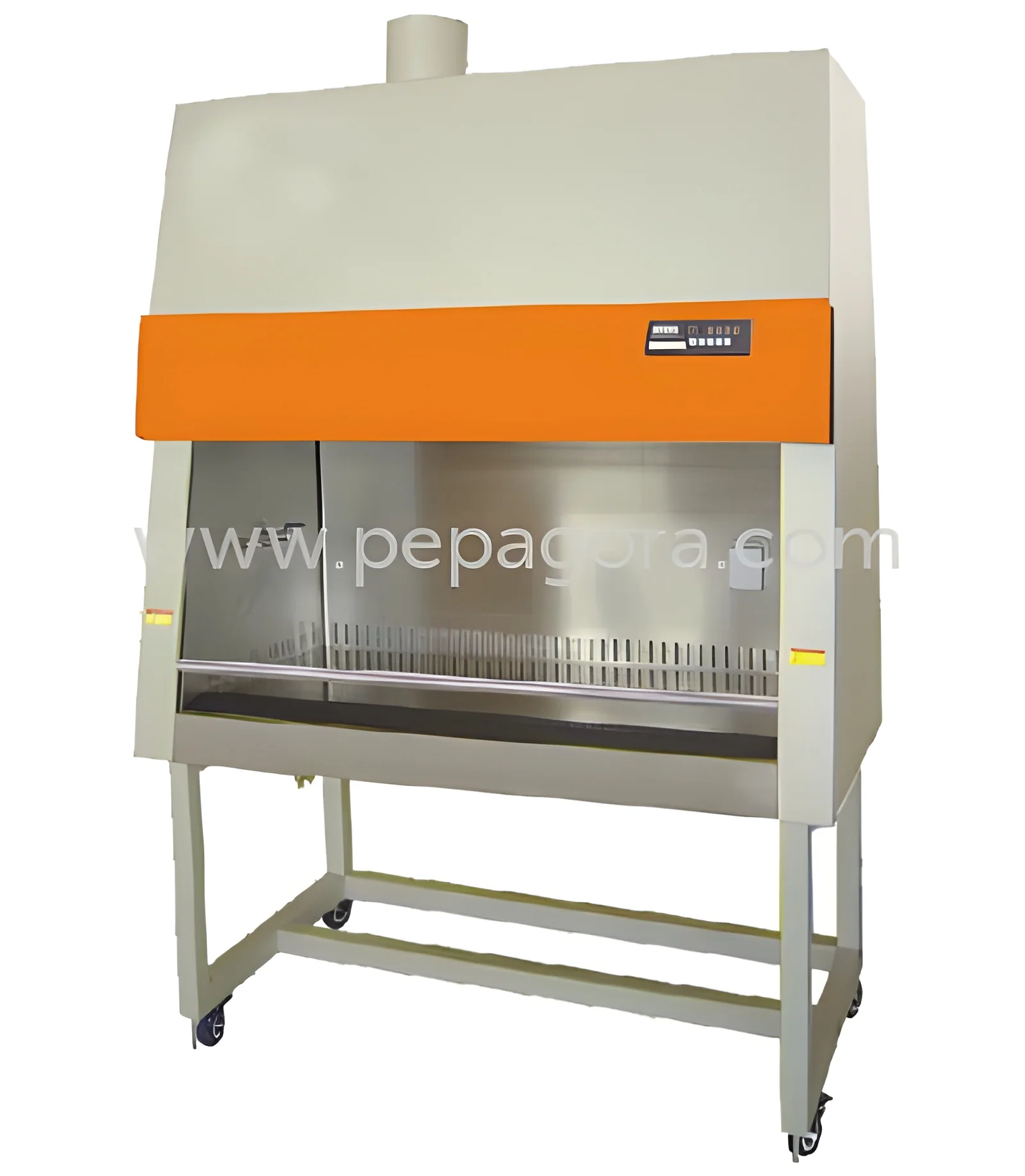
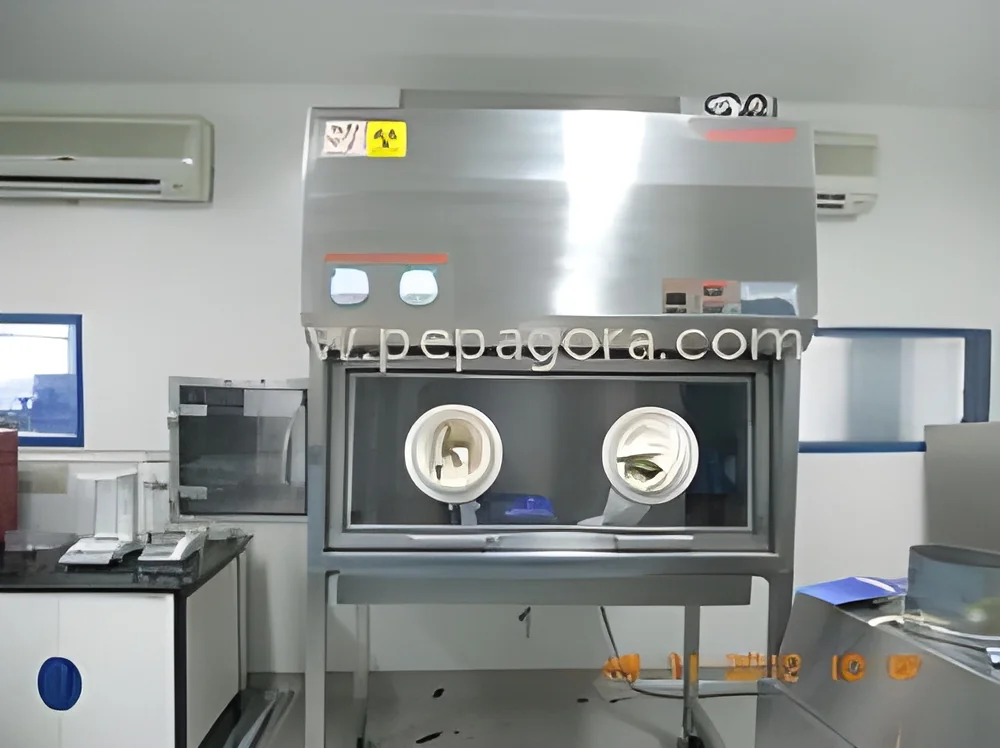
Bio Waste Treatment Units are specialized systems designed to process organic waste materials into environmentally friendly outputs. These units utilize various methods to convert biodegradable waste into compost, bioenergy, or other useful products. The treatment process is essential in managing waste effectively, reducing landfill use, and minimizing environmental impact.
These units find primary applications in industries such as food processing, agriculture, and municipal waste management. Businesses use Bio Waste Treatment Units to ensure compliance with environmental regulations, reduce waste disposal costs, and promote sustainability. As organizations increasingly prioritize eco-friendly practices, the relevance of these units in the market continues to grow.
In an industry that is rapidly evolving due to stringent regulations and increasing public awareness of environmental issues, Bio Waste Treatment Units play a pivotal role. They are essential tools for organizations looking to enhance their sustainability efforts and improve operational efficiency.
Key Features and Specifications
Bio Waste Treatment Units come equipped with various features that enhance their efficiency and effectiveness. Understanding these specifications helps businesses choose the right system for their needs.
Key specifications include:
1. Treatment Capacity
- This refers to the volume of waste the unit can process within a given timeframe.
- Typical ranges vary based on size and model, often from a few hundred kilograms to several tons per day.
2. Energy Consumption
- Energy efficiency is crucial for operational cost management.
- Units are designed to consume minimal energy, with specifications indicating kilowatt usage per treatment cycle.
3. Output Quality
- The quality of the end product, such as compost or biogas, is essential for its usability.
- Units are tested to meet specific standards for organic matter reduction and pathogen elimination.
4. Maintenance Requirements
- Regular maintenance ensures optimal operation and longevity.
- Specifications often outline recommended service intervals and procedures.
5. Automation Features
- Many units include automated controls for monitoring and managing the treatment process.
- Features may include remote access capabilities and real-time data reporting.
6. Safety Features
- Safety is paramount in waste treatment processes.
- Units typically include safety mechanisms to prevent leaks and ensure secure operation.
7. Dimensions and Weight
- The physical size and weight of the unit are critical for installation considerations.
- Specifications provide detailed measurements to assist in site planning.
8. Compliance Certifications
- Compliance with industry standards and regulations is essential.
- Units often hold certifications such as CE, ensuring they meet safety and environmental requirements.
In summary, the key features and specifications of Bio Waste Treatment Units provide a comprehensive understanding of their capabilities, helping businesses make informed decisions.
Common Applications and Use Cases
Bio Waste Treatment Units are utilized across various industries, each benefiting from their waste management capabilities.
1. Food Processing: These units are used to manage organic waste generated during food production. They convert waste into compost or energy, thus reducing disposal costs and environmental impact.
2. Agriculture: Farmers use Bio Waste Treatment Units to process agricultural by-products, returning valuable nutrients to the soil and promoting sustainable farming practices.
3. Municipal Waste Management: Local governments implement these units to treat organic waste from households and businesses, contributing to community sustainability goals and reducing landfill use.
4. Hospitality Industry: Restaurants and hotels use these units to minimize food waste, often converting leftovers into energy or high-quality compost for landscaping.
5. Healthcare Facilities: Hospitals and clinics can utilize Bio Waste Treatment Units to safely process organic waste, ensuring compliance with health regulations while reducing waste volume.
6. Retail: Grocery stores and supermarkets implement these systems to manage food waste, often partnering with local farms to provide compost.
7. Landscaping and Horticulture: Companies in this sector use treated organic waste as a soil amendment, enhancing soil quality and supporting plant growth.
Product Variants and Subcategories
Bio Waste Treatment Units come in various models to cater to different operational needs and capacities. This diversity allows businesses to select the most suitable option for their waste management requirements.
Compact Units
Compact Bio Waste Treatment Units are designed for small-scale operations, such as restaurants and small farms. They are easy to install and operate, often featuring automated processes for user convenience.
Industrial Units
These larger units are built for high-capacity processing, suitable for food manufacturers and municipalities. They often include advanced features for efficiency and compliance with regulatory standards.
Mobile Units
Mobile Bio Waste Treatment Units provide flexibility for organizations needing temporary waste management solutions, such as events or construction sites. They can be transported to various locations for on-site processing.
Benefits and Advantages
Investing in Bio Waste Treatment Units offers numerous benefits for businesses aiming to enhance their sustainability efforts.
Key benefits include:
1. Cost Savings: By reducing the volume of waste sent to landfills, organizations can lower disposal fees and minimize operational costs.
2. Environmental Compliance: These units help businesses meet environmental regulations, avoiding potential fines and enhancing their reputation.
3. Resource Recovery: Bio Waste Treatment Units convert waste into valuable products such as compost and biogas, promoting a circular economy.
4. Enhanced Sustainability: Utilizing these units demonstrates a commitment to sustainability, appealing to environmentally conscious consumers.
5. Improved Waste Management: Streamlined processes for handling organic waste lead to greater efficiency and operational effectiveness.
6. Community Contribution: By reducing waste and promoting recycling, businesses play a vital role in supporting local sustainability initiatives.
Buying Guide for B2B Buyers
When sourcing Bio Waste Treatment Units, several factors should be considered to ensure the best fit for your business needs.
1. Quality Assessment: Evaluate the build quality and materials of the units. Look for certifications that indicate adherence to industry standards, ensuring durability and reliability.
2. Supplier Verification: Research potential suppliers to ensure they have a reputable track record. Consider customer reviews and request references to gauge their reliability.
3. Pricing and MOQ: Understand the pricing structures and minimum order quantities. Be clear about your budget and explore options for financing or leasing if necessary.
4. Delivery and Lead Times: Discuss delivery options and lead times with suppliers. Ensure that the logistics align with your operational timelines to avoid disruptions.
5. Compliance Requirements: Confirm that the units meet local and regional regulatory standards. This includes environmental compliance and safety certifications.
Compliance and Certifications
Bio Waste Treatment Units must adhere to various quality standards and industry certifications to ensure they are safe and effective for use.
Relevant quality standards, such as ISO 9001, guarantee that manufacturers maintain quality management systems. This ensures consistent performance and reliability of the units.
Industry certifications, such as CE, indicate compliance with health, safety, and environmental protection standards within the European market. This is crucial for businesses operating in or exporting to Europe.
Safety and testing requirements are also paramount. Units must undergo rigorous testing to ensure they operate safely and effectively, mitigating risks associated with waste processing.
Regional compliance considerations include adherence to local laws and regulations concerning waste treatment and environmental protection. Businesses must be aware of these requirements when selecting a unit.
Why Source Bio Waste Treatment Units from Pepagora?
Pepagora provides a trusted platform for sourcing Bio Waste Treatment Units, offering numerous advantages for B2B buyers.
Verified Supplier Network: Pepagora connects buyers with a network of verified suppliers, ensuring that you partner with reputable manufacturers committed to quality and compliance.
Streamlined RFQ Process: The platform simplifies the request for quotation process, allowing buyers to easily compare offerings and negotiate terms with multiple suppliers, saving time and effort.
Trade Assurance and Support: Pepagora offers buyer protection through trade assurance, providing peace of mind during transactions. Their customer support team is available to assist with any inquiries or issues.
Regional Coverage: With a strong presence in markets such as India, the GCC, and Southeast Asia, Pepagora ensures that buyers have access to a diverse range of Bio Waste Treatment Units tailored to their regional needs.
By choosing Pepagora, businesses can make informed decisions and find the right Bio Waste Treatment Unit to enhance their waste management strategies.


 India
Frequently Asked Questions
What are Bio Waste Treatment Units?
Bio Waste Treatment Units are systems designed to process and manage organic waste materials, converting them into useful products such as compost or biogas. These units are essential for reducing landfill waste, minimizing environmental impact, and promoting sustainable waste management practices.
What are the different types of Bio Waste Treatment Units?
There are several types of Bio Waste Treatment Units, including aerobic composters, anaerobic digesters, and vermicomposting systems. Each type utilizes different processes to treat organic waste, catering to various needs and scales of operation.
How do I choose the right Bio Waste Treatment Units?
To select the appropriate Bio Waste Treatment Unit, consider factors such as the volume of waste generated, the type of organic materials to be processed, and the desired end products. It's also important to assess the unit’s efficiency, maintenance requirements, and compliance with local regulations.
What are the standard specifications for Bio Waste Treatment Units?
Standard specifications for Bio Waste Treatment Units typically include capacity (measured in kg/day), power consumption, required space, and processing time. Additional parameters may include temperature control, moisture levels, and ventilation systems, depending on the technology used.
What is the price range for Bio Waste Treatment Units?
The price of Bio Waste Treatment Units can vary significantly based on their size, technology, and features. Generally, small-scale units may start from a few thousand Indian Rupees, while larger industrial units can cost several lakhs.
What quality standards apply to Bio Waste Treatment Units?
Bio Waste Treatment Units must adhere to various quality standards, including ISO certifications and local environmental regulations. Compliance with these standards ensures the units are safe, efficient, and environmentally friendly.
Where can I find Bio Waste Treatment Units suppliers in India?
You can find Bio Waste Treatment Units suppliers in India through online B2B marketplaces like Pepagora.com. Additionally, industry trade shows, exhibitions, and local directories may provide listings of reputable manufacturers and suppliers.
Can Bio Waste Treatment Units be customized?
Yes, many manufacturers offer customization options for Bio Waste Treatment Units to meet specific customer requirements. Customizations may include modifications in size, processing capacity, and additional features tailored to unique waste management needs.
What is the typical minimum order quantity for Bio Waste Treatment Units?
The minimum order quantity (MOQ) for Bio Waste Treatment Units can vary by supplier and product type. Typically, MOQs can range from one unit for smaller models to several units for larger or more complex systems.
What is the typical lead time for Bio Waste Treatment Units?
The lead time for Bio Waste Treatment Units generally depends on the type of unit and the manufacturer's production schedule. On average, lead times can range from a few weeks to several months, especially for customized or large-scale units.
Why Businesses Trust Pepagora
Thousands of companies trust Pepagora to source smarter and sell faster
Expand Your Sales Globally

Source Smarter,Grow Faster
